Visitable museums and collections

Casa das Ciencias

Galego

English

Castellano

Français

Deutsch

Portugués

Italiano

Casa das Ciencias na Galipedia

Casa das Ciencias na Wikipedia

Casa das Ciencias (web oficial do Concello)

Casa das Ciencias (Museos de Galicia)

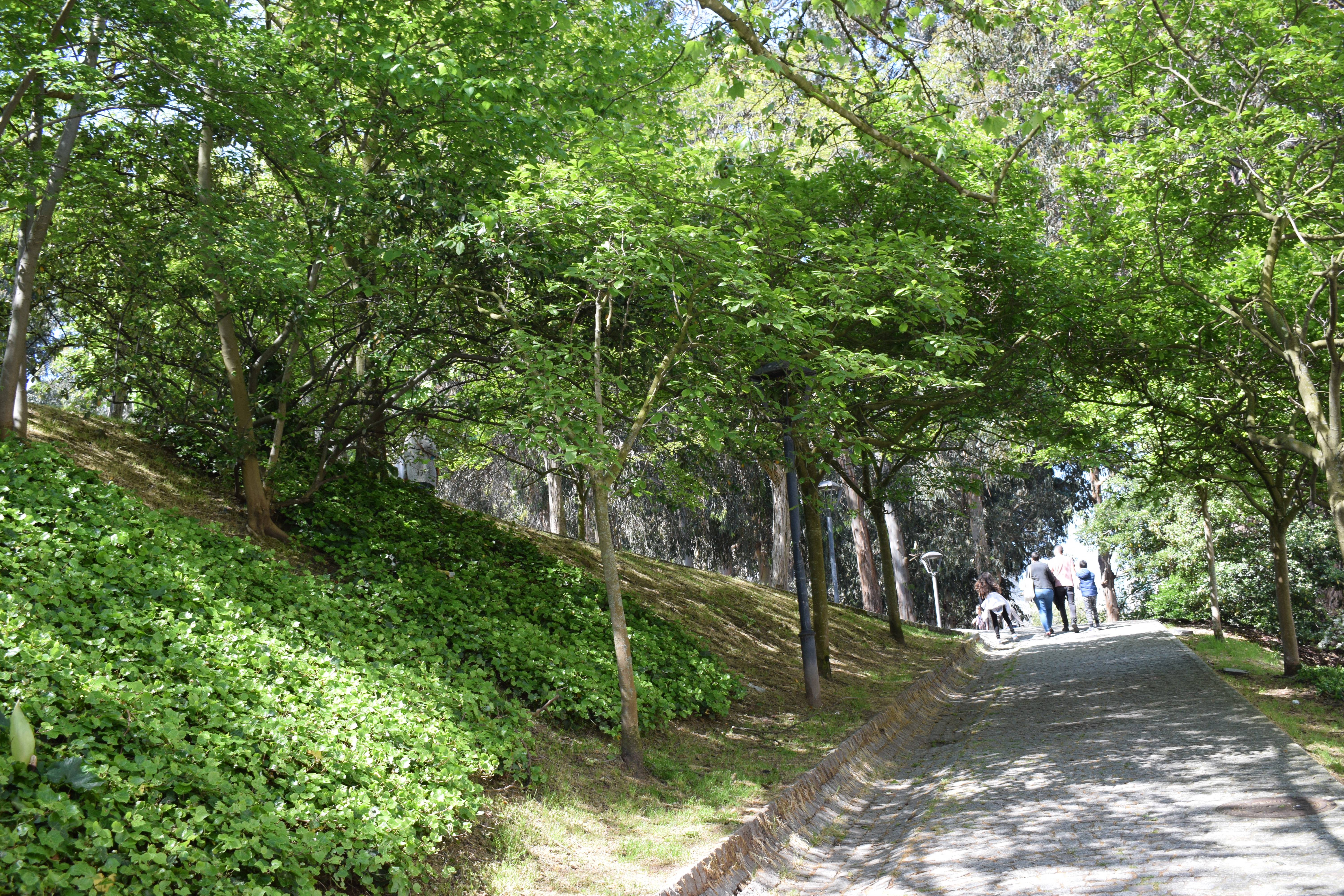
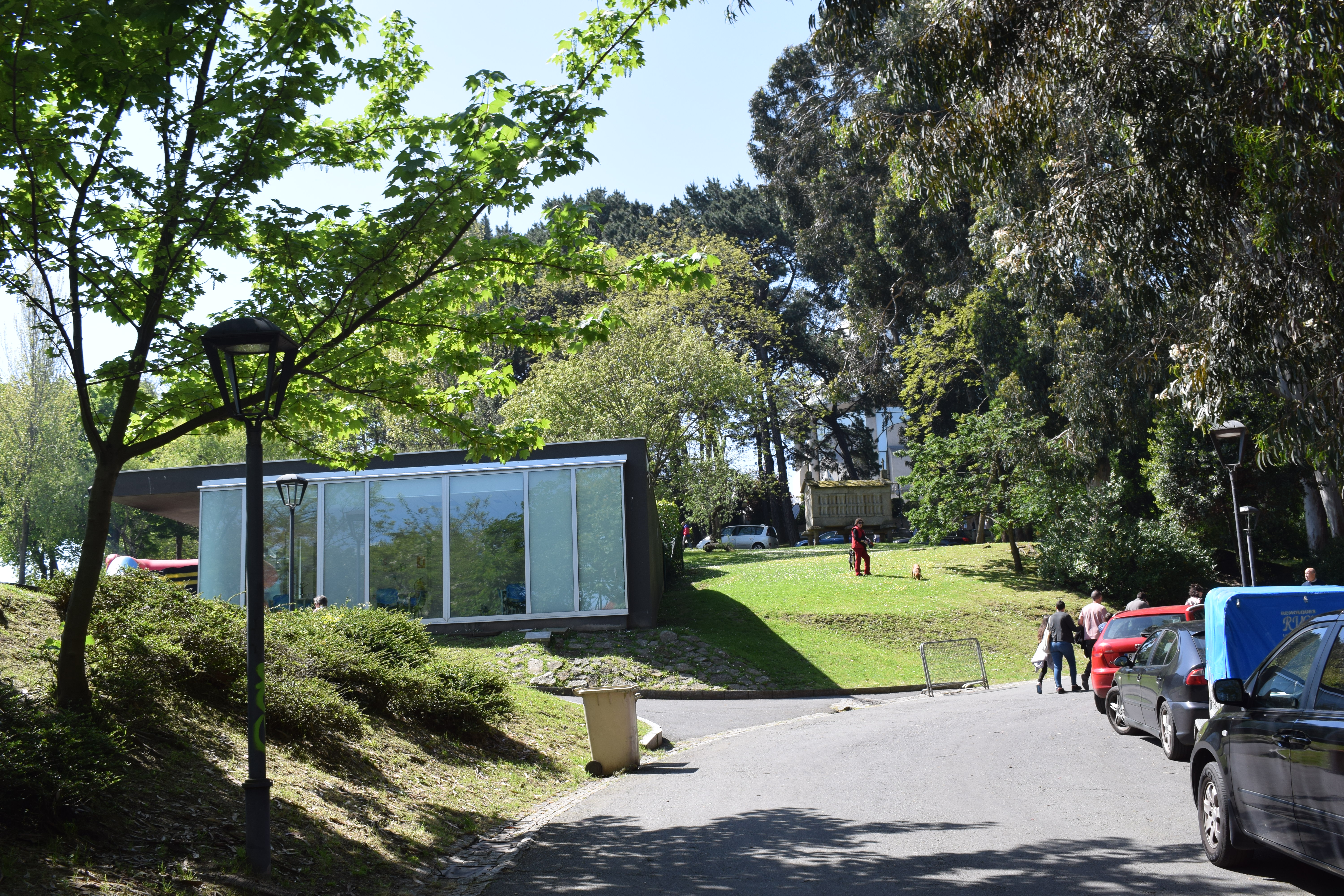
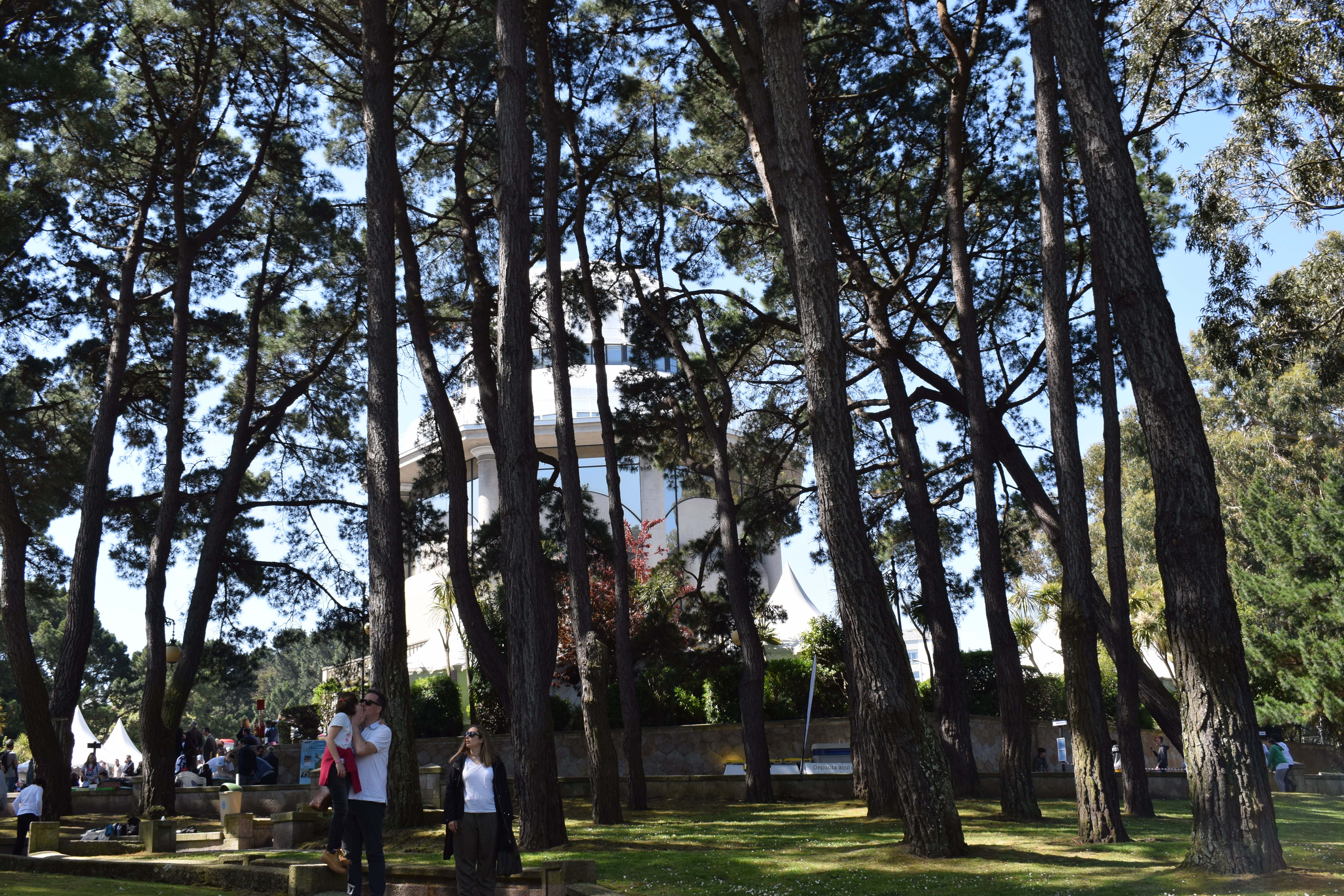
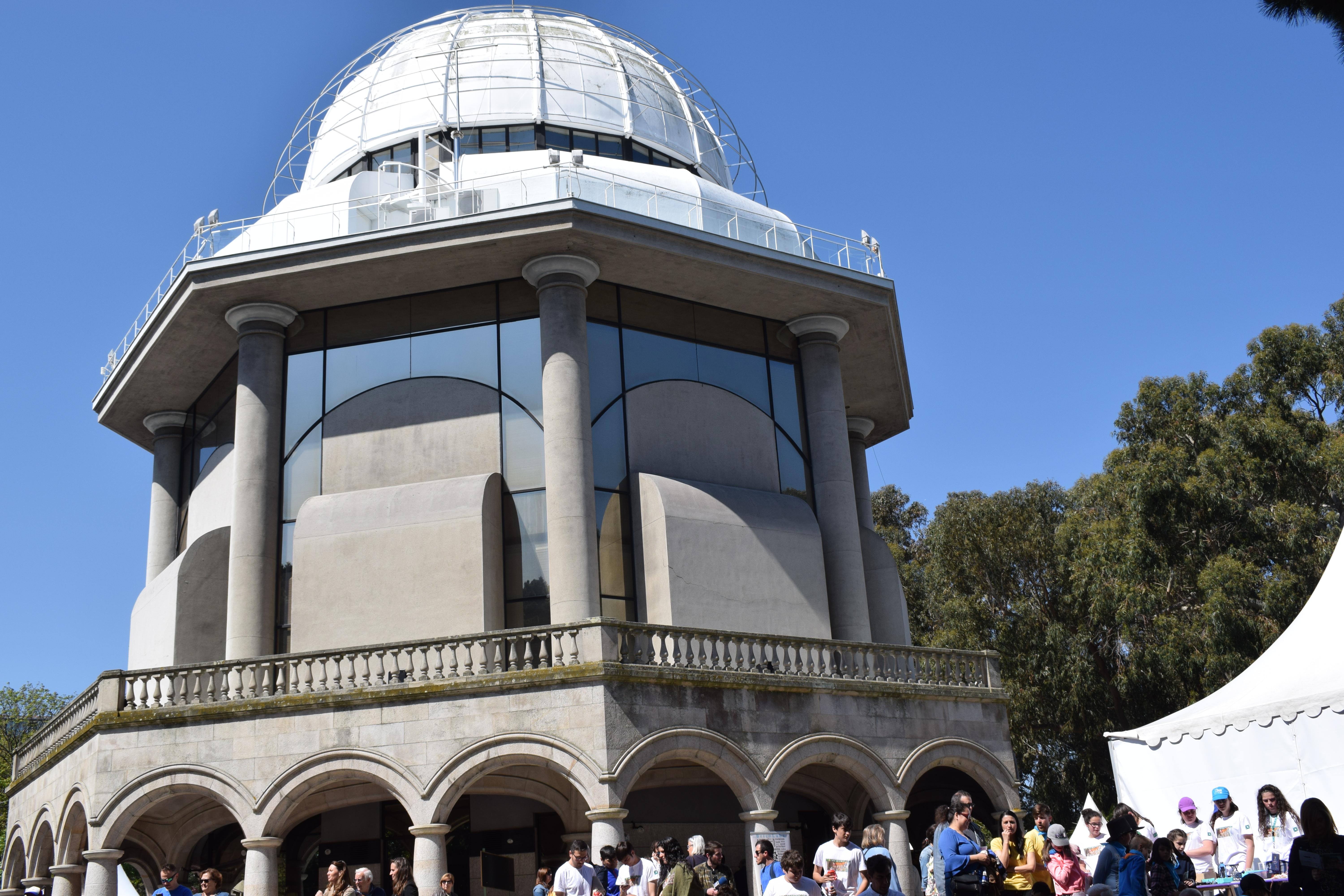
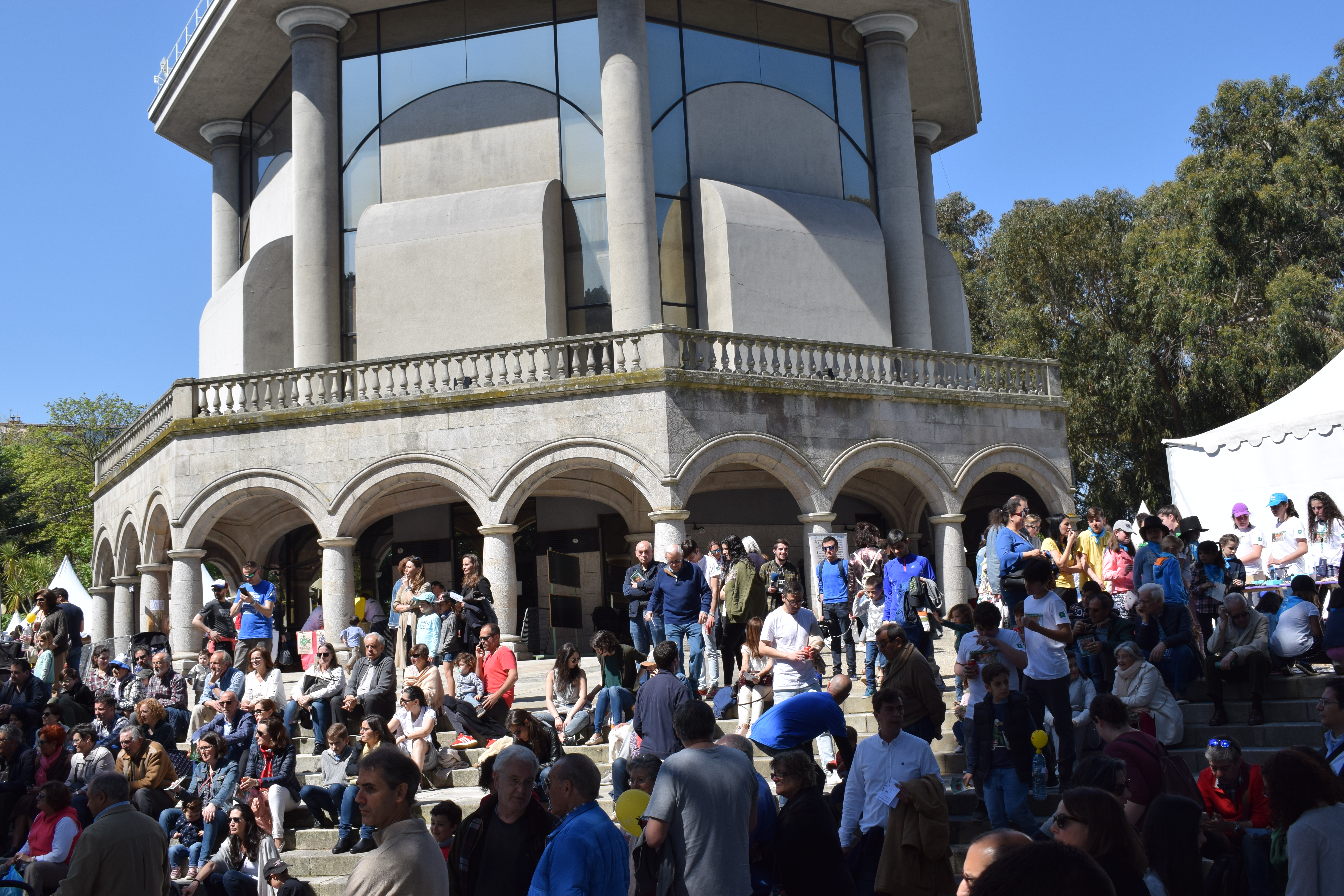
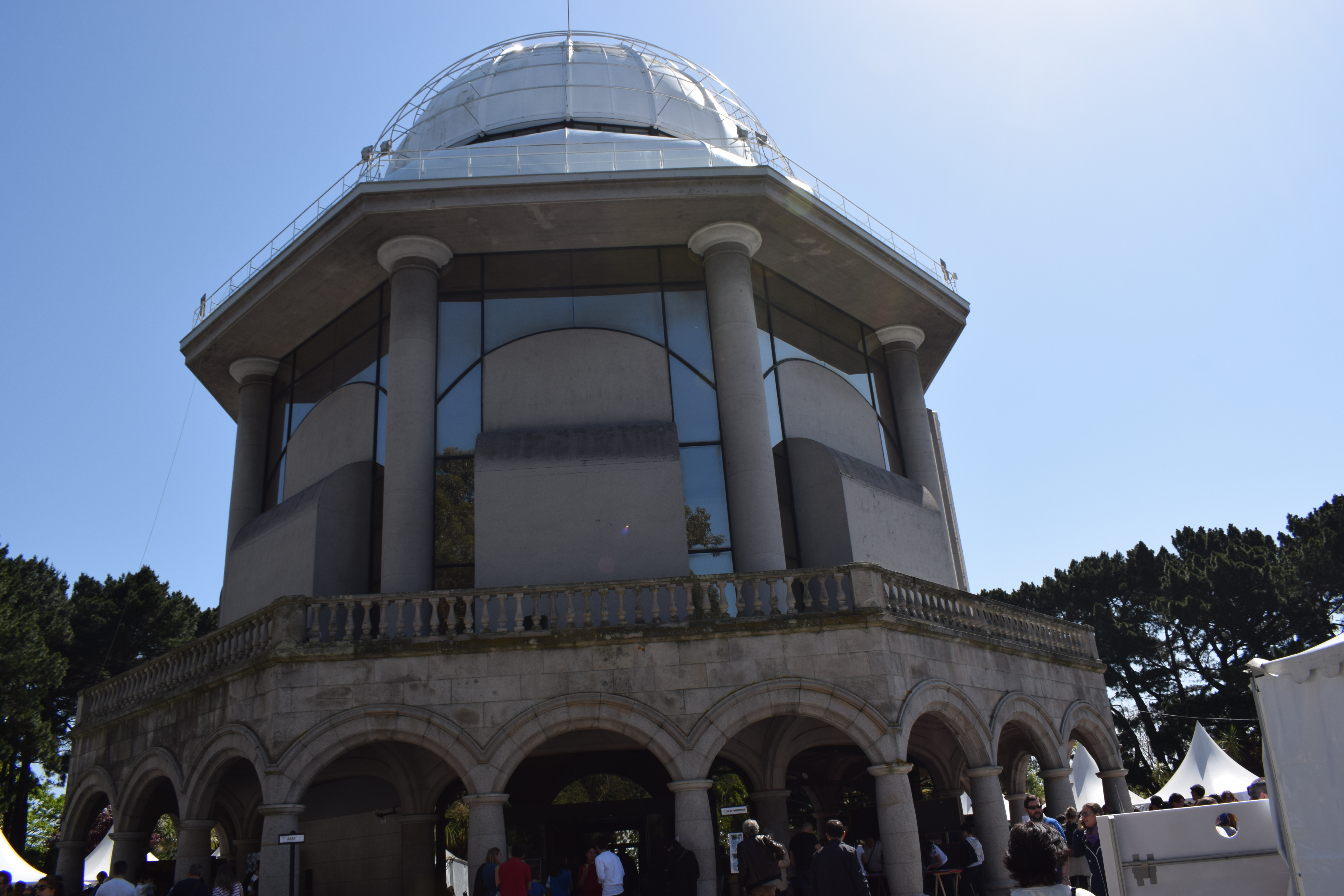
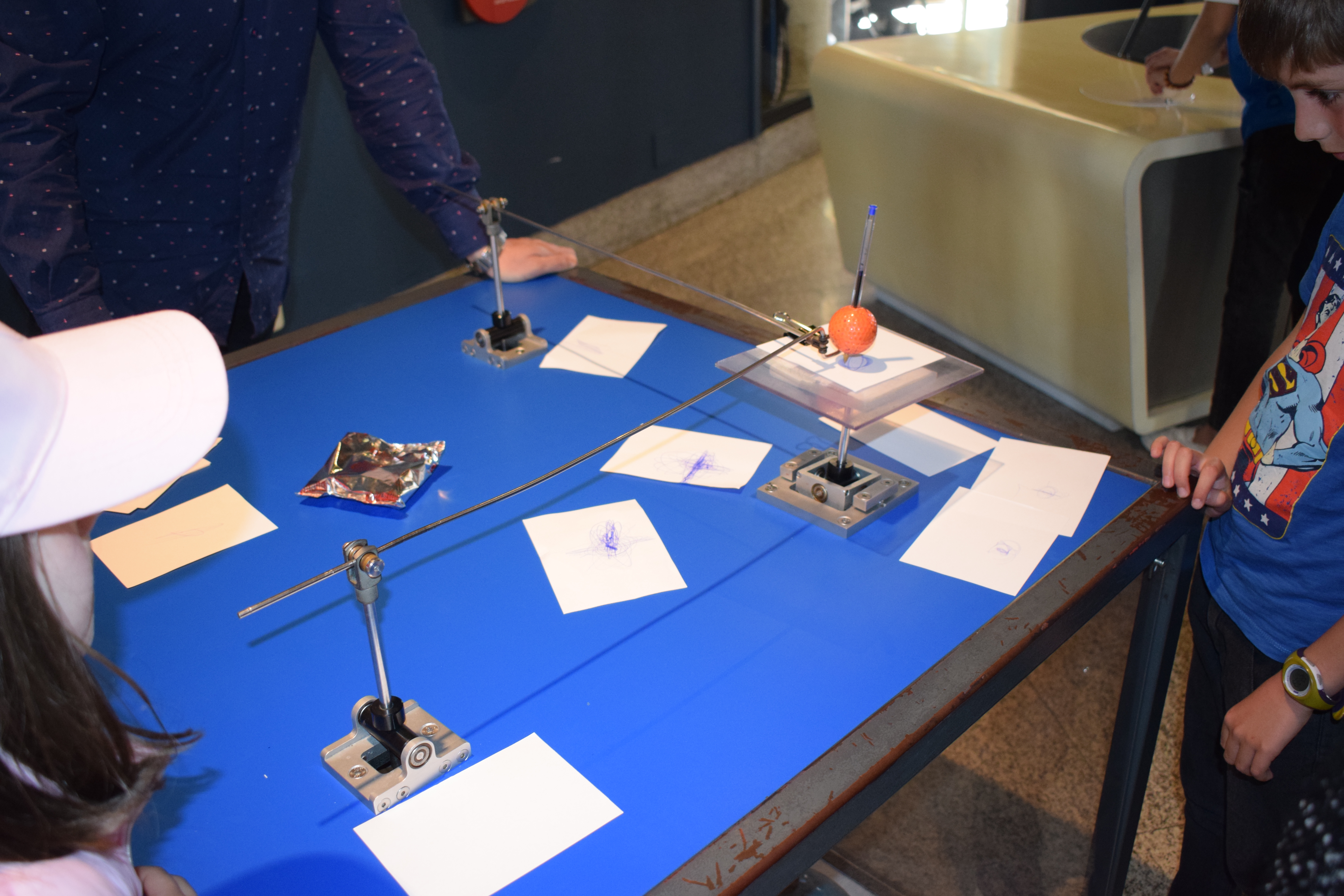
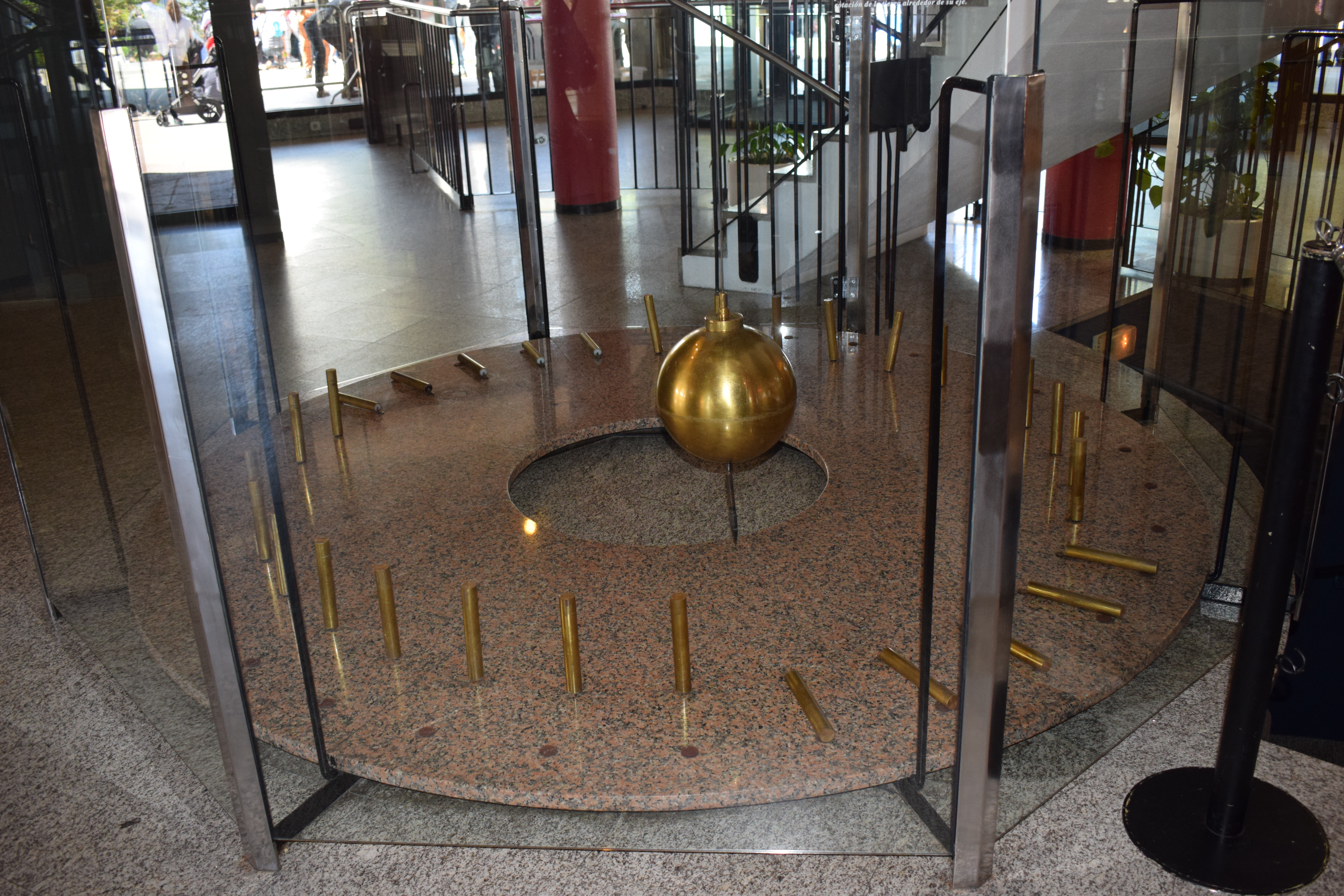
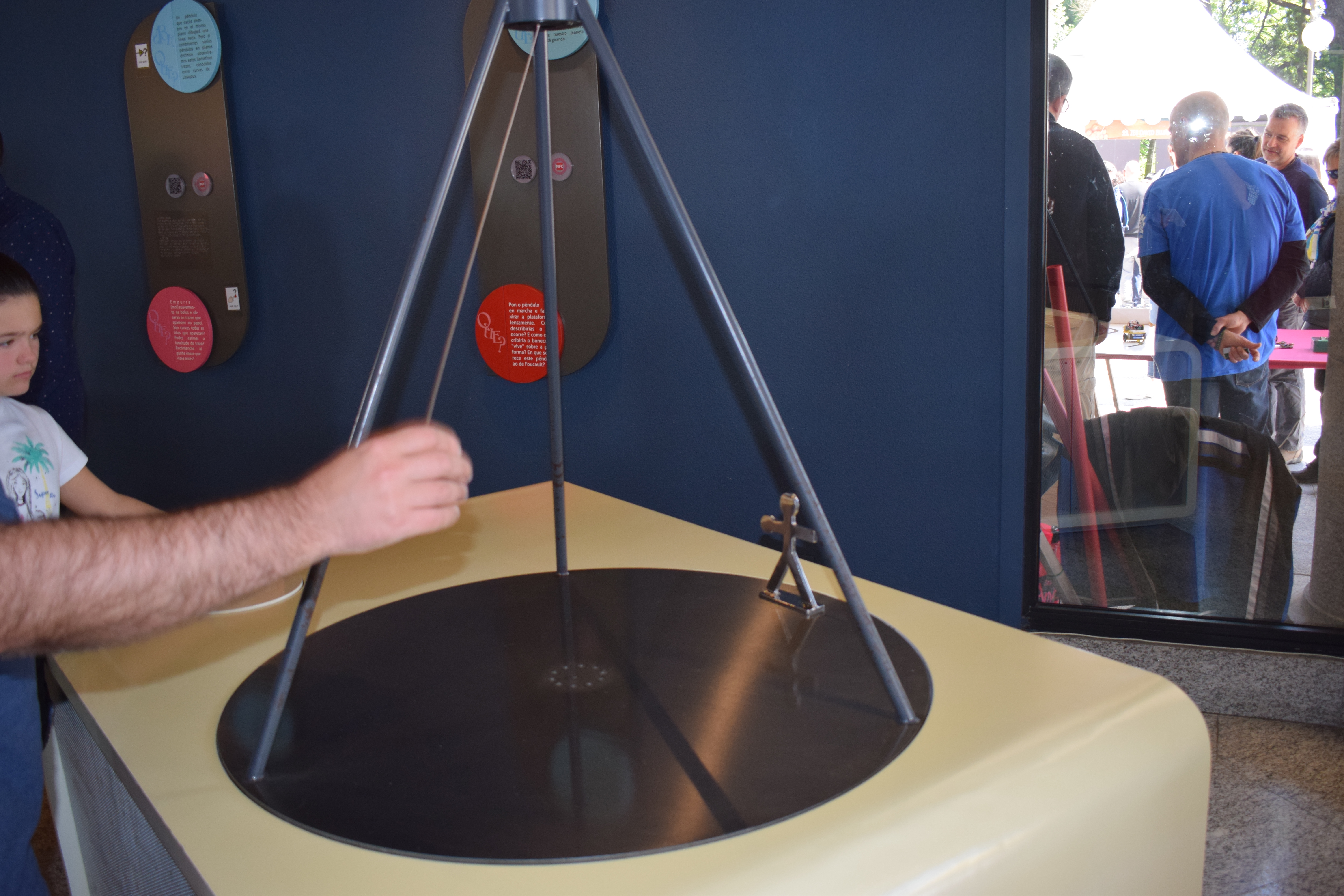
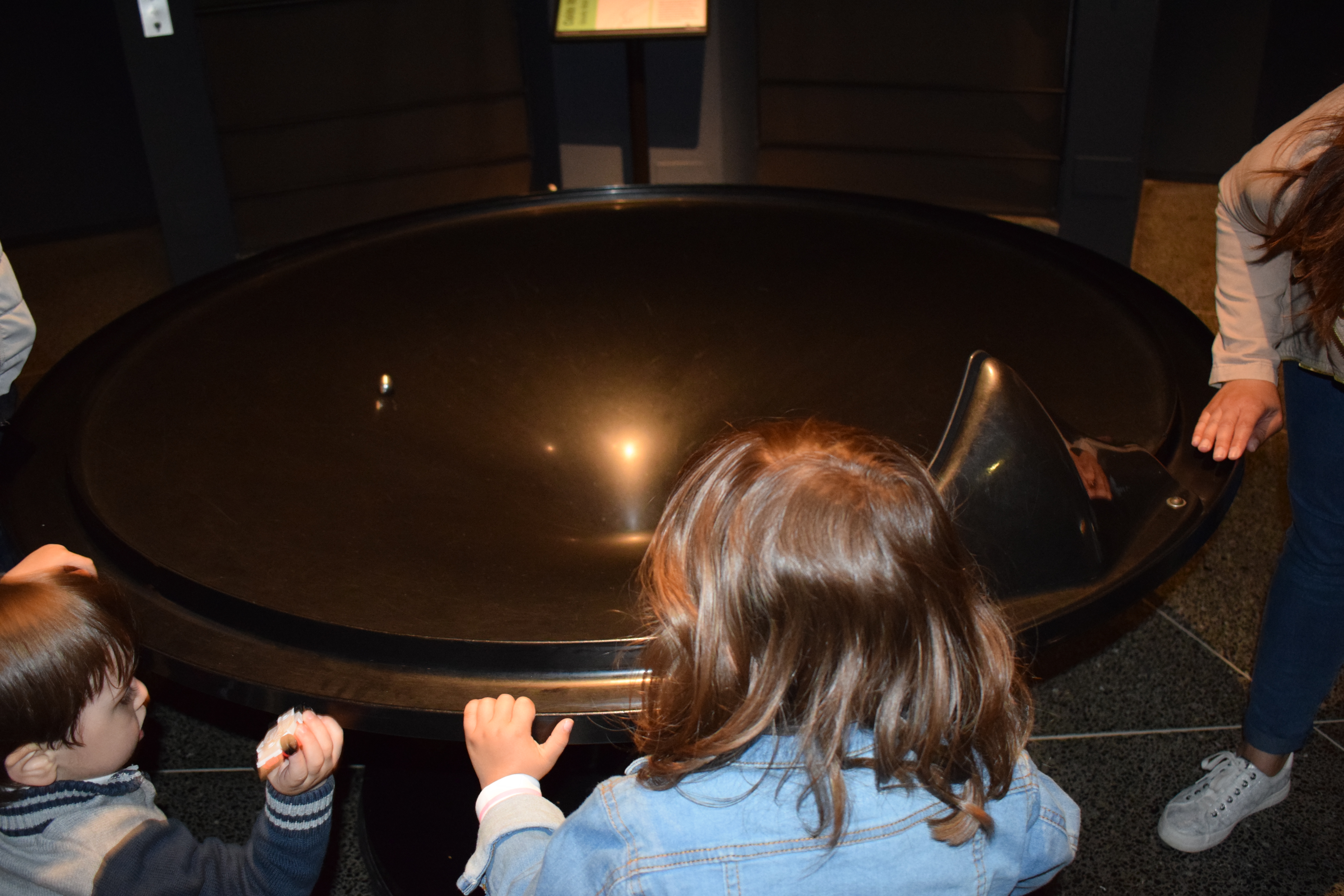
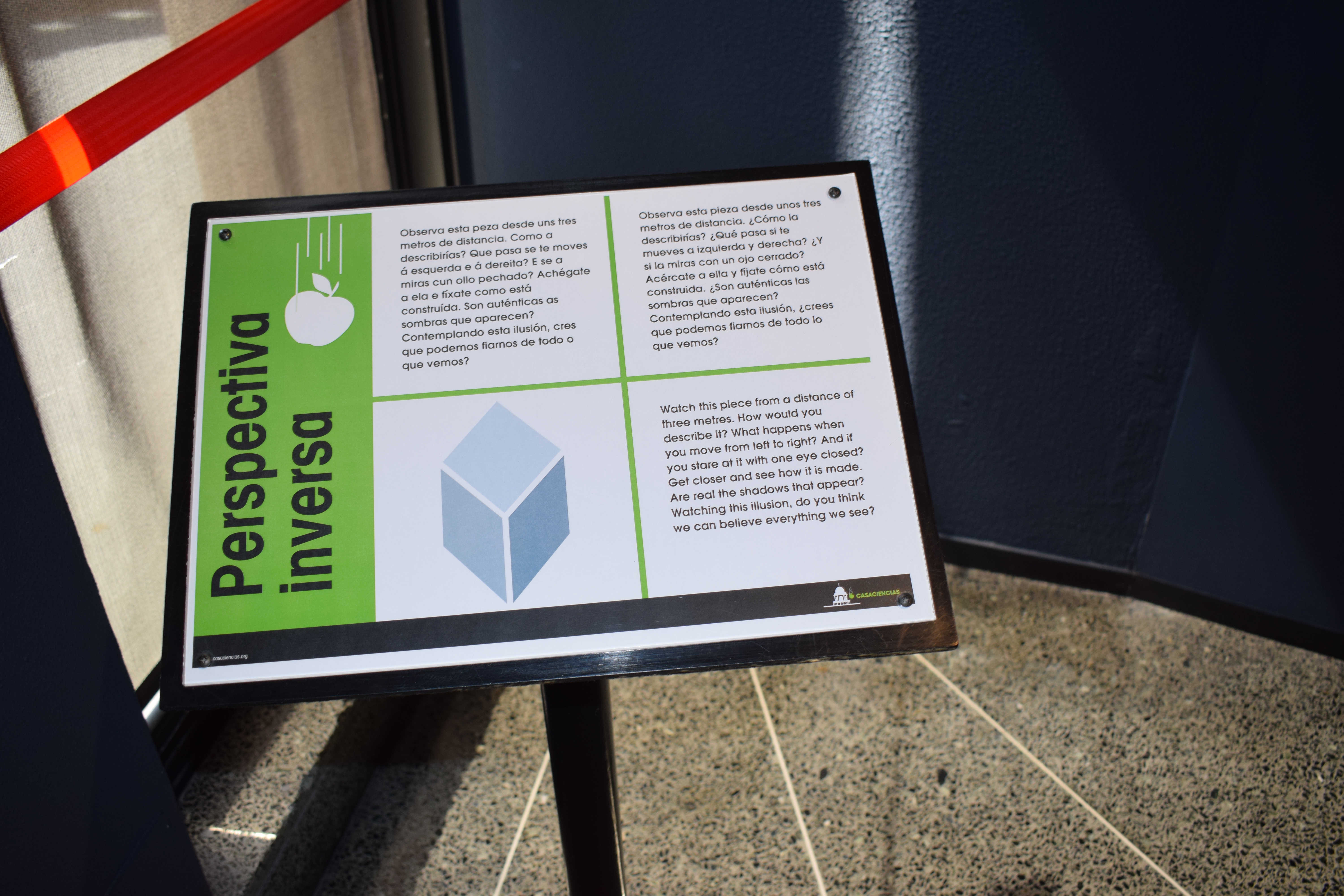
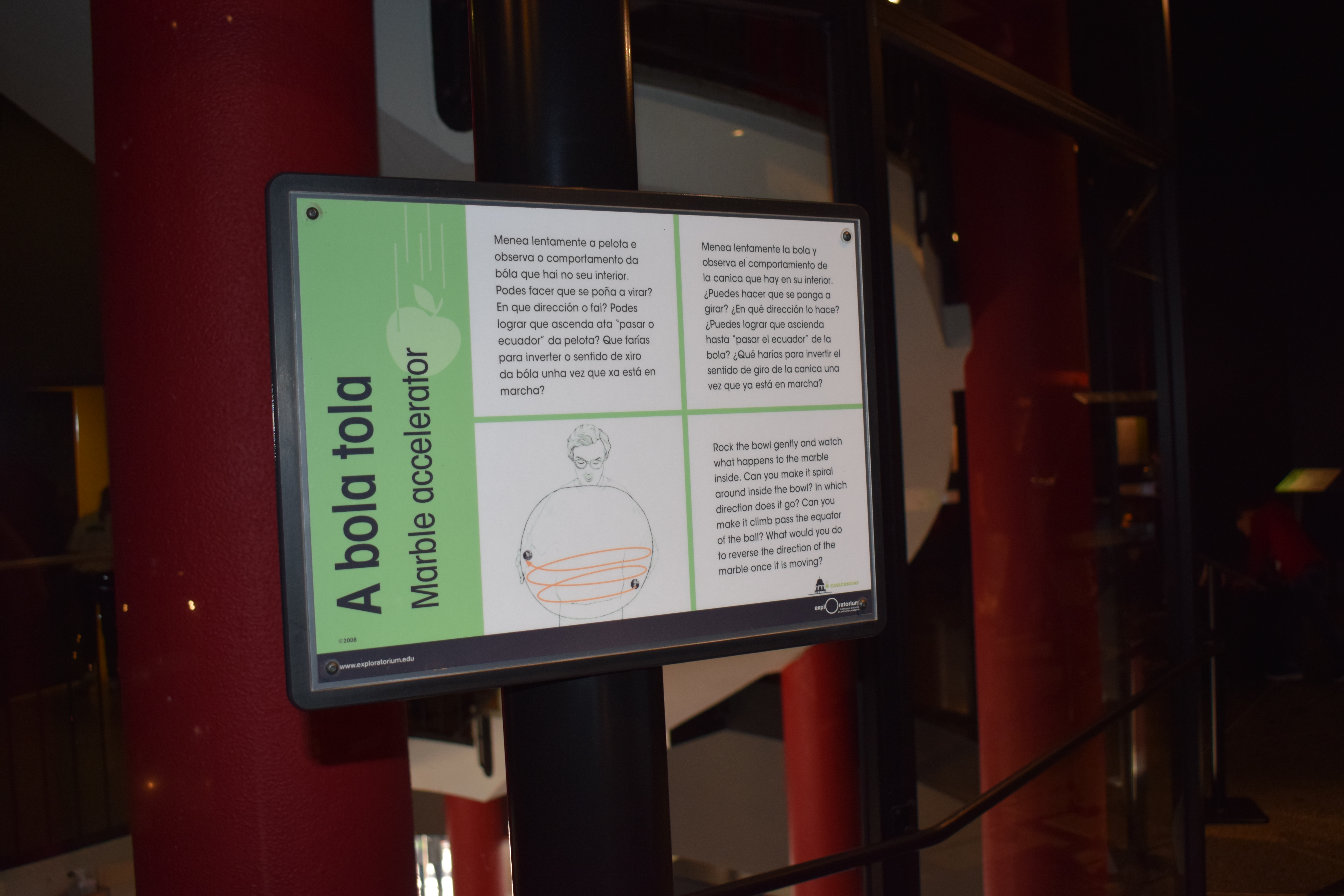
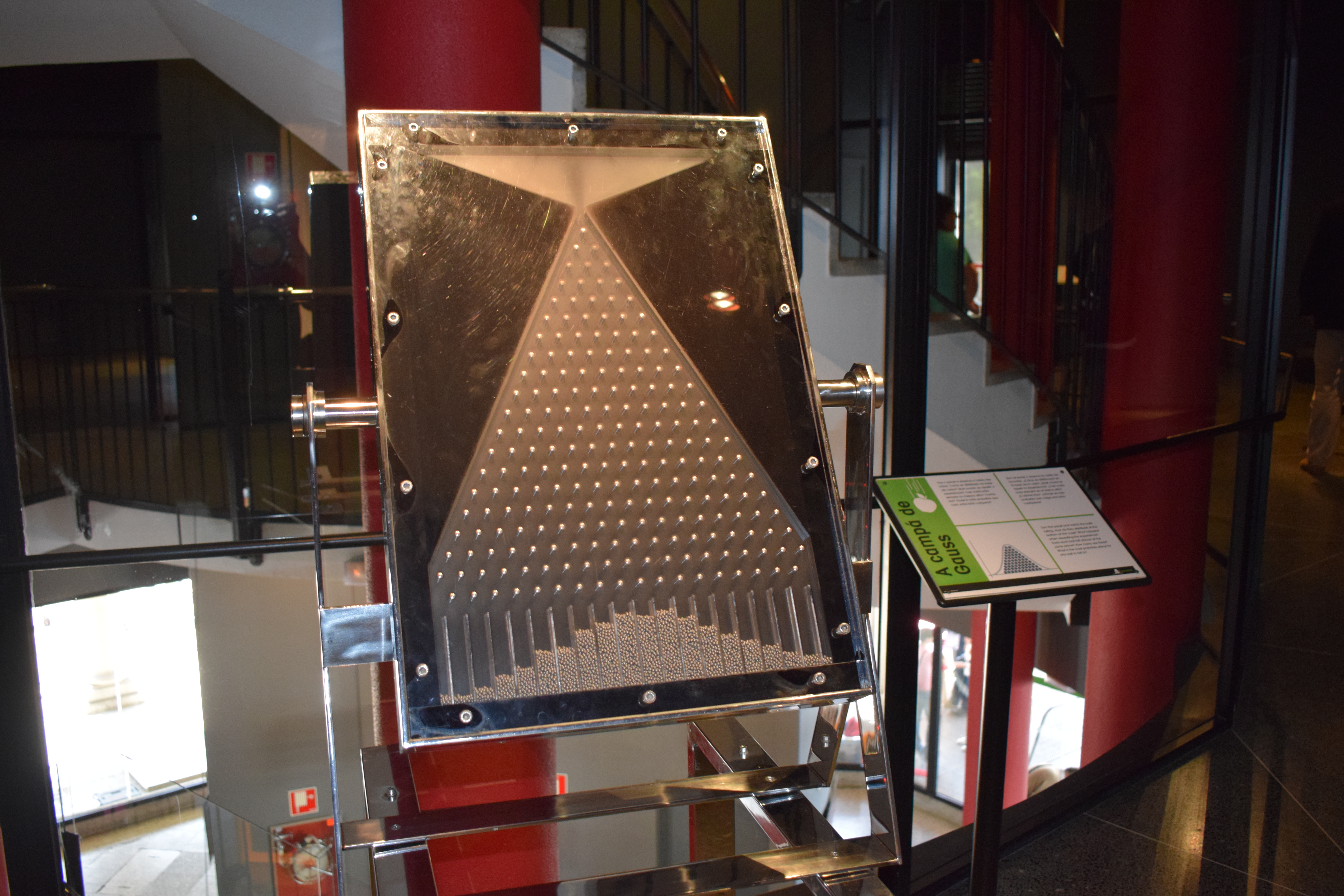
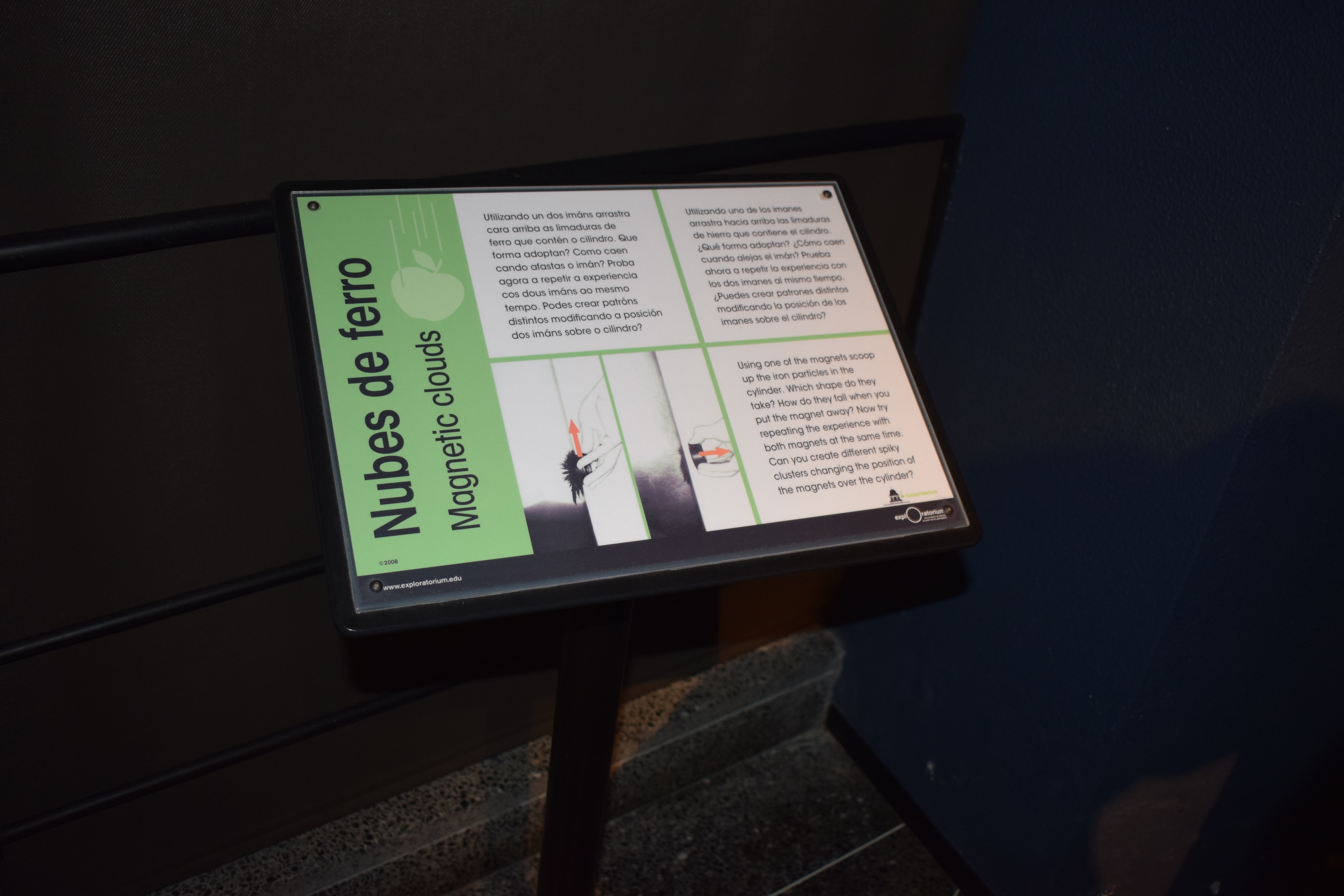
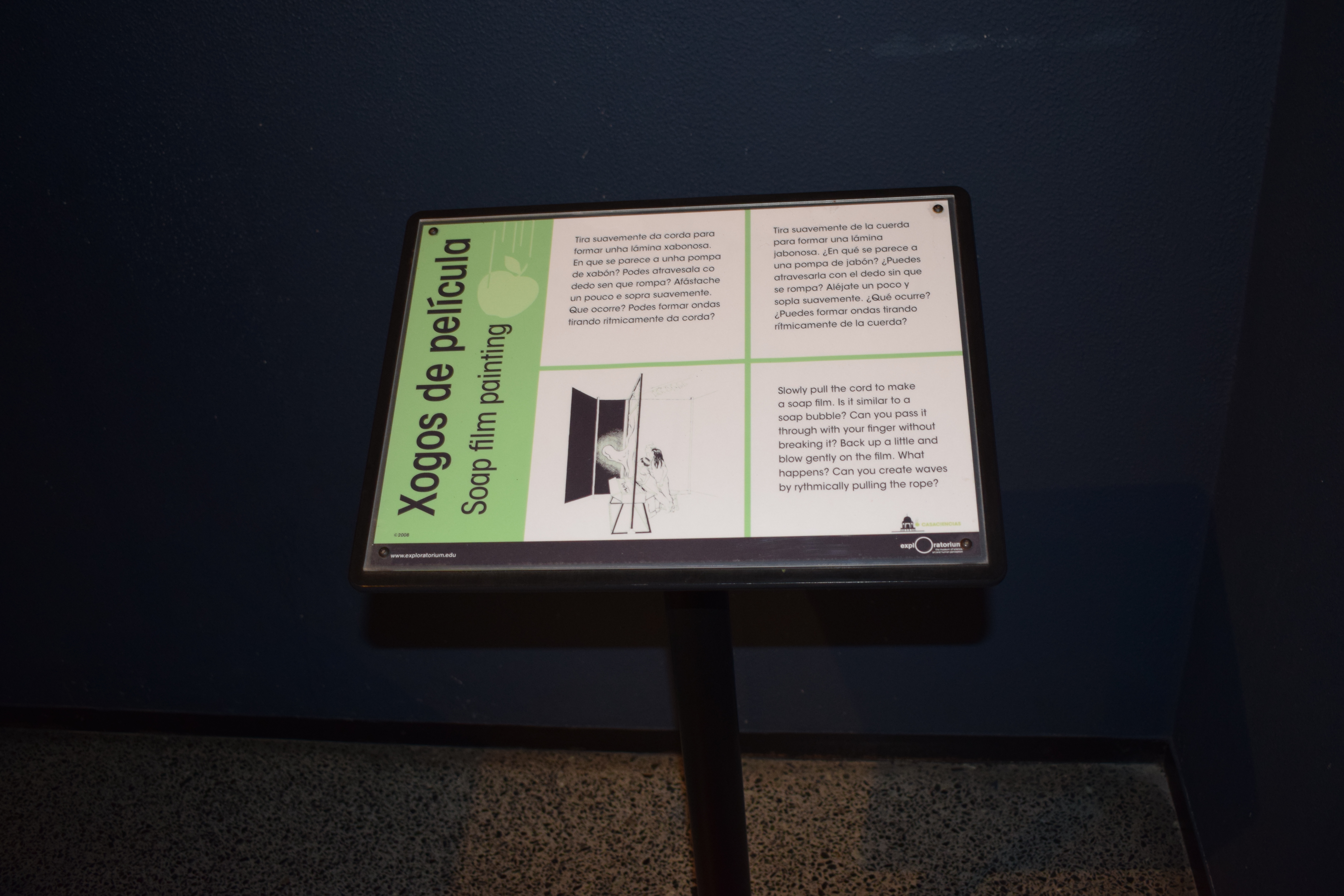
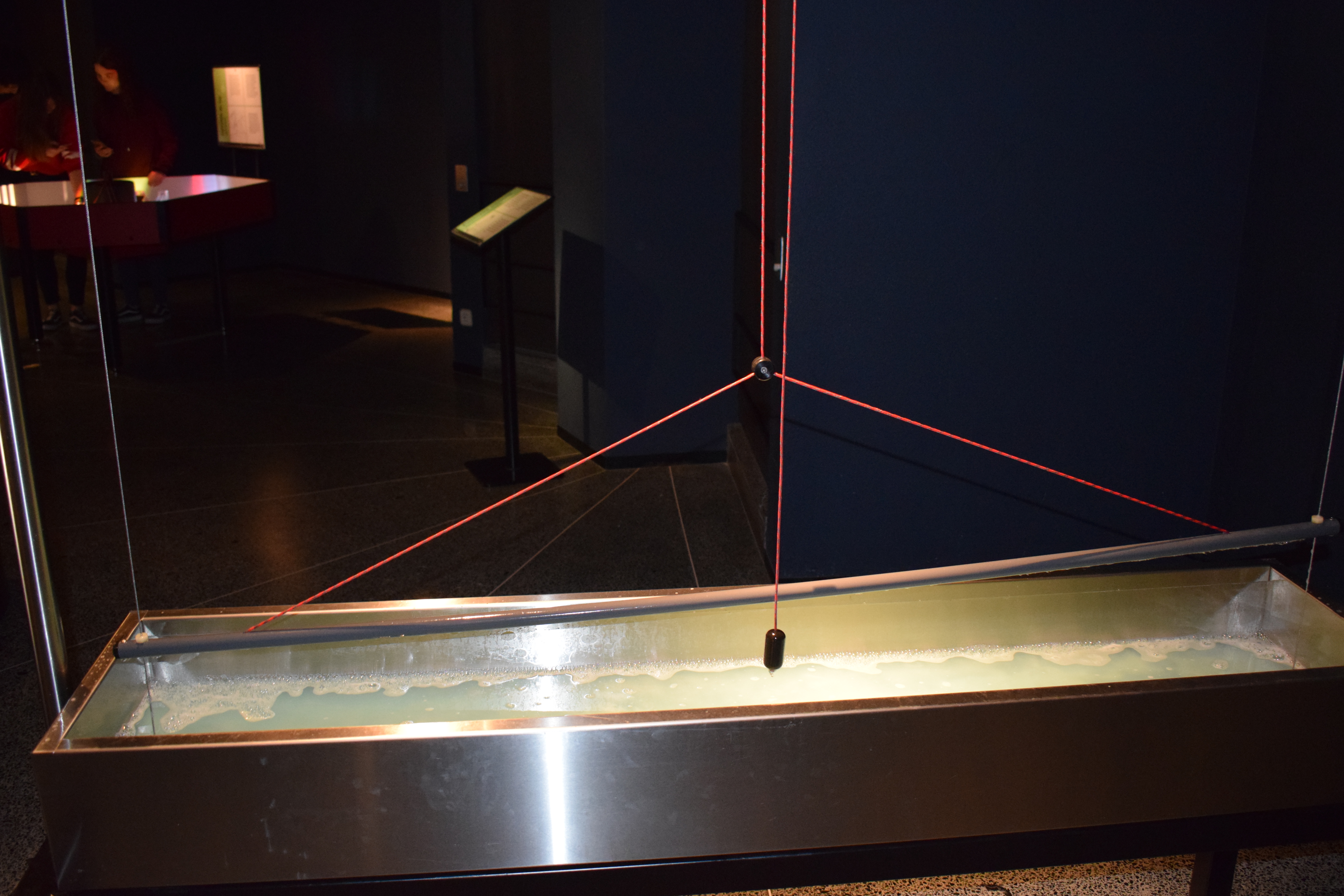
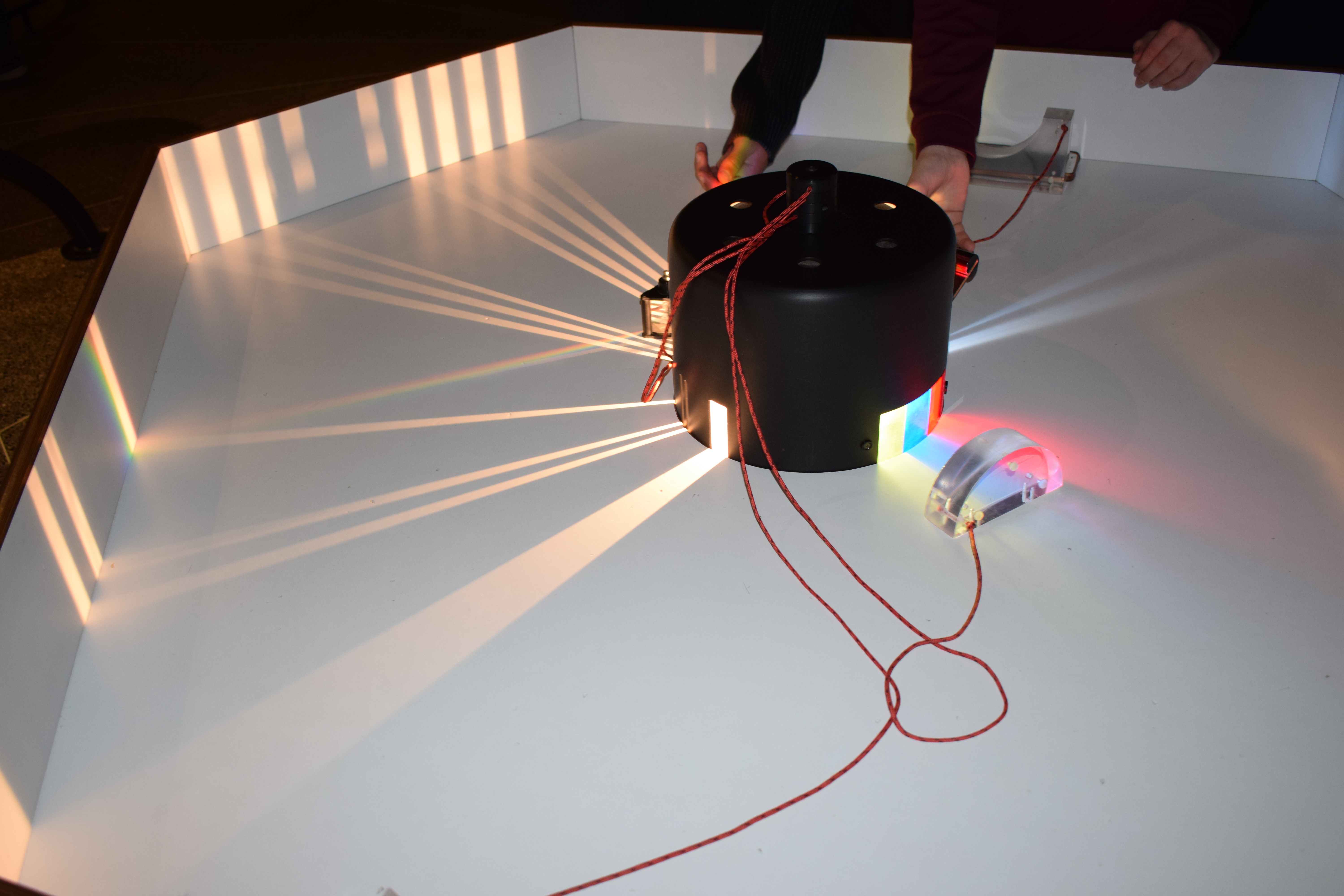
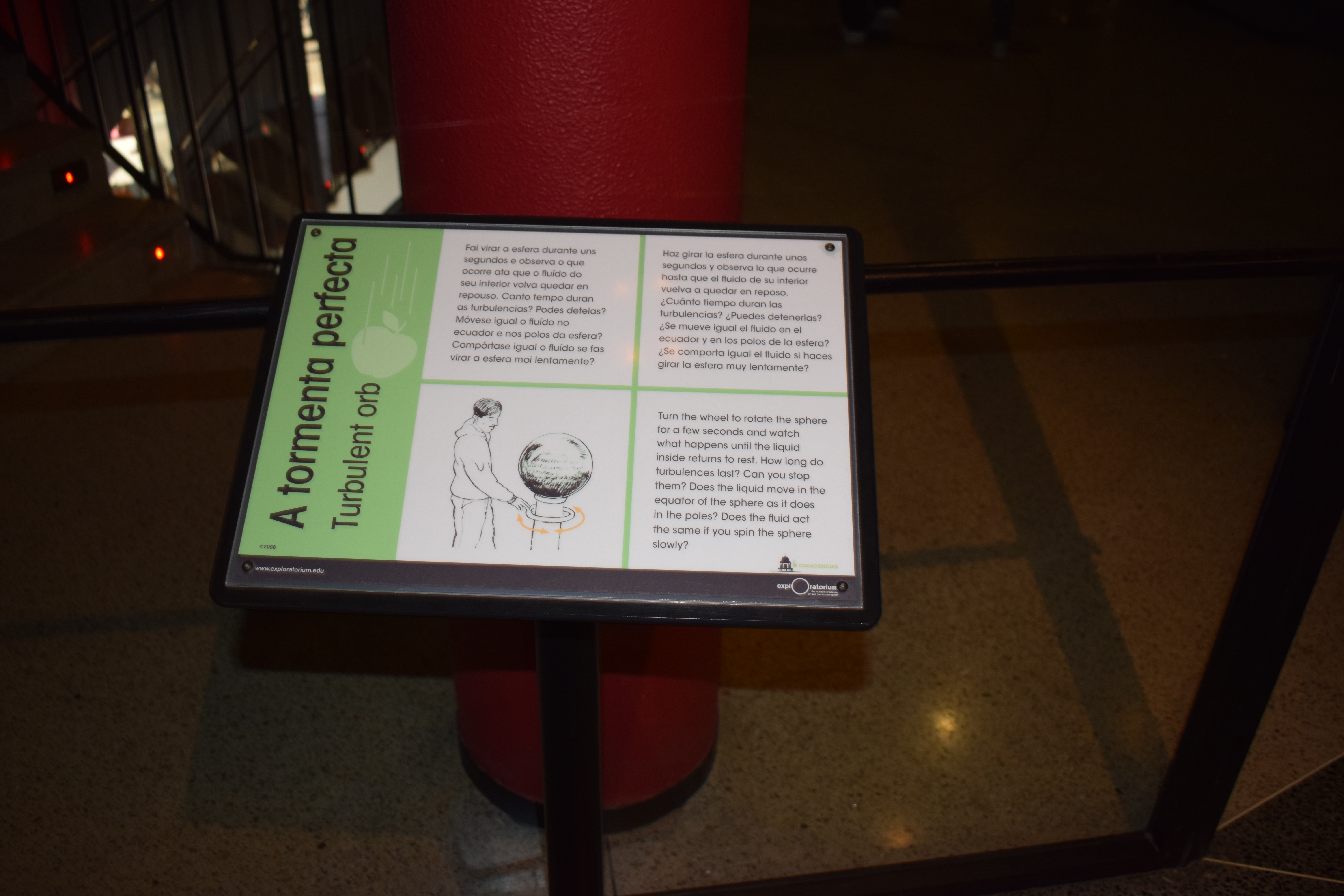
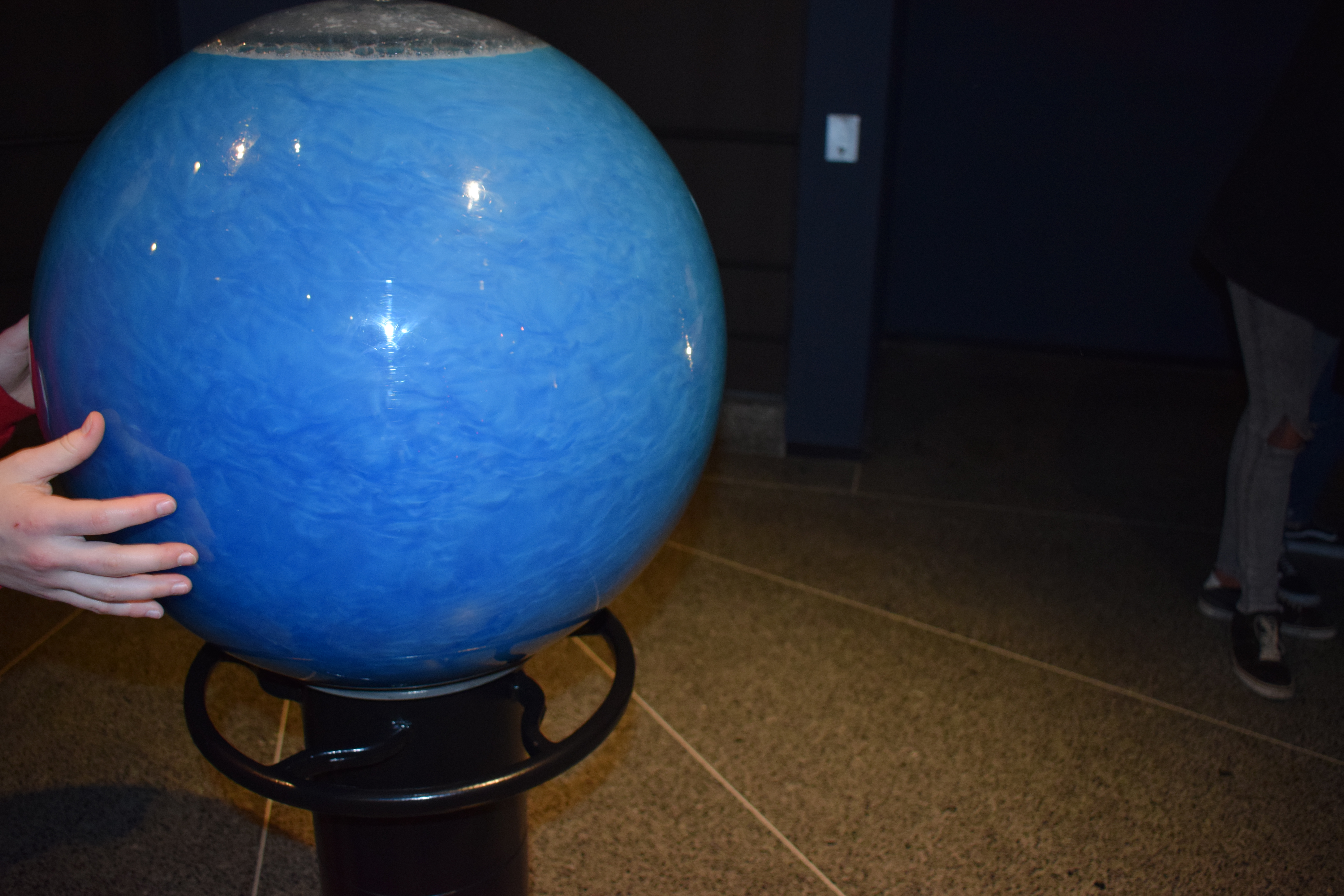
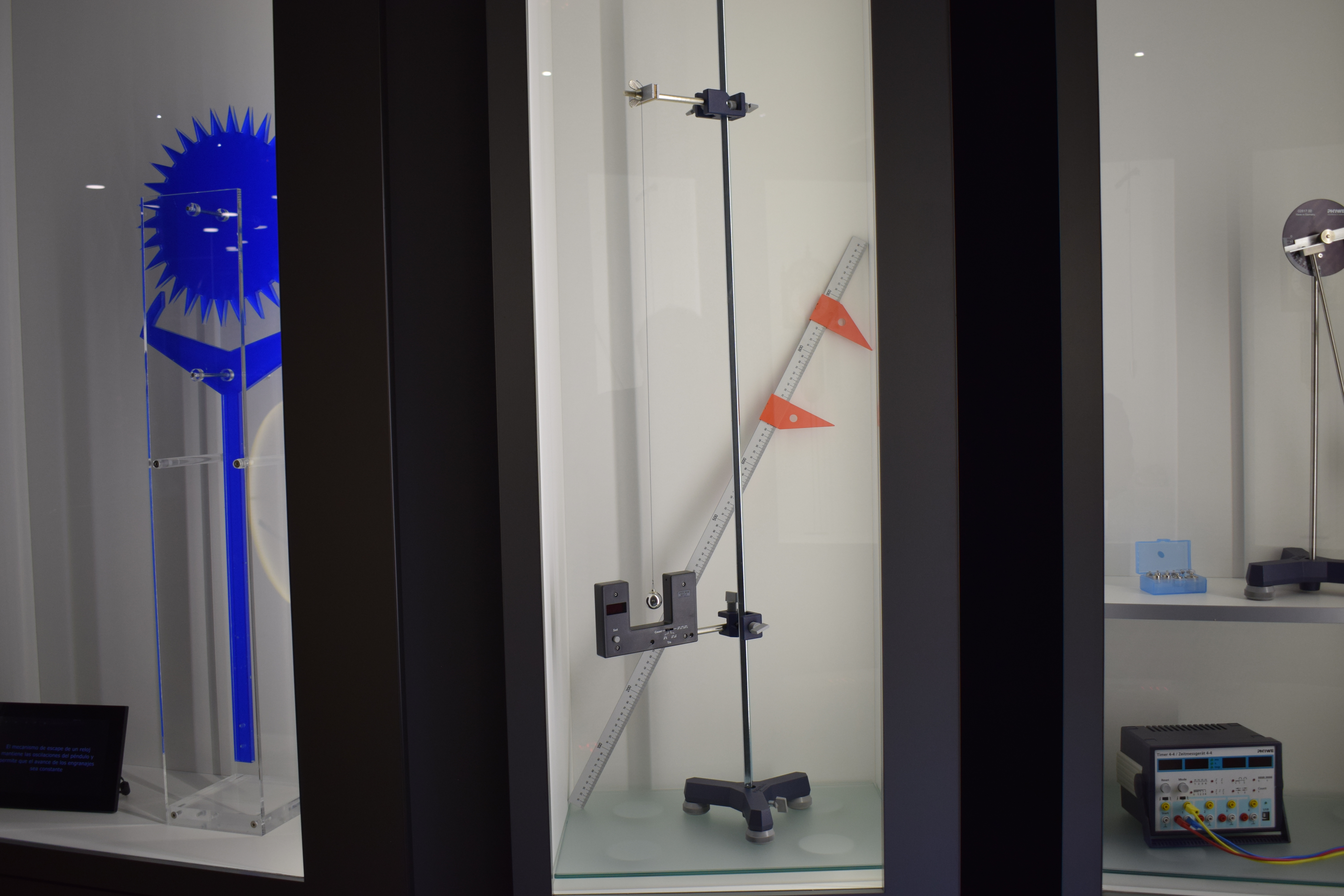
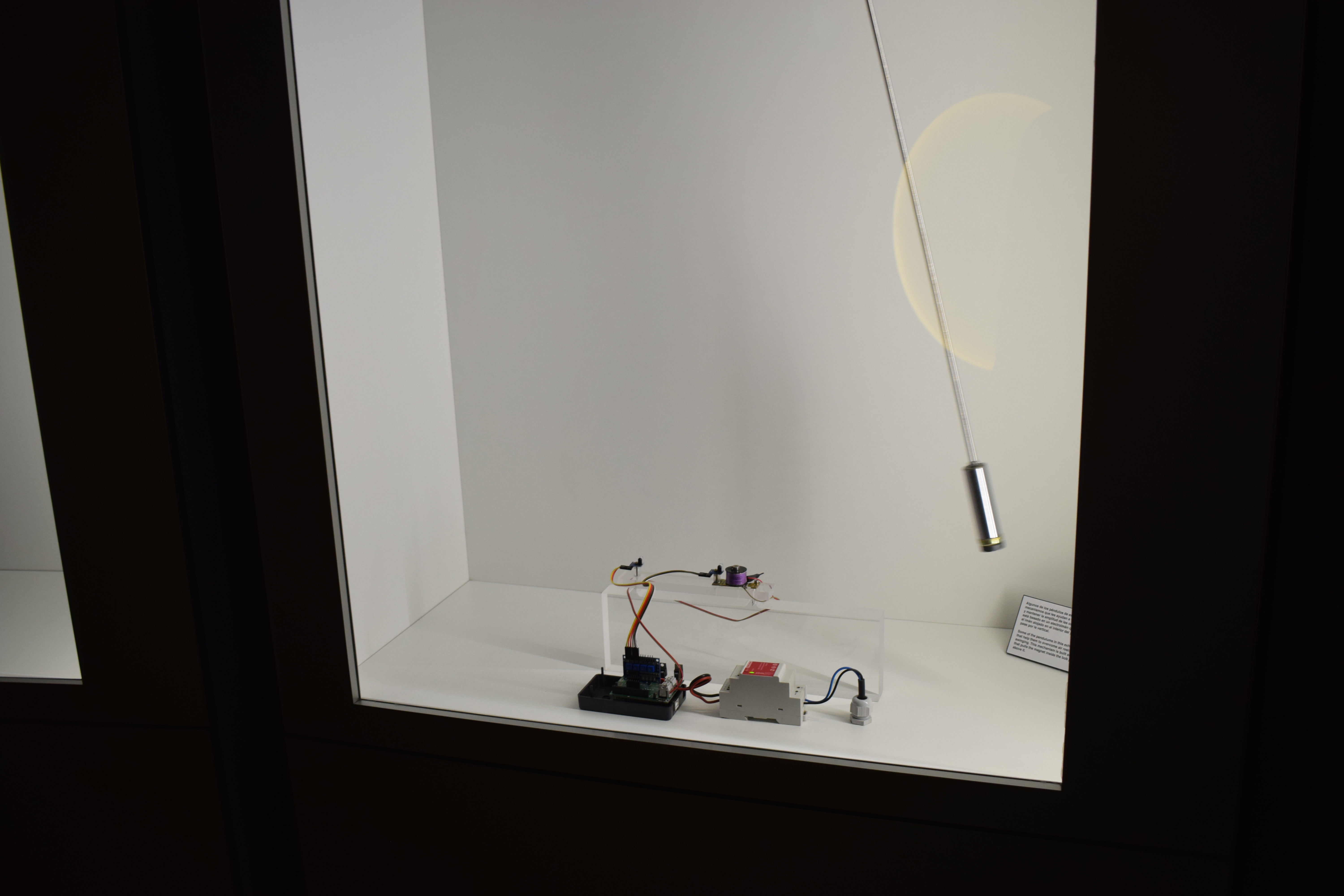
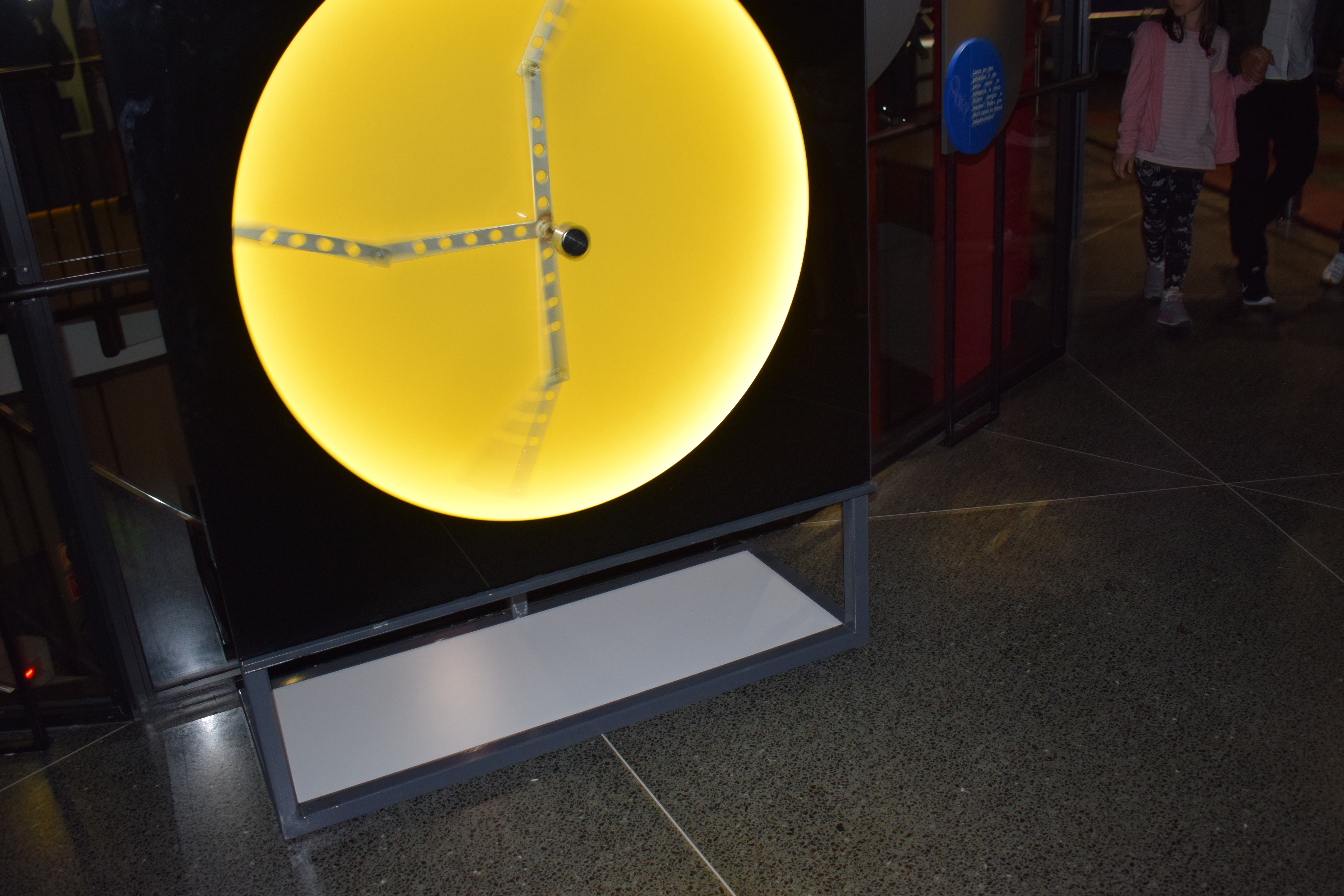
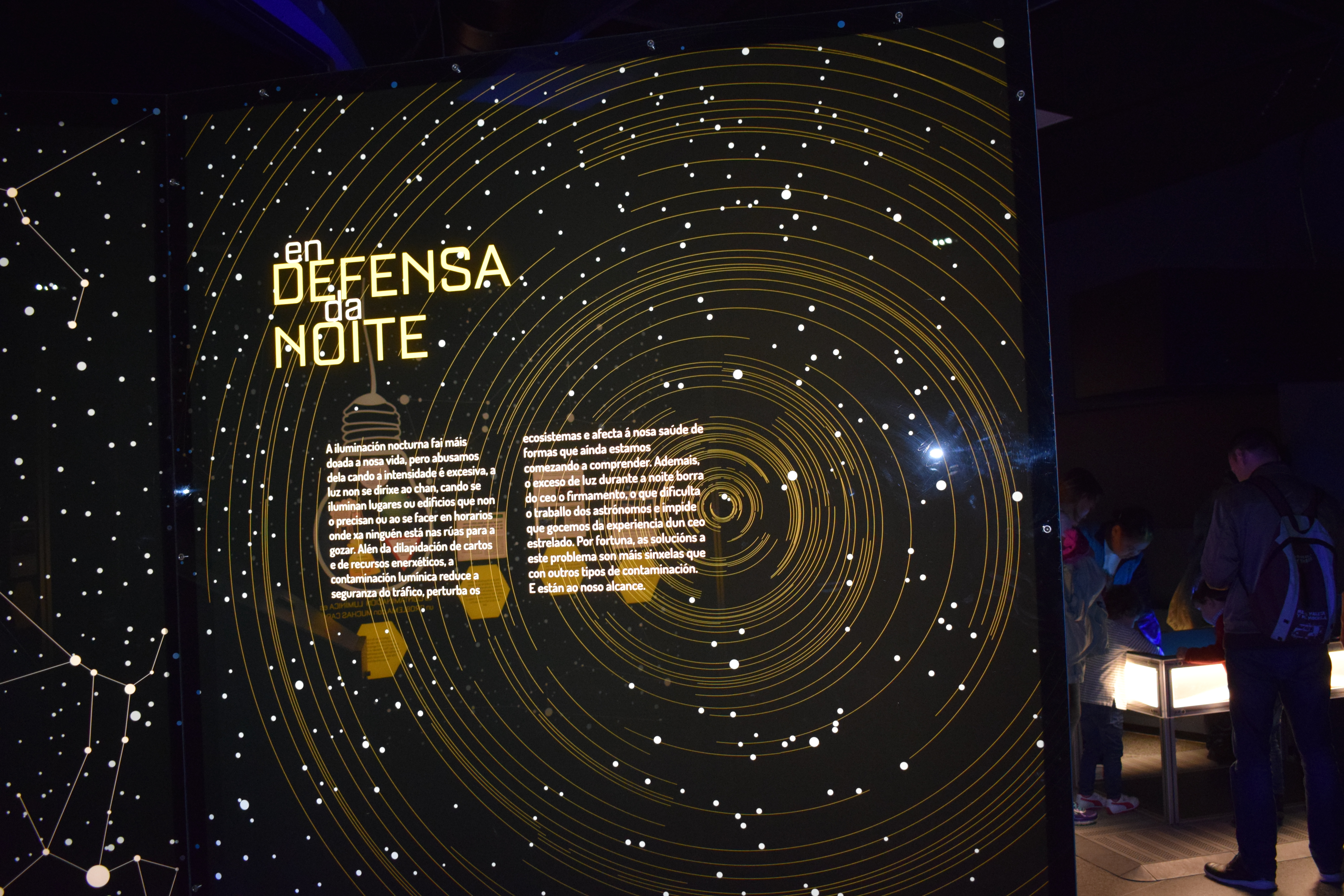
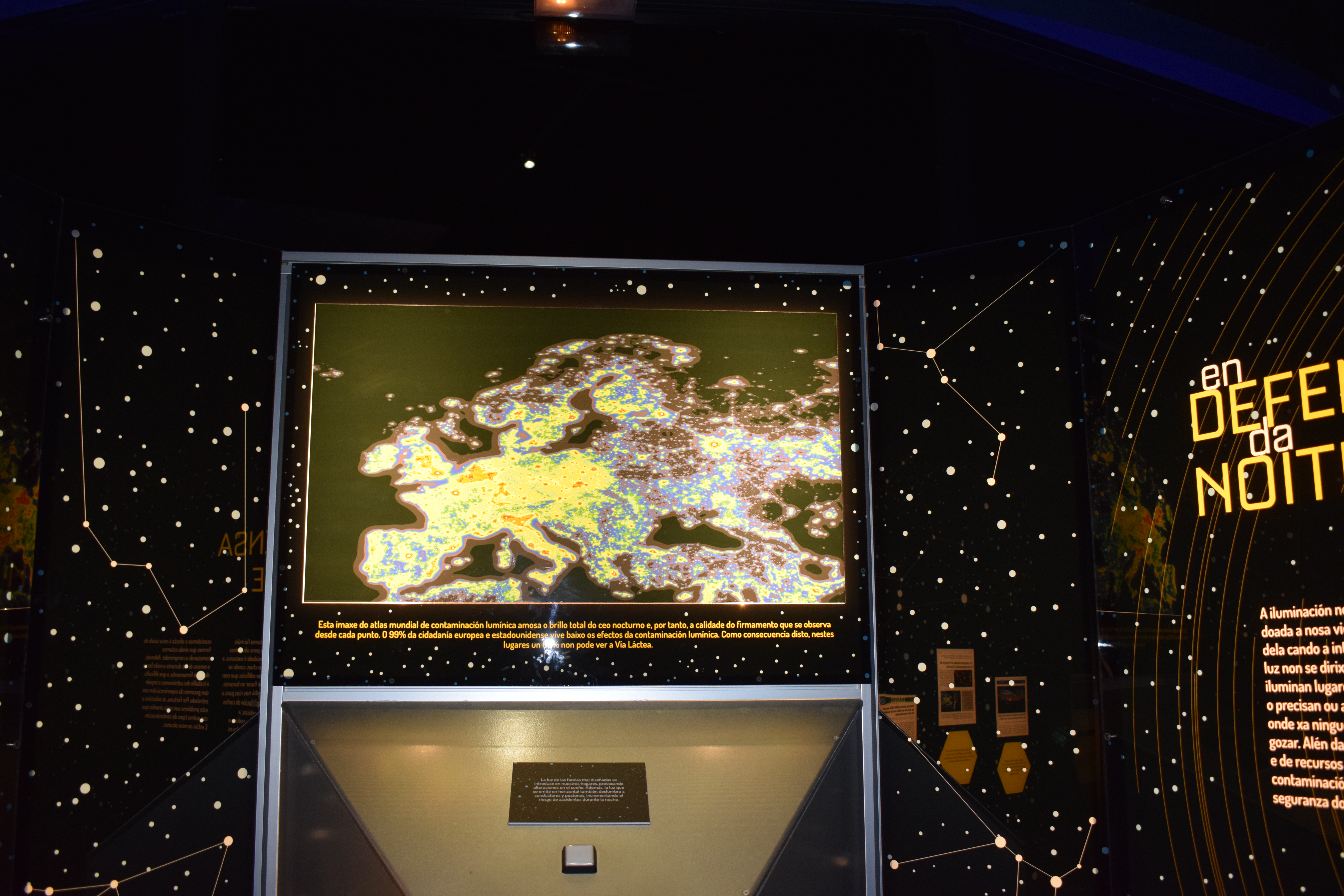
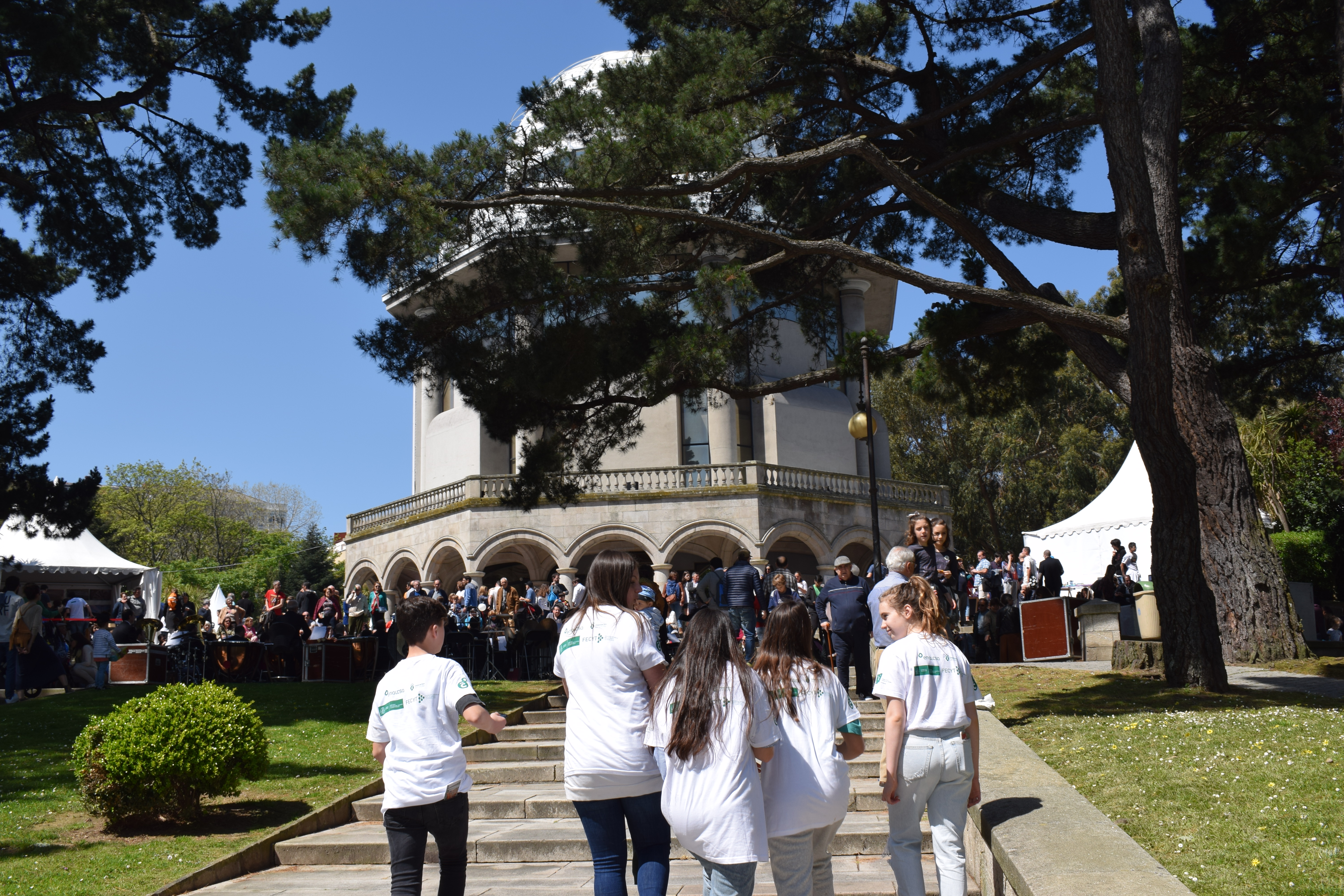
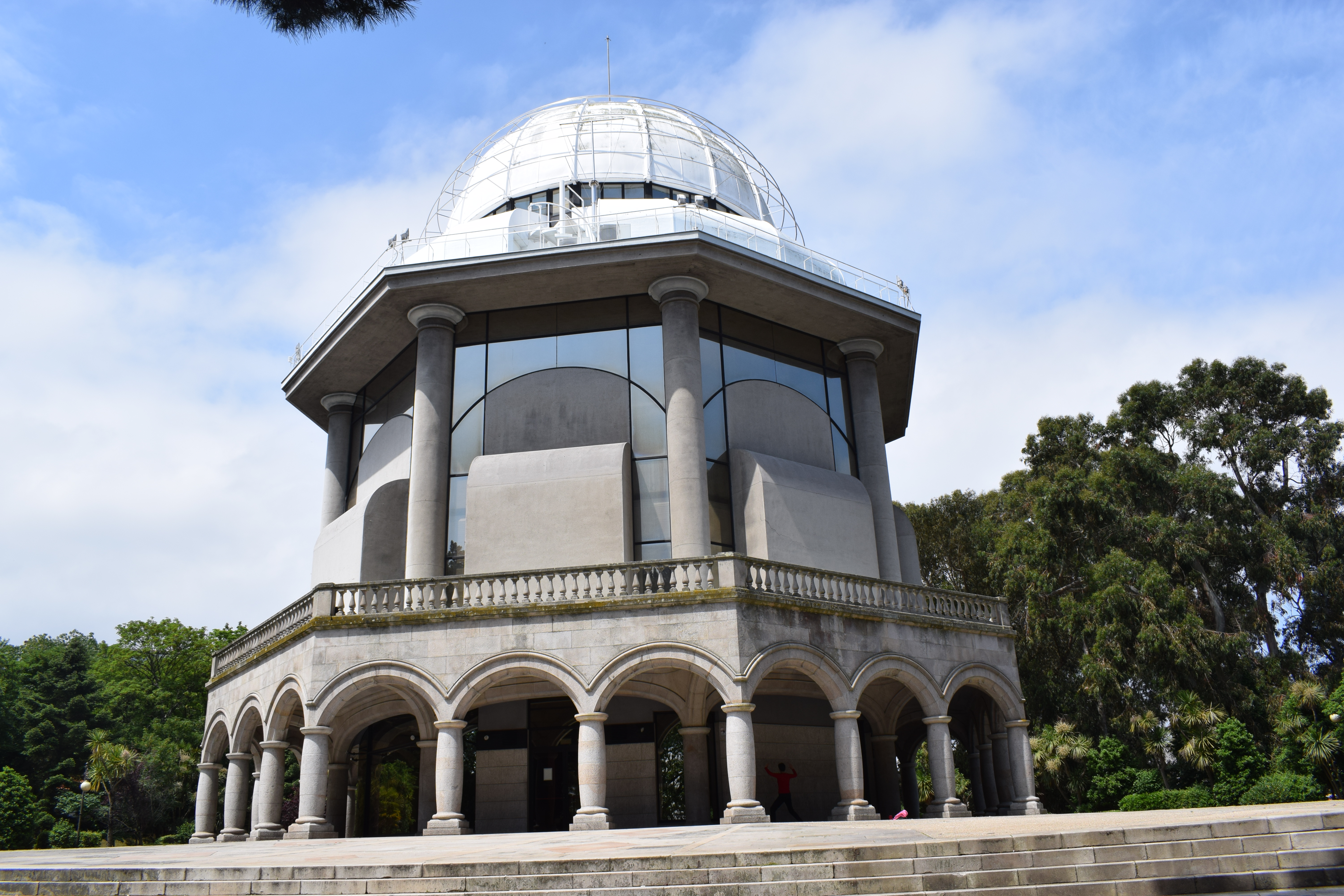
The Museum of the Sciences is located in a small palace in Santa Margarita Park. The building shows an octagonal floor plant and various halls dedicated to interactive exhibitions, while the dome hosts the planetarium. This interactive sciences centre (Spanish first state-owned science centre) moves science closer to the people through a variety of modules, reacting to the action of the visitor satisfying their curiosity and encouraging question posting and solving. 

Parque de Santa Margarita s/n 15005 A Coruña (A Coruña)

Concello, Comarca ou Provincia

Museo Provincial de Lugo

    27003 Lugo
    Tlf. 982242112 Fax 982240240
    info@museolugo.org

English

Praza da Soidade, s/n 27001 Lugo (Lugo)

Galipedia

Museo Provincial de Lugo

Museo Provincial de Lugo | Museos de Galicia

Provincial Museum of Lugo


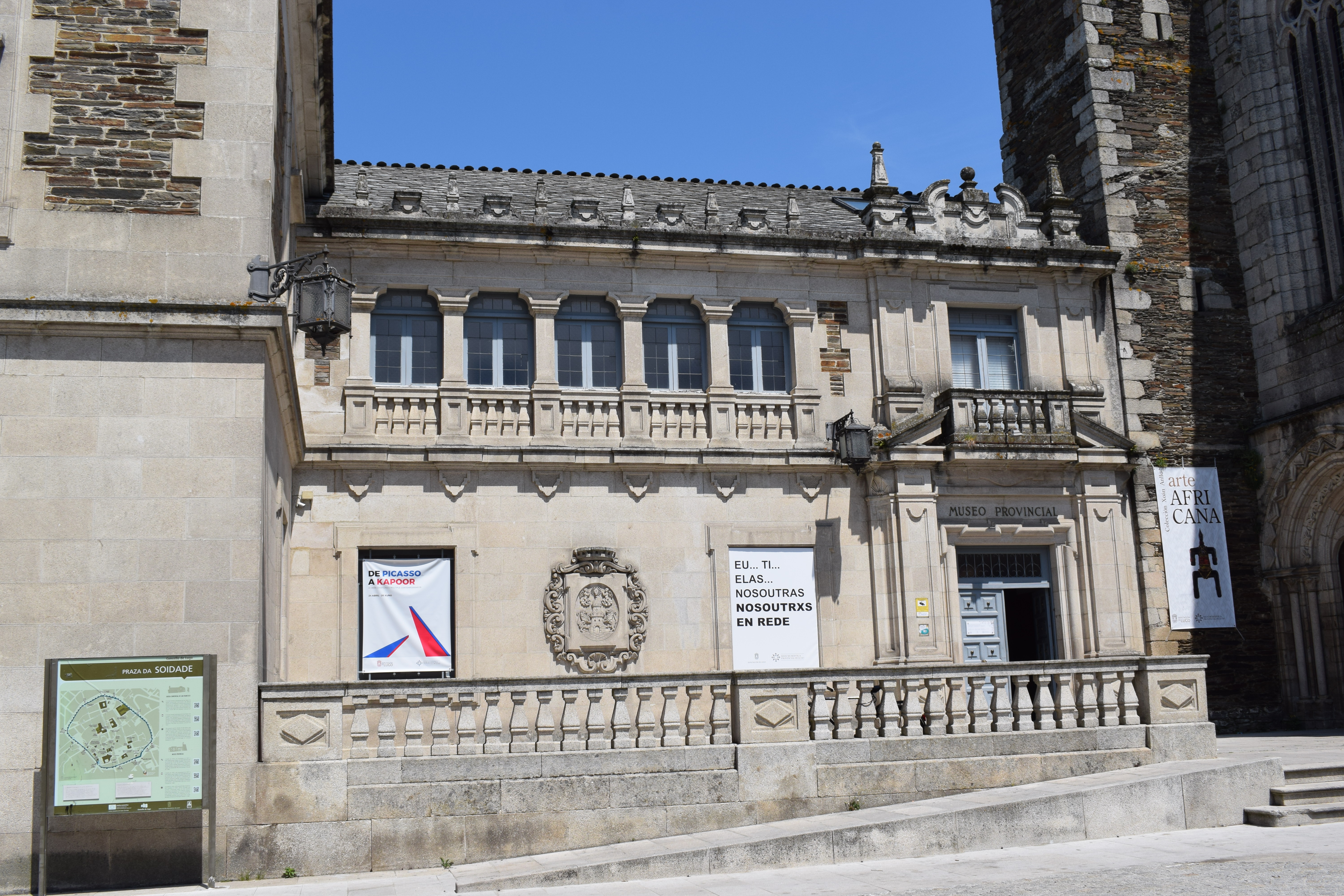
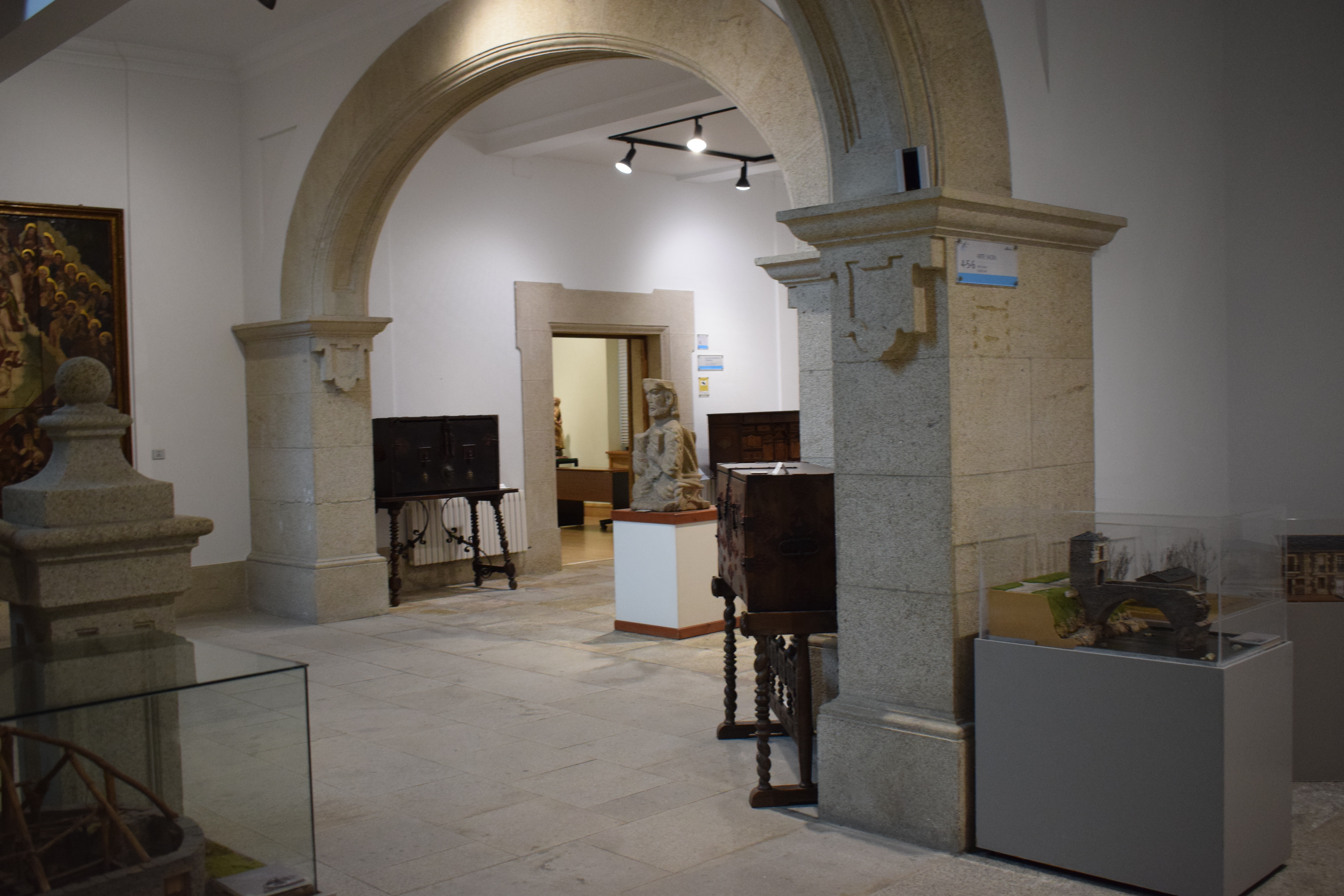
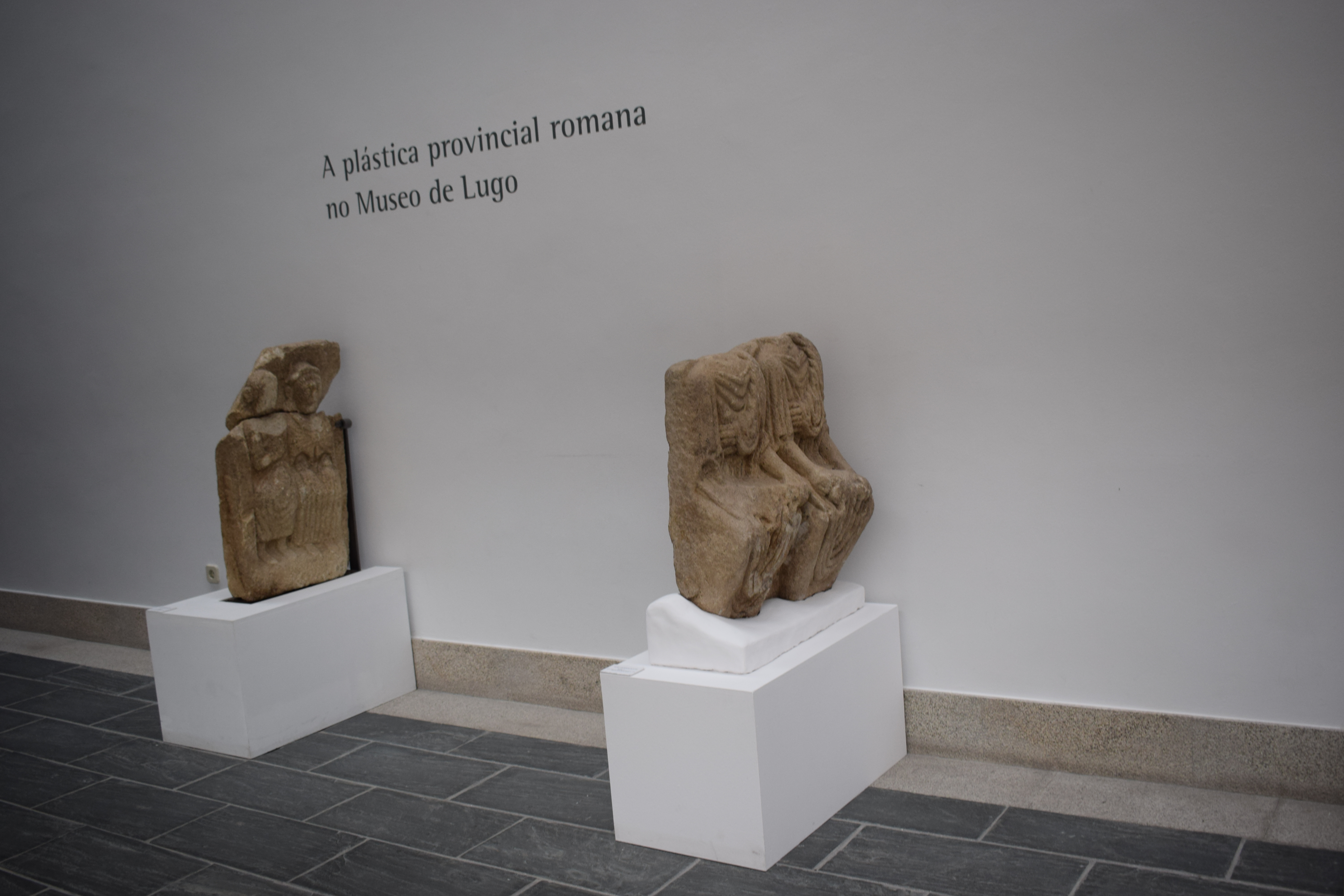
In 1932 the Provincial Council of Lugo created the museum in order to collect and protect the patrimony of the province, which were spread in individual collections and public institutions. At first, the museum would be located in the Palacio Provincial de San Marcos. In 1957 the museum is moved to the present location, the rooms of the old San Francisco convents and a new building designed by the architect Manuel Gómez Román. From this moment on, the museum enjoyed several extensions.

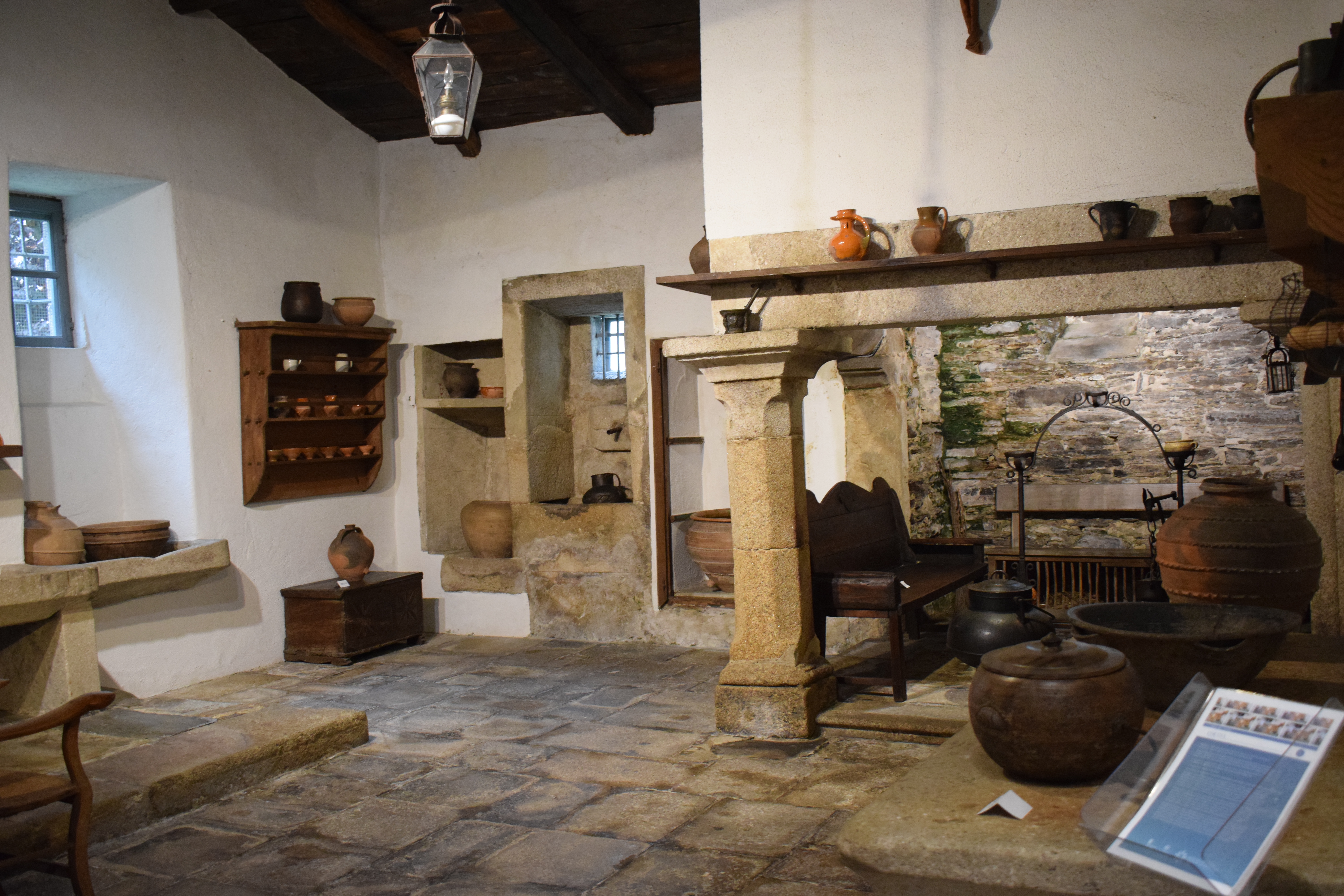
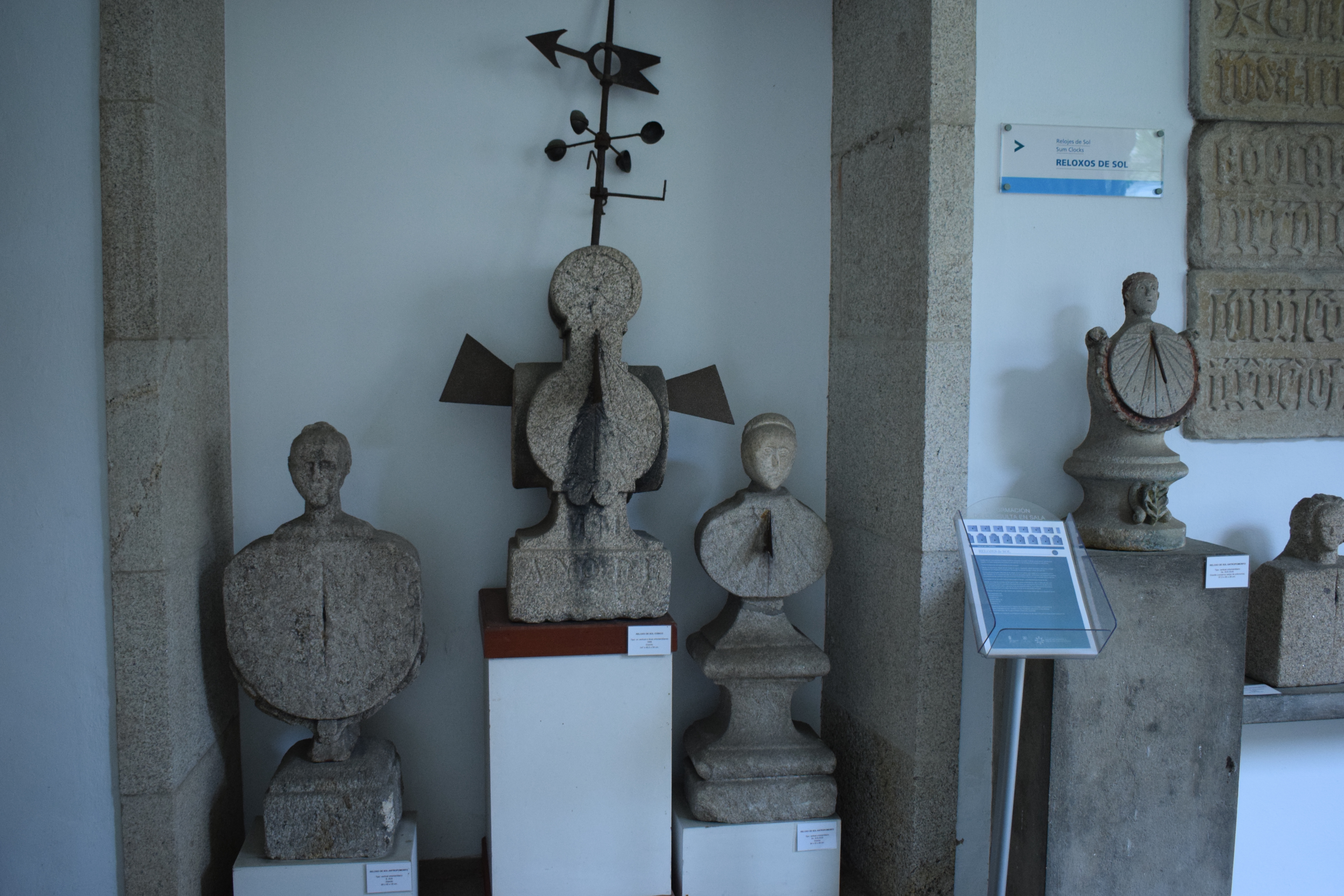
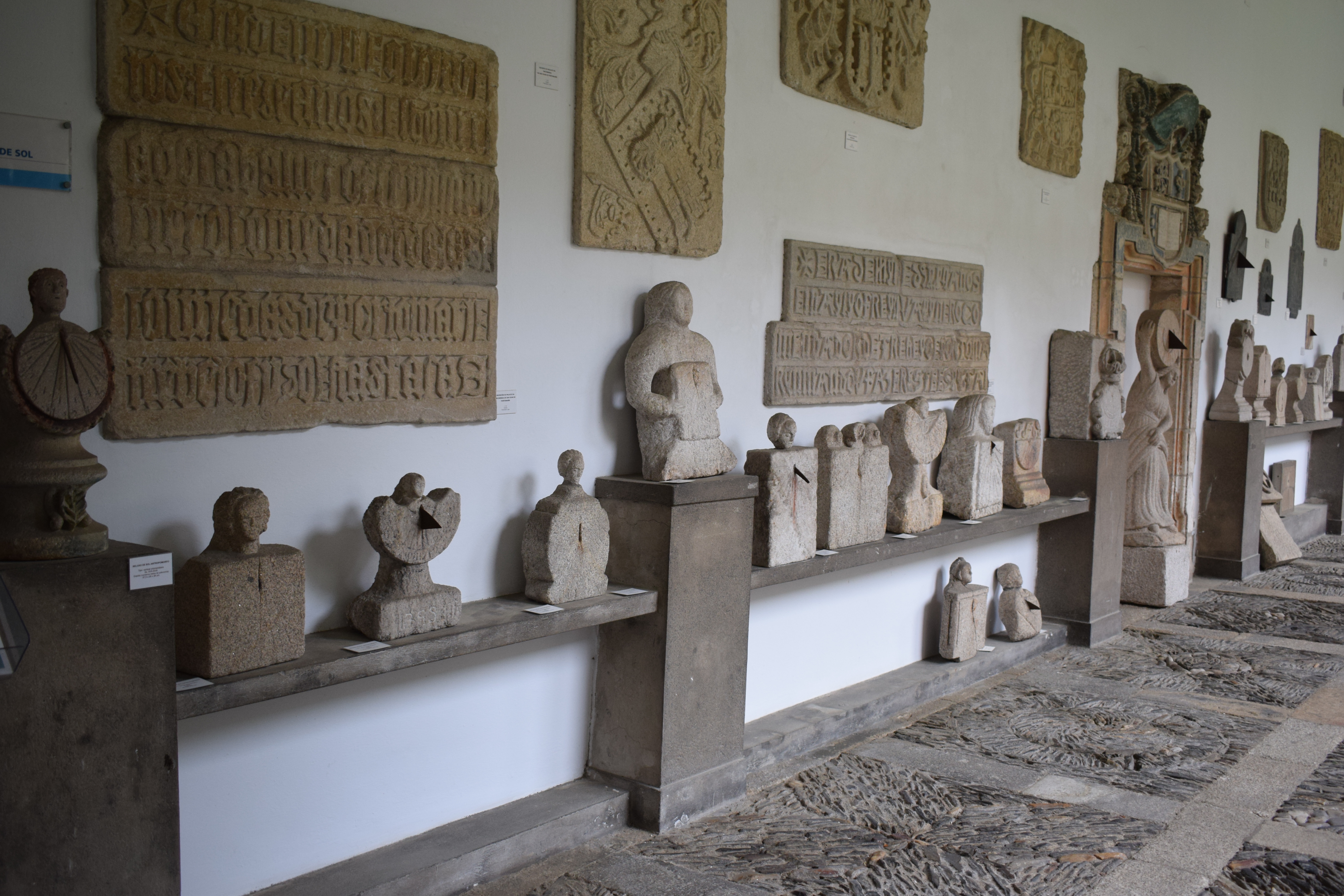
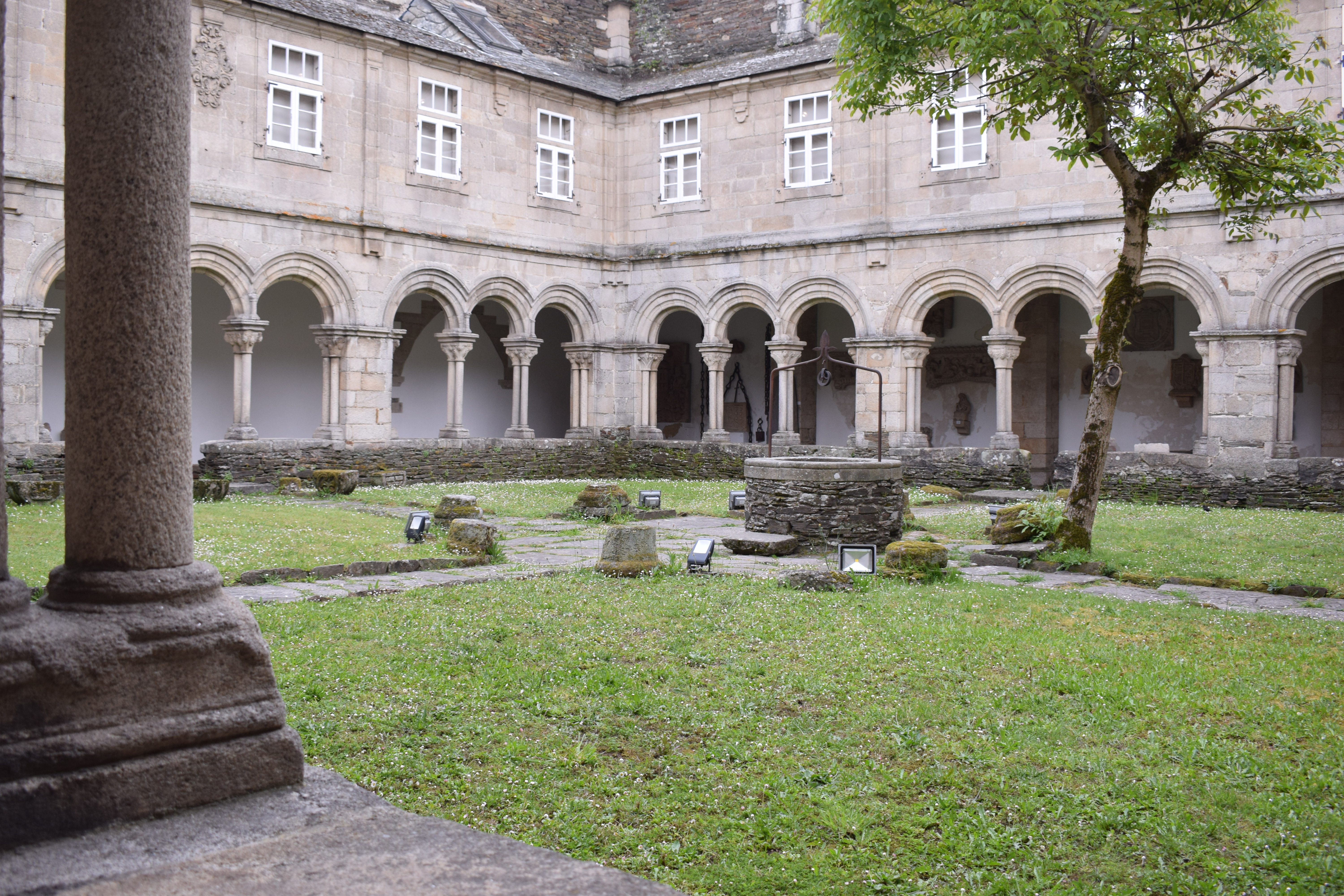
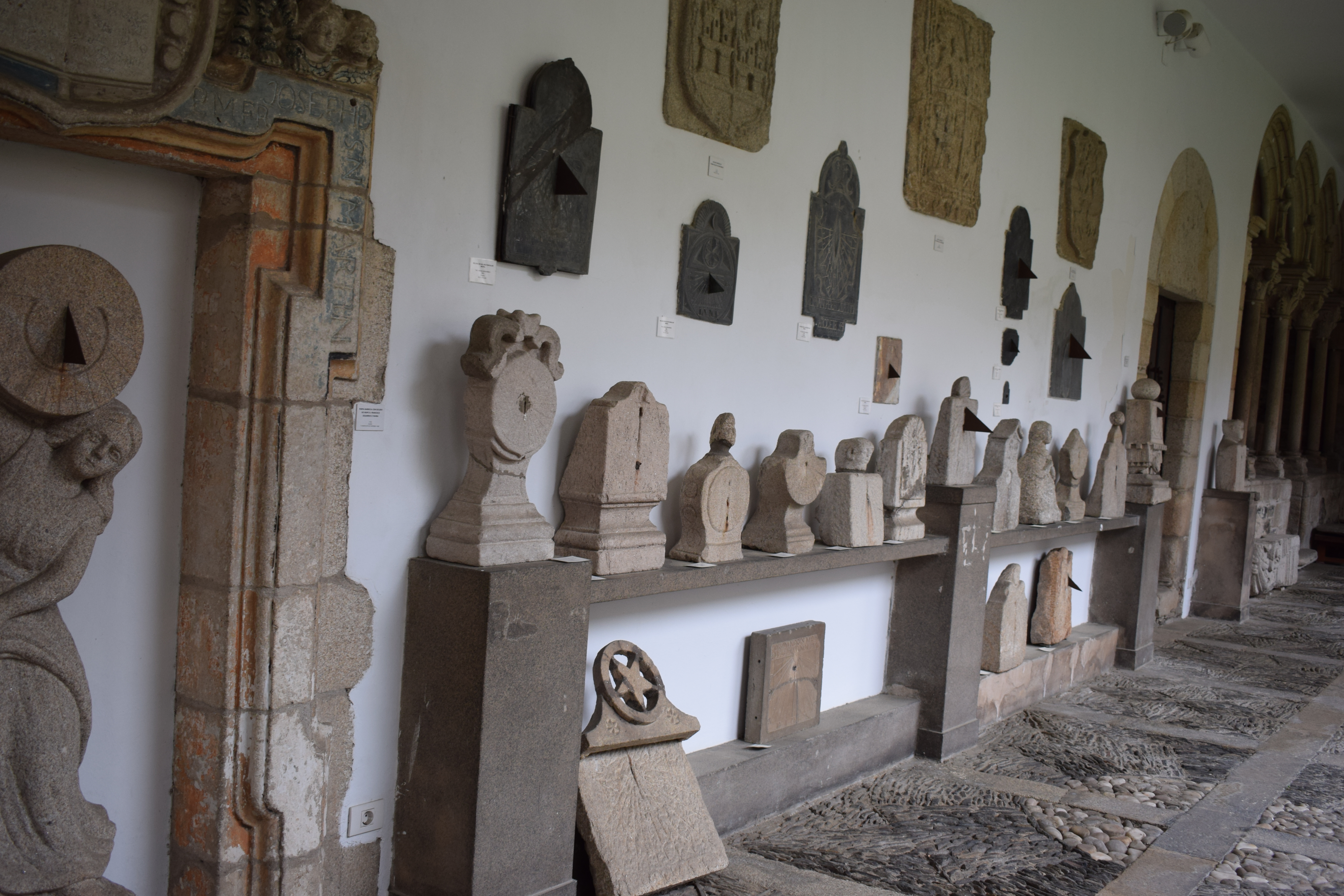
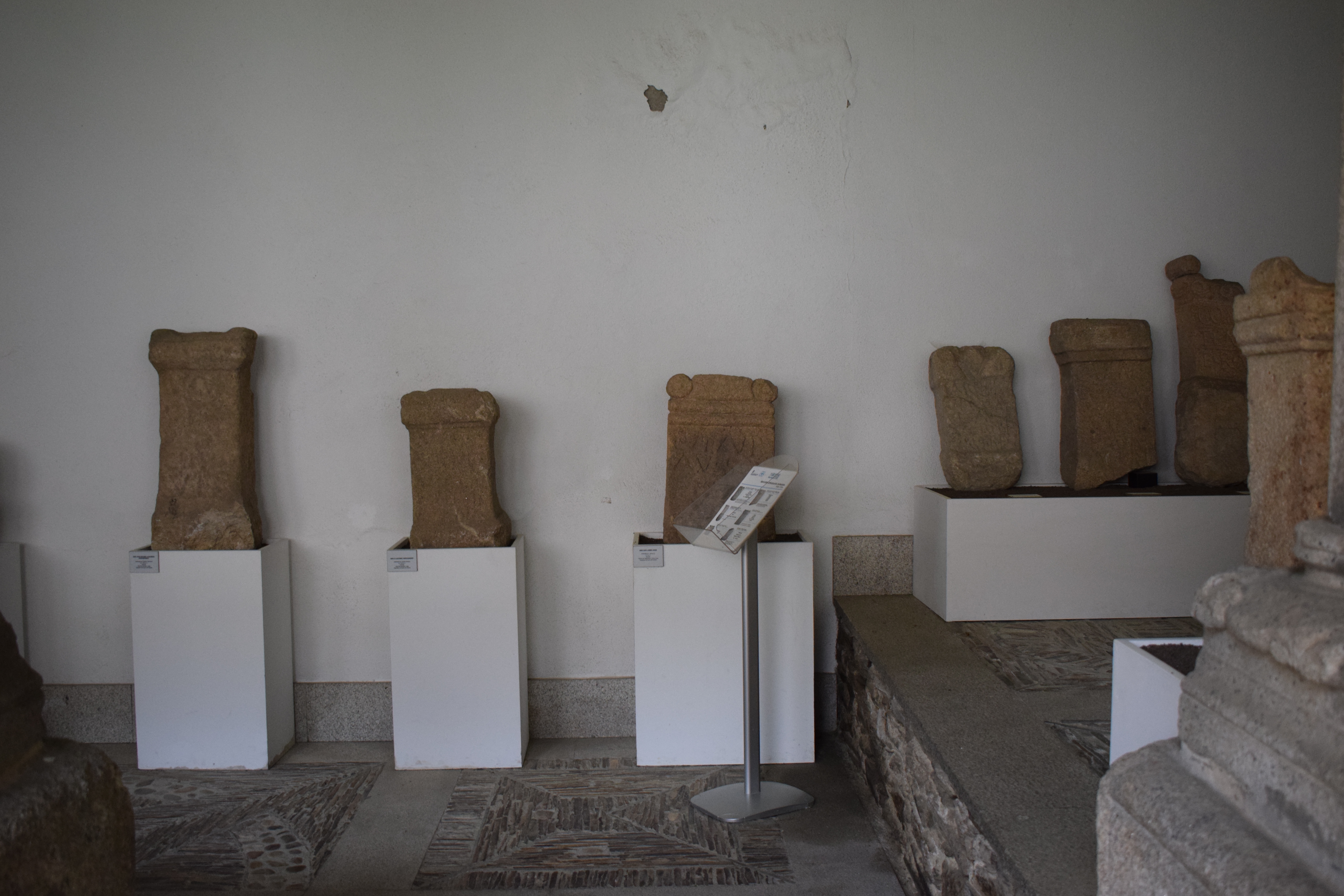
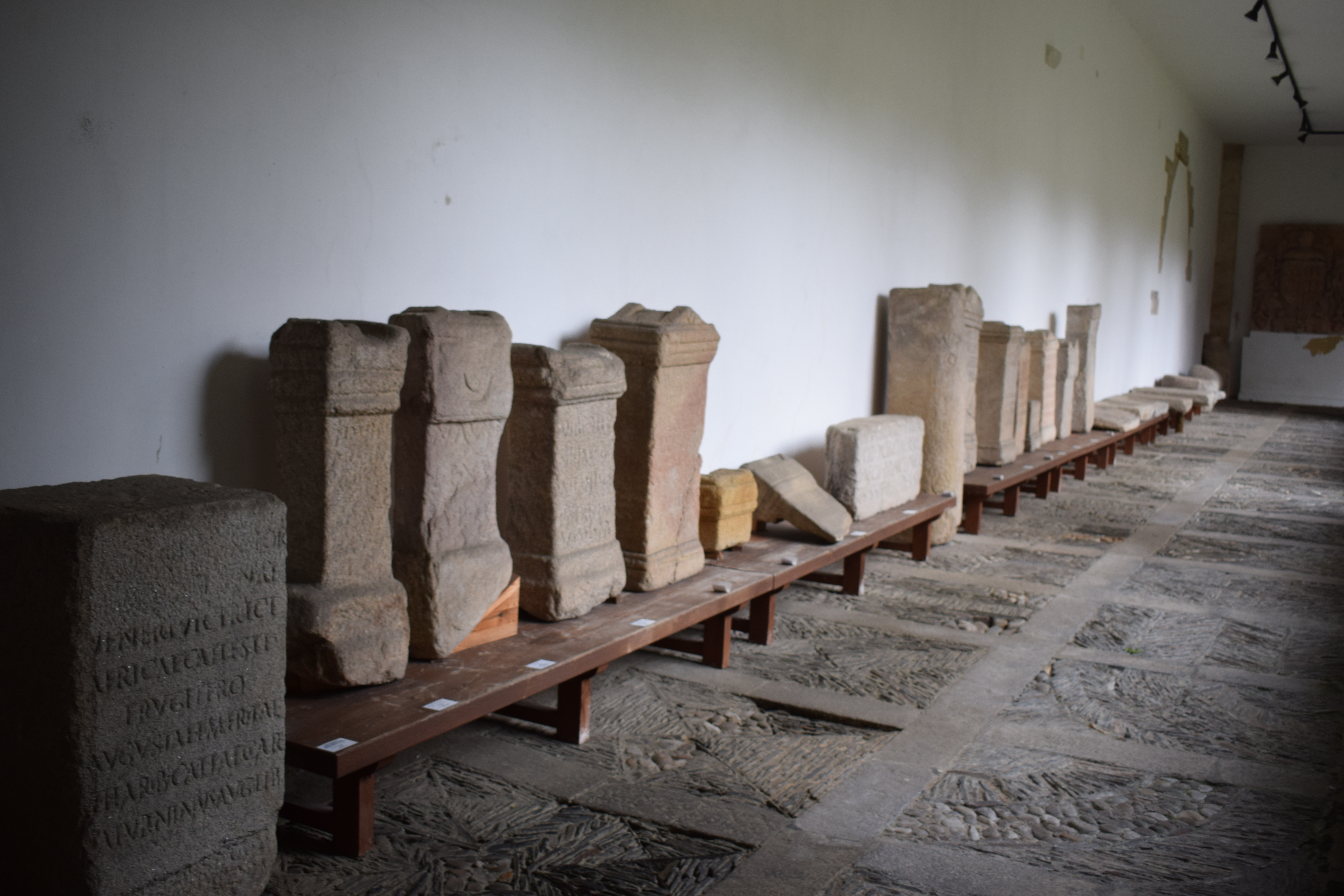
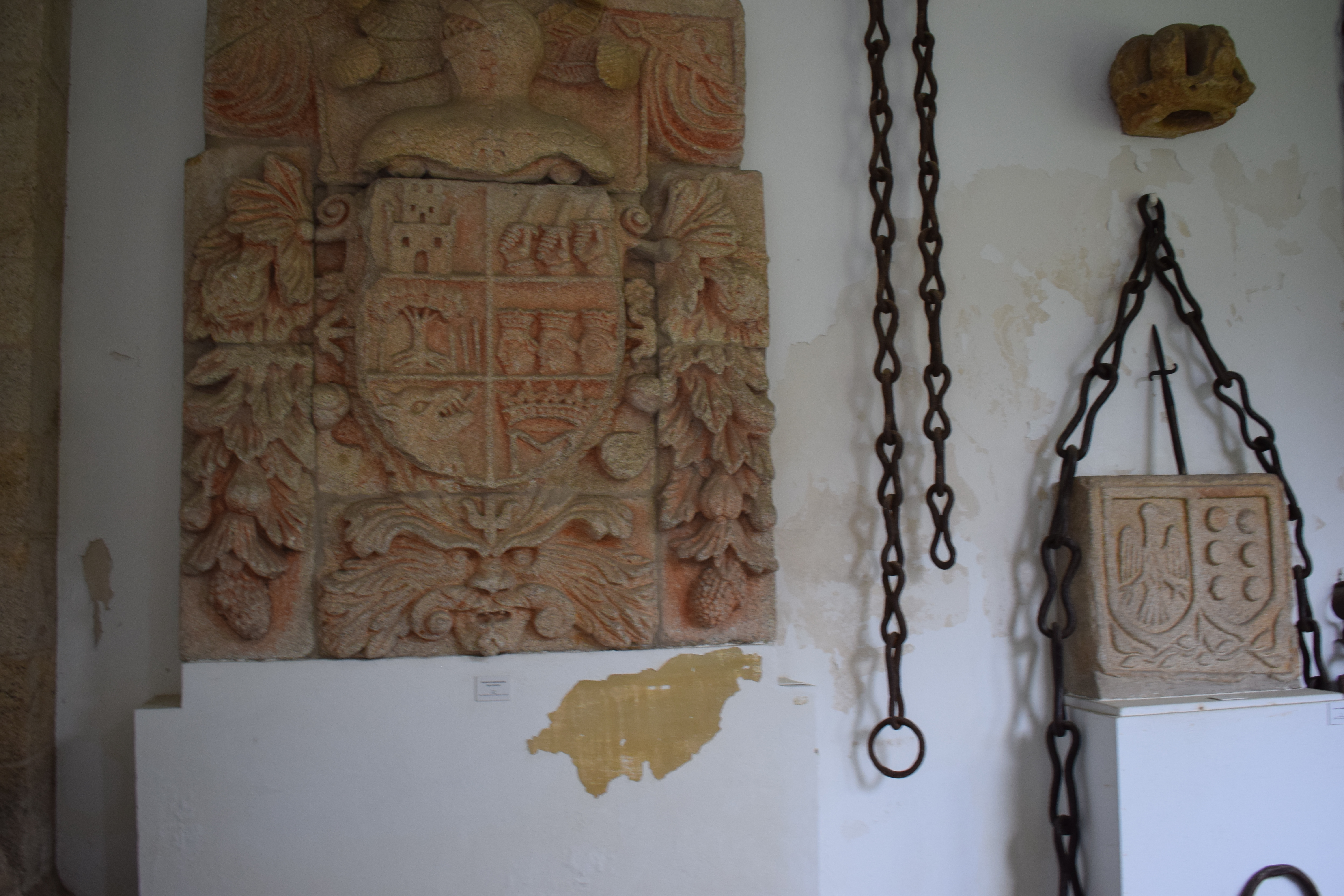
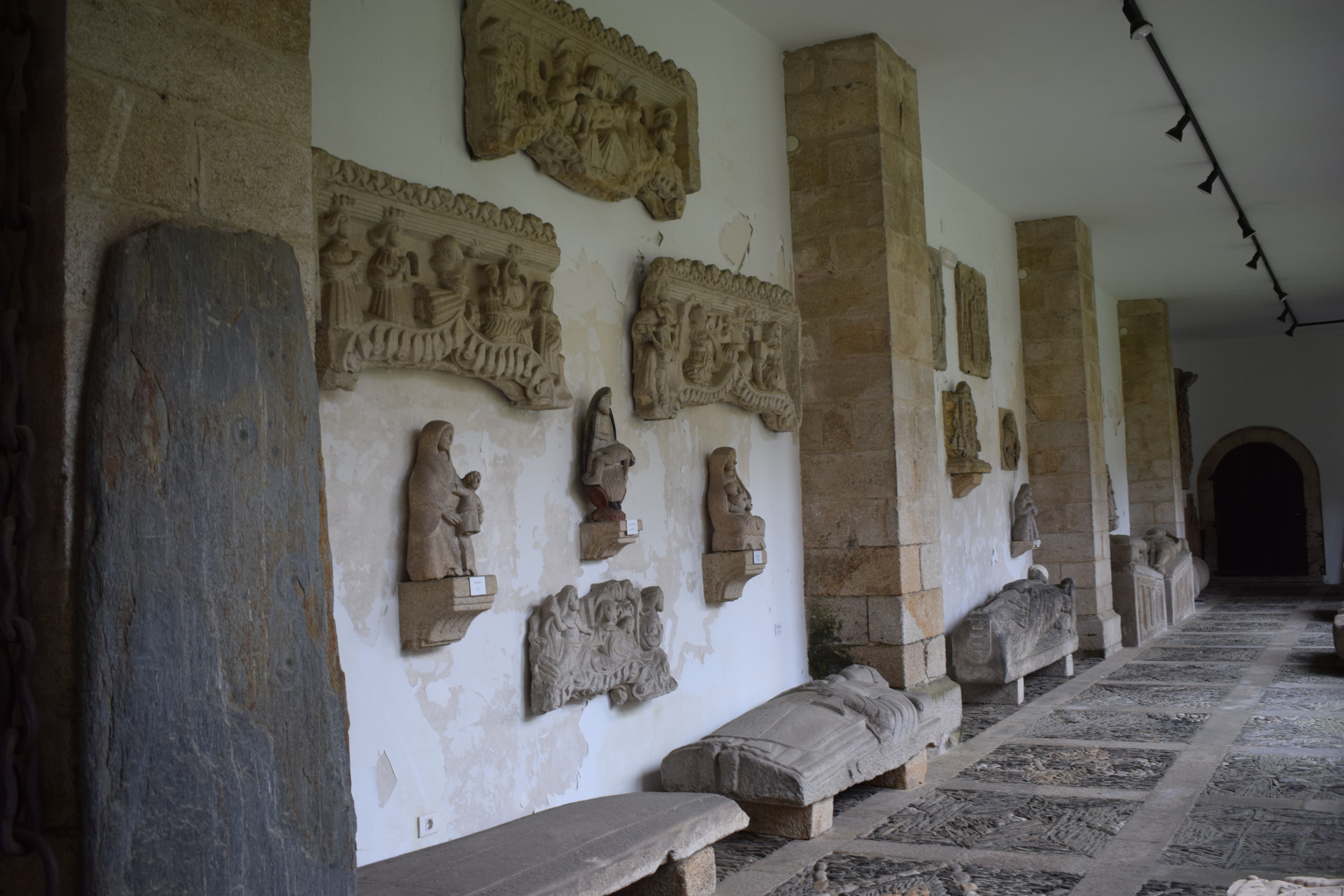
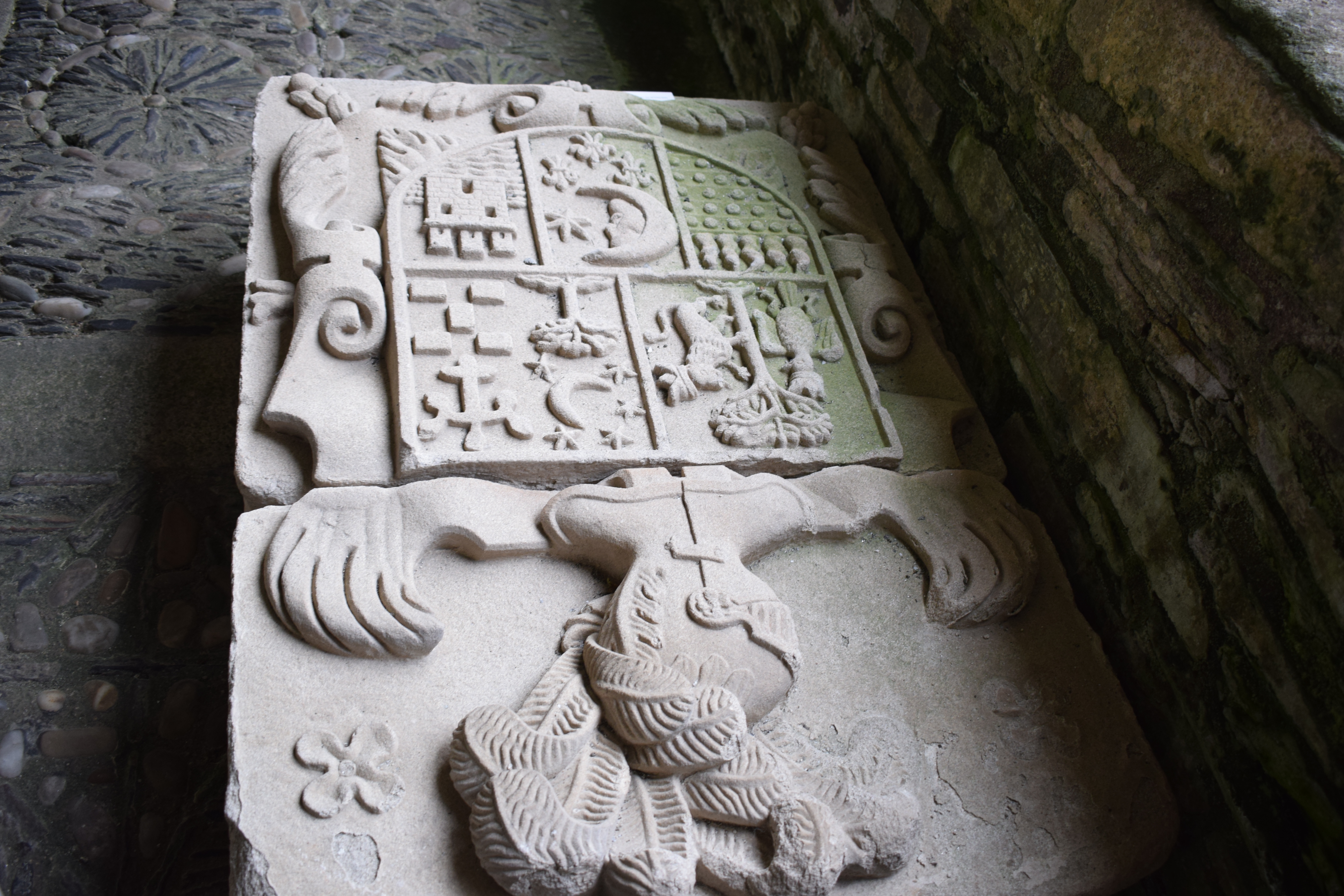
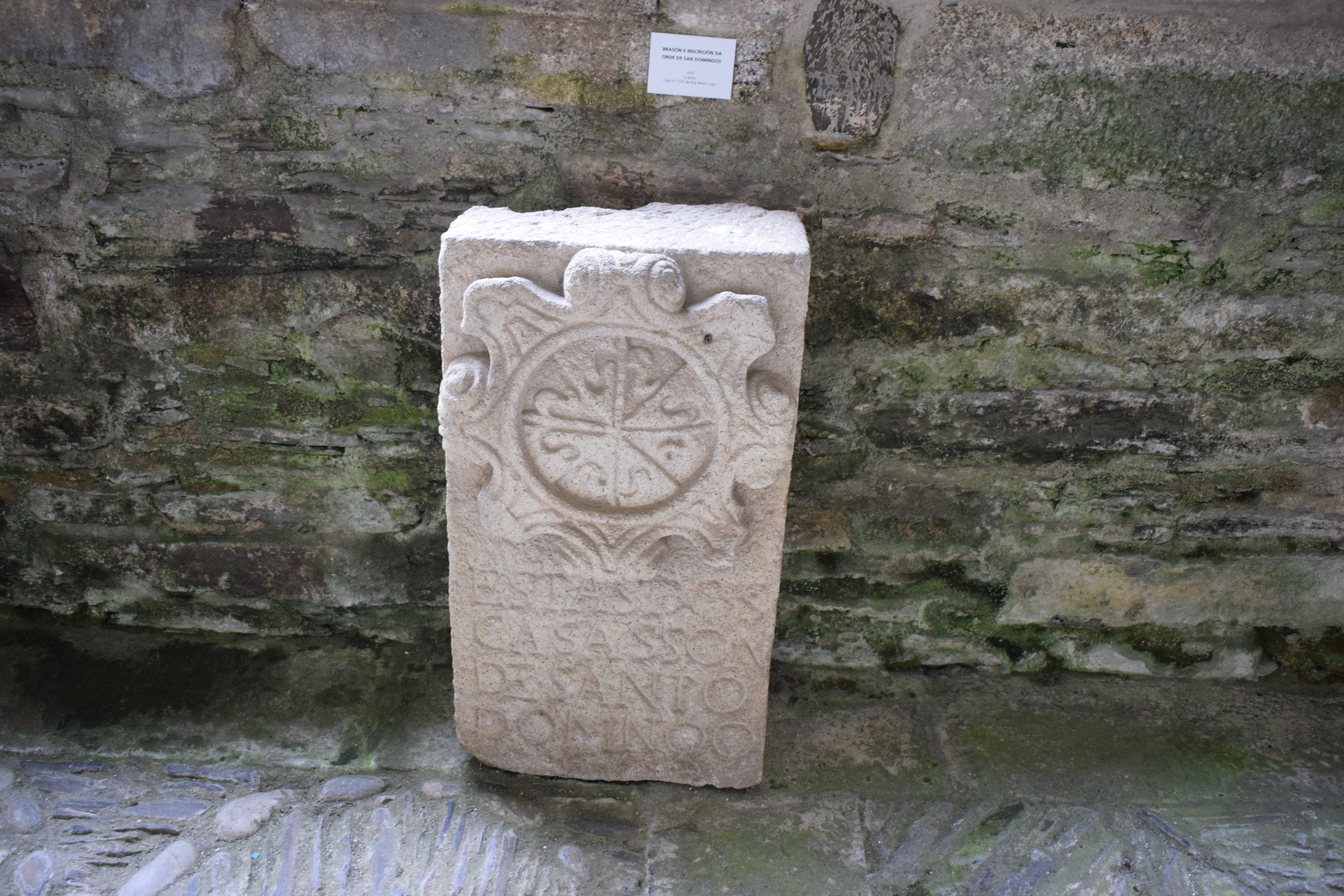
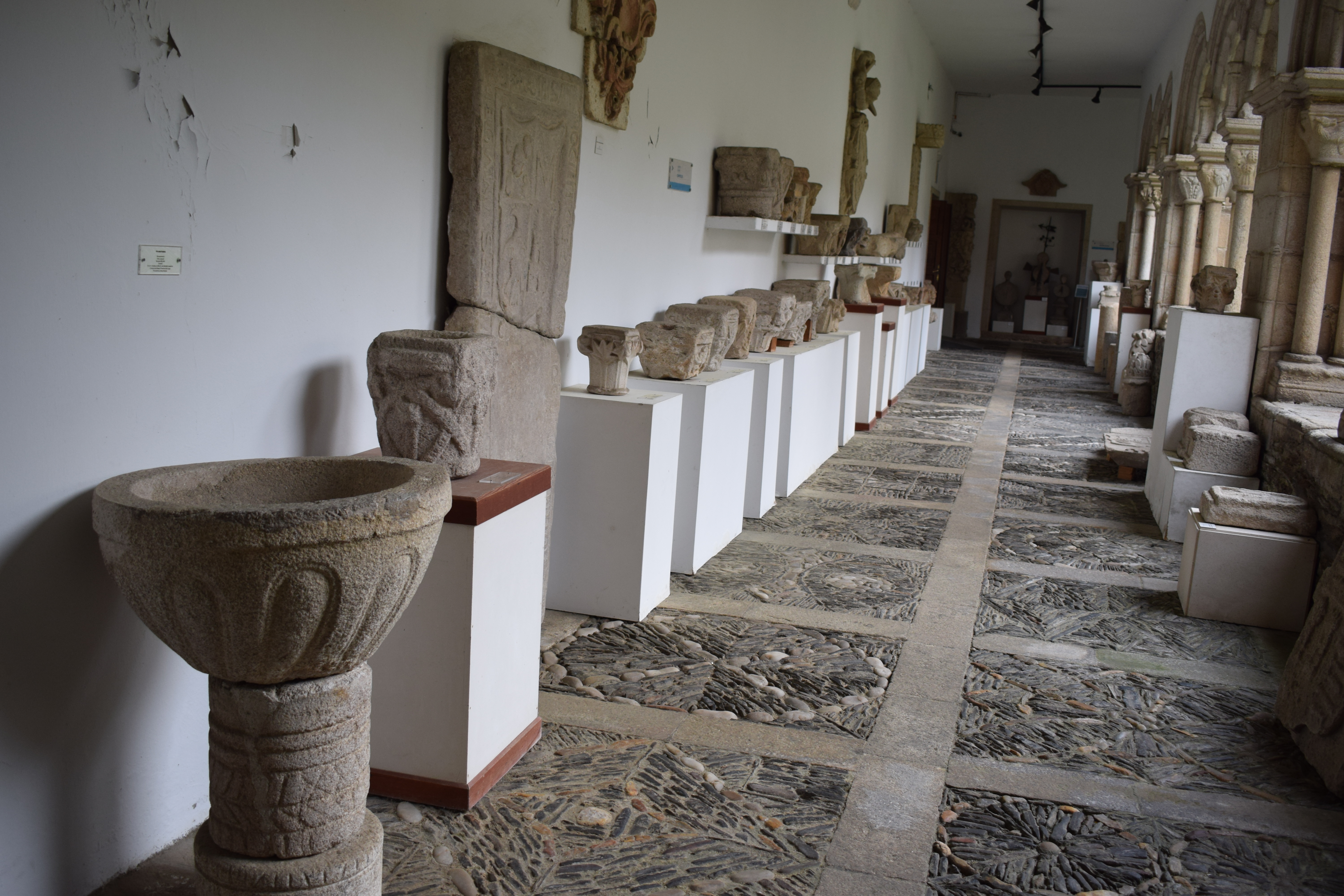
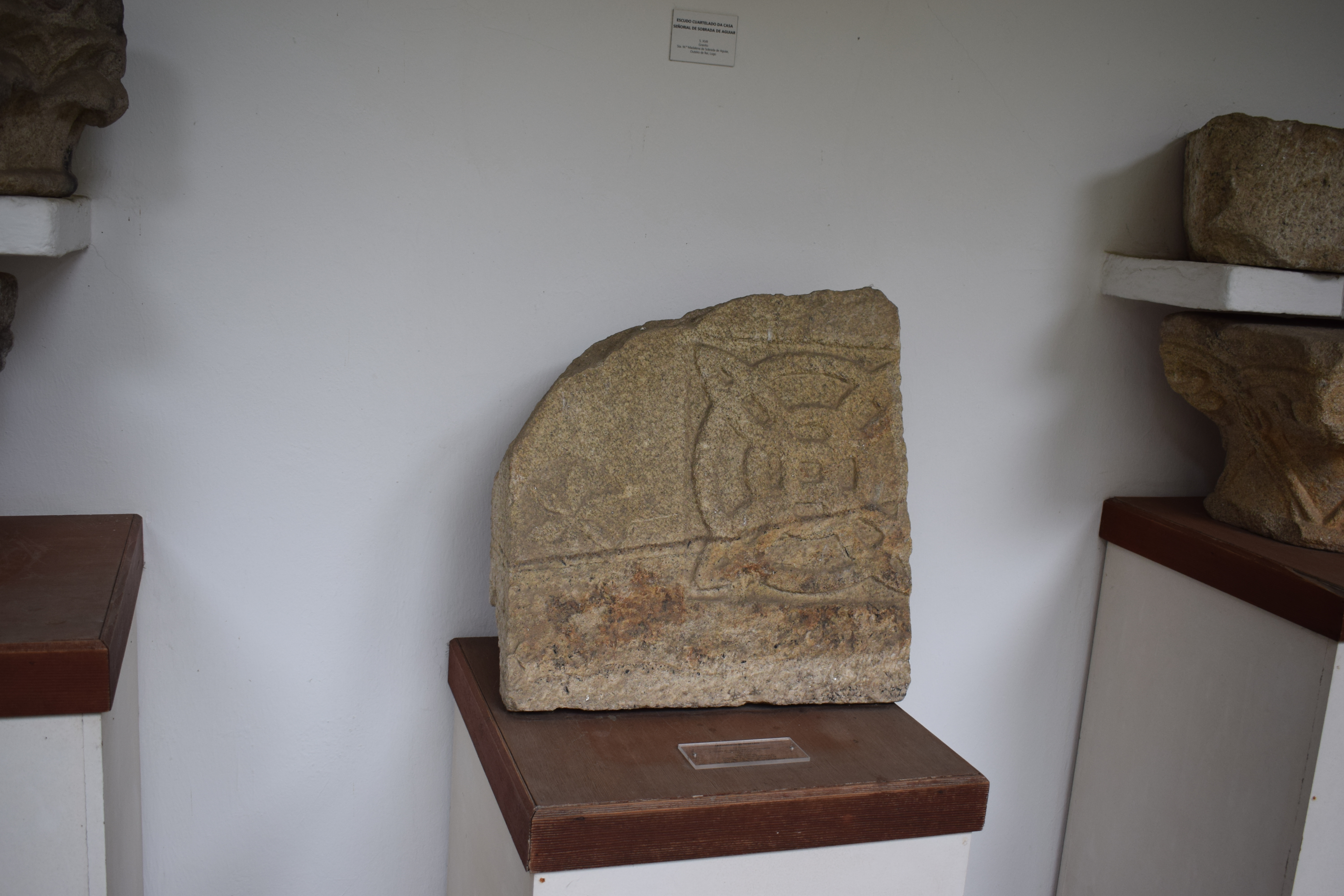
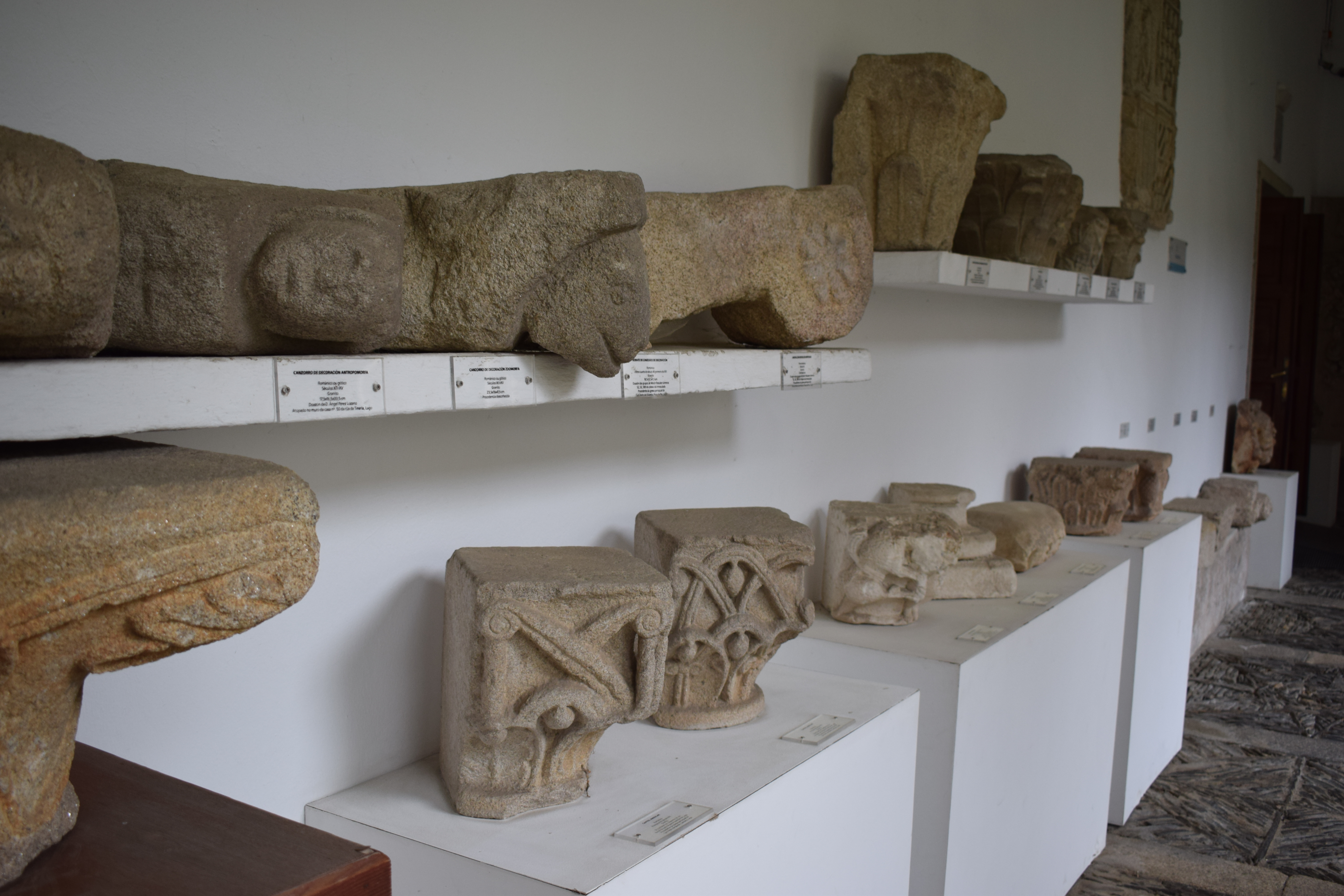
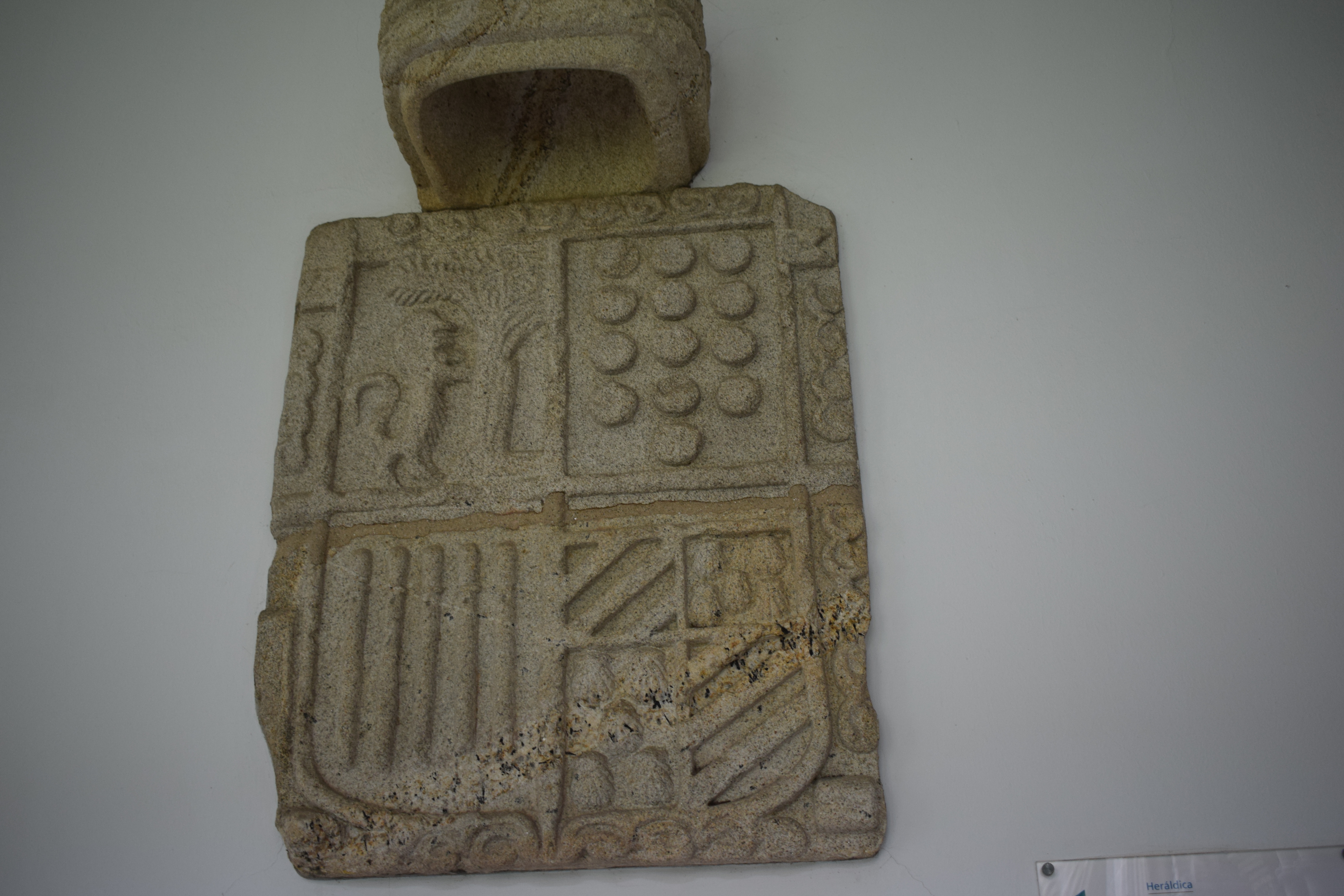
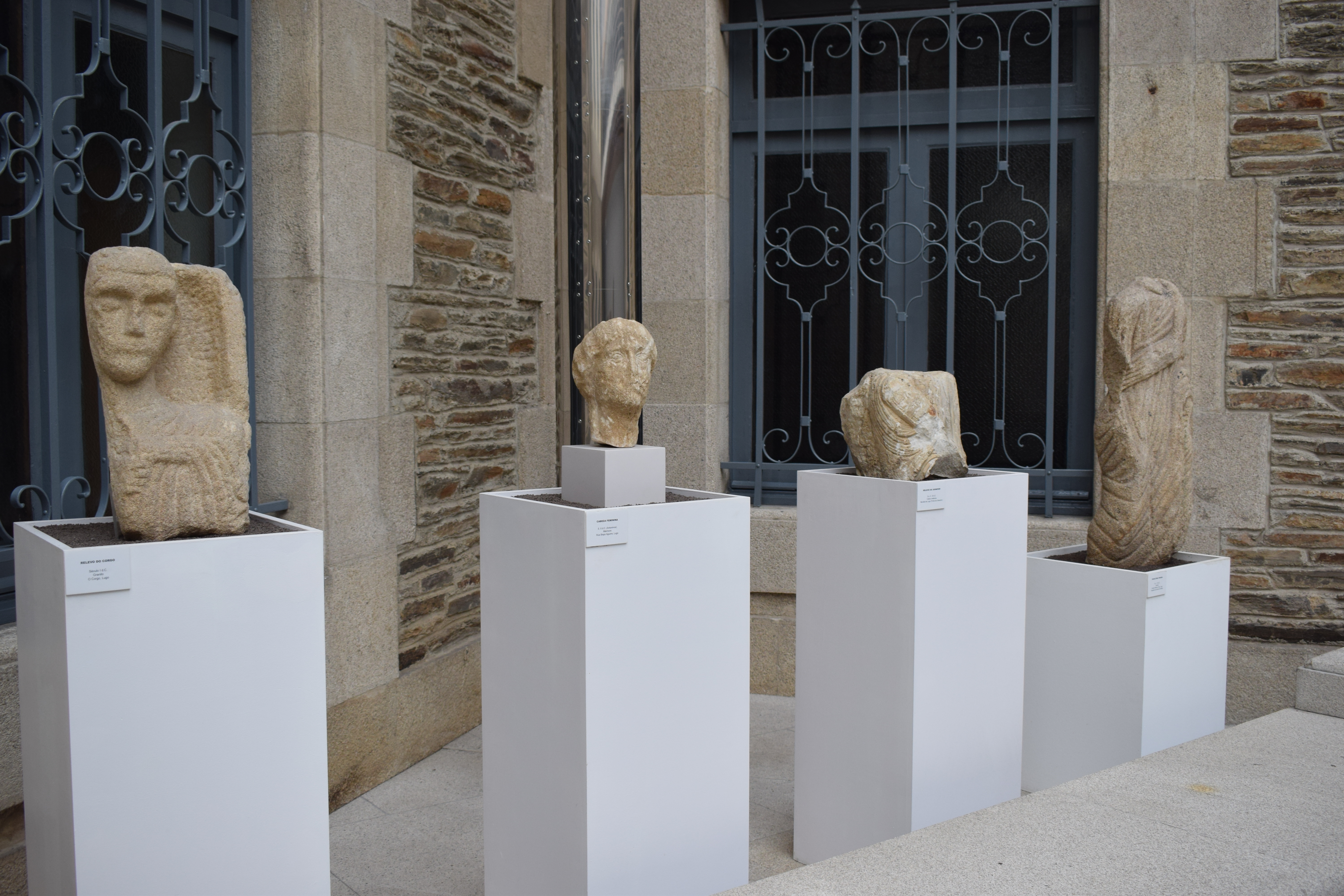
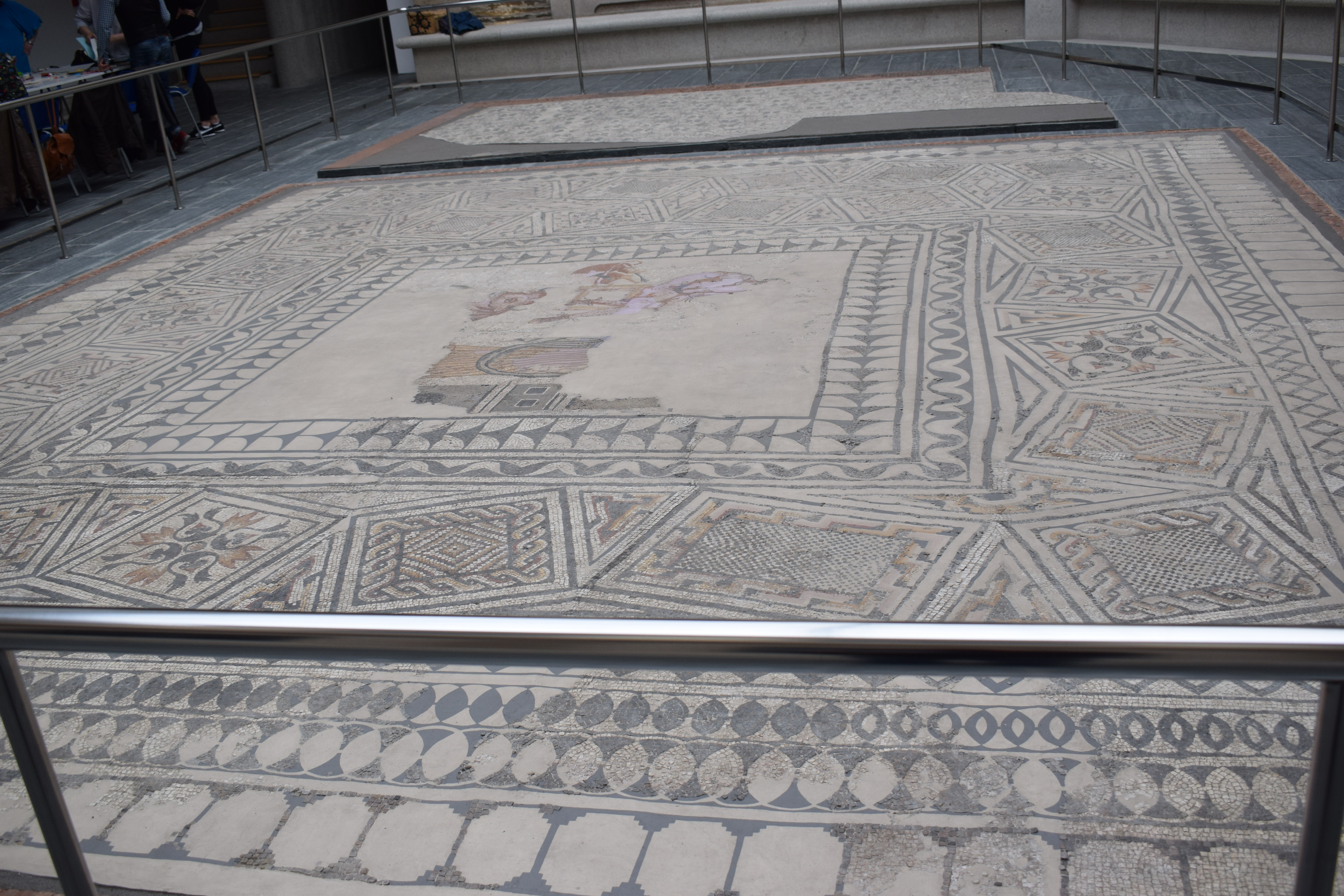
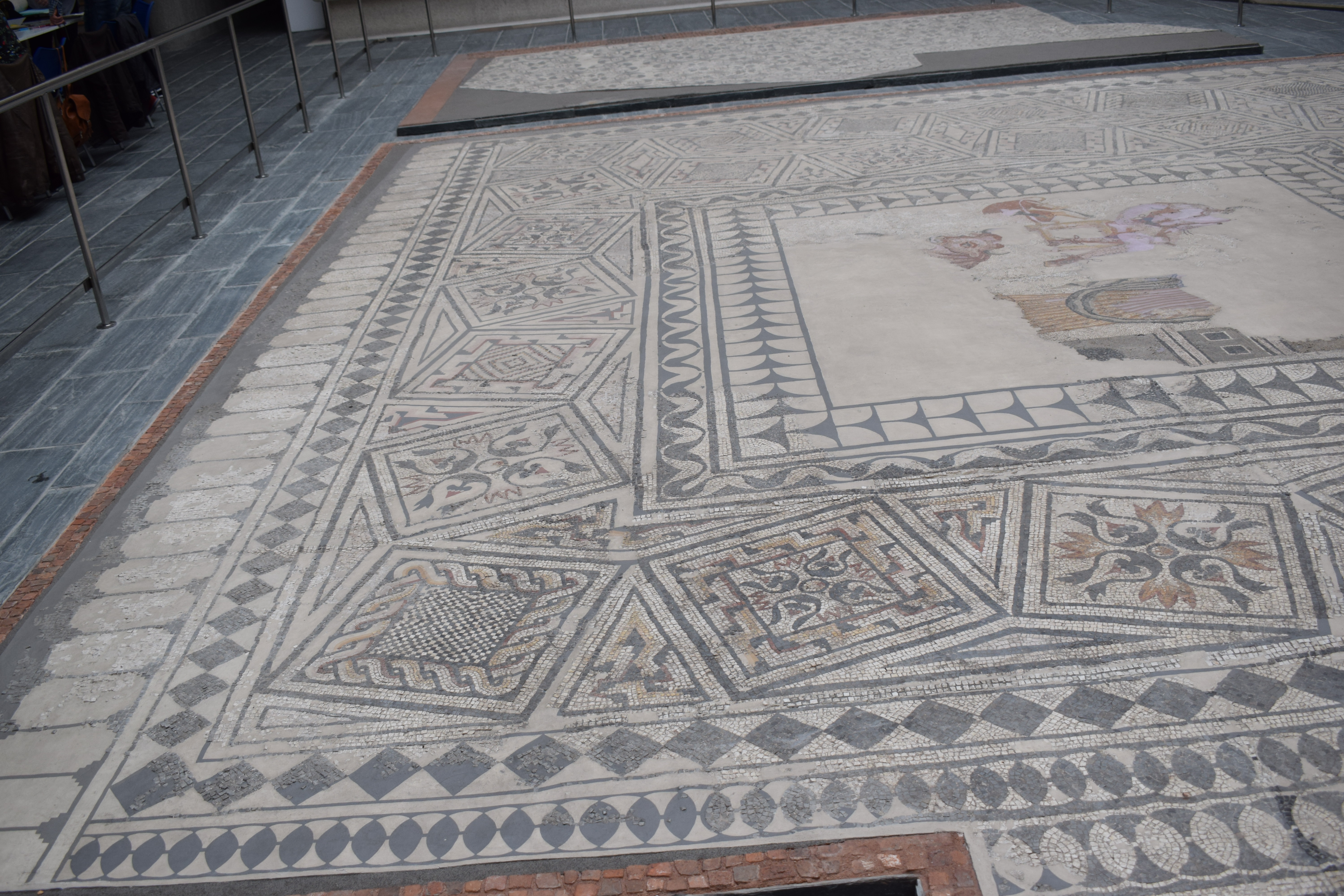
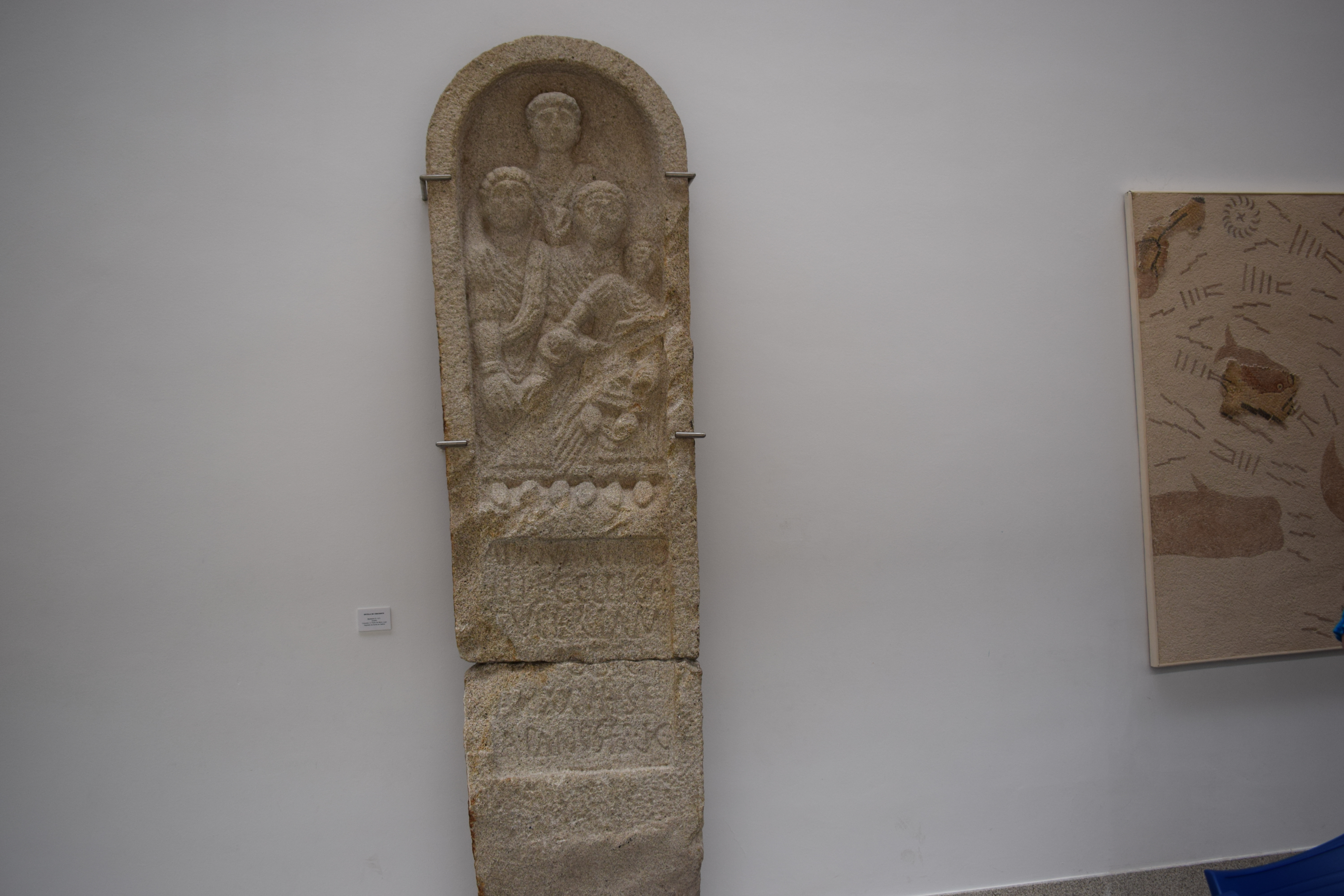
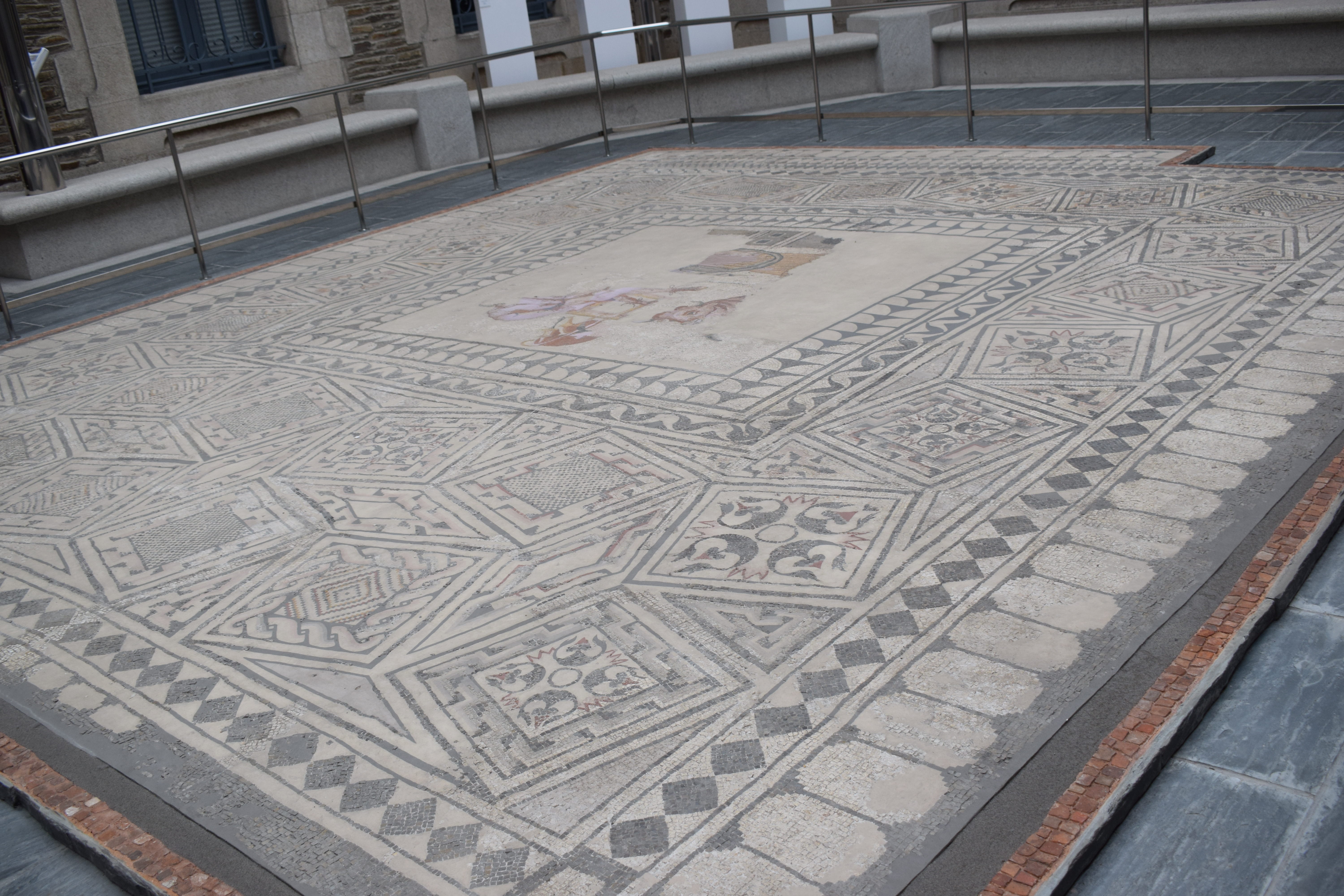
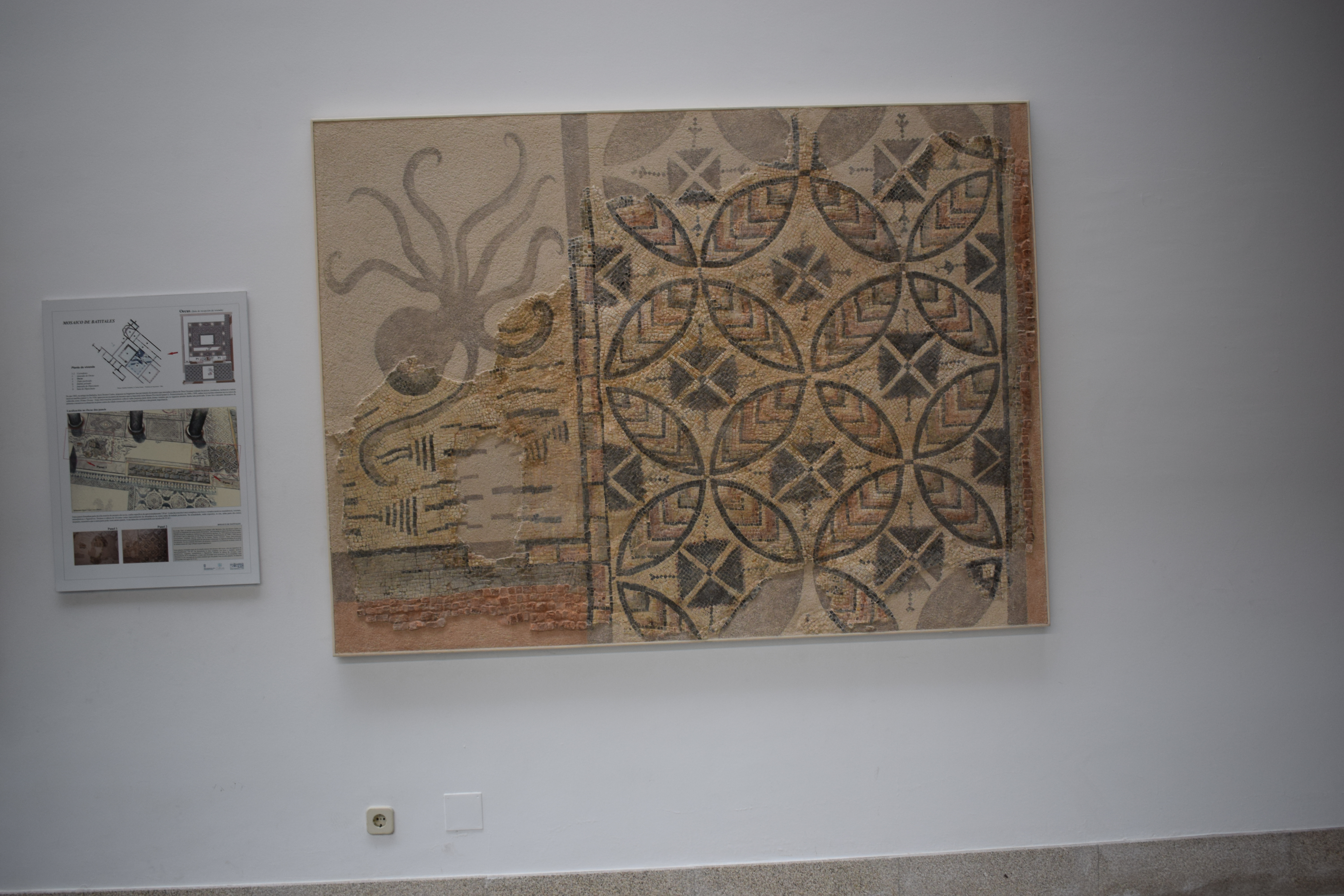
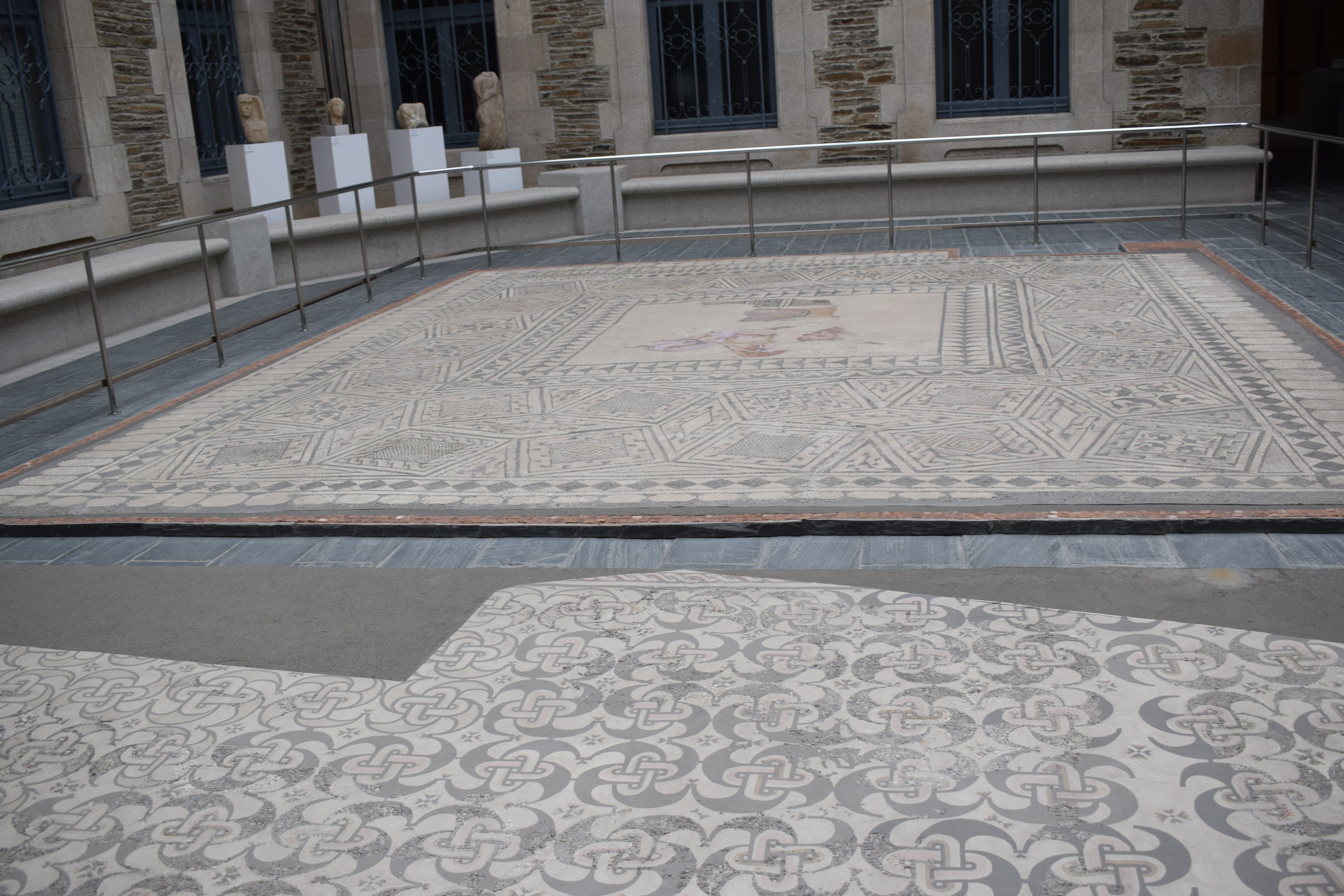
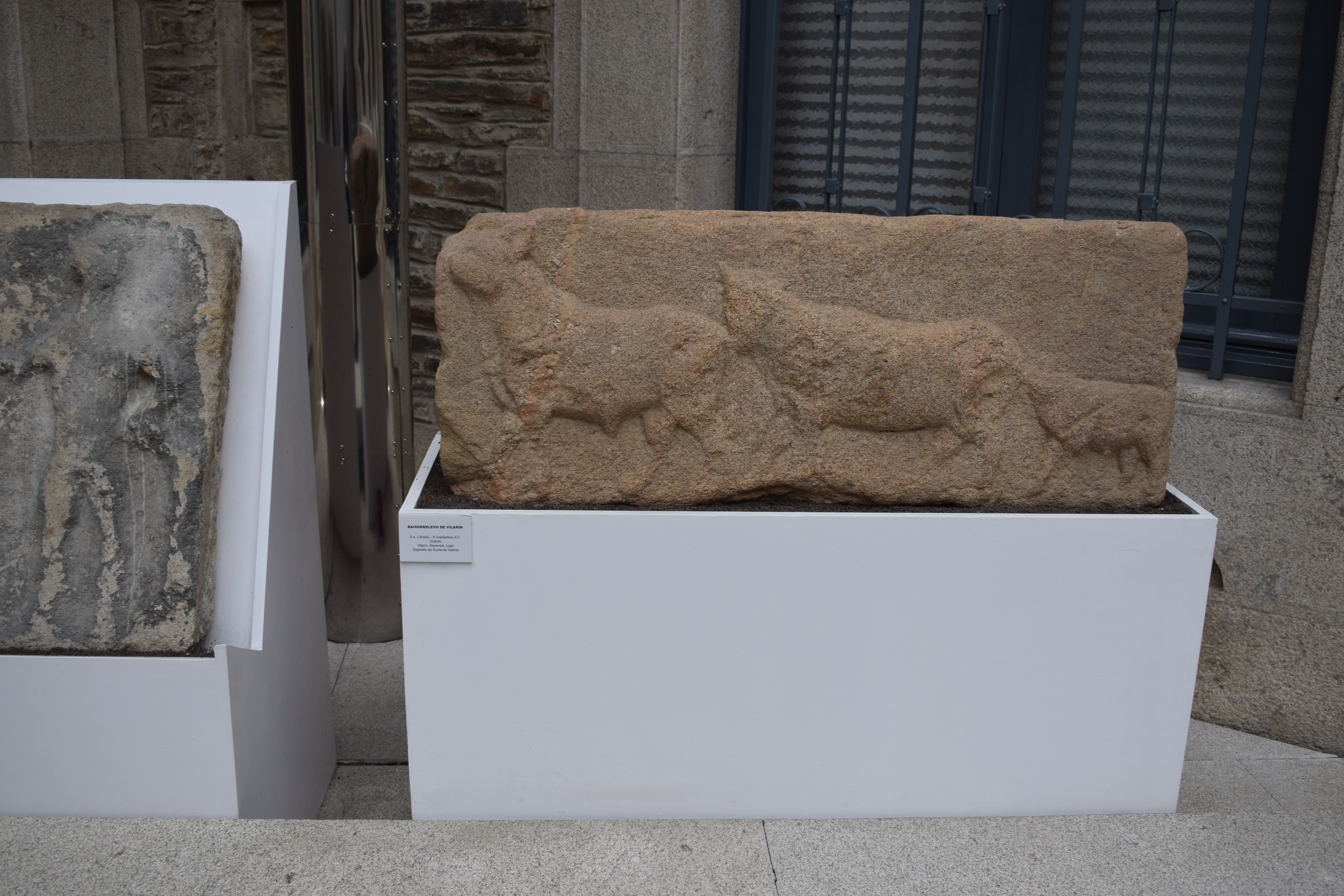
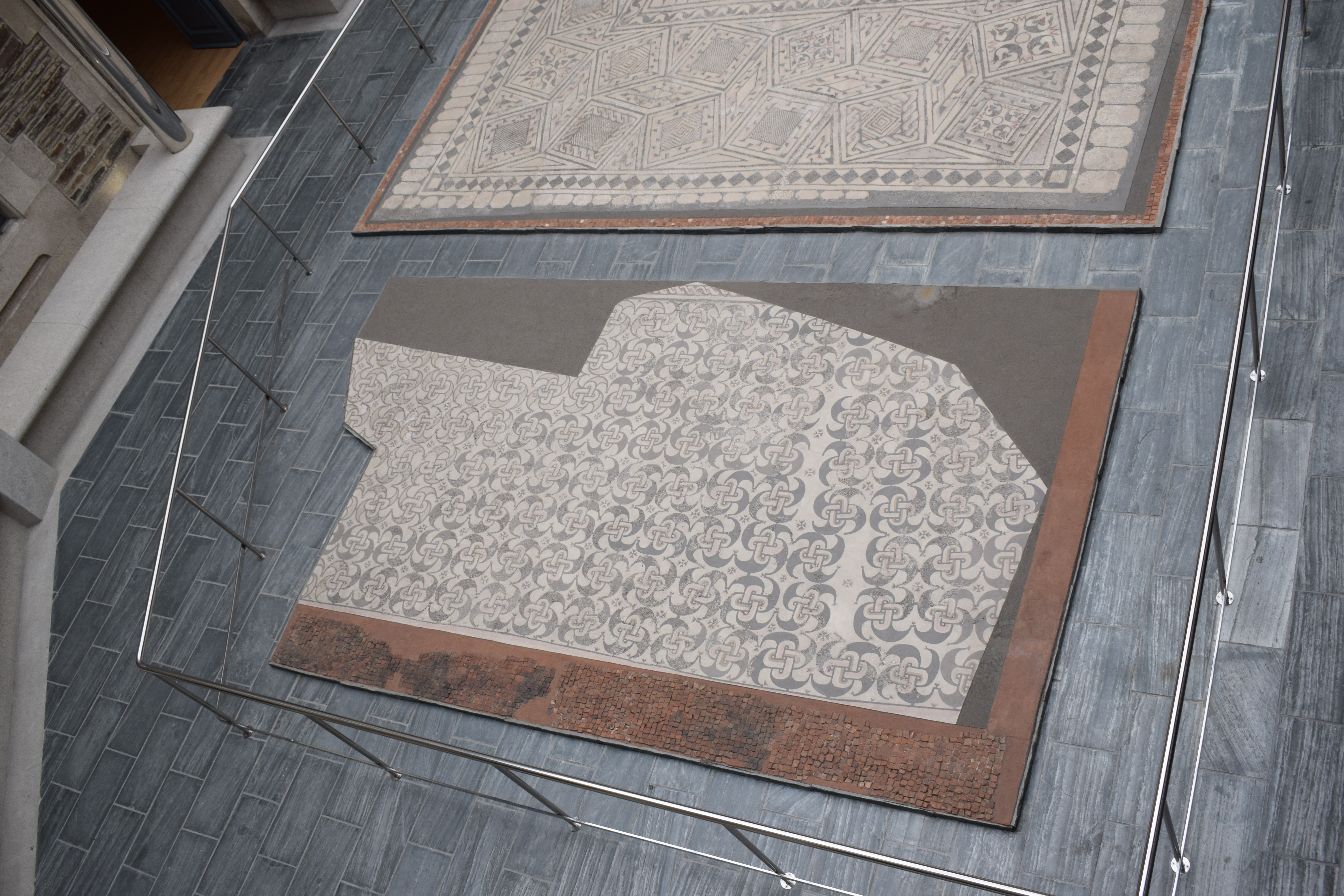
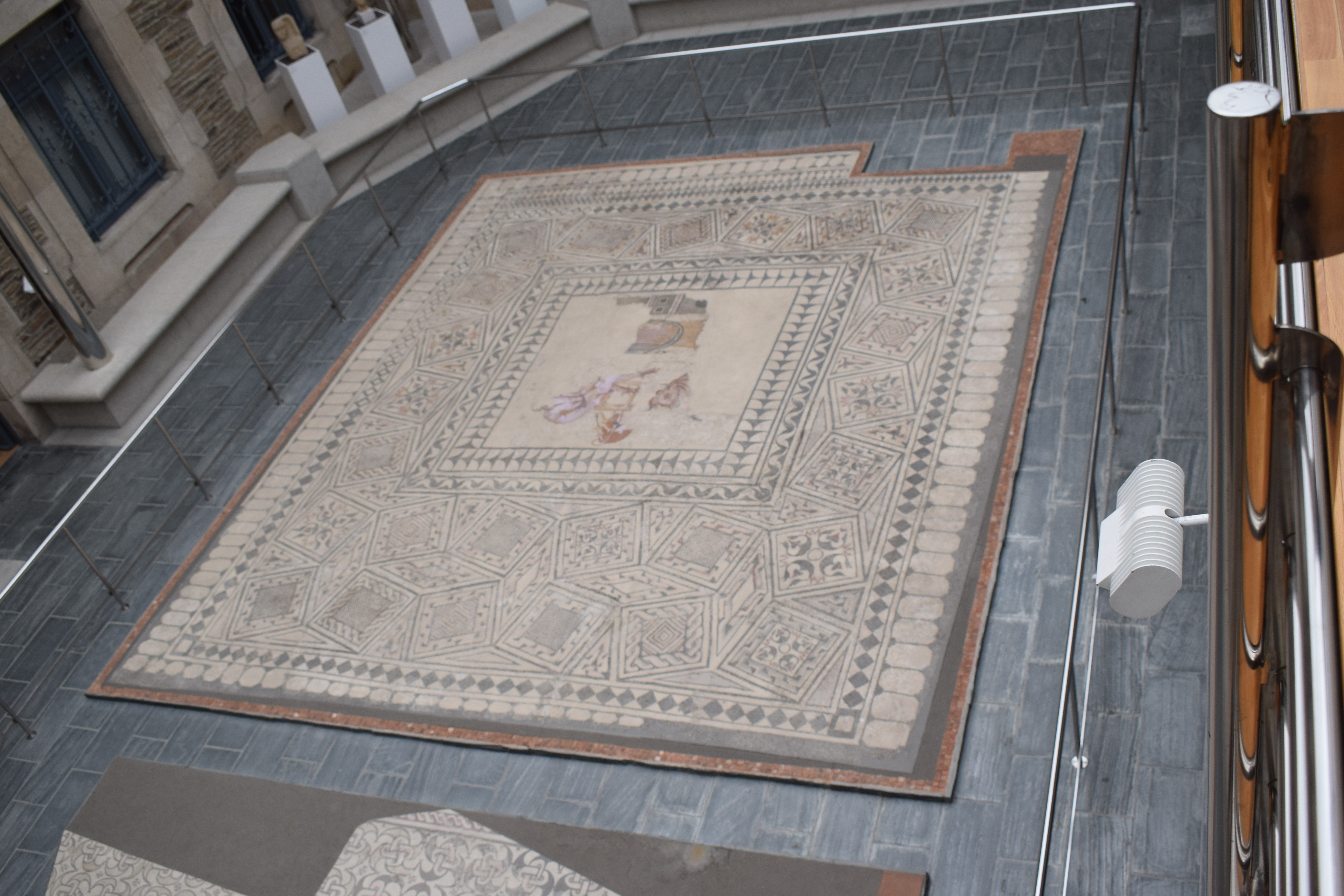
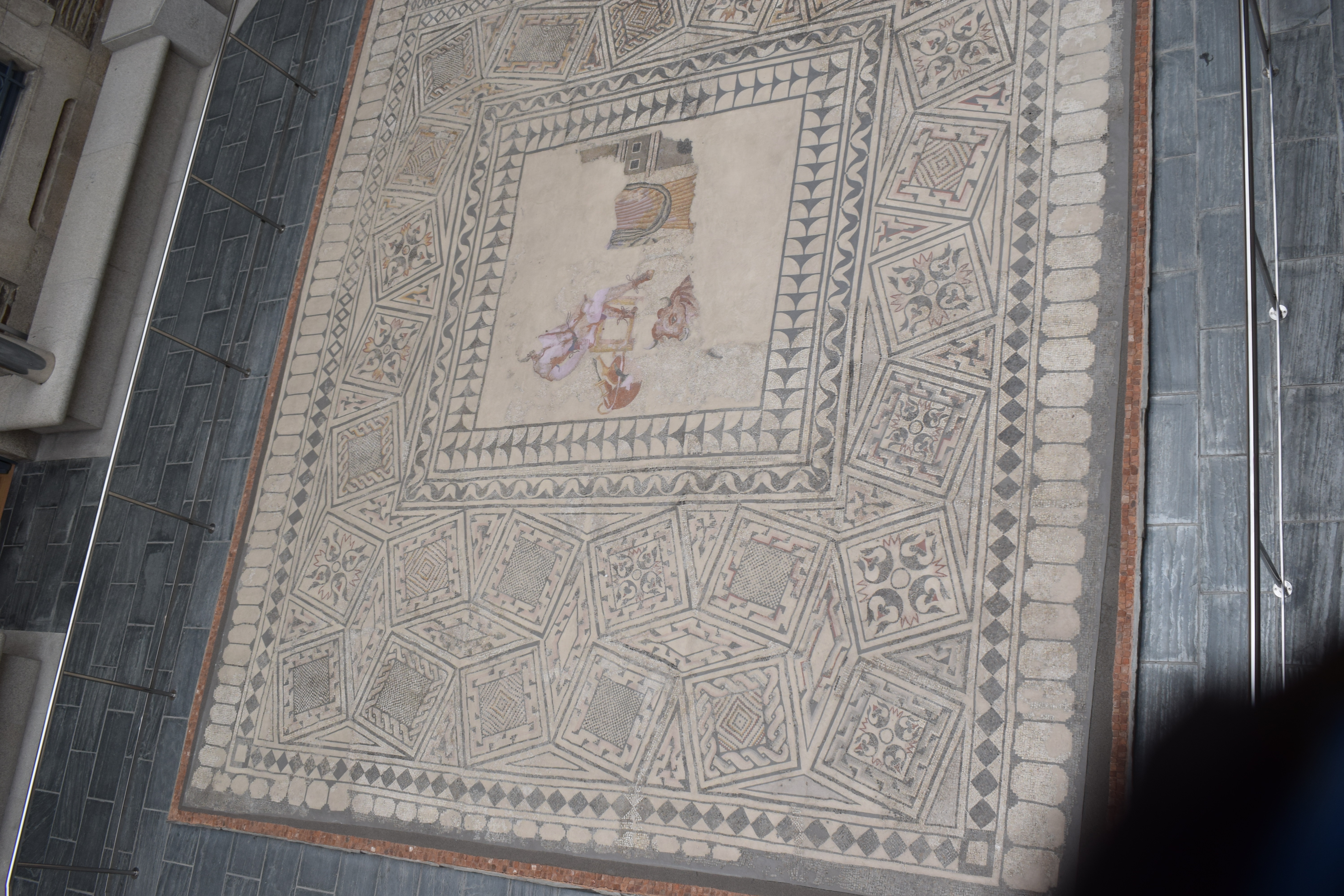
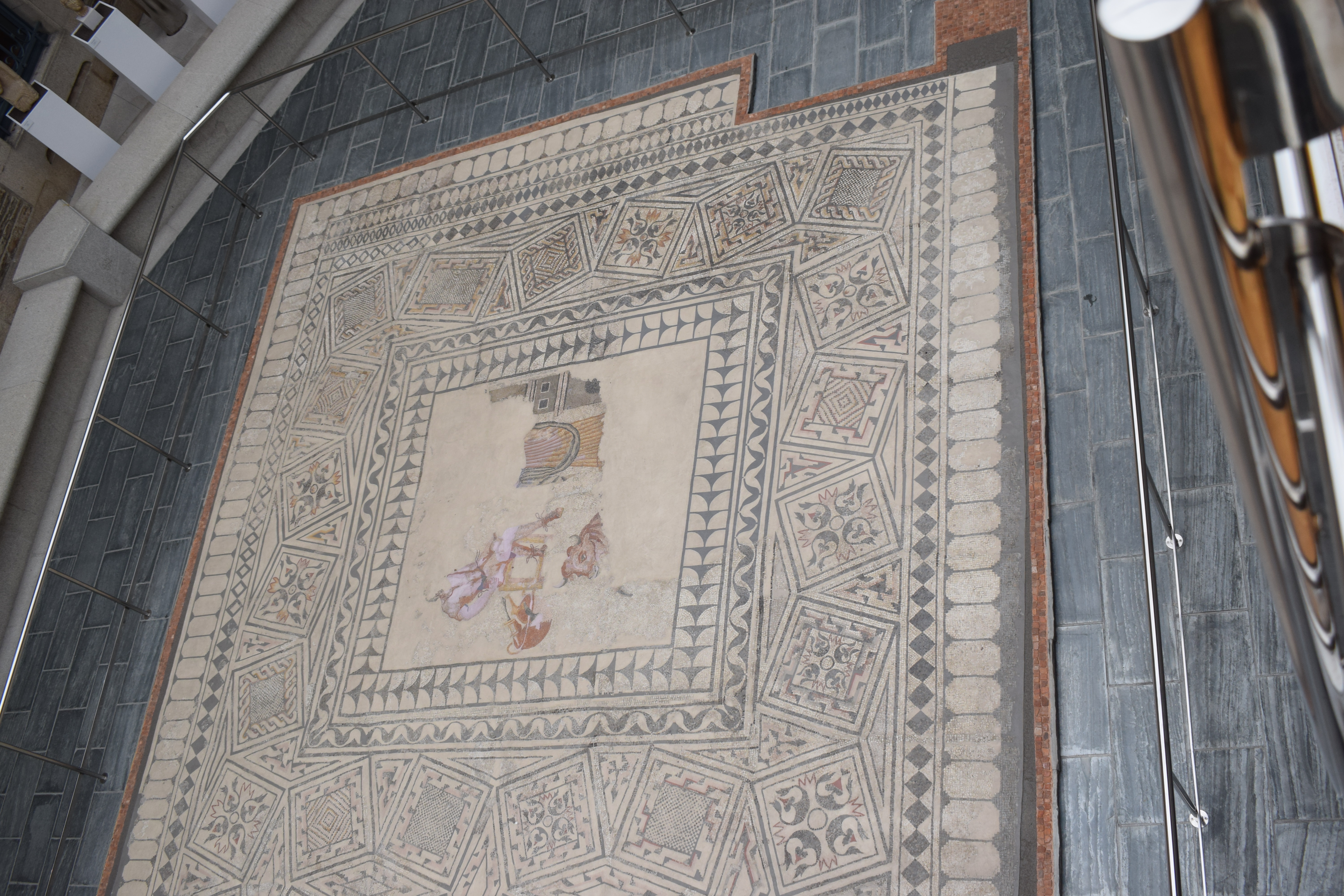
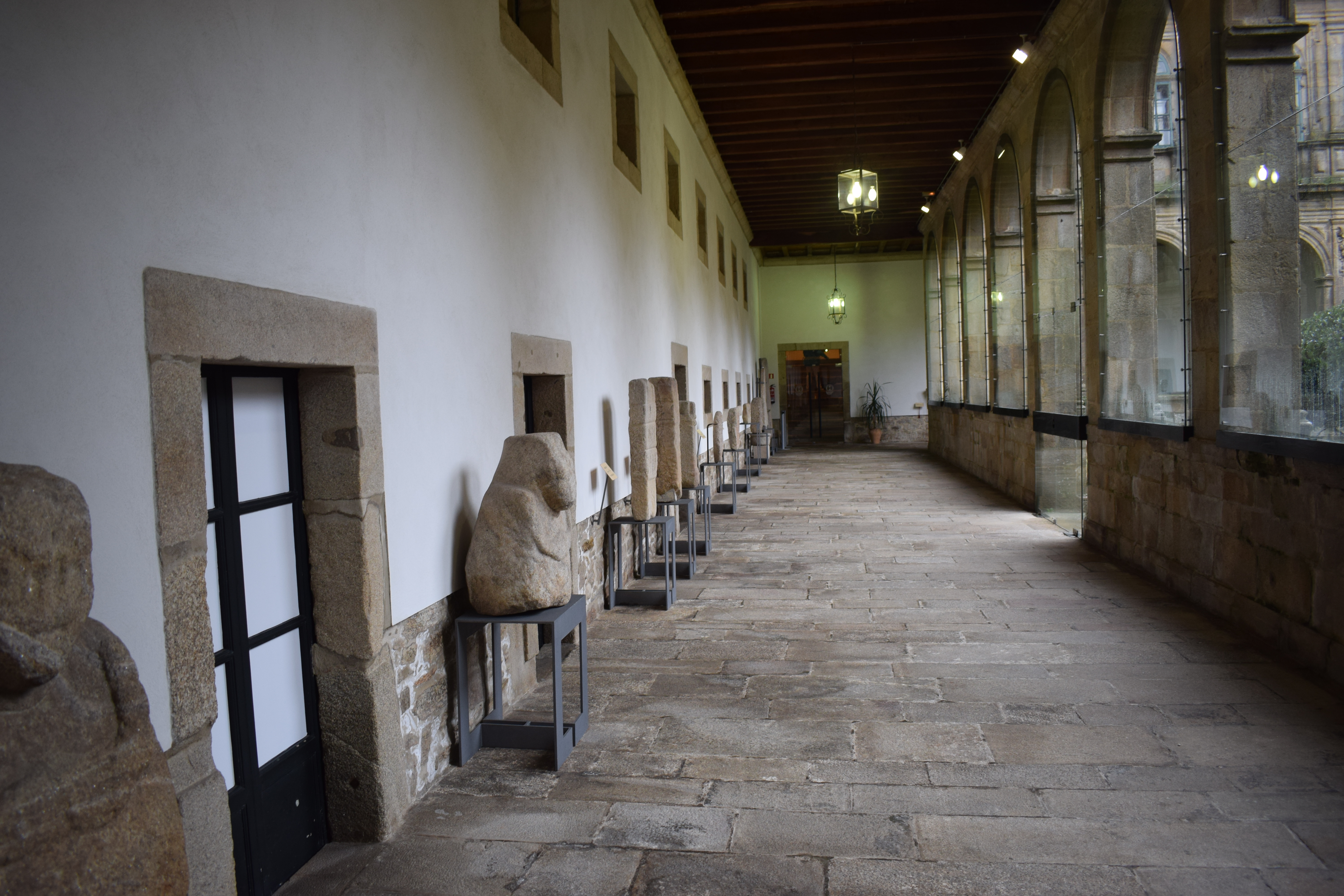
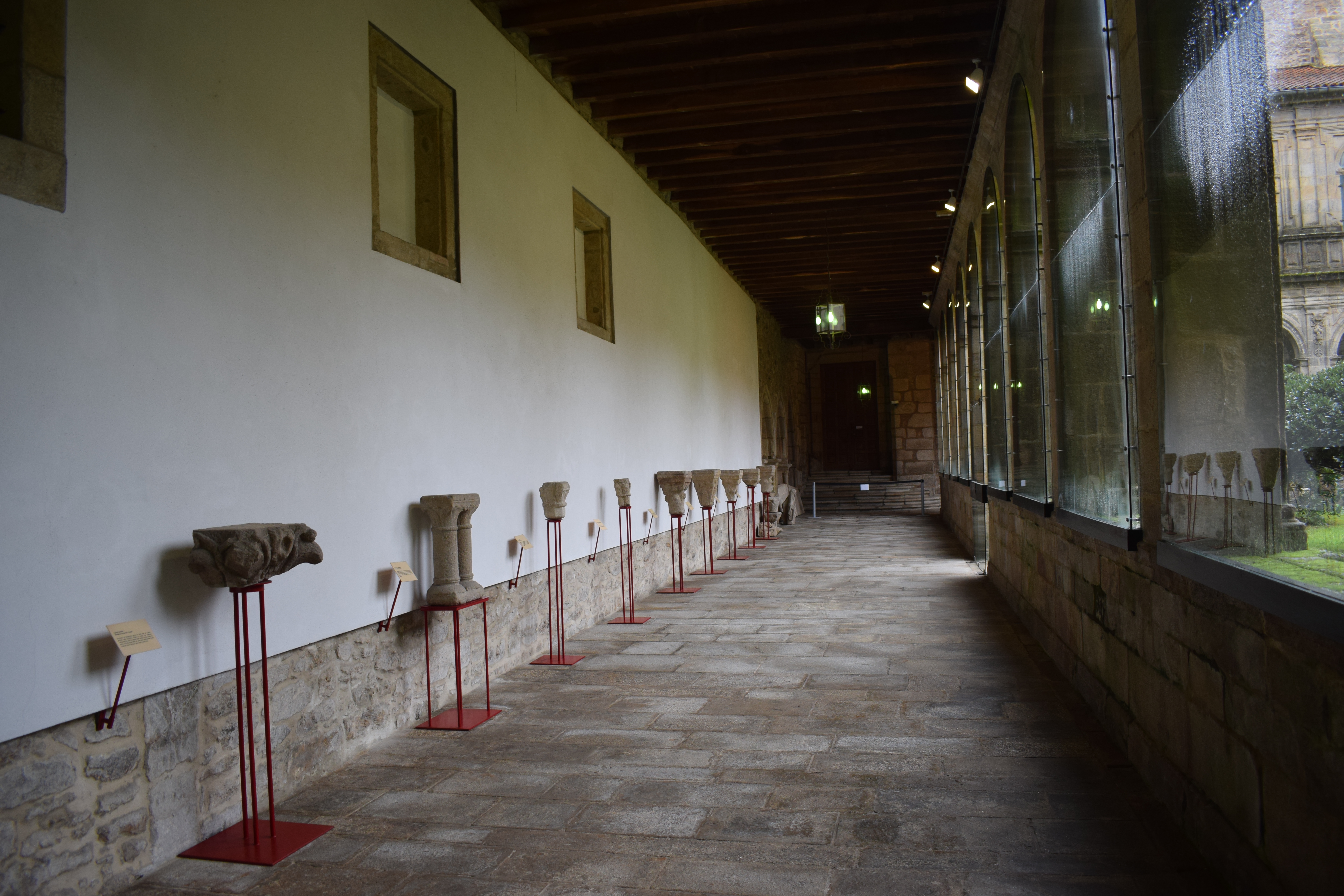
The first floor houses a collection of tiles from the 3rd century, found in a plot in Armañá Street (Lugo). It also presents the collections of sacred art, including a stone image of the Saviour coming from San Pedro de Fiz de Muxa (Lugo), a wide range of Gothic Mannerist and Baroque imagery, the processional crosses made of silver and other objects for religious purposes. In the cloister, the visitor can behold pieces of epigraphy, heraldry and other collections in stone. The convent kitchen of this floor shows the etnographic funds, next to the refectory.

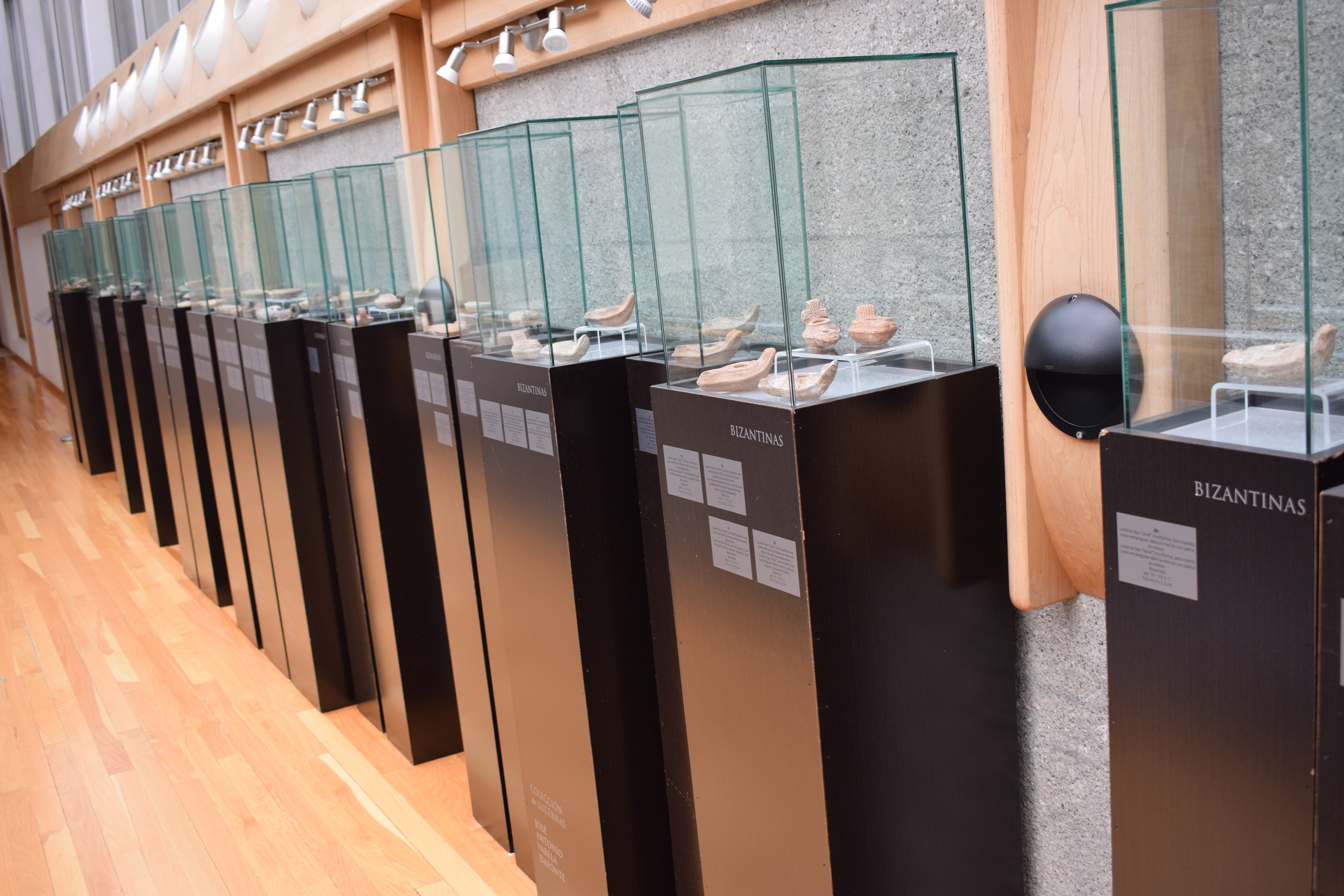
The high part of the cloister is devoted to Prehistory and Archaeology. The visitor will find a chronological tour from the Palaeolithic to the end of Romanisation, as well as the ceramics, glass, numismatic and medals collections.

On the second floor the visitor will enjoy the Galician art collections, focused in painting and sculpture from the 19th and 20th century with monographic halls dedicated to Antonio Fernández, Julia Minguillón and Corredoira, along with the ceramic collection from Sargadelos - which is a separate hall hosting pieces from all periods of production of the Real Fábrica.

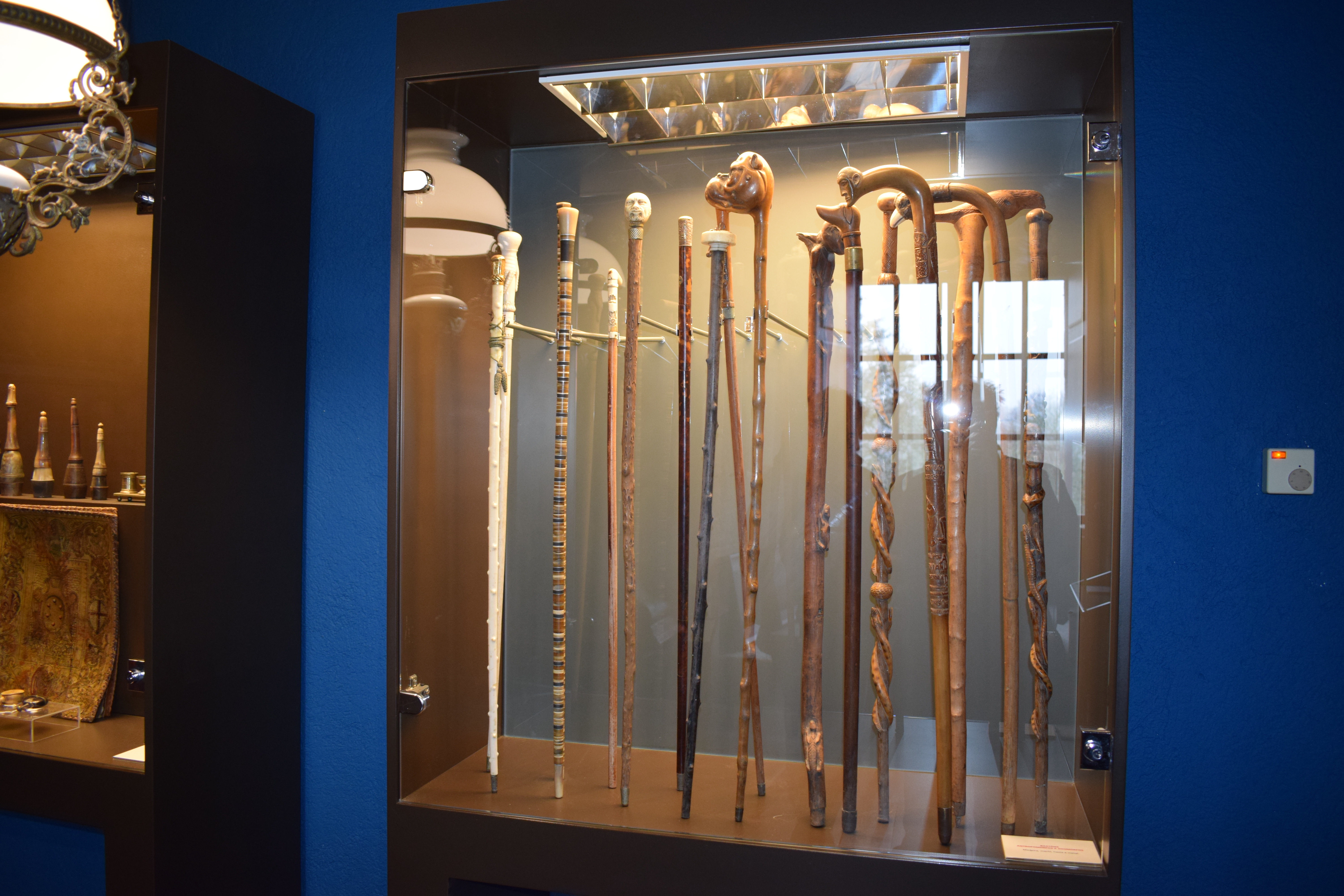
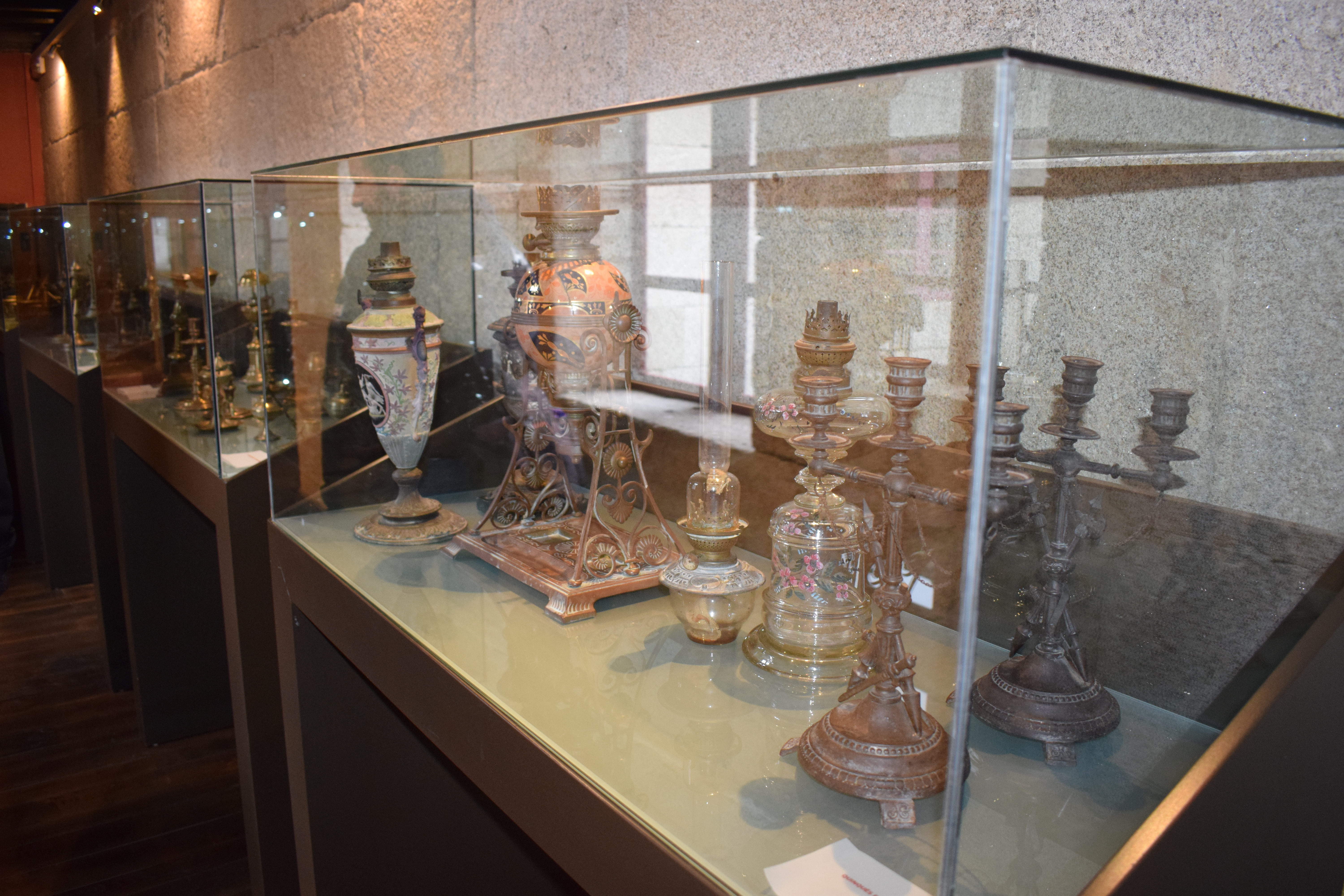
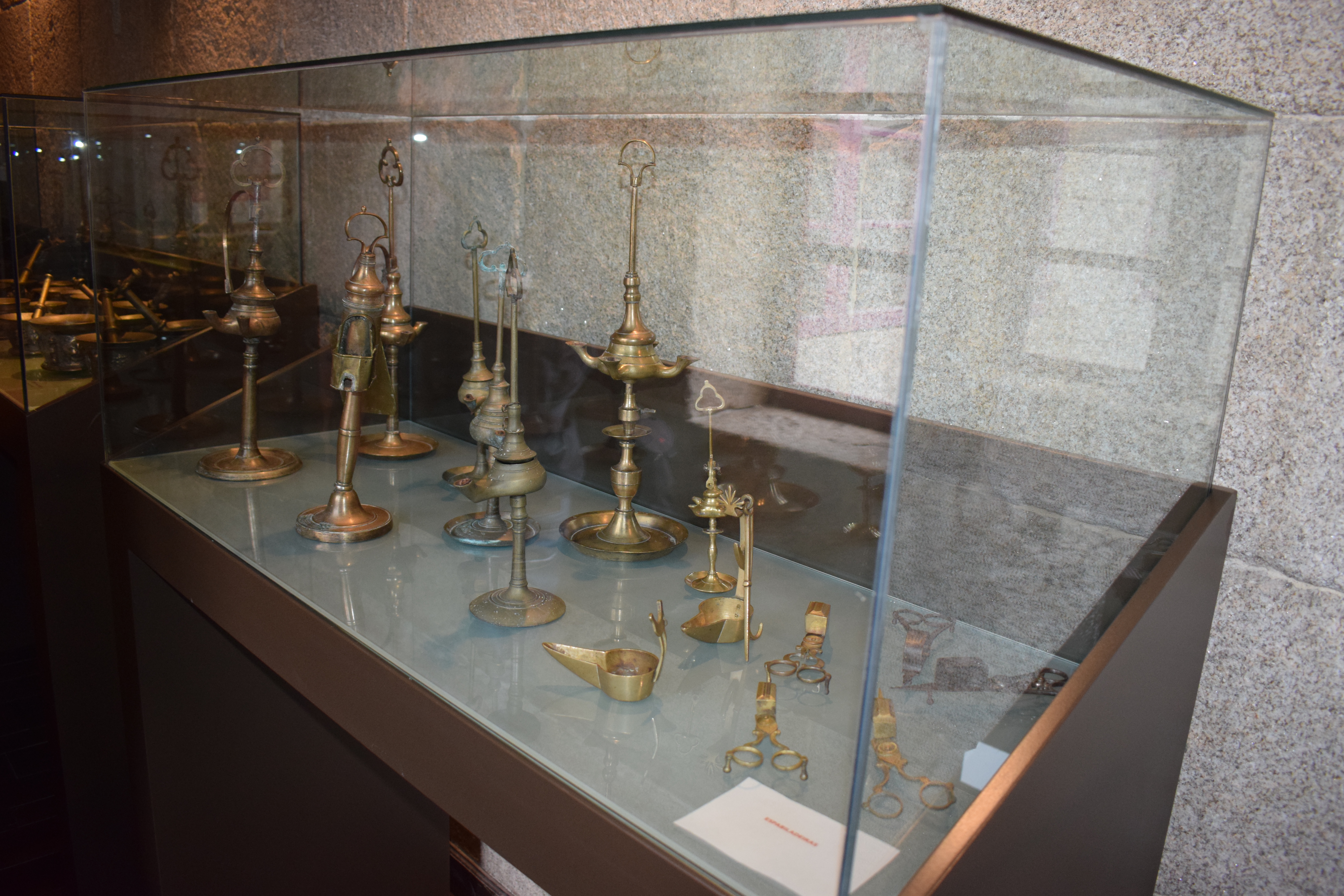
In 2010, the first floor of the new building (opened in 1997) was restored, allowing space for Galician drawings and engravings sections. The halls are monographic for Castelao, Prieto Nespereira and Castro Gil, maintaining the chandelier collection.


Concello, Comarca ou Provincia

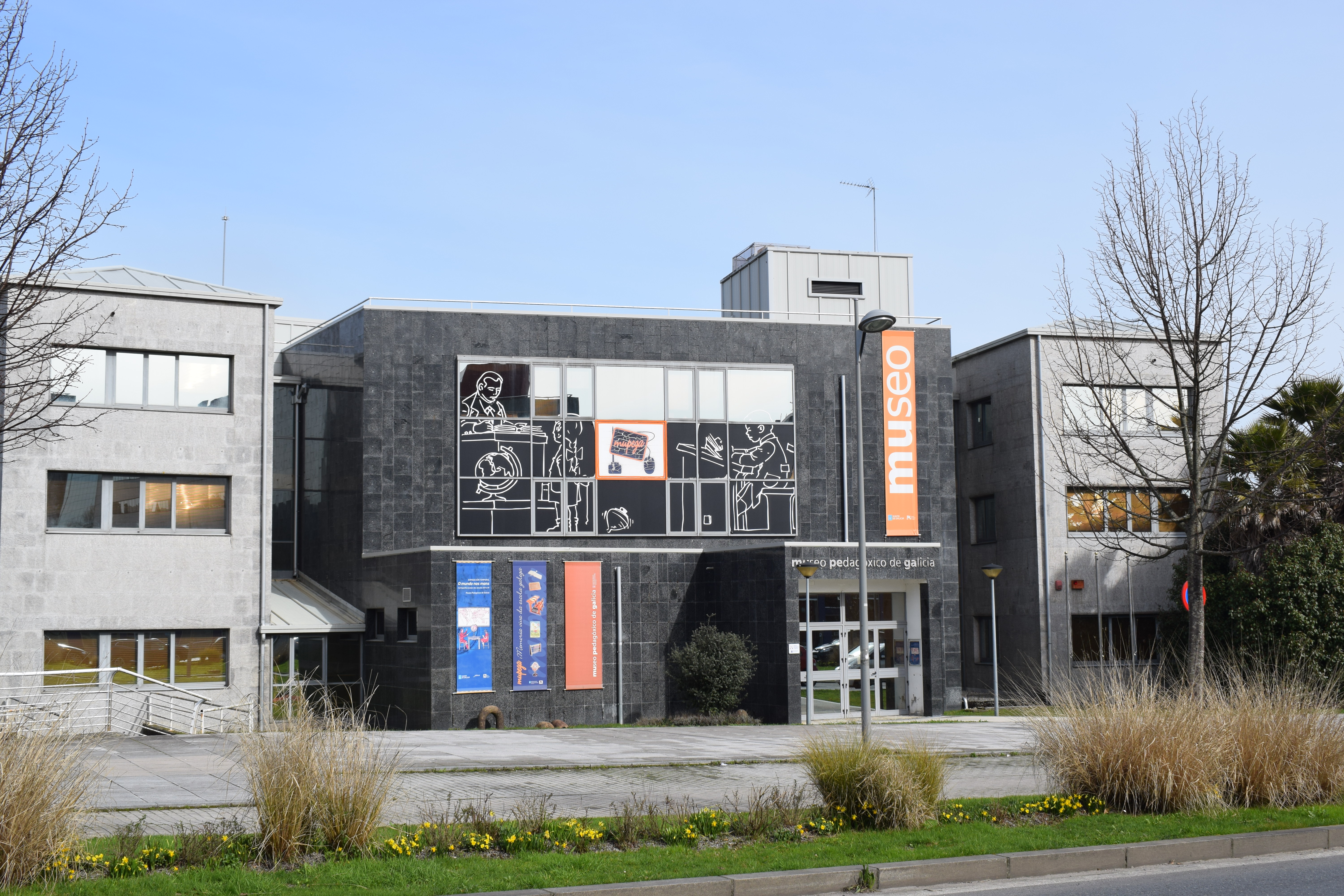
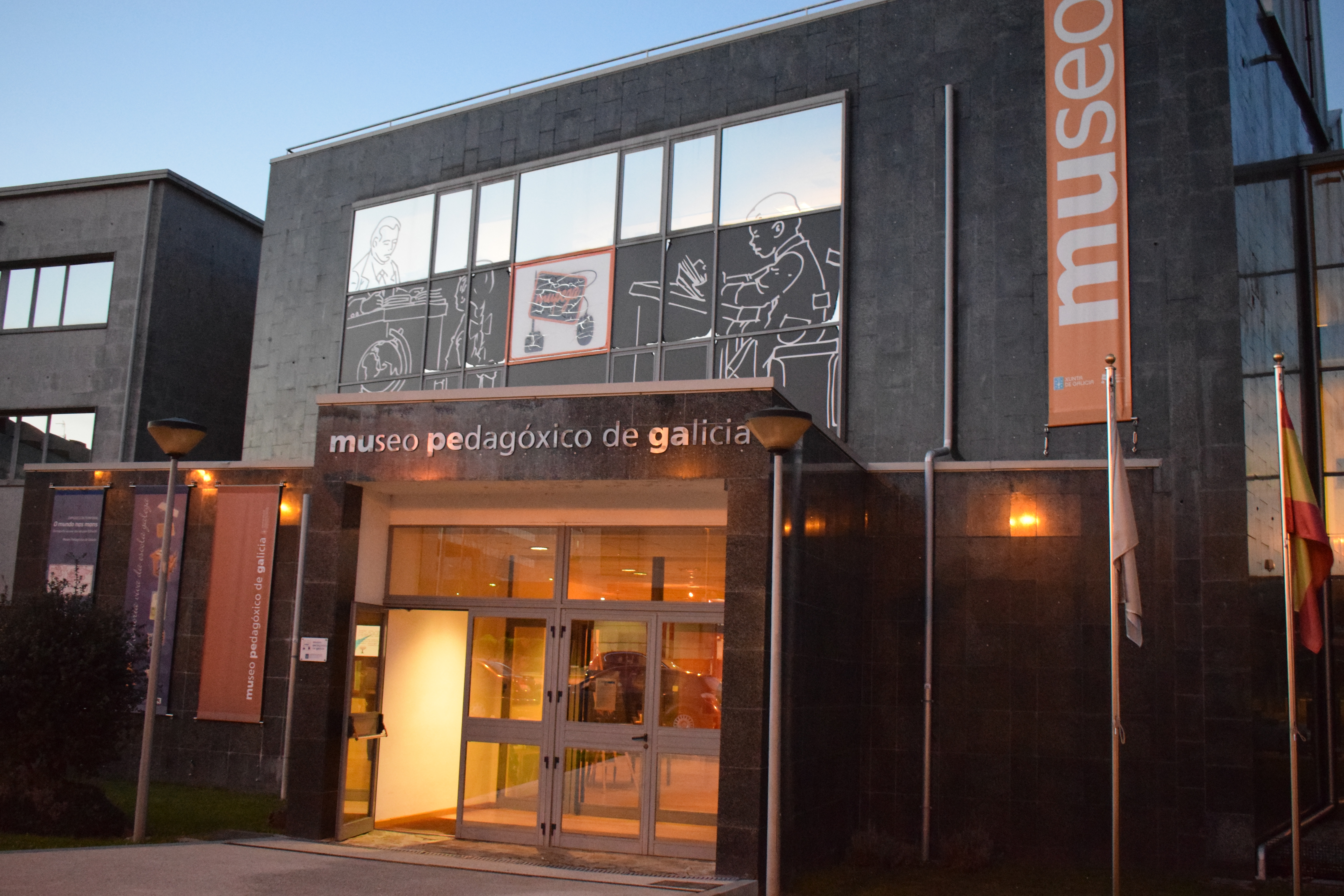
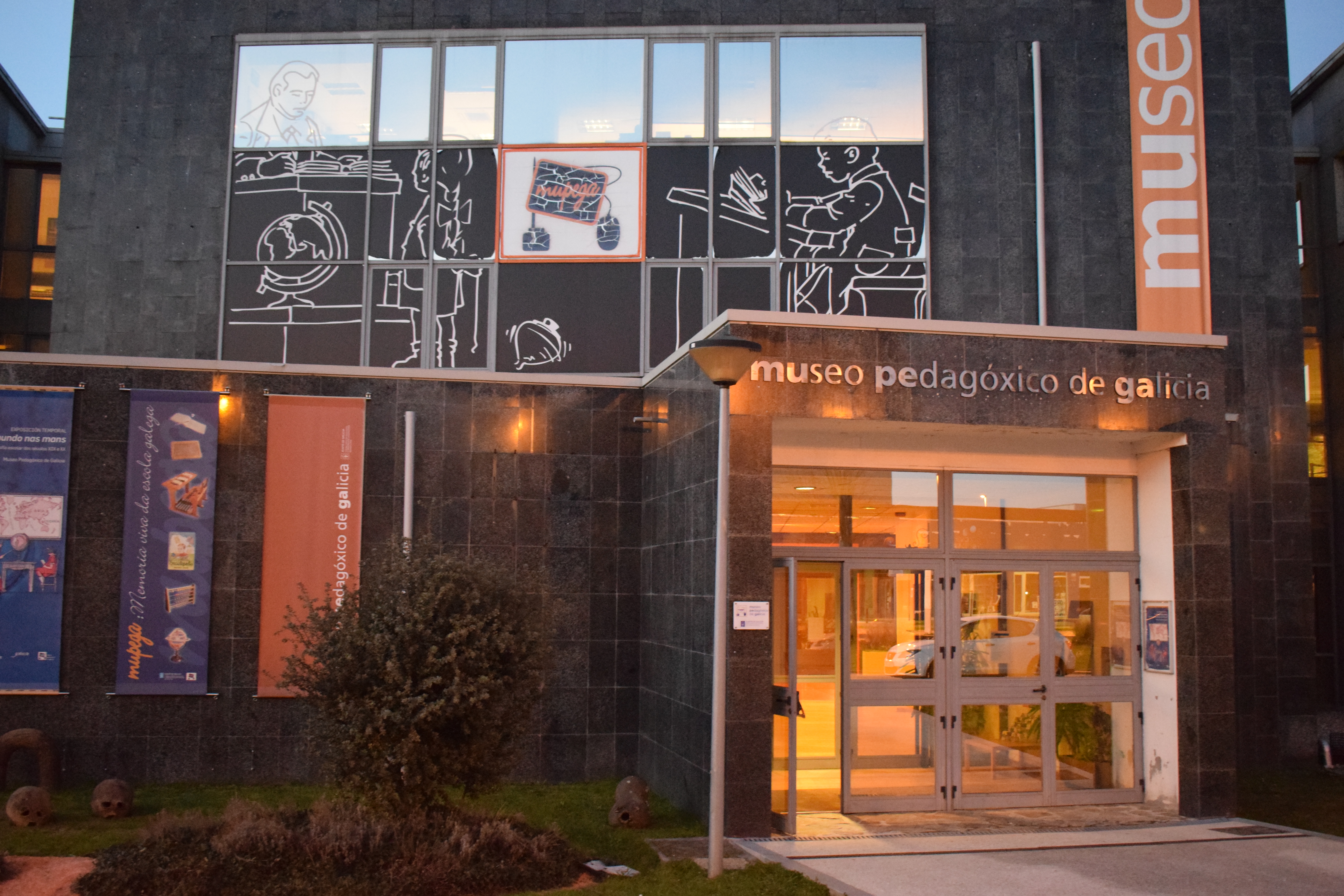
Museo Pedagóxico de Galicia (Mupega)

English

San Lázaro, nº 107 15781 Santiago de Compostela (A Coruña)
    www.edu.xunta.es/mupega/
    San Lázaro, 107
    15781 Santiago de Compostela
    Tlf. +34 981 540 150 /153 /155 /156 Fax +34 981 540 154
    museo.pedagoxico.galicia@edu.xunta.es

Museos da Xunta


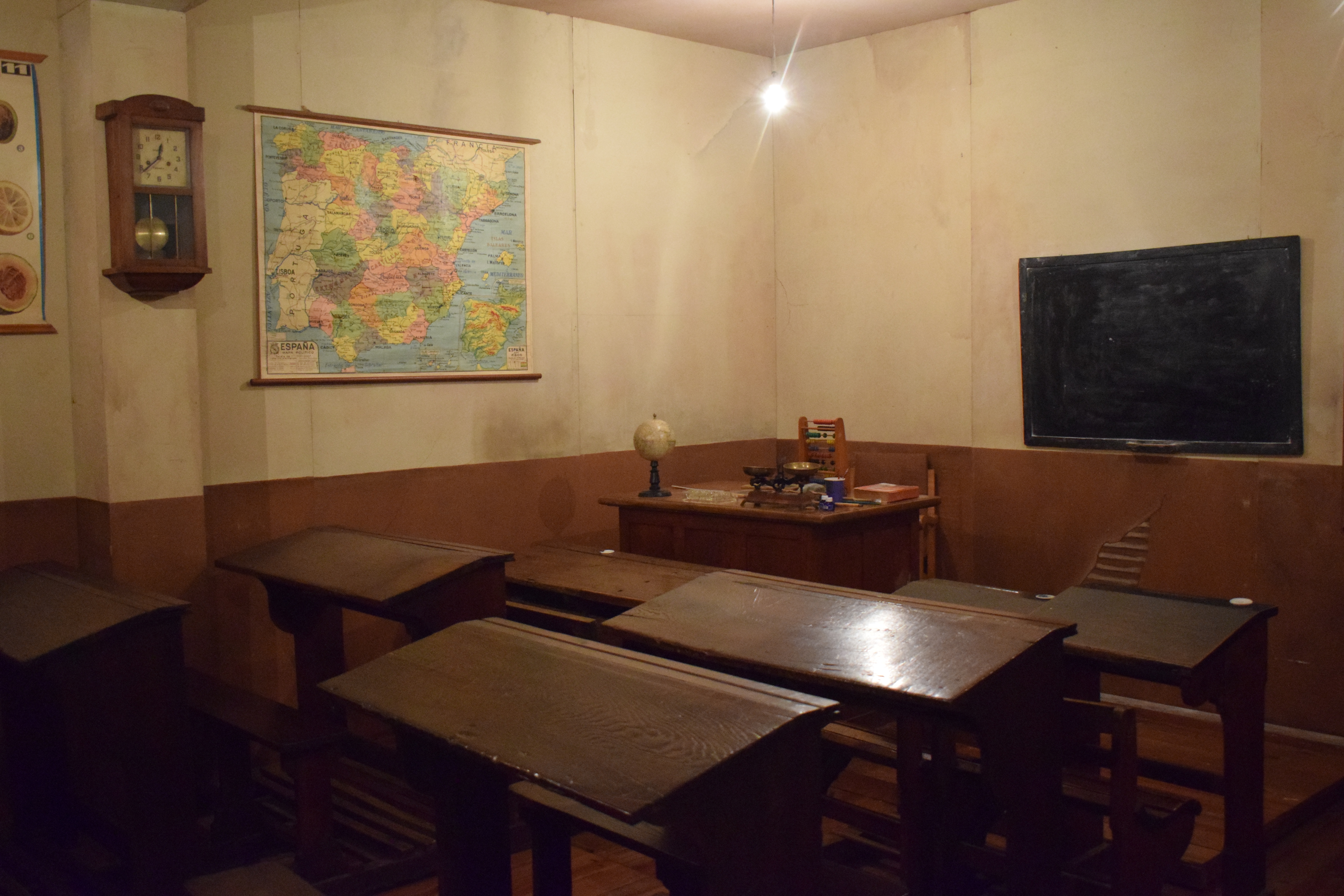
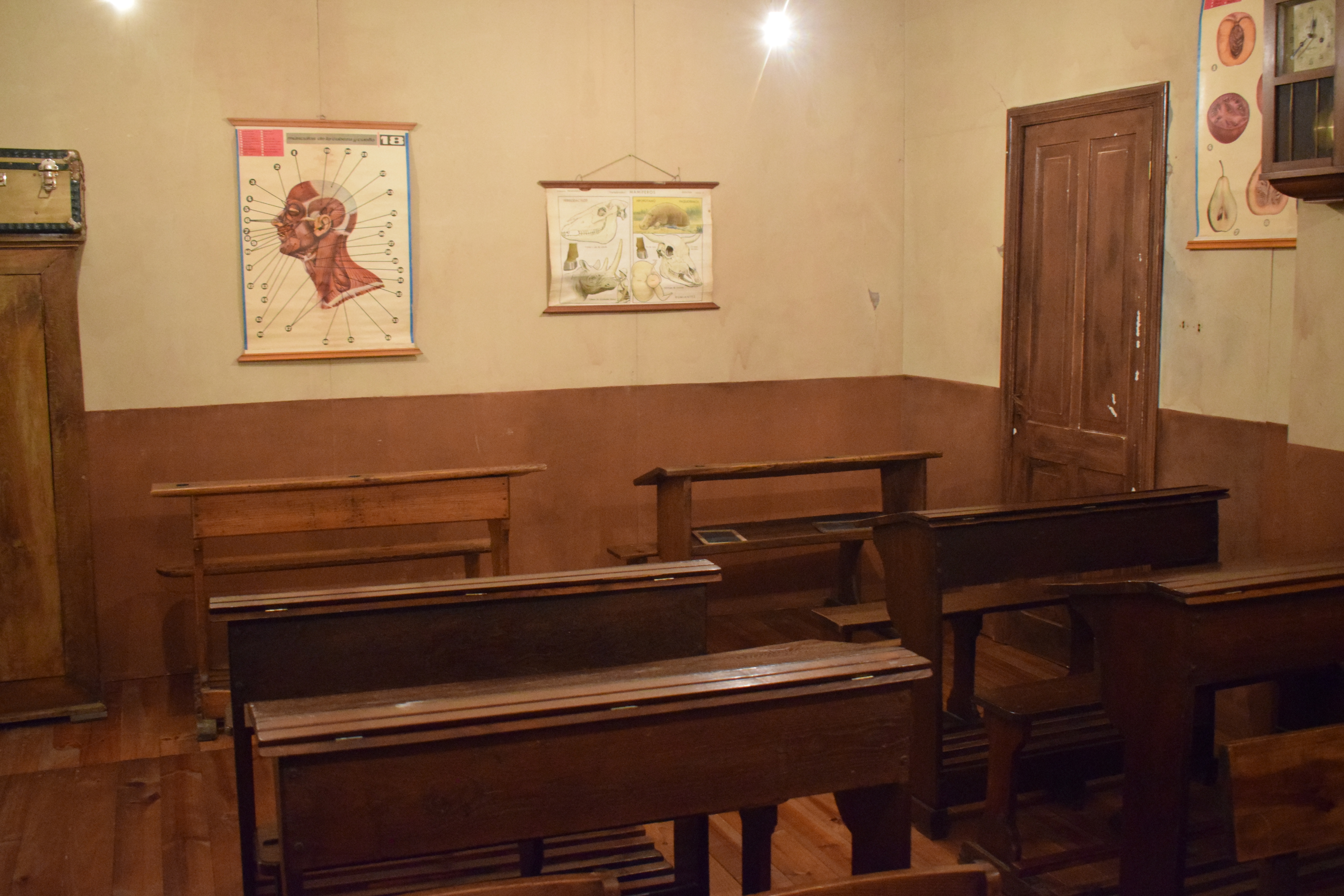
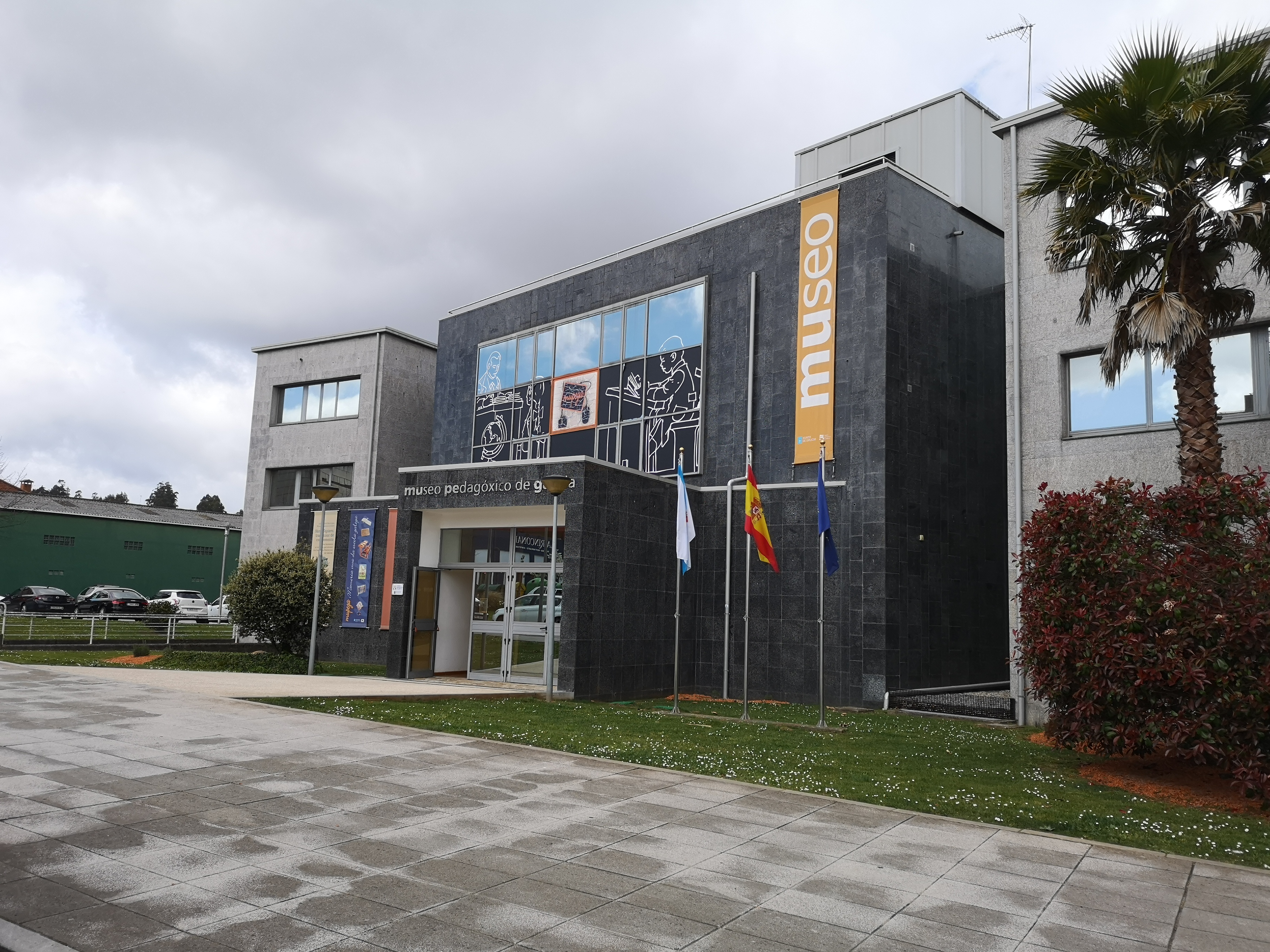
The MUPEGA was created in 2000 by the Xunta de Galicia "with the aim of promoting and developing the recovery, safeguard, study, showing and broadcasting of the pedagogical heritage" of Galicia. The headquarters was opened in 2004, in a building located in one of the big entrances to the capital city of Galicia and in the final stretch of the French Route of Saint James Way.


Concello, Comarca ou Provincia

Etnographic and History Museum of San Paio de Narla

     Torre de Xiá, Narla
    27226 Friol
    Tlf. 982375156
    sanpaiodenarla@museolugo.org

English
27220 Friol (Lugo)

Museo Etnográfico e da Historia de San Paio de Narla

Rede Museística Provincial de Lugo

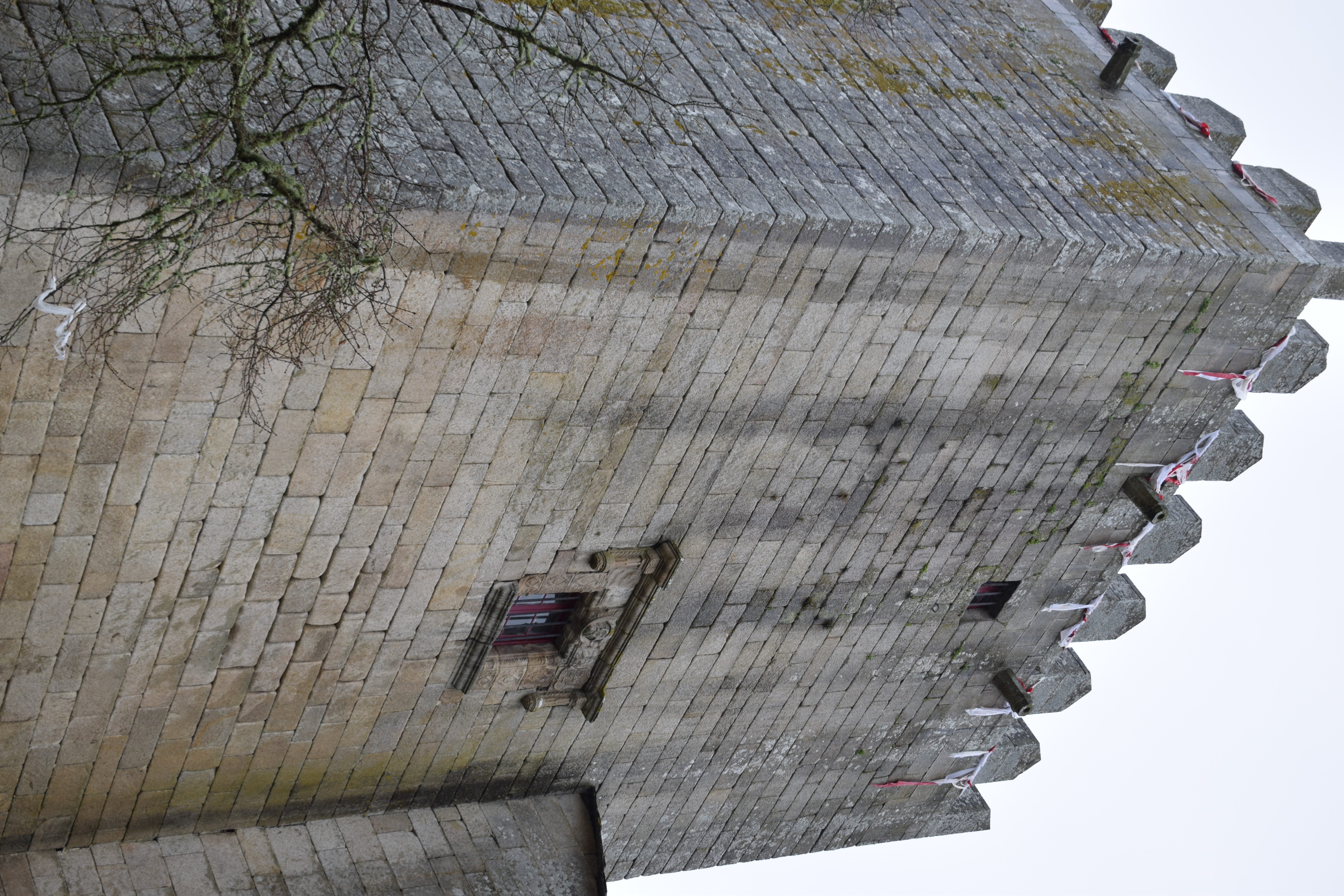
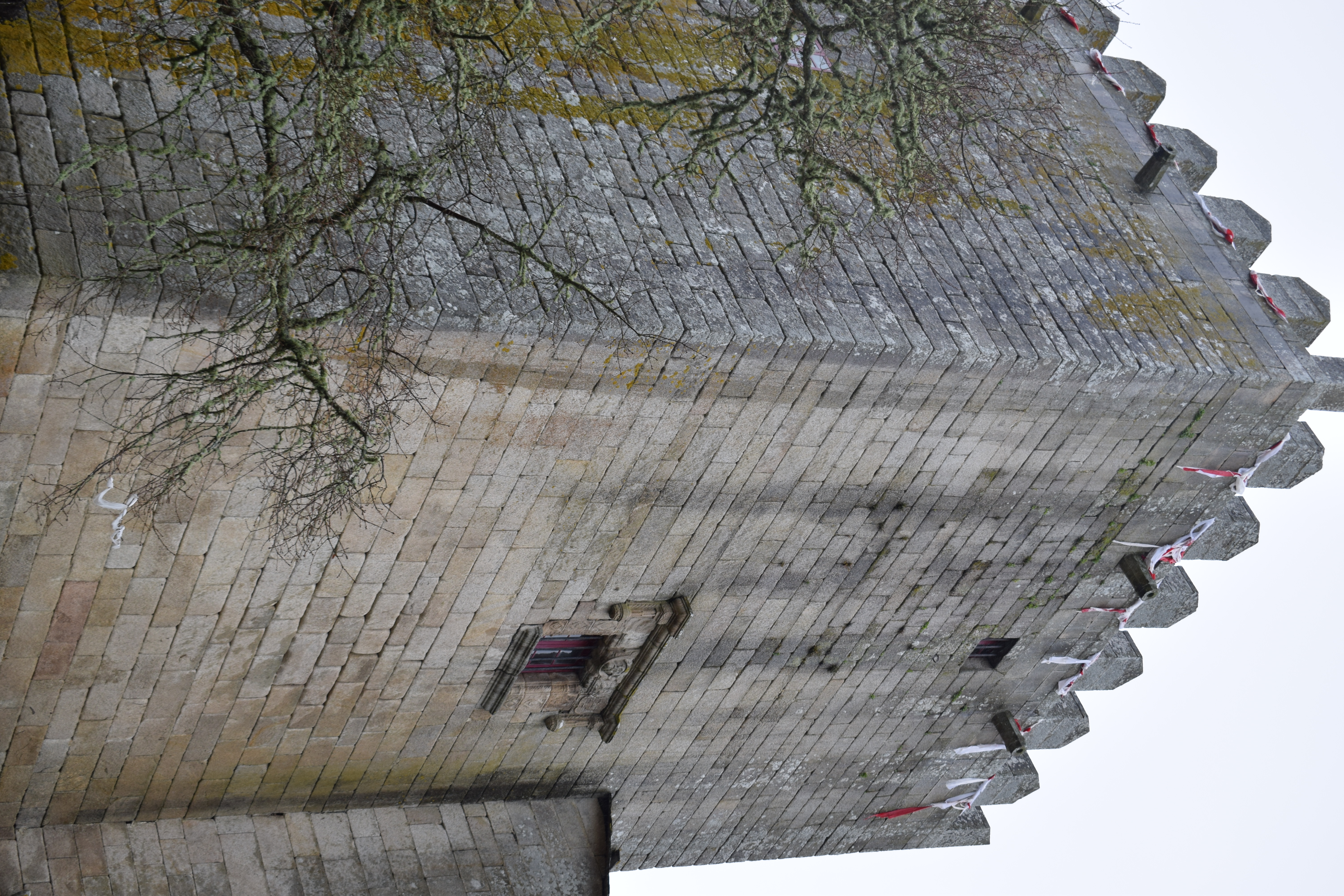
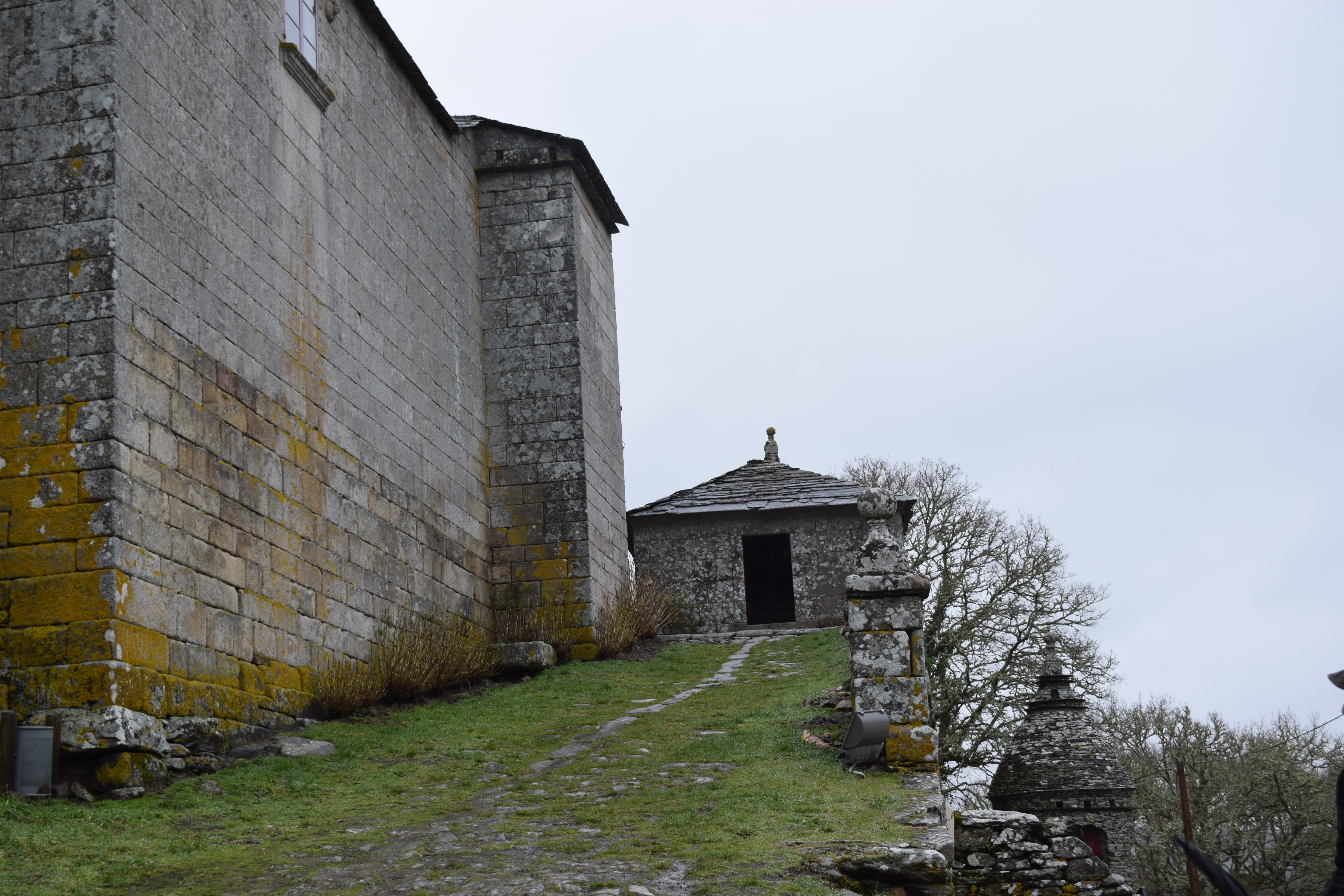
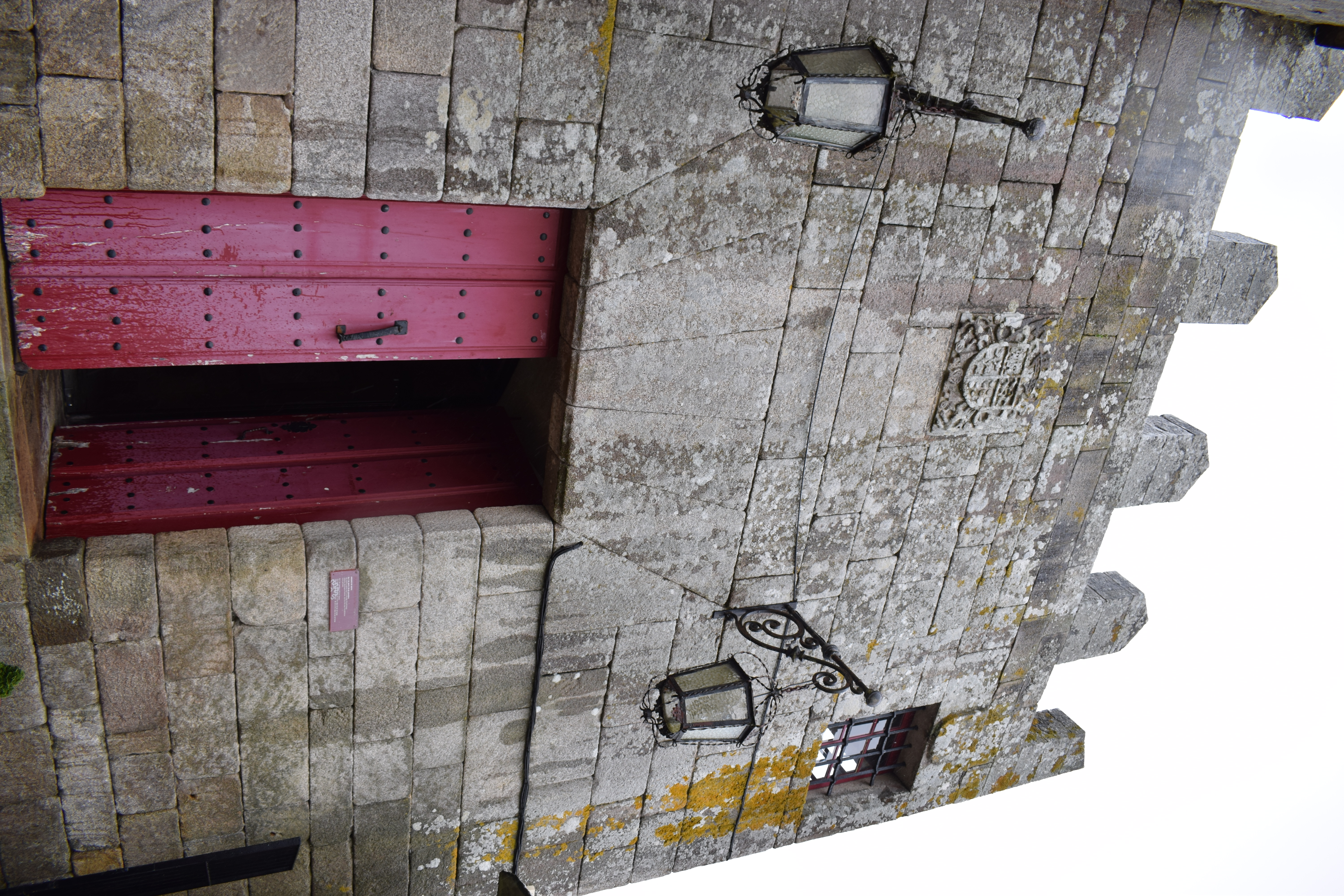
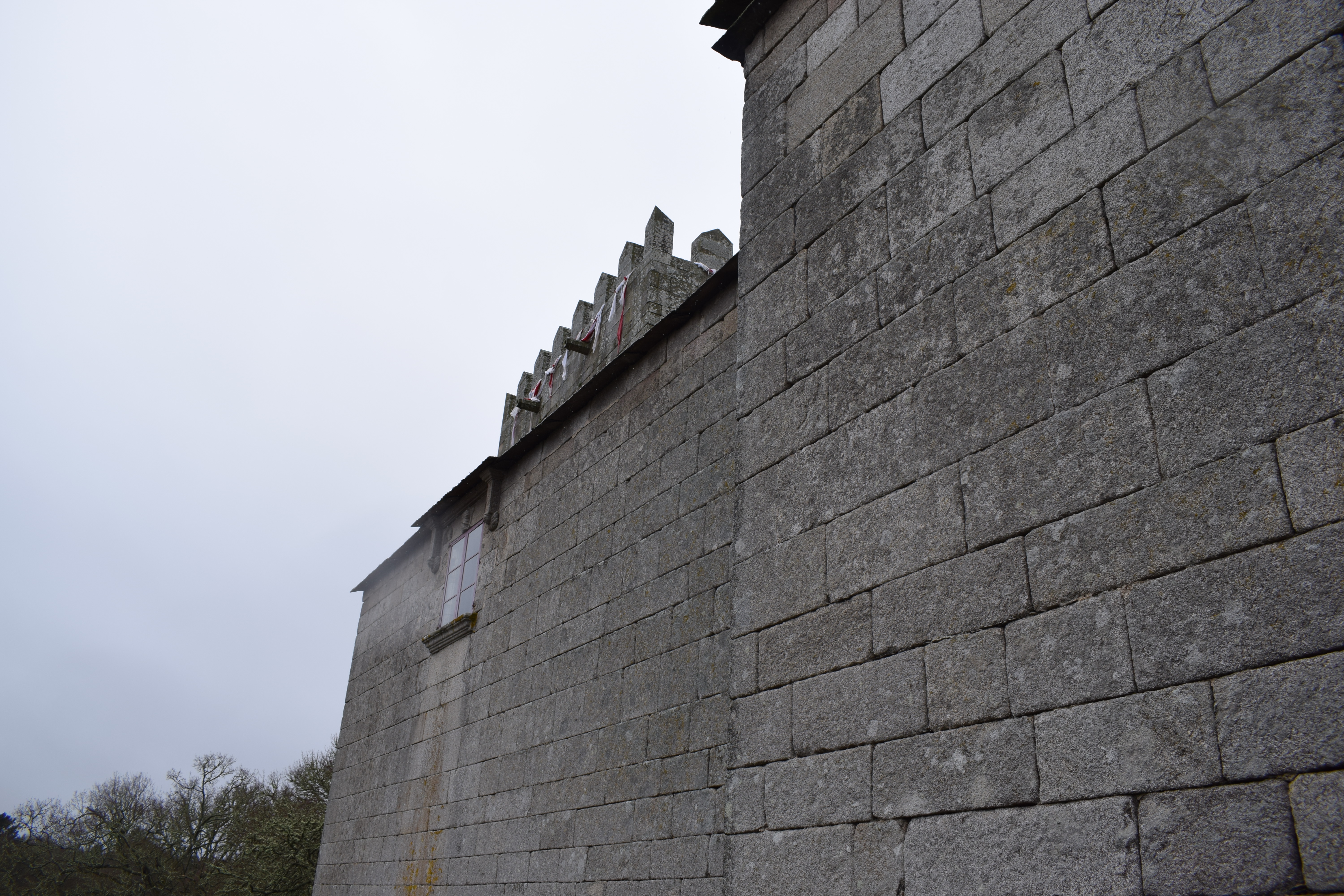
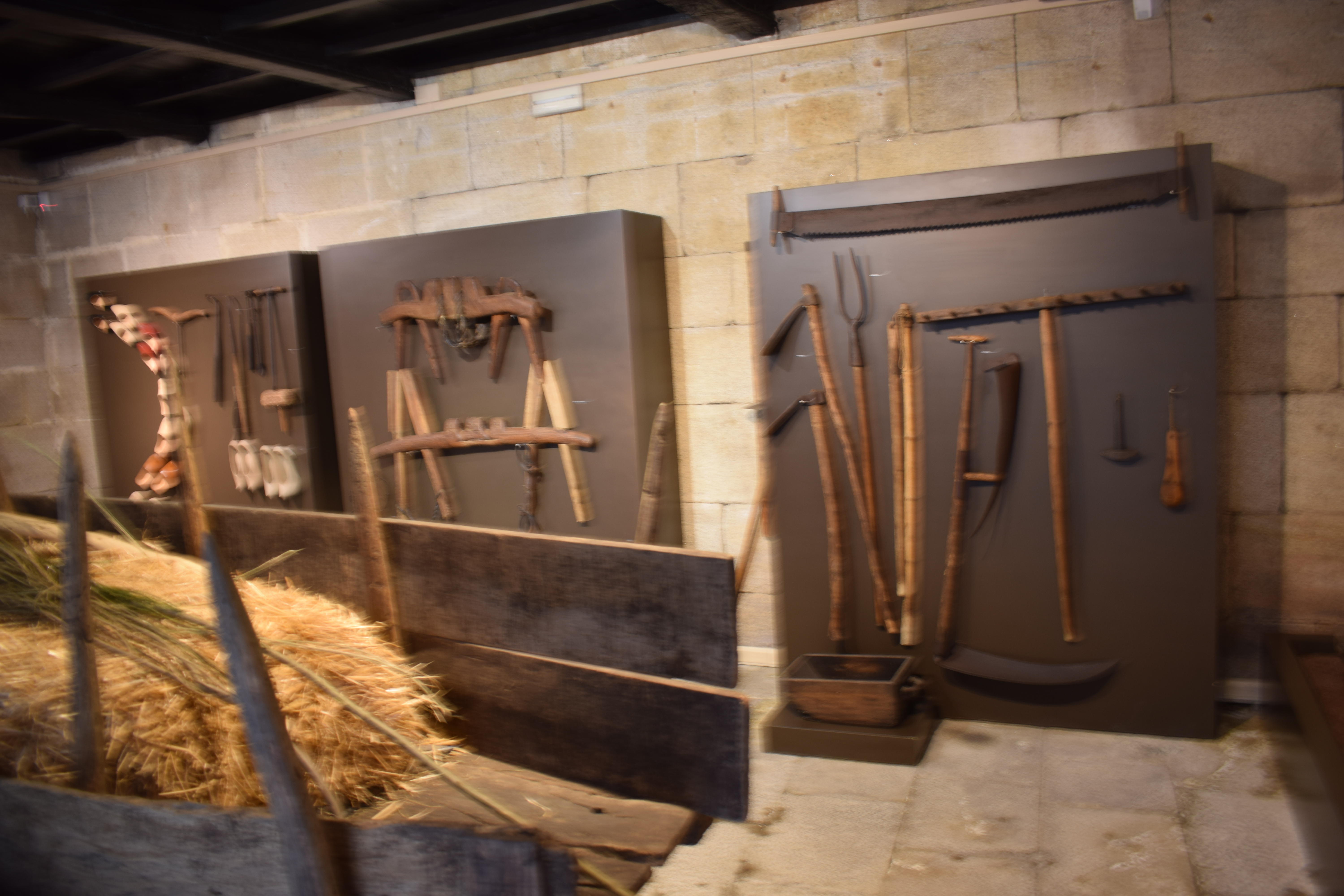
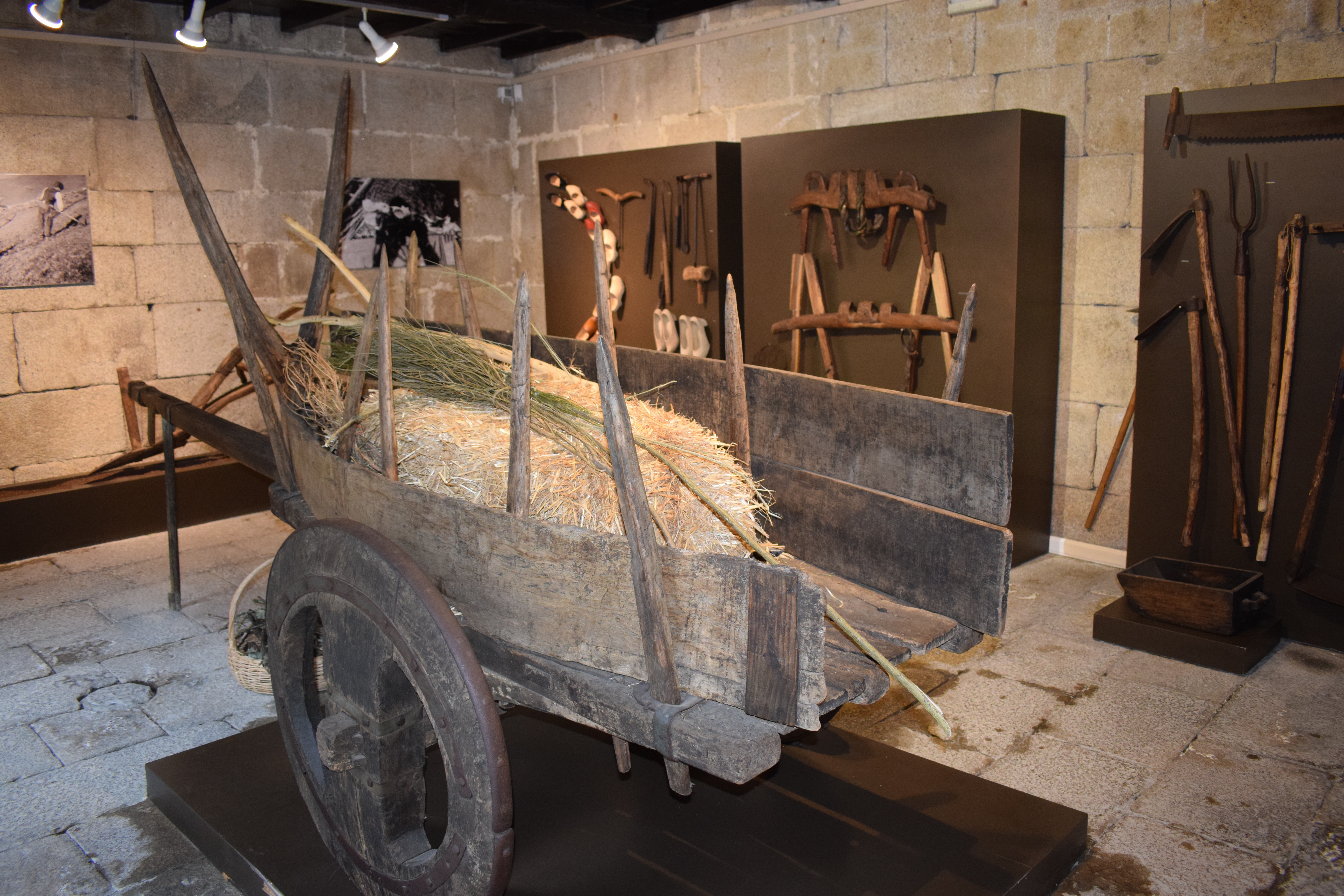
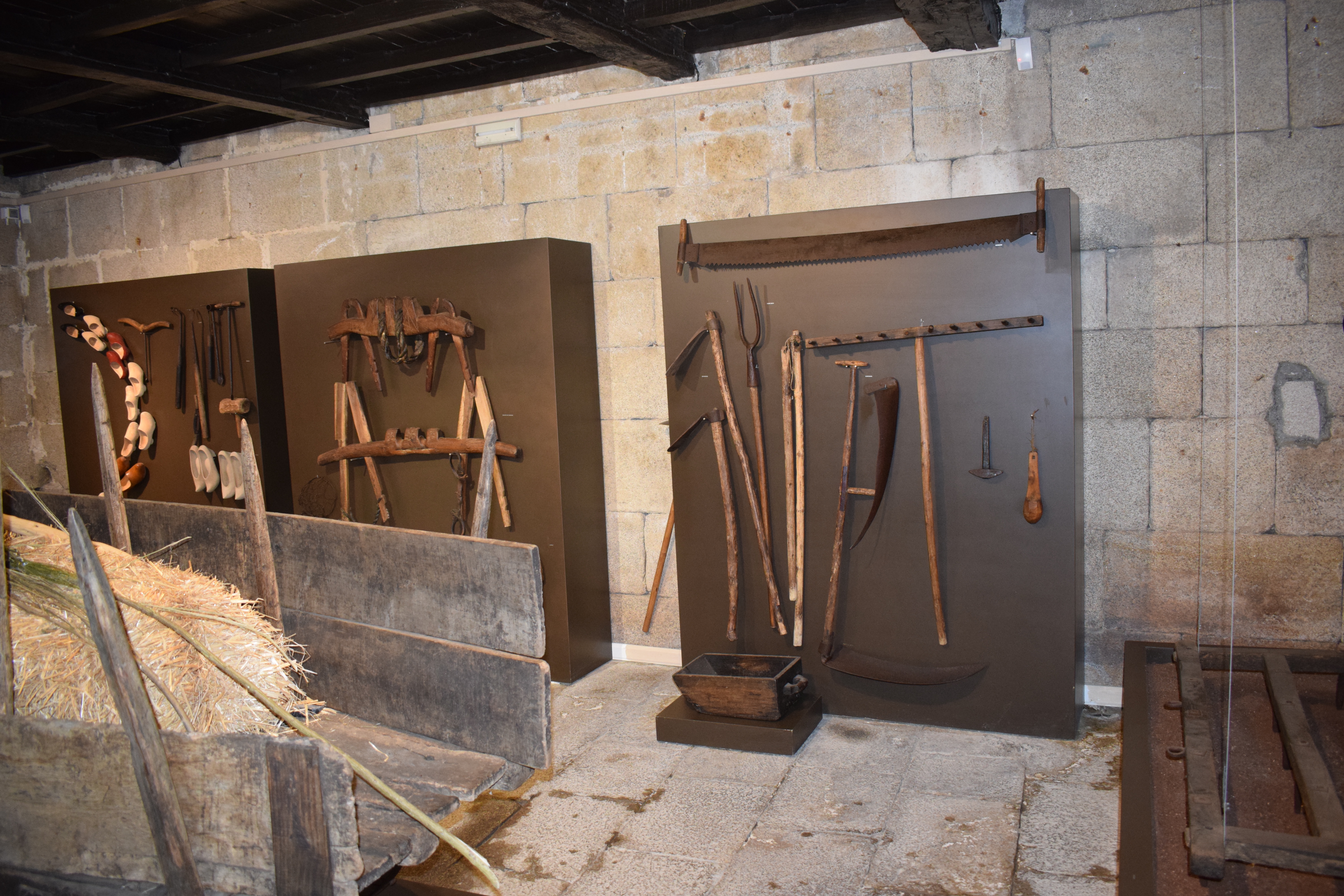
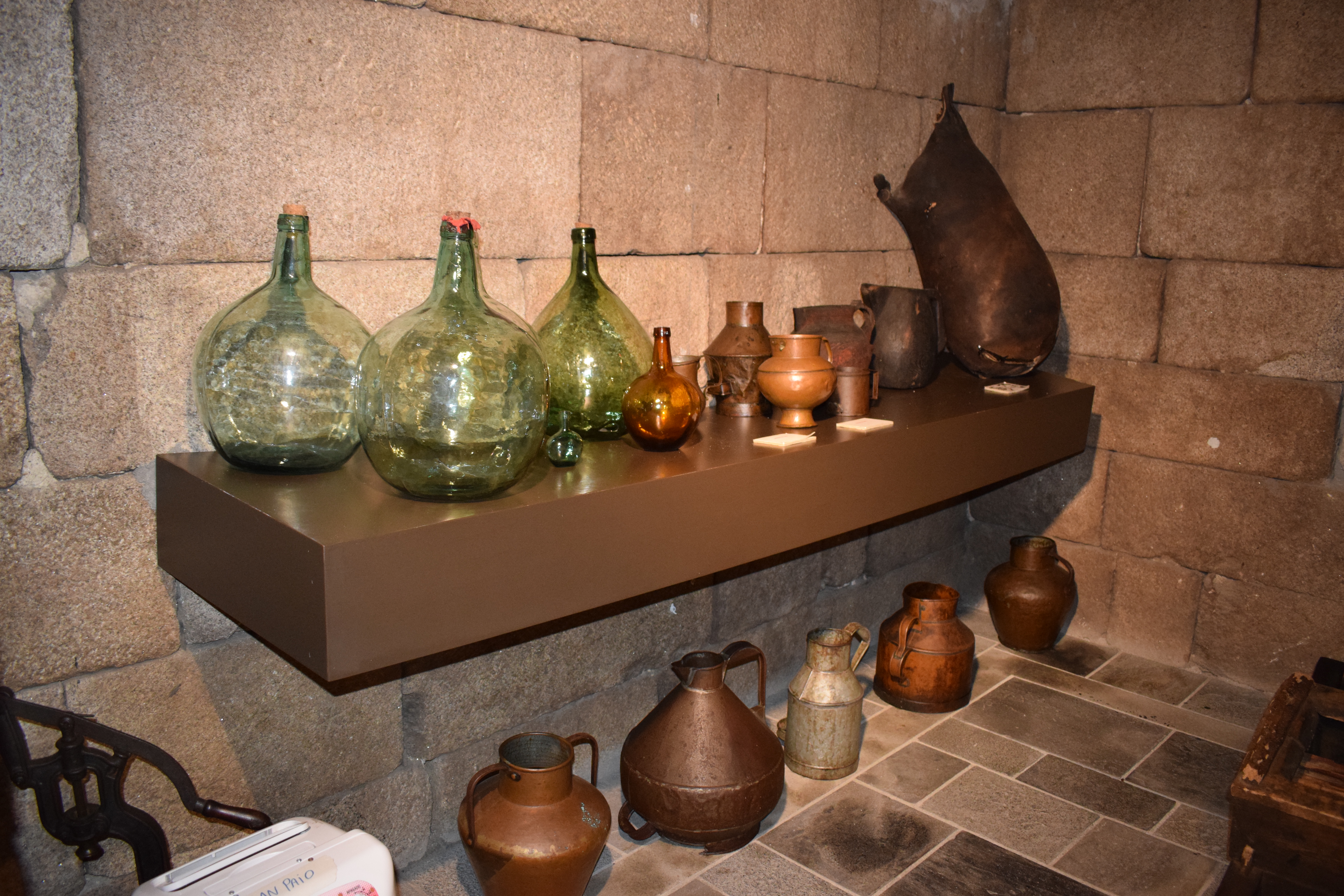
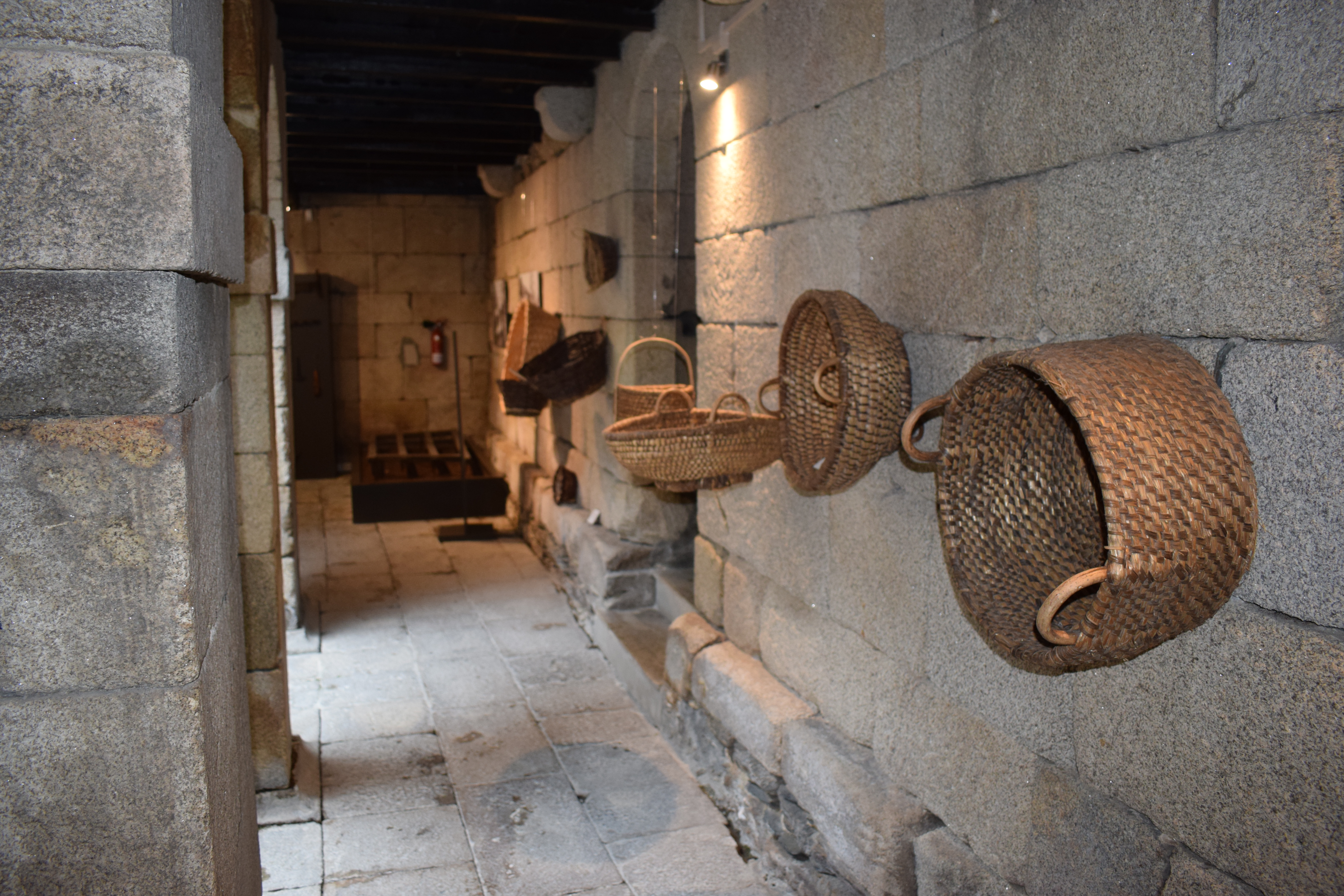
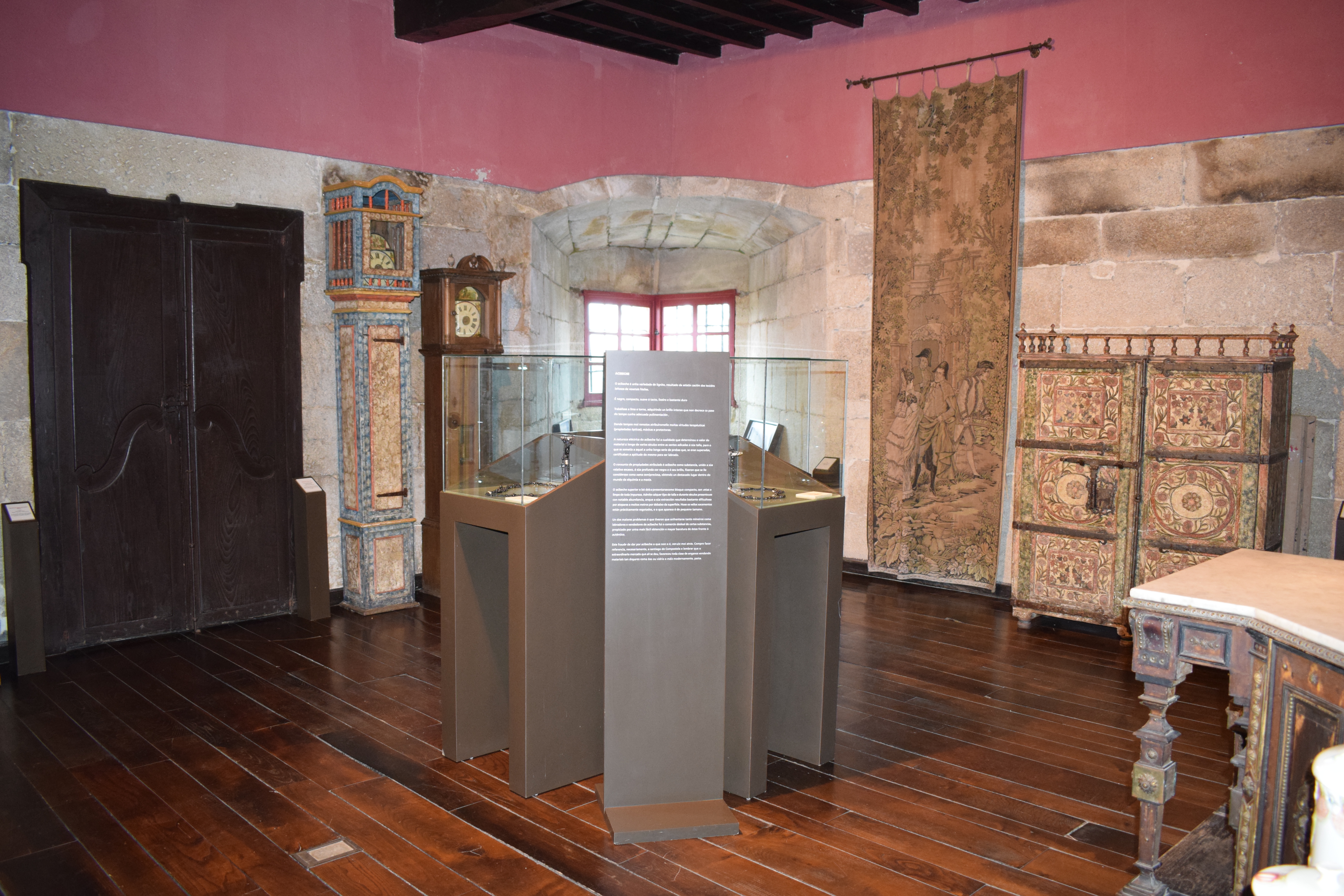
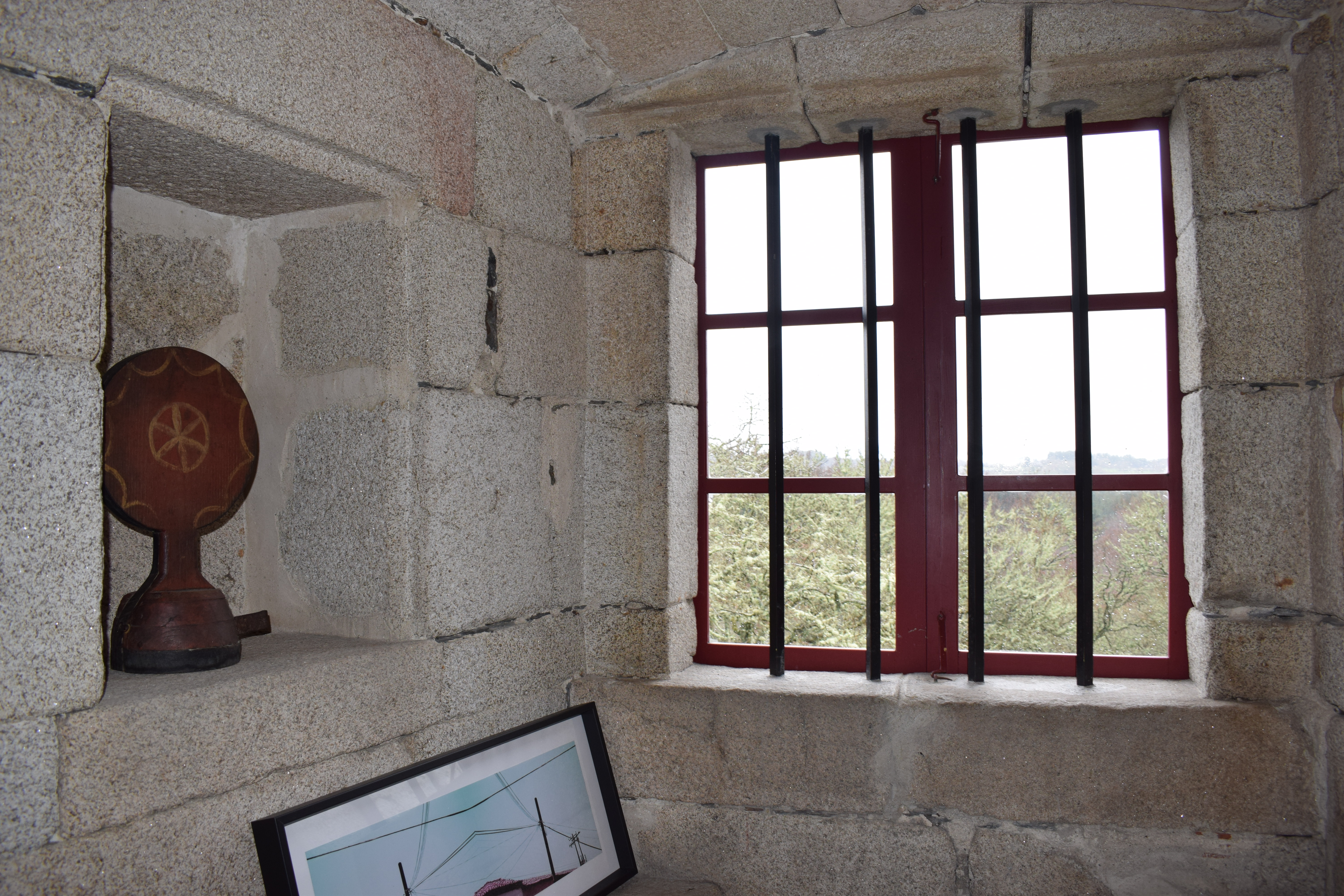
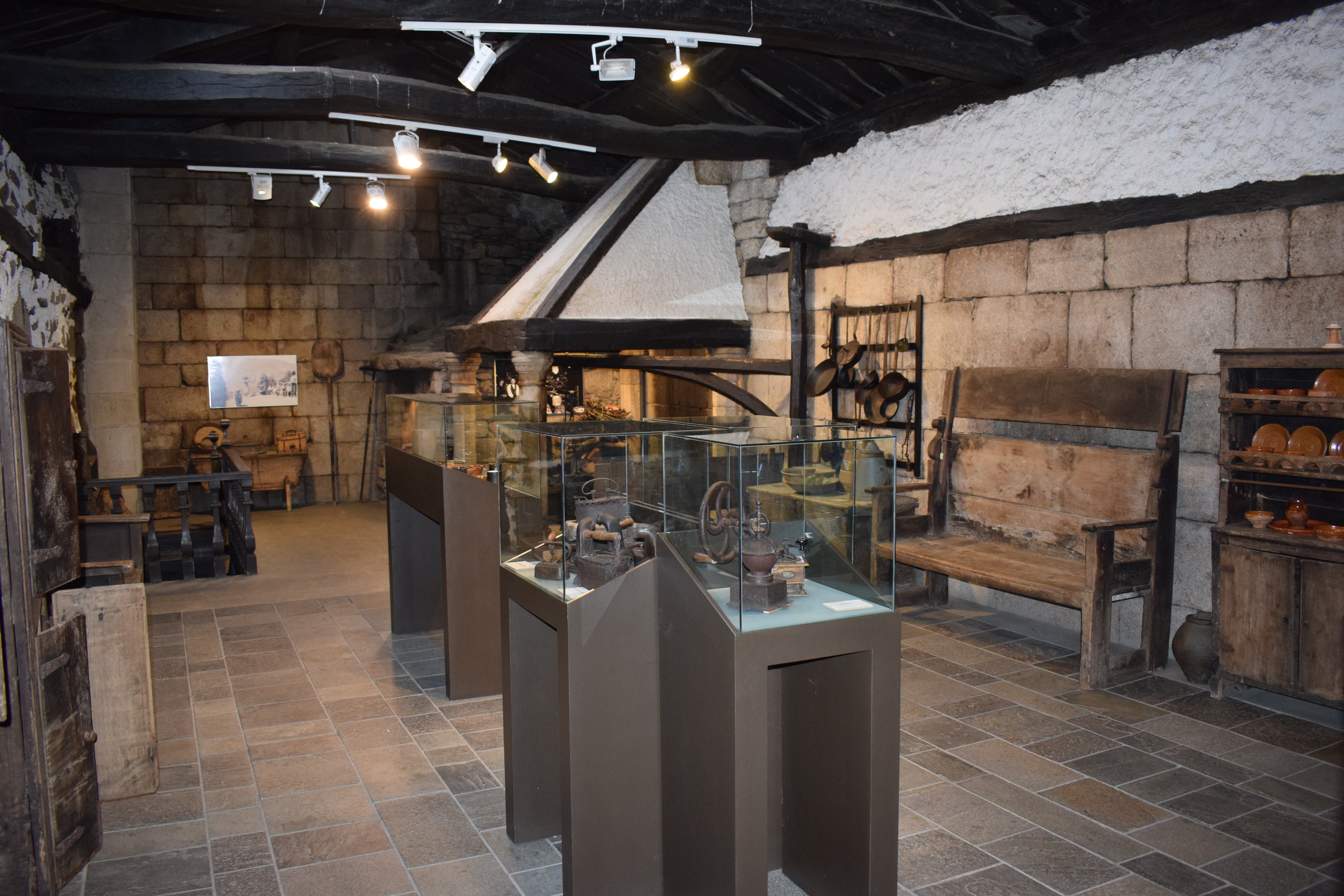
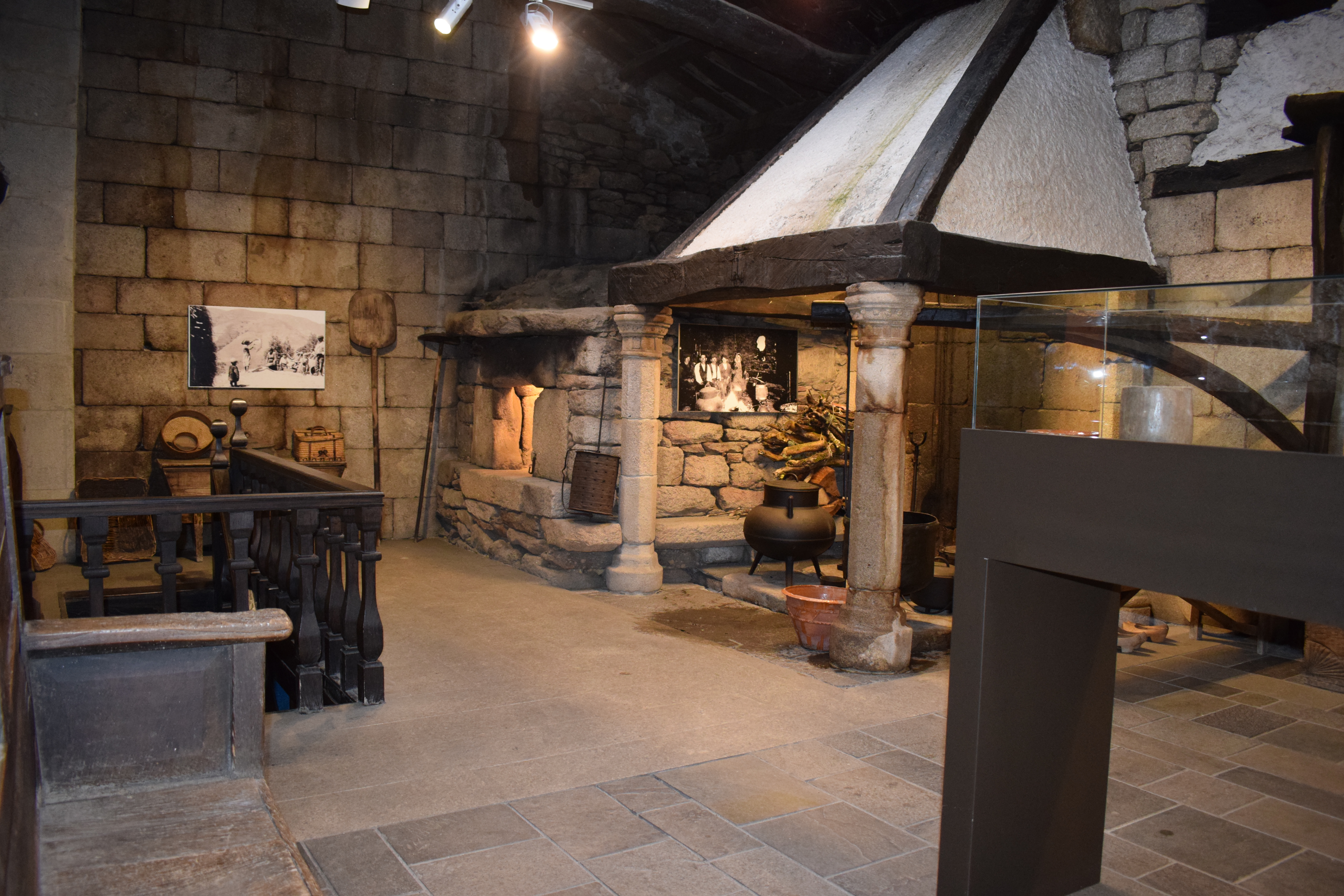
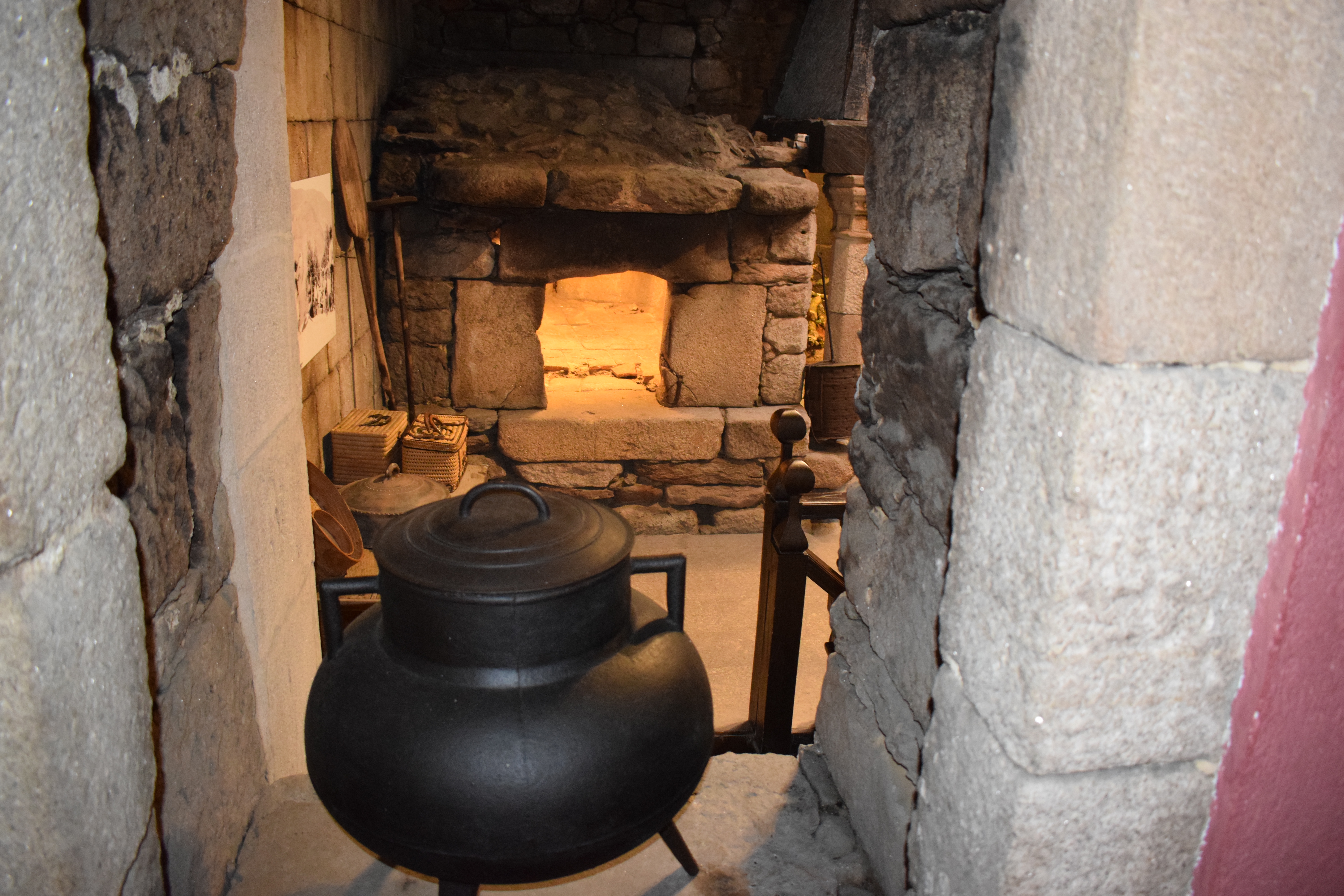
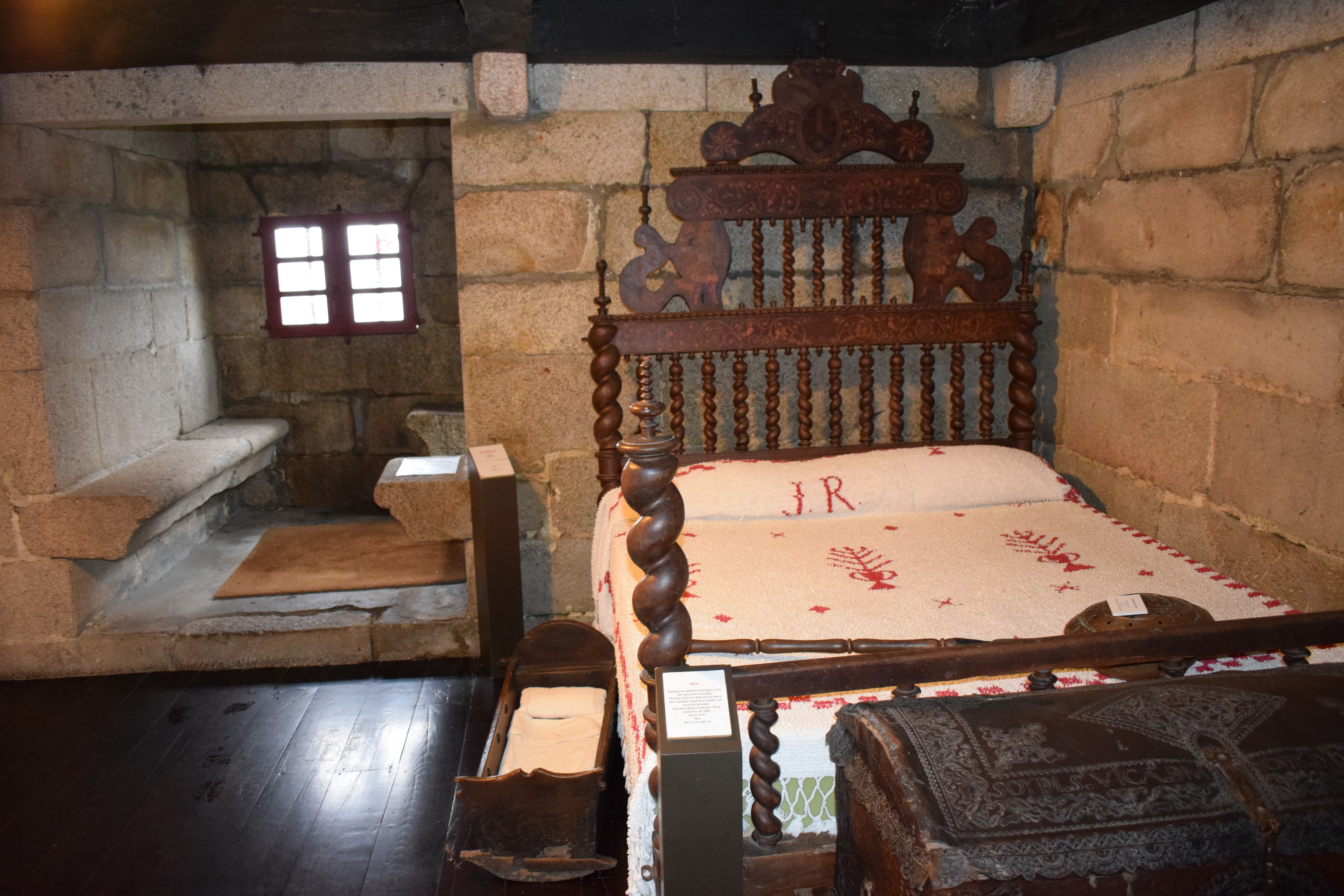
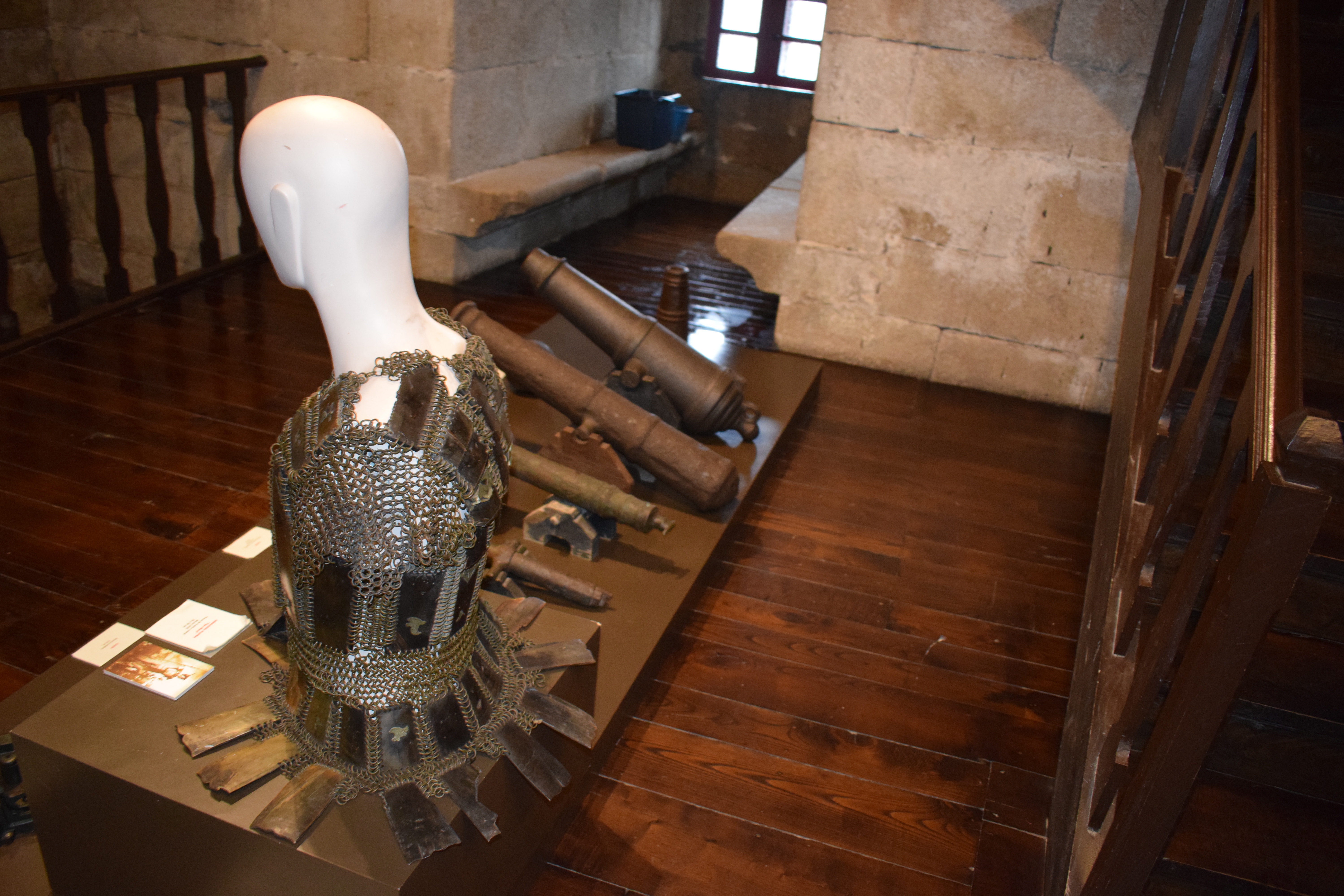
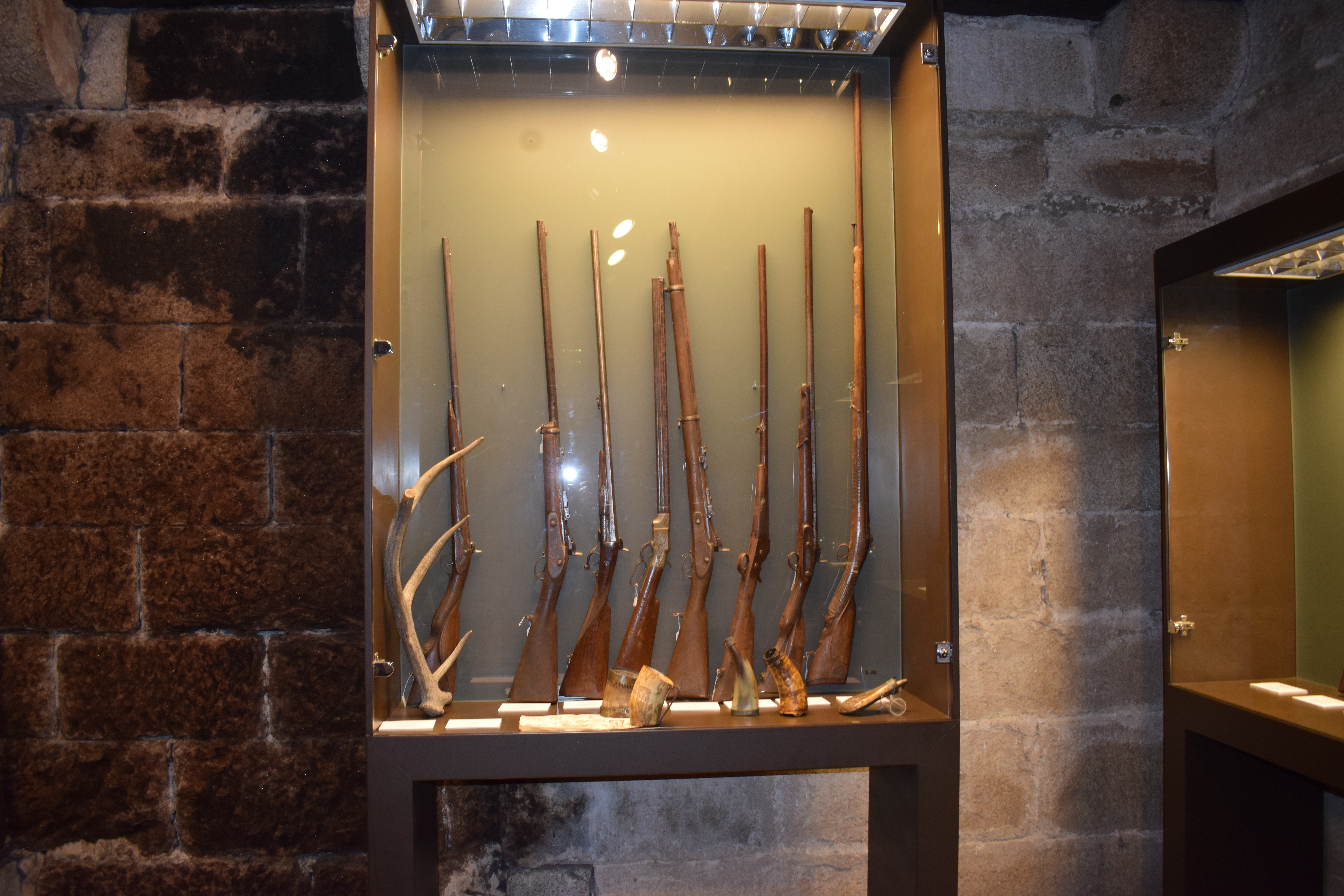
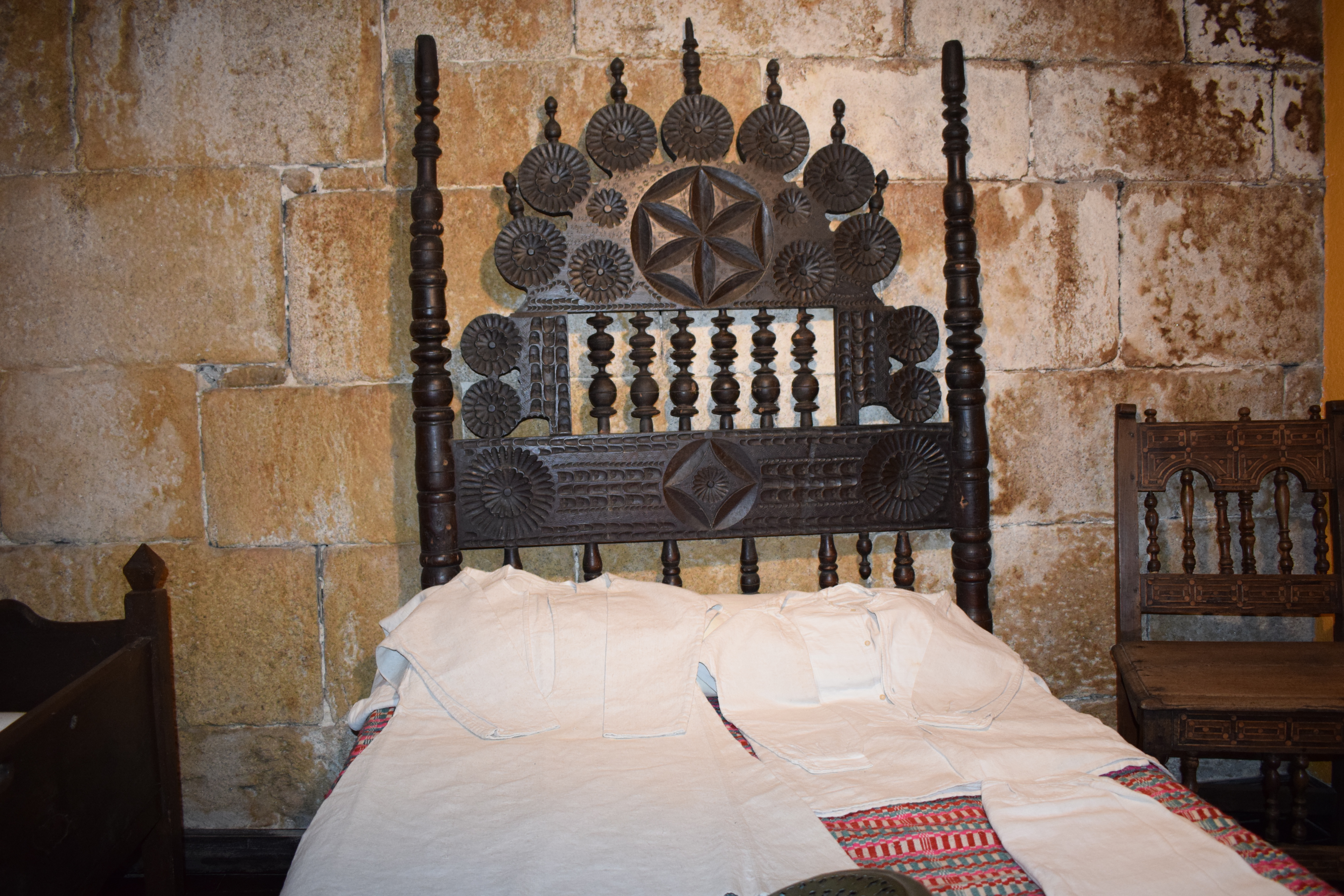
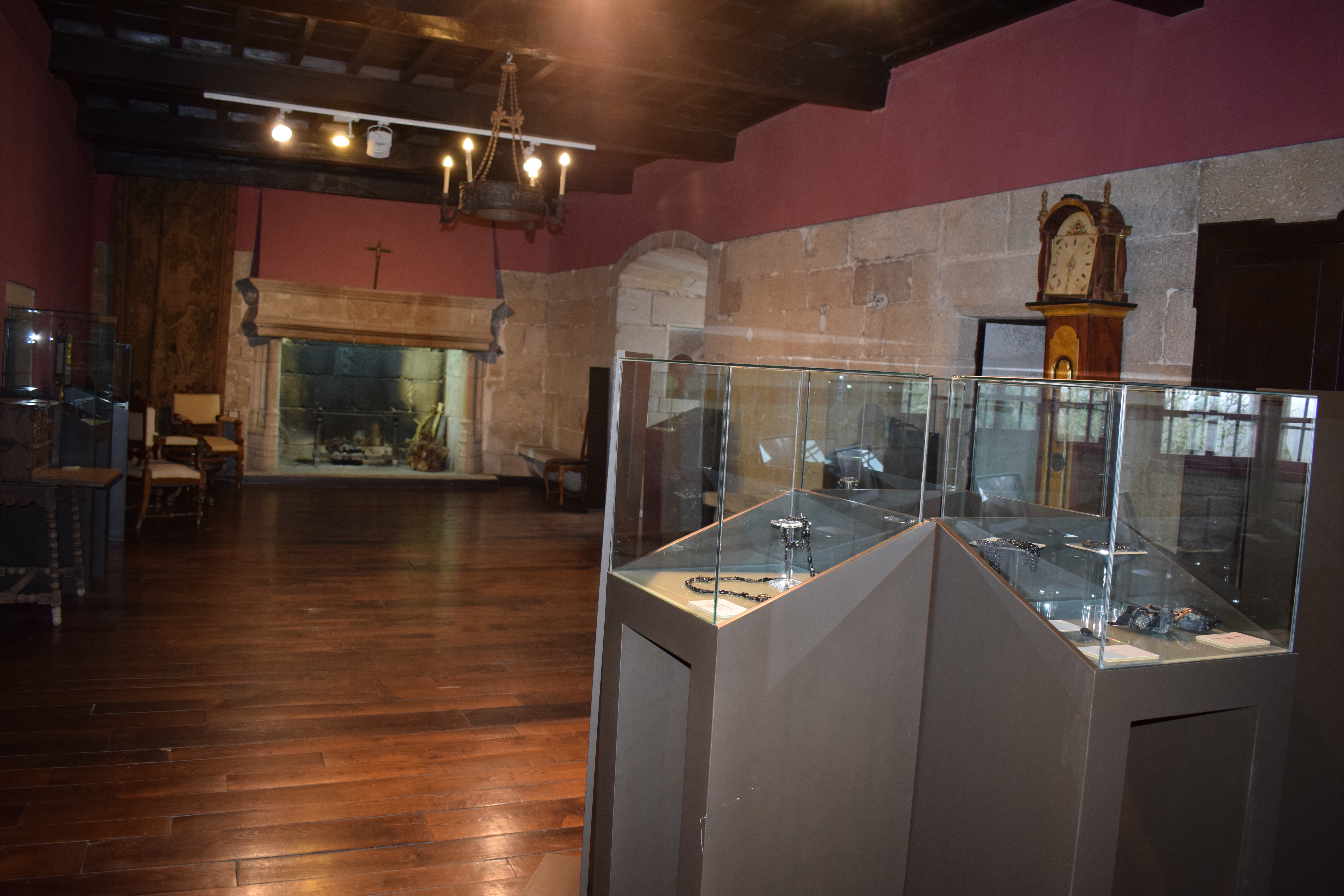
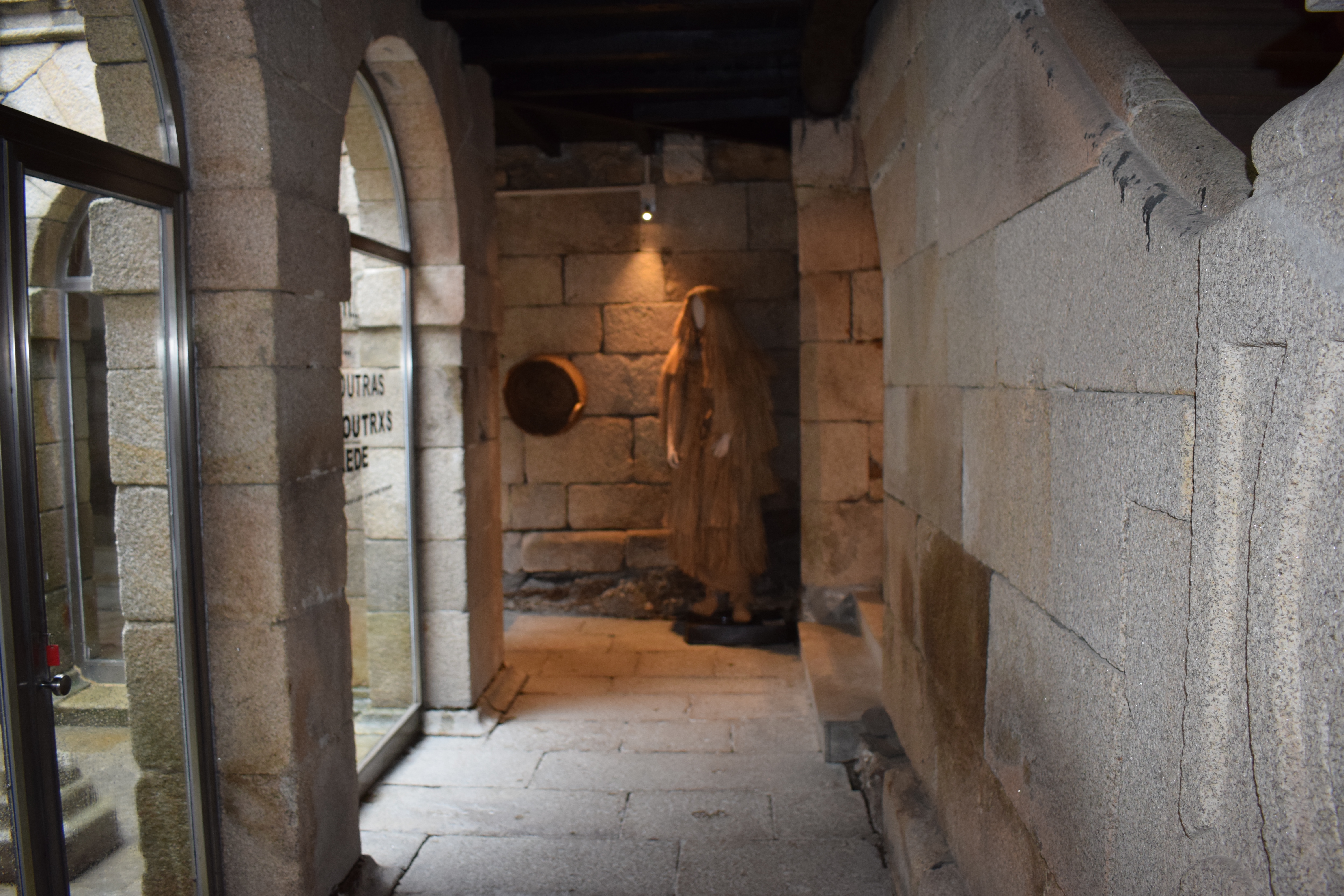
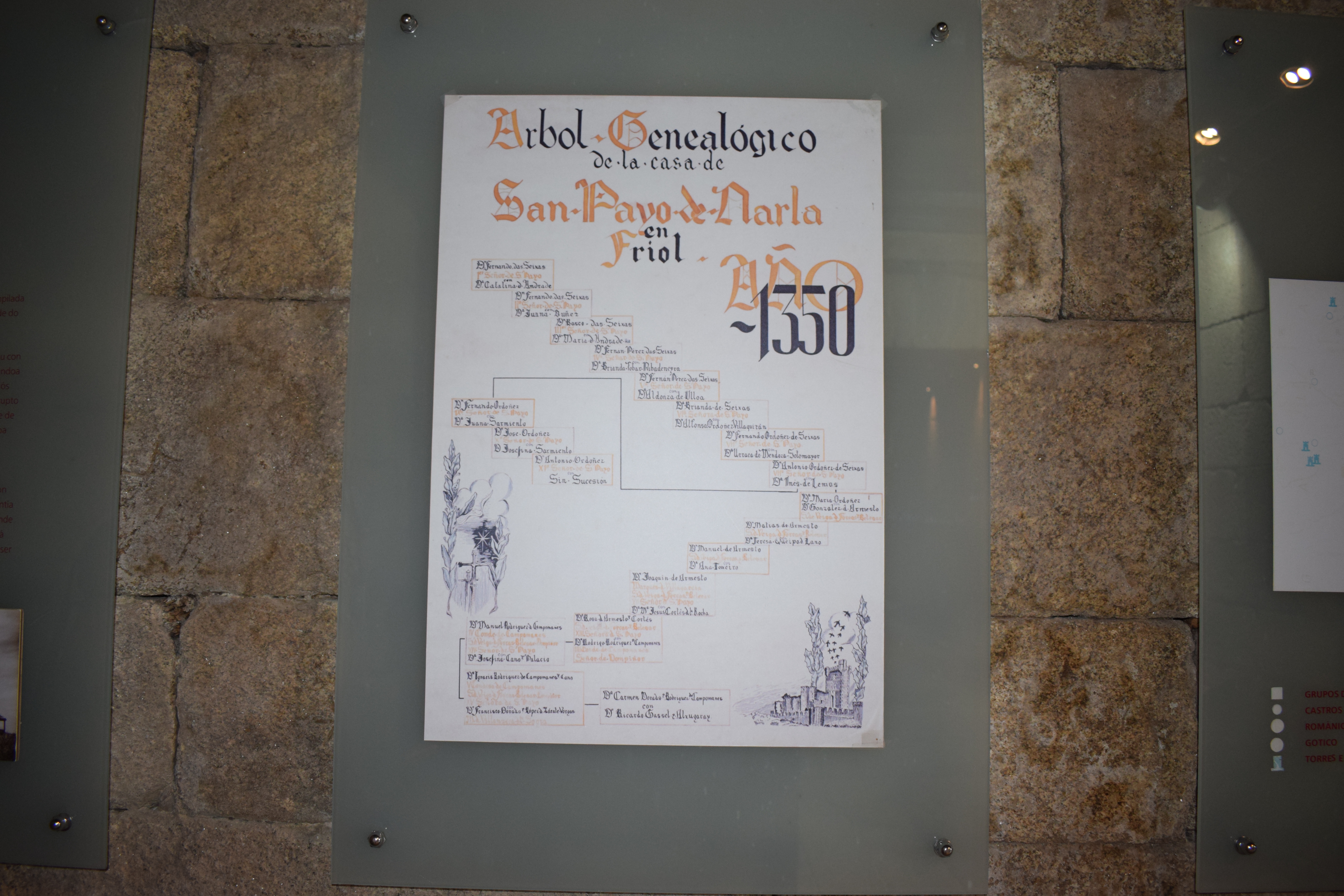
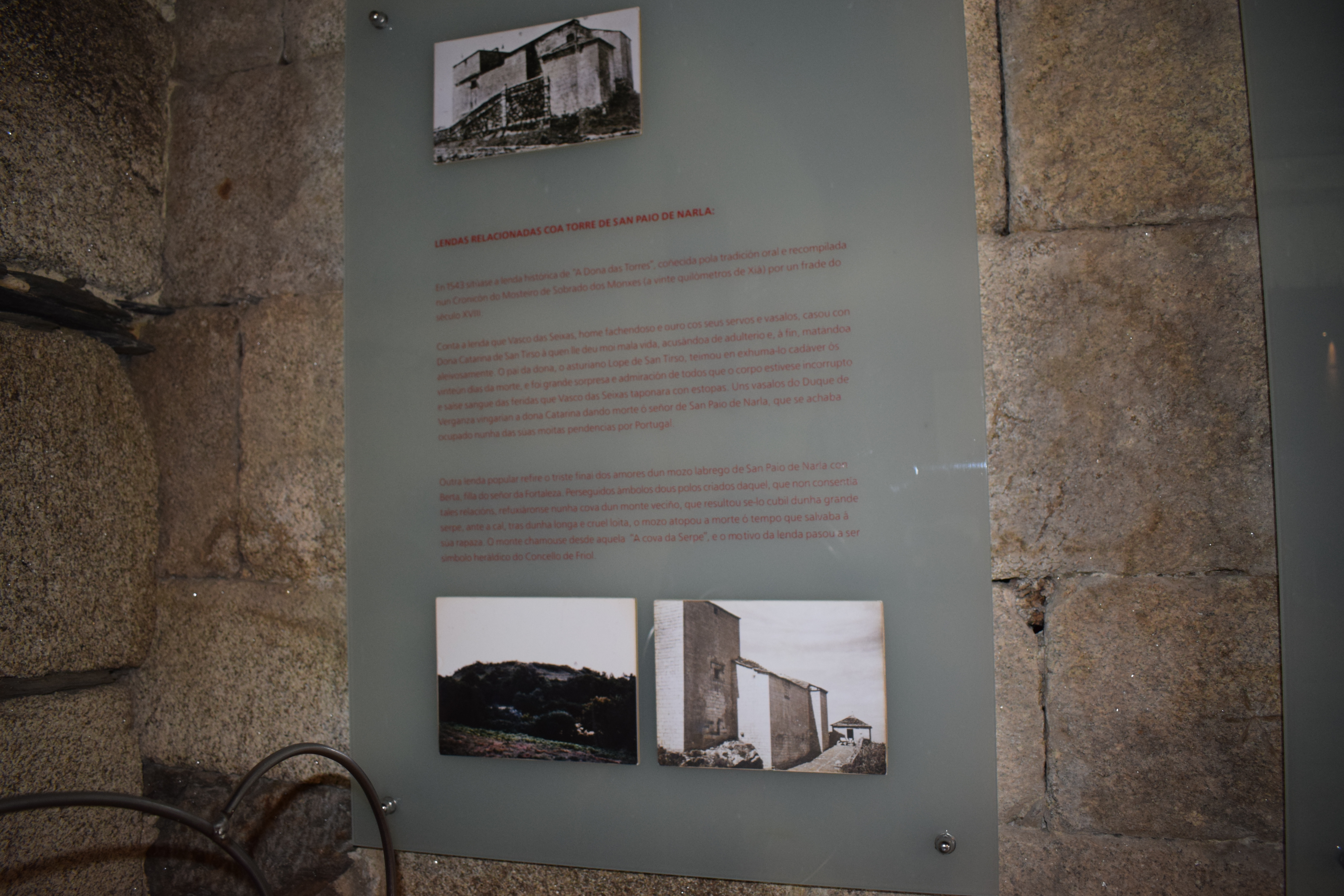
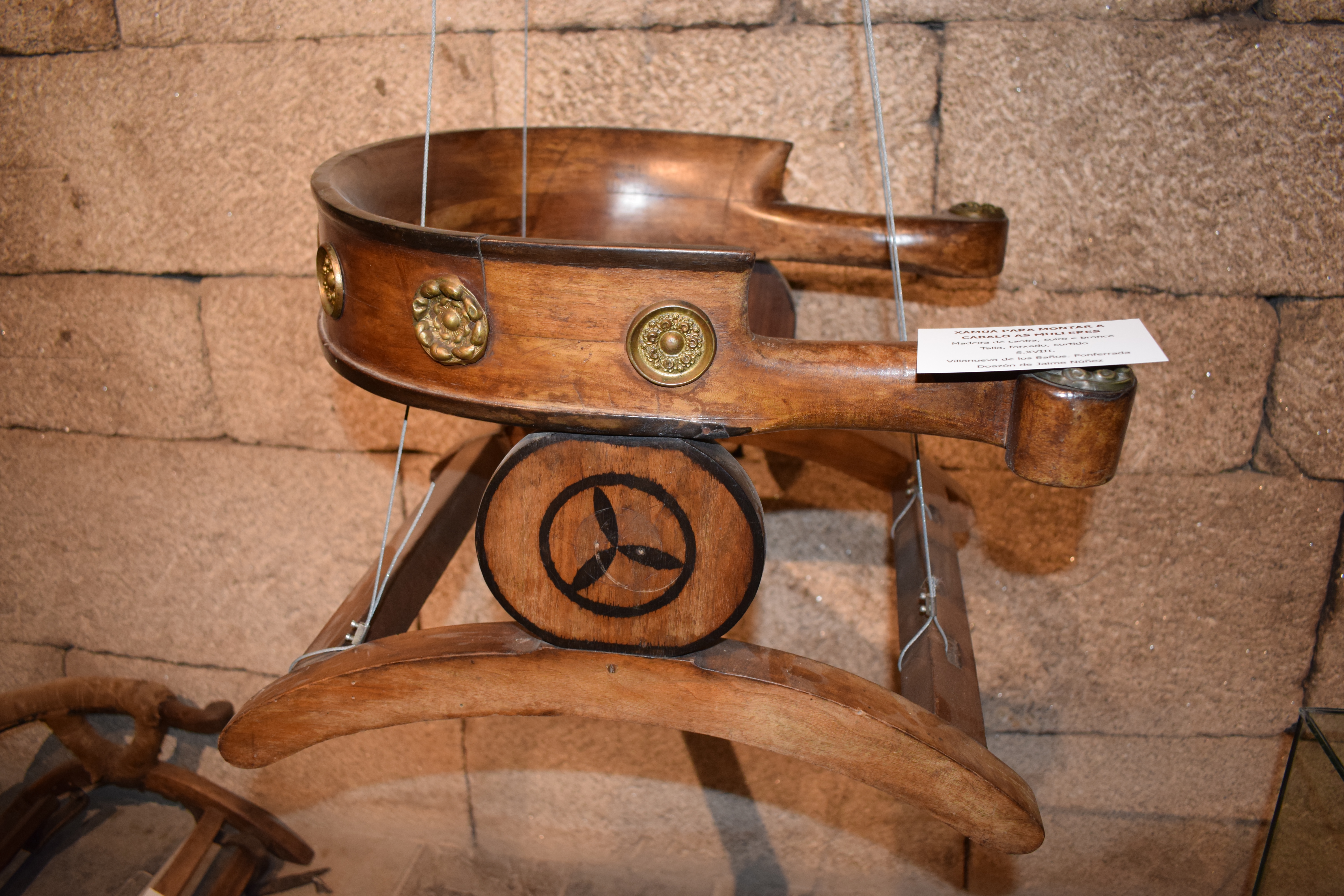
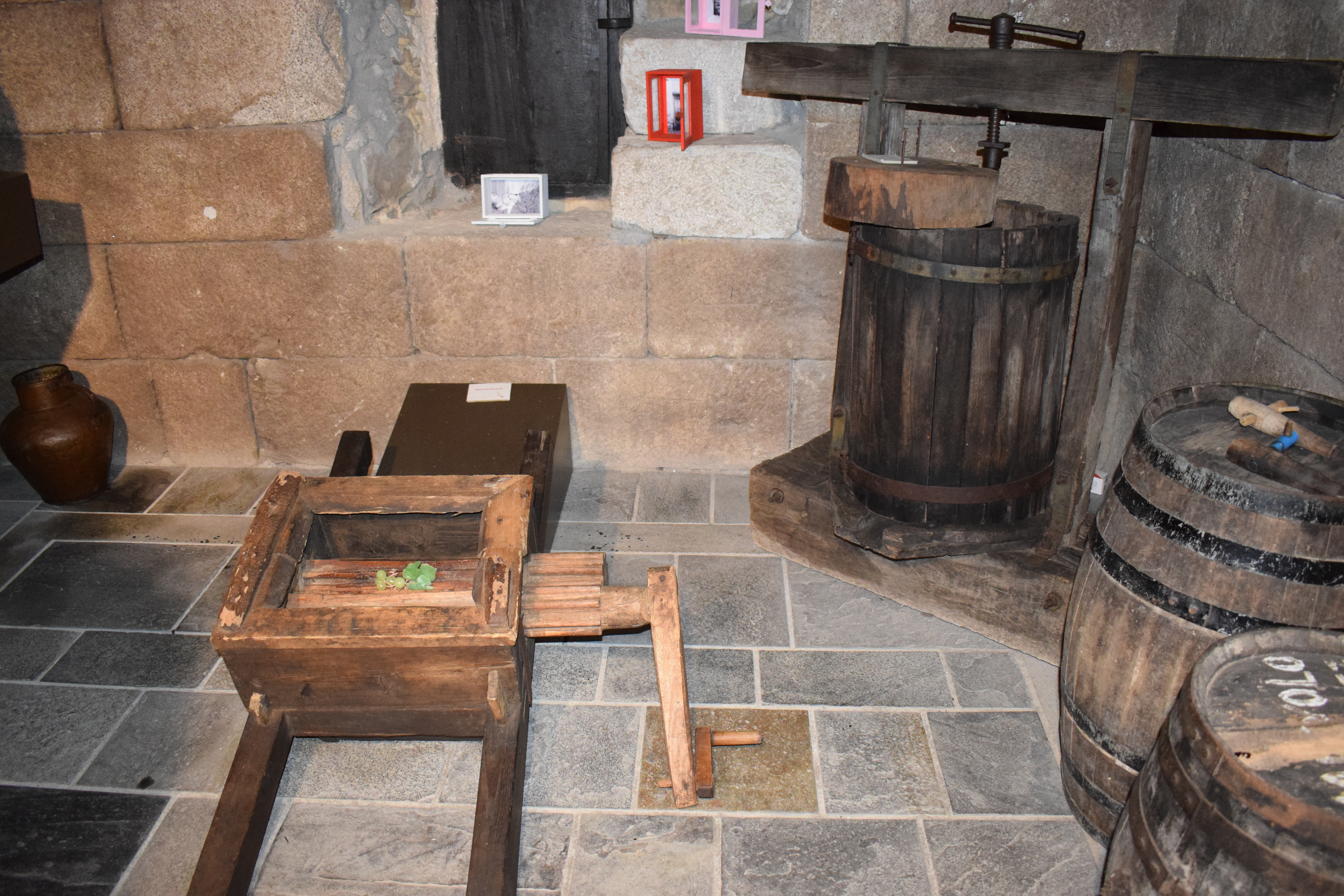
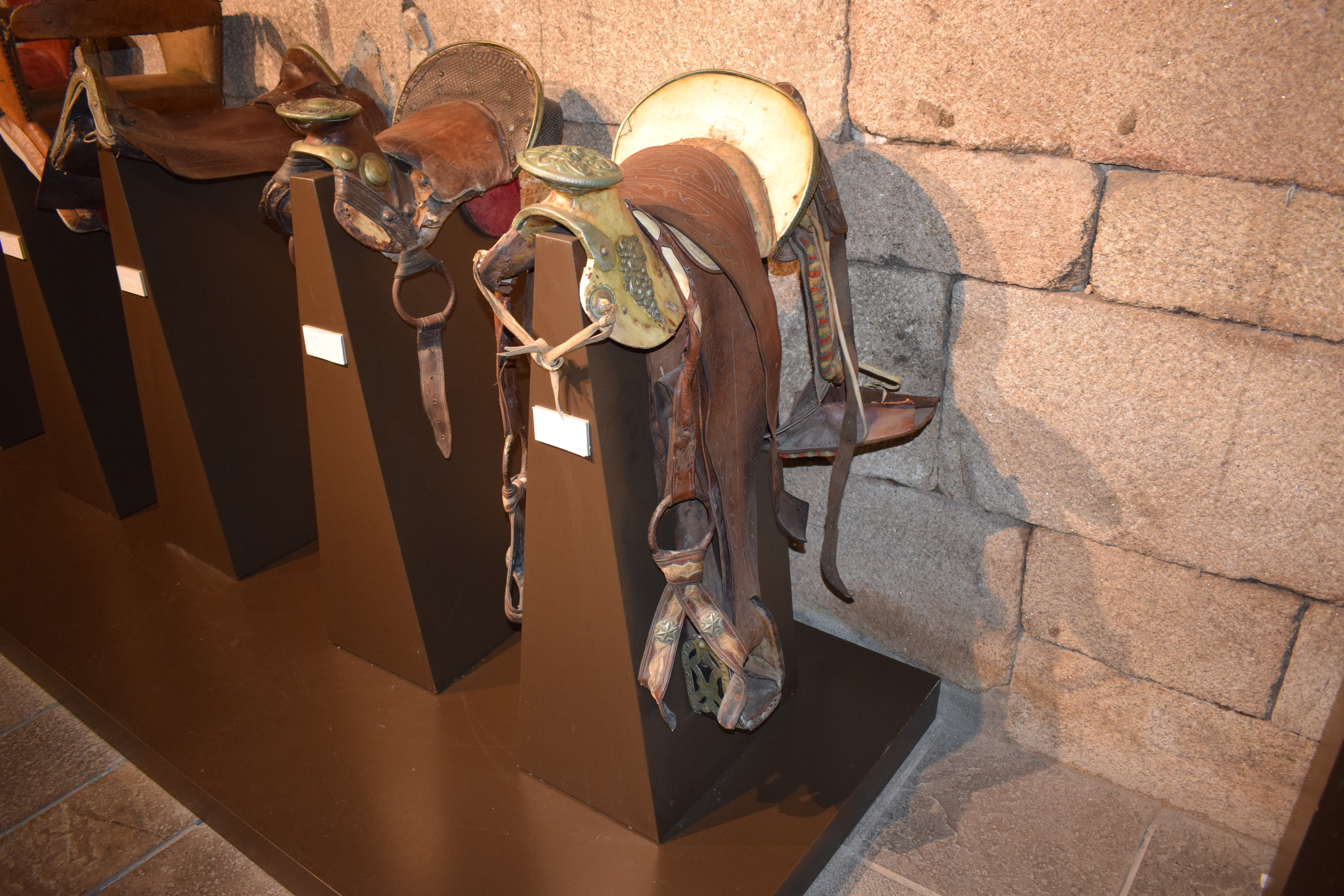
The Fortress of San Paio de Narla was purchased in 1939 by the Provincial Council of Lugo. In 1983 was turned into an etnographic and history museum, moving many etnographic collections from the Museum of Lugo.

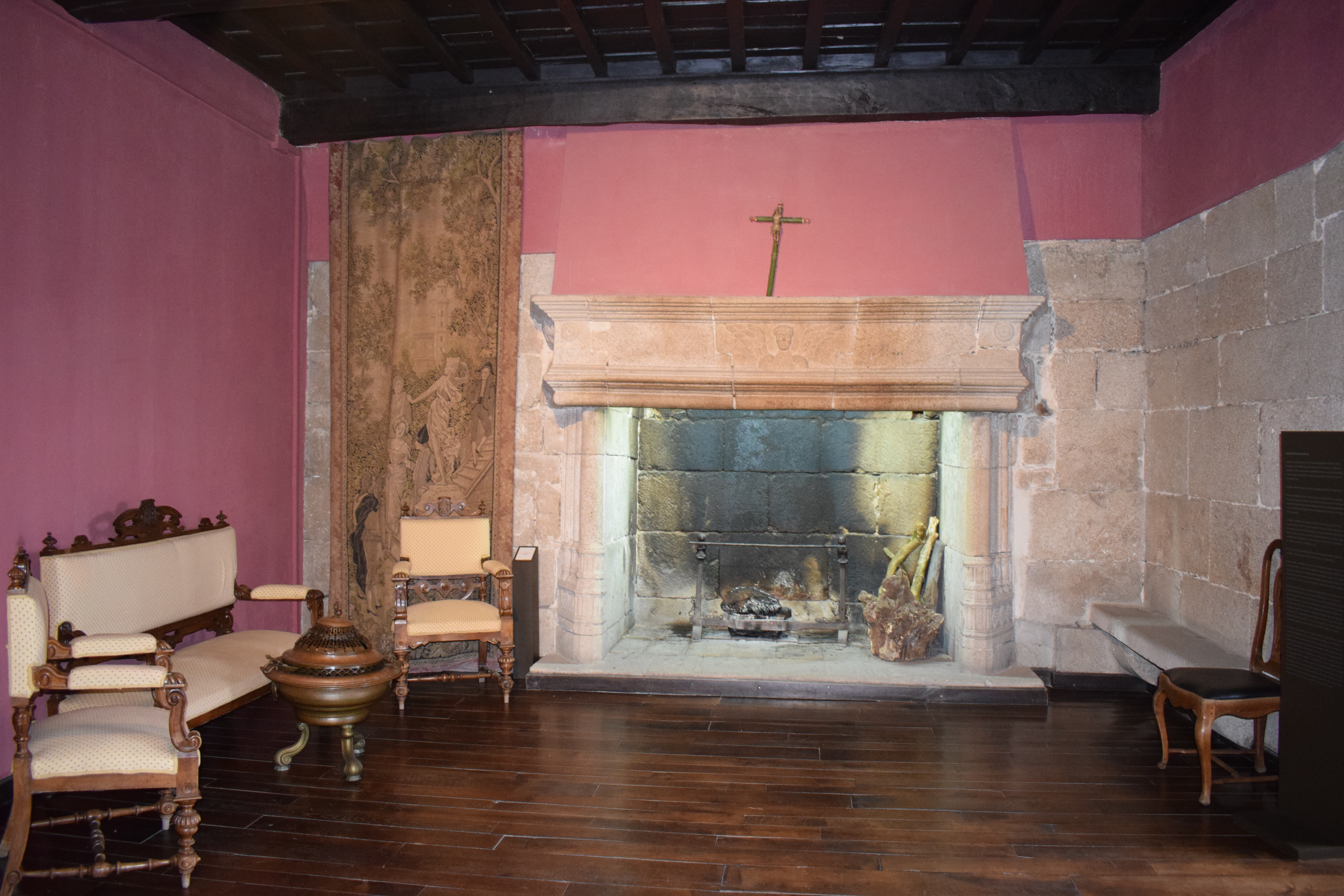
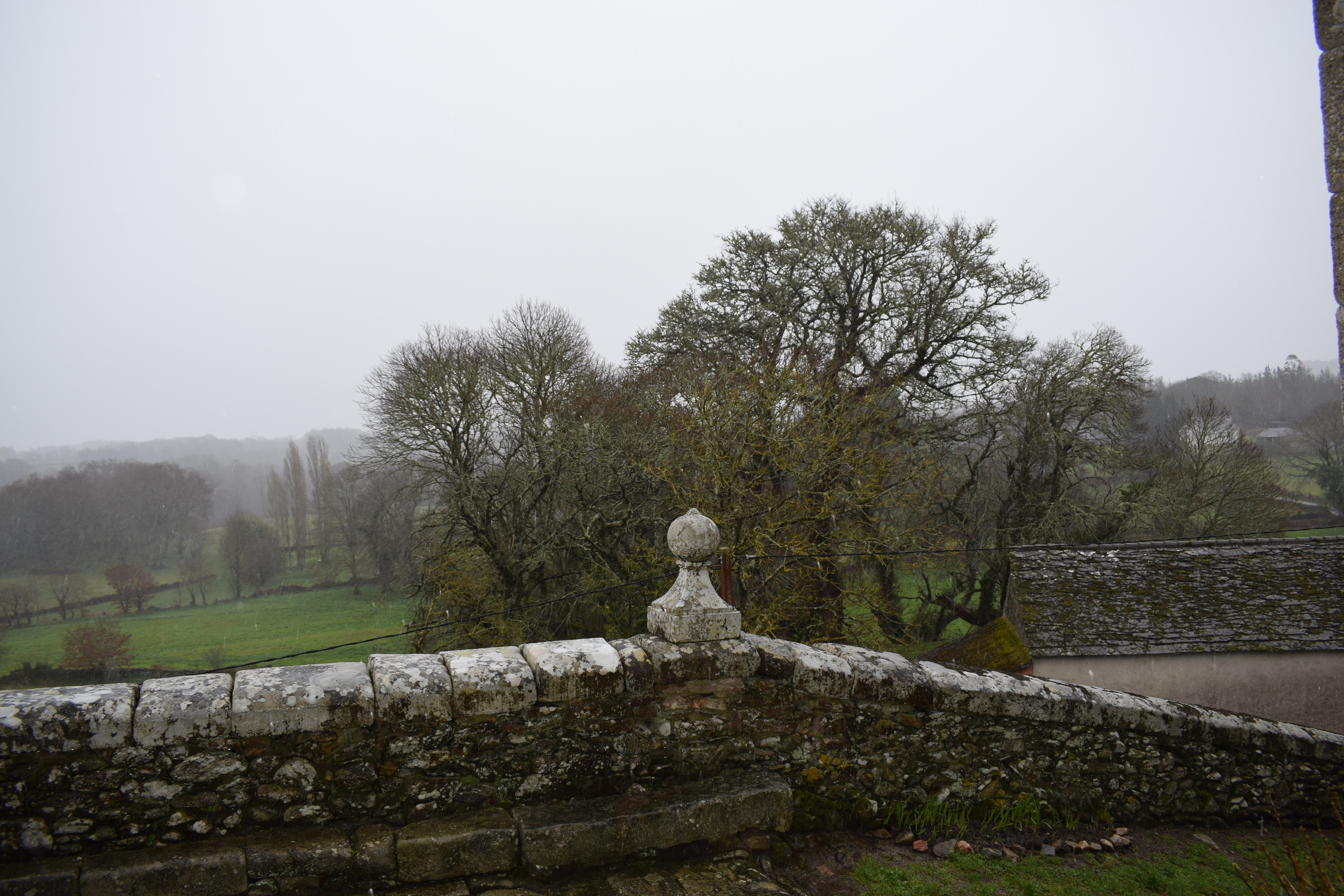
The fortress was destroyed during the 15th century Irmandiños disturbances and rebuilt during the following 16th and 17th centuries. The central part is flanked by the Homenaxe Tour (Homenage Tour) and a large turret.

Concello, Comarca ou Provincia

Museo do Pobo Galego

English

    www.museodopobo.gal
    Mosteiro de San Domingos de Bonaval
    15703 Santiago de Compostela
    Tlf. 981583620 Fax 981554840
    info@museodopobo.gal

San Domingos de Bonaval, nº s/n 15703 Santiago de Compostela (A Coruña)
Museo do Pobo Galego (Santiago de Compostela)

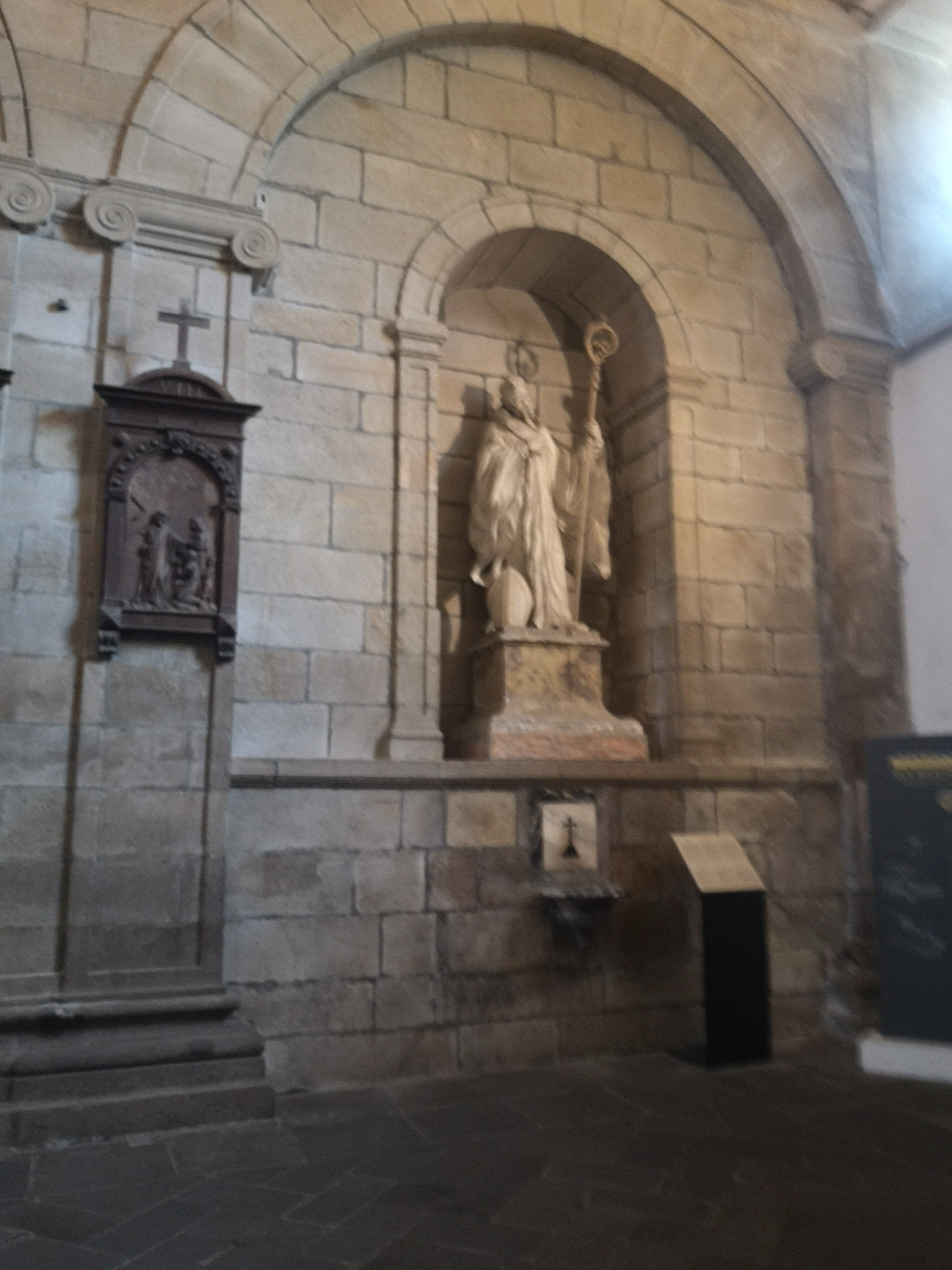
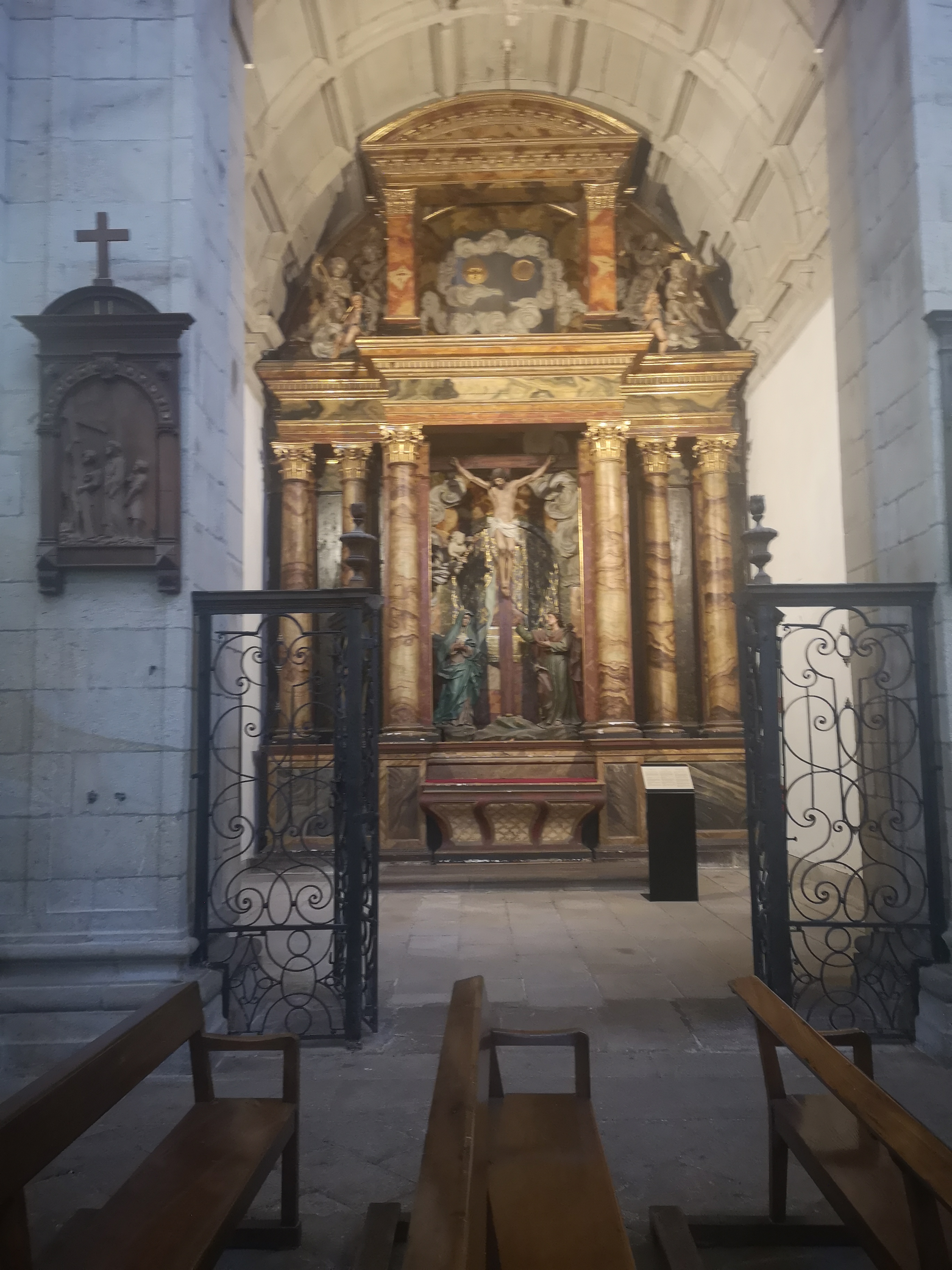
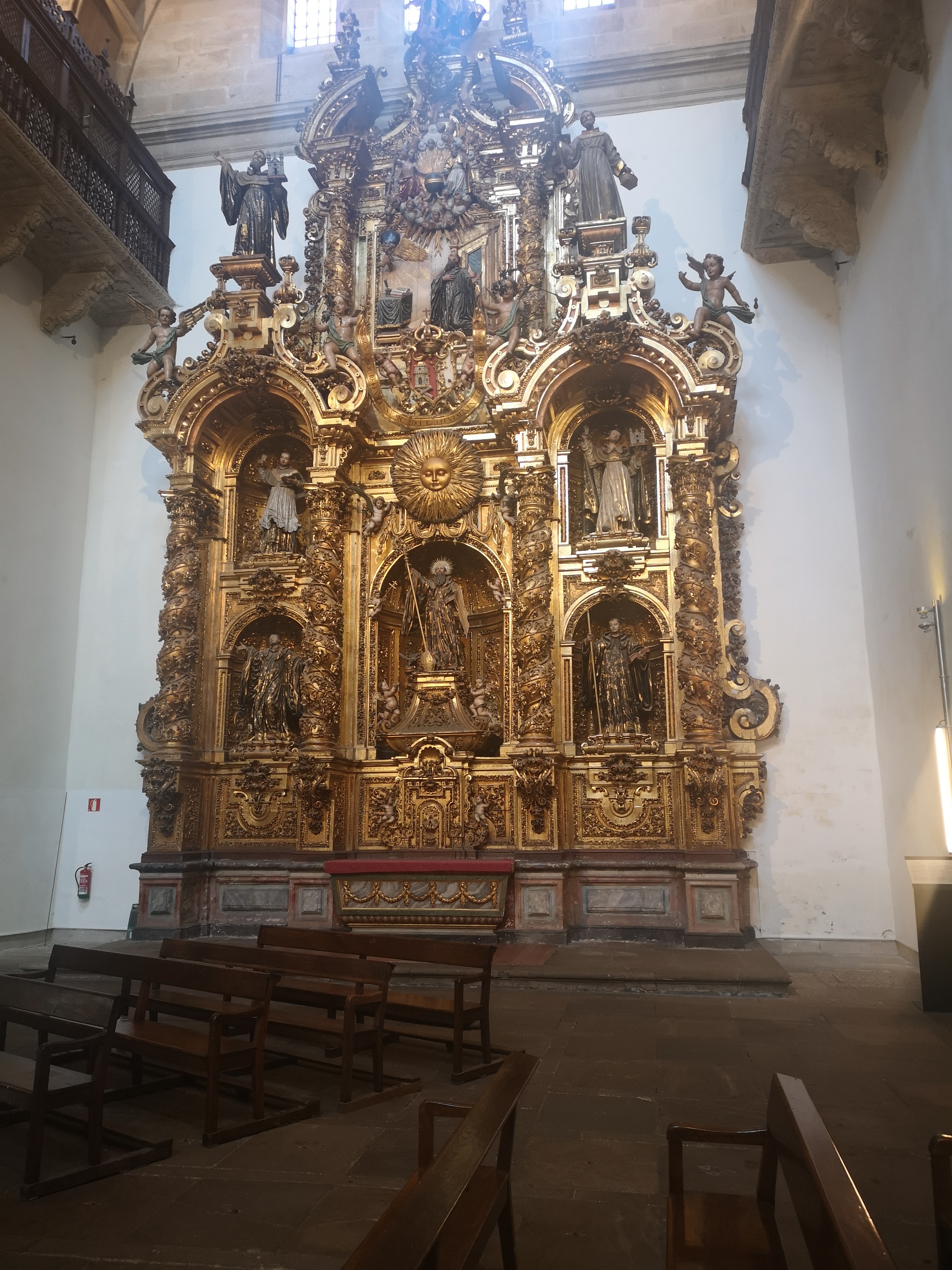
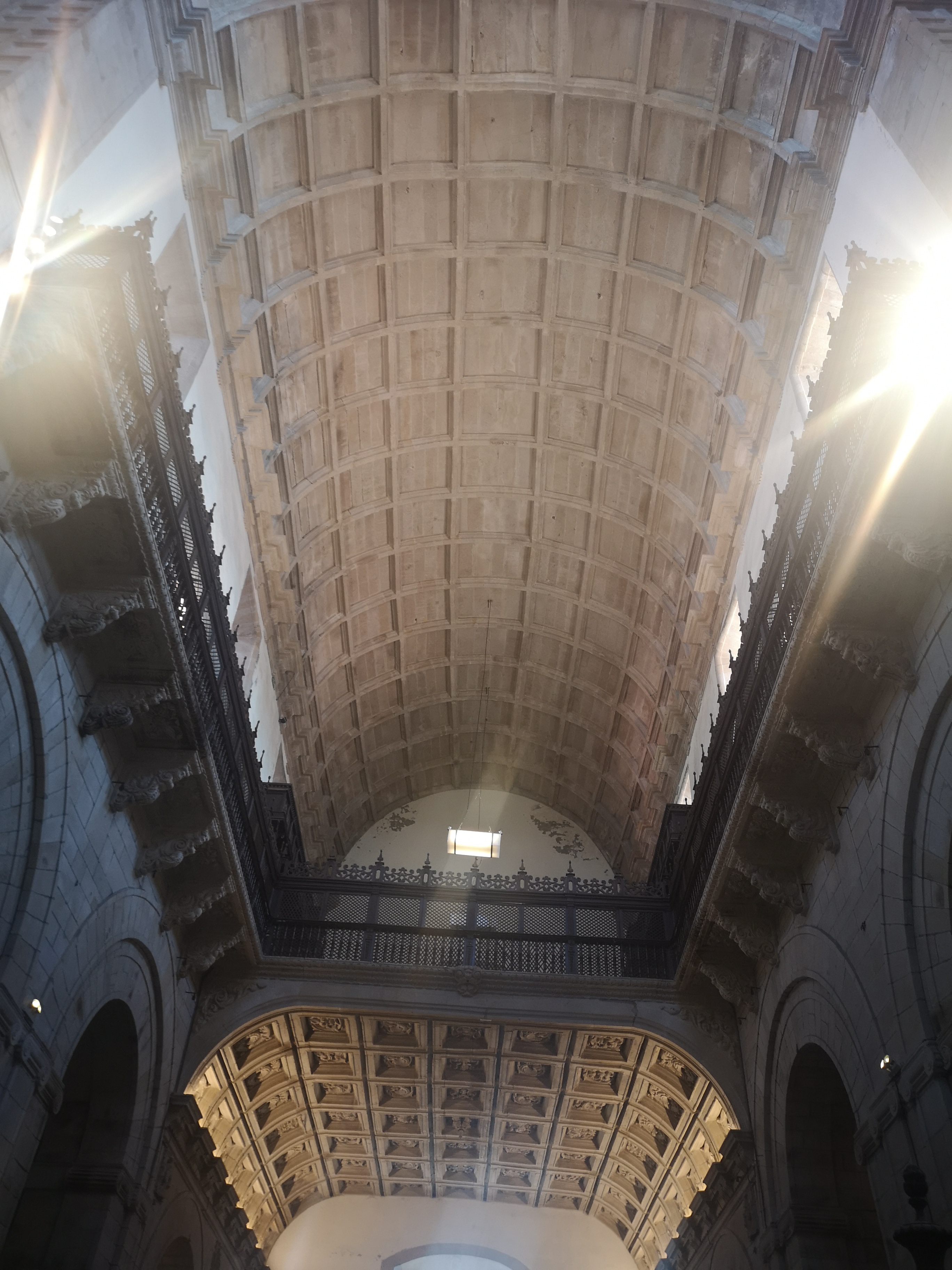
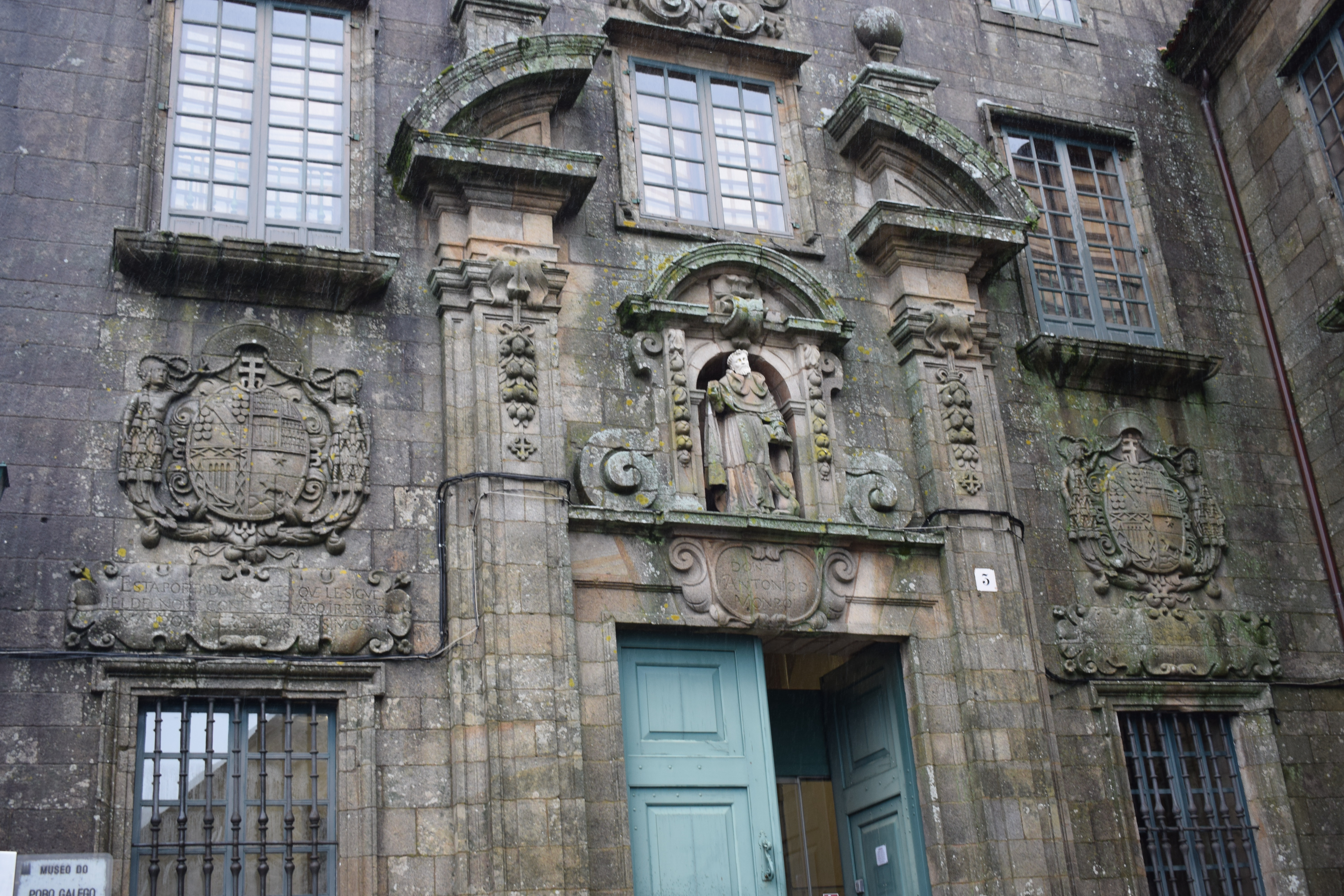
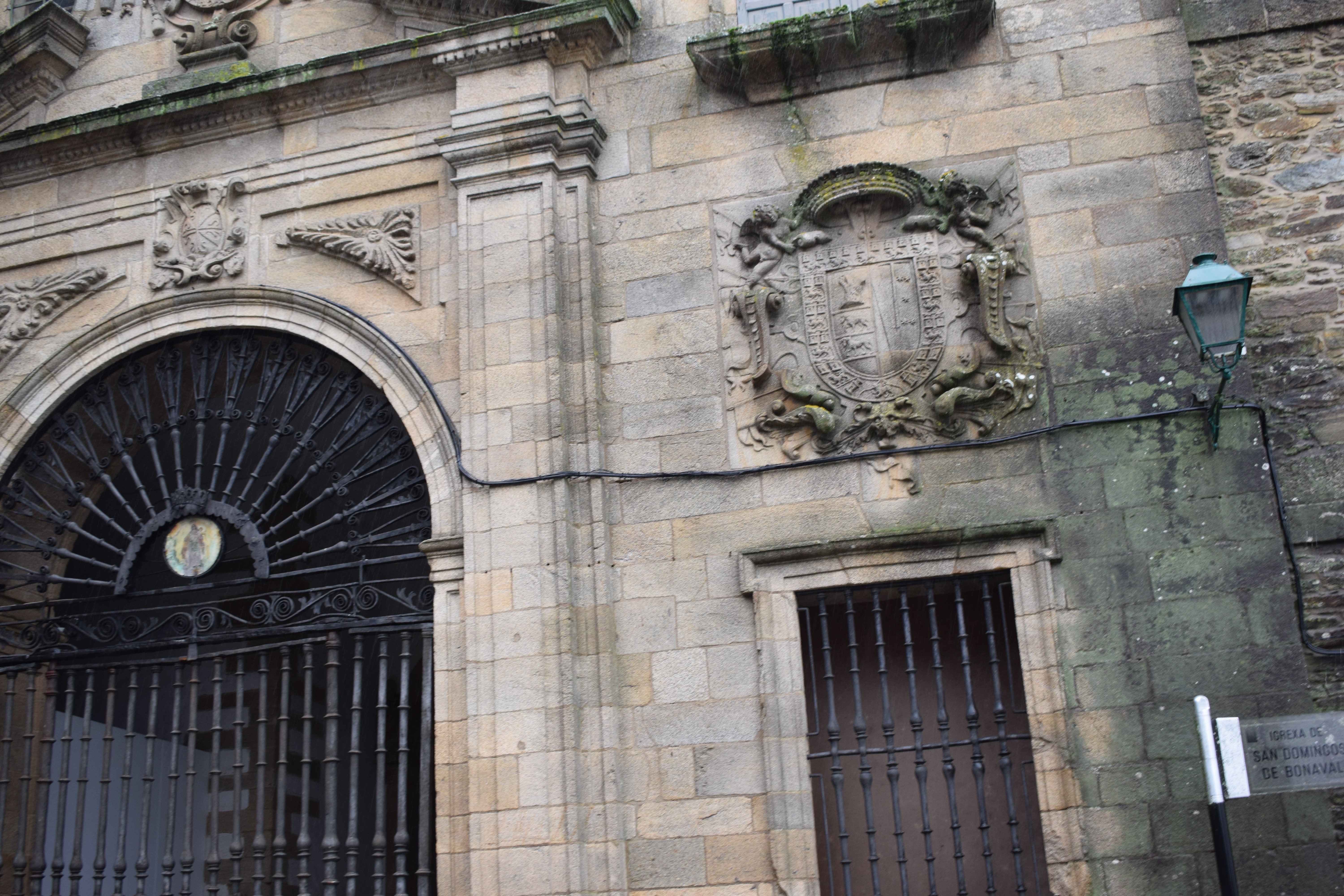
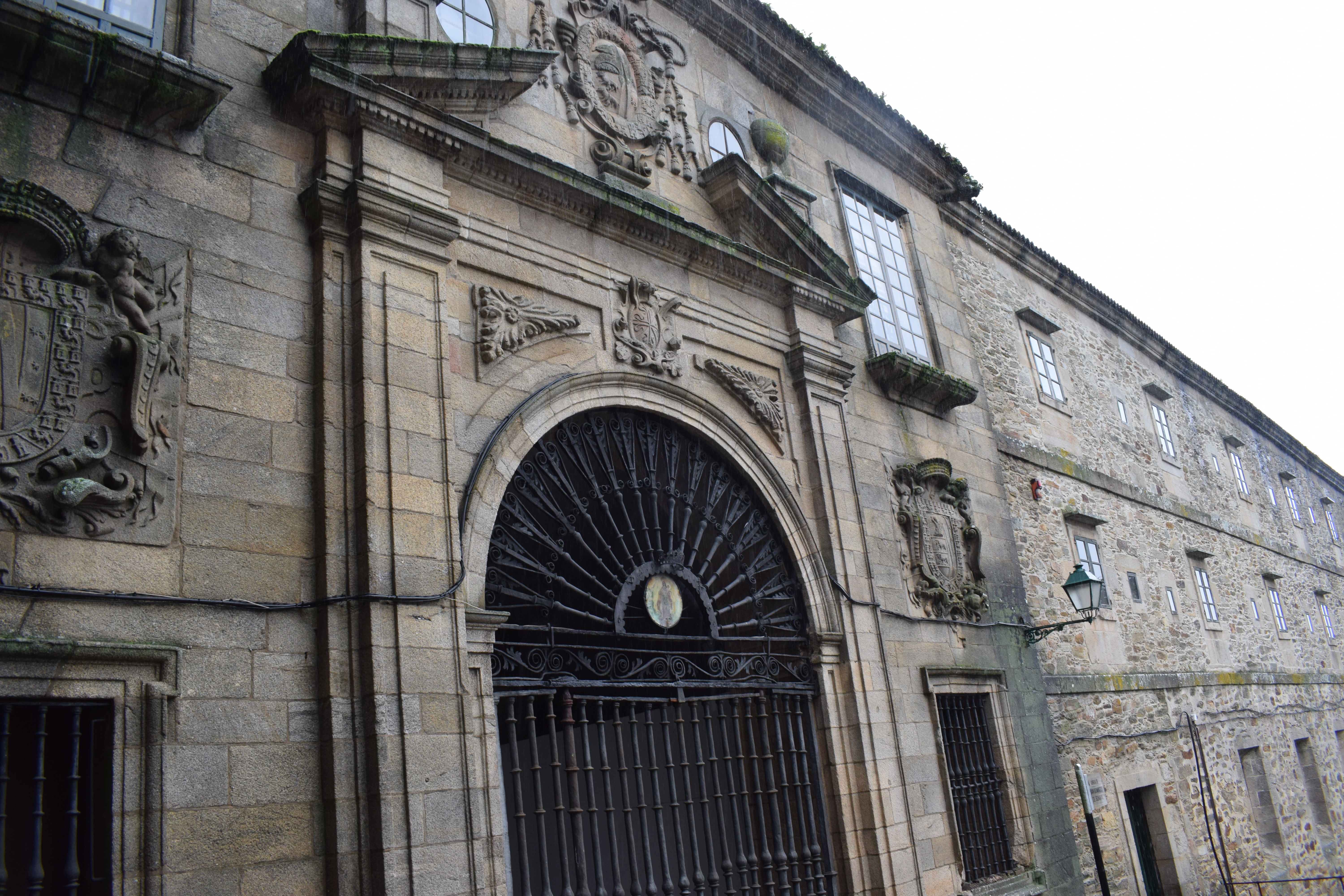
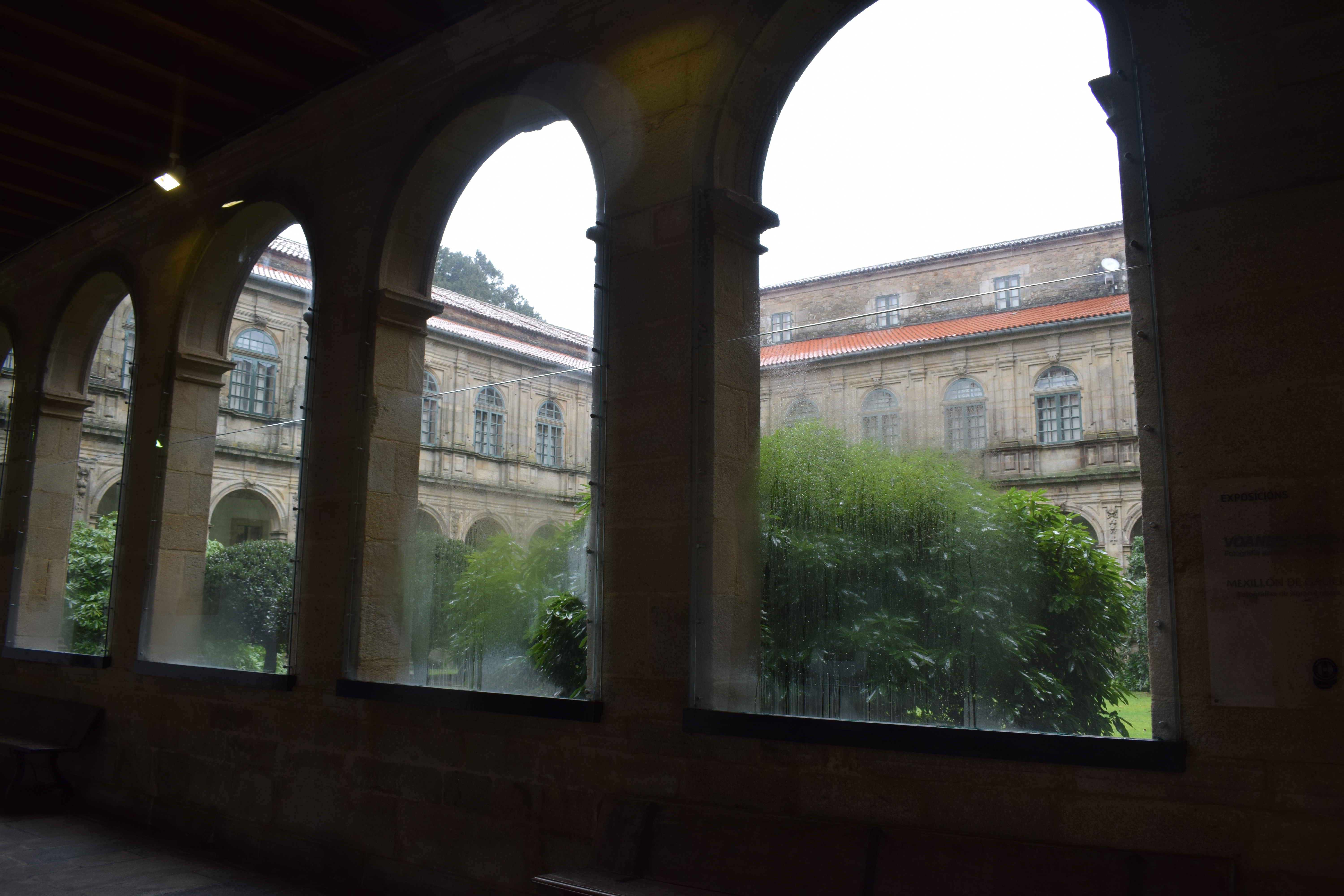
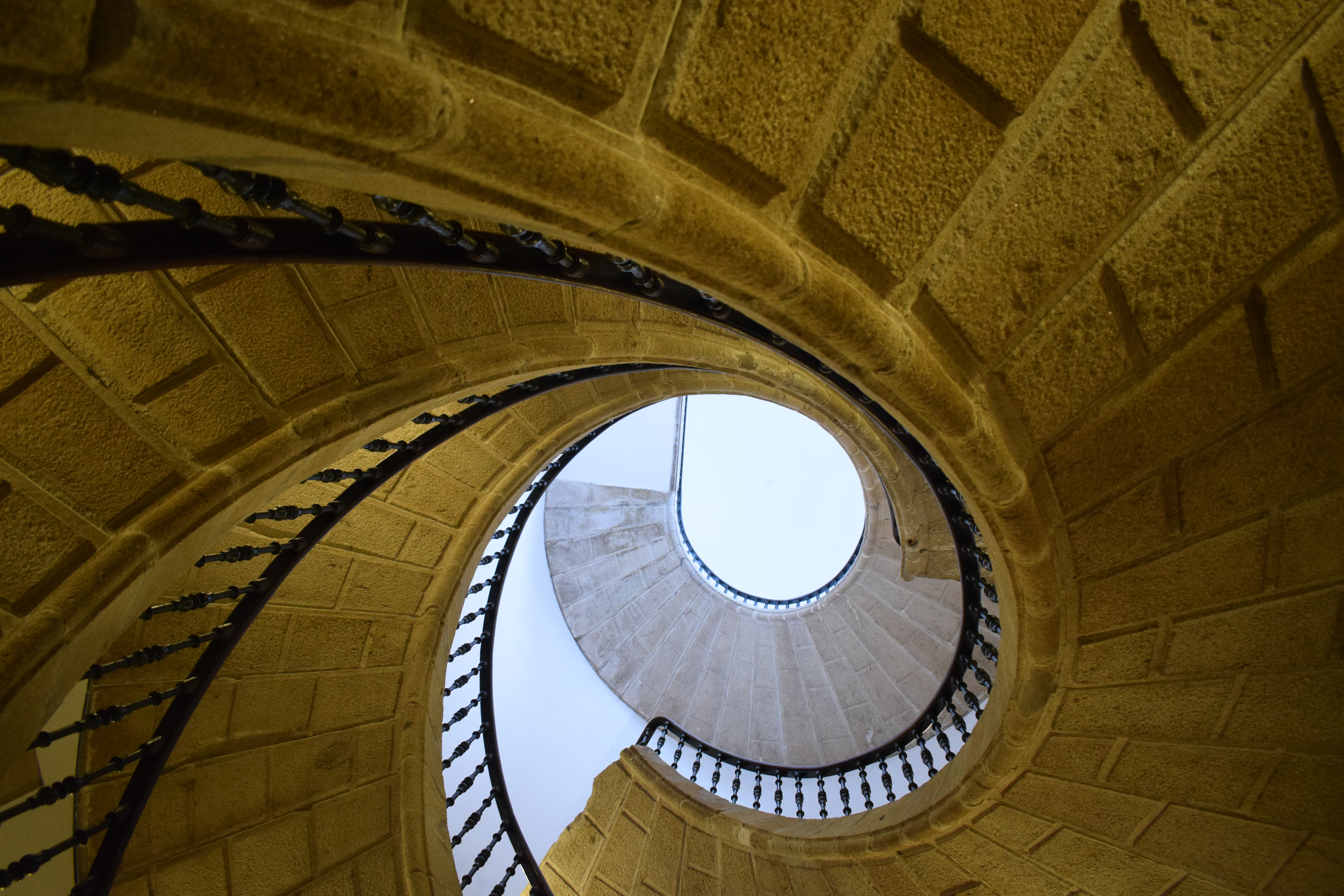
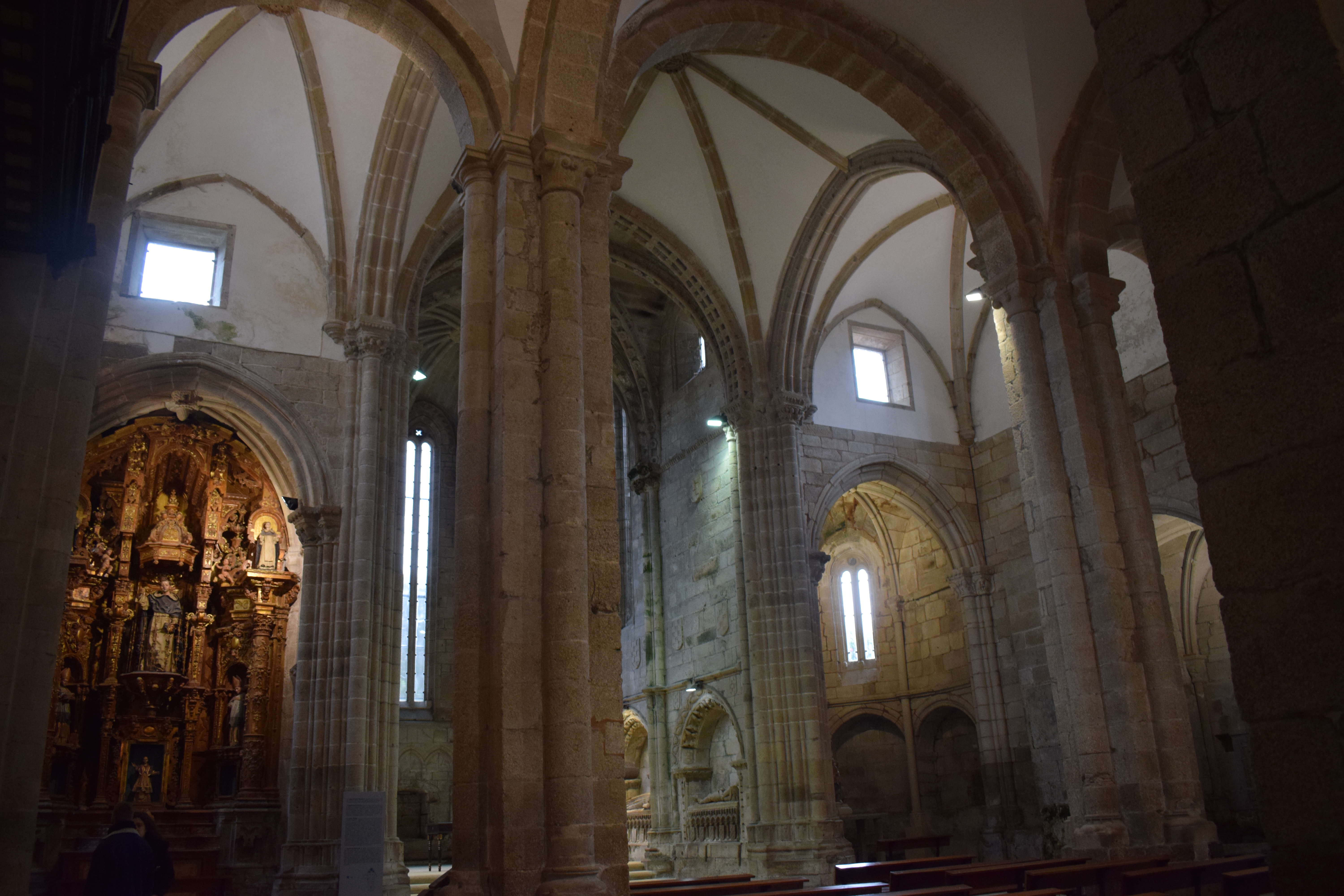
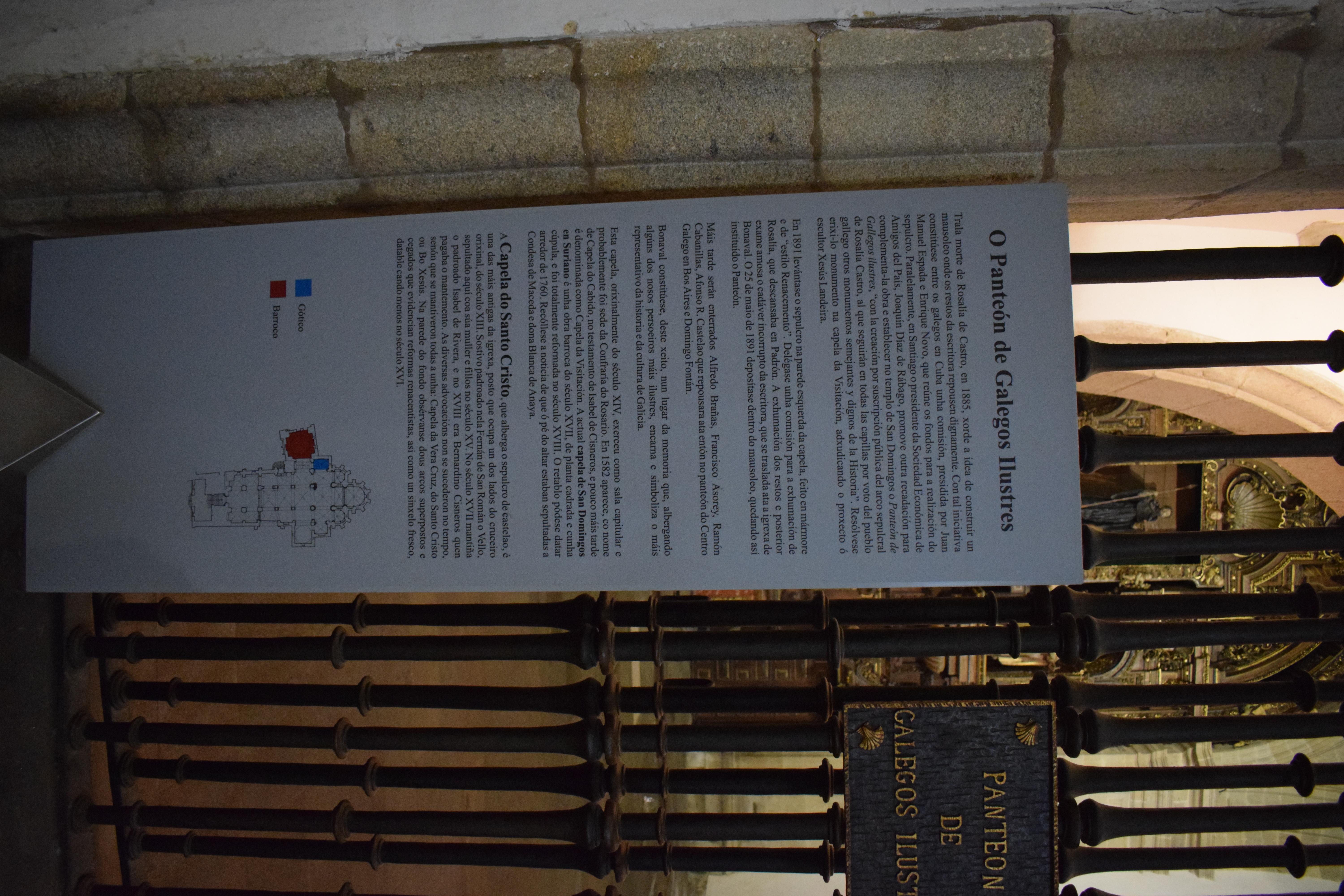
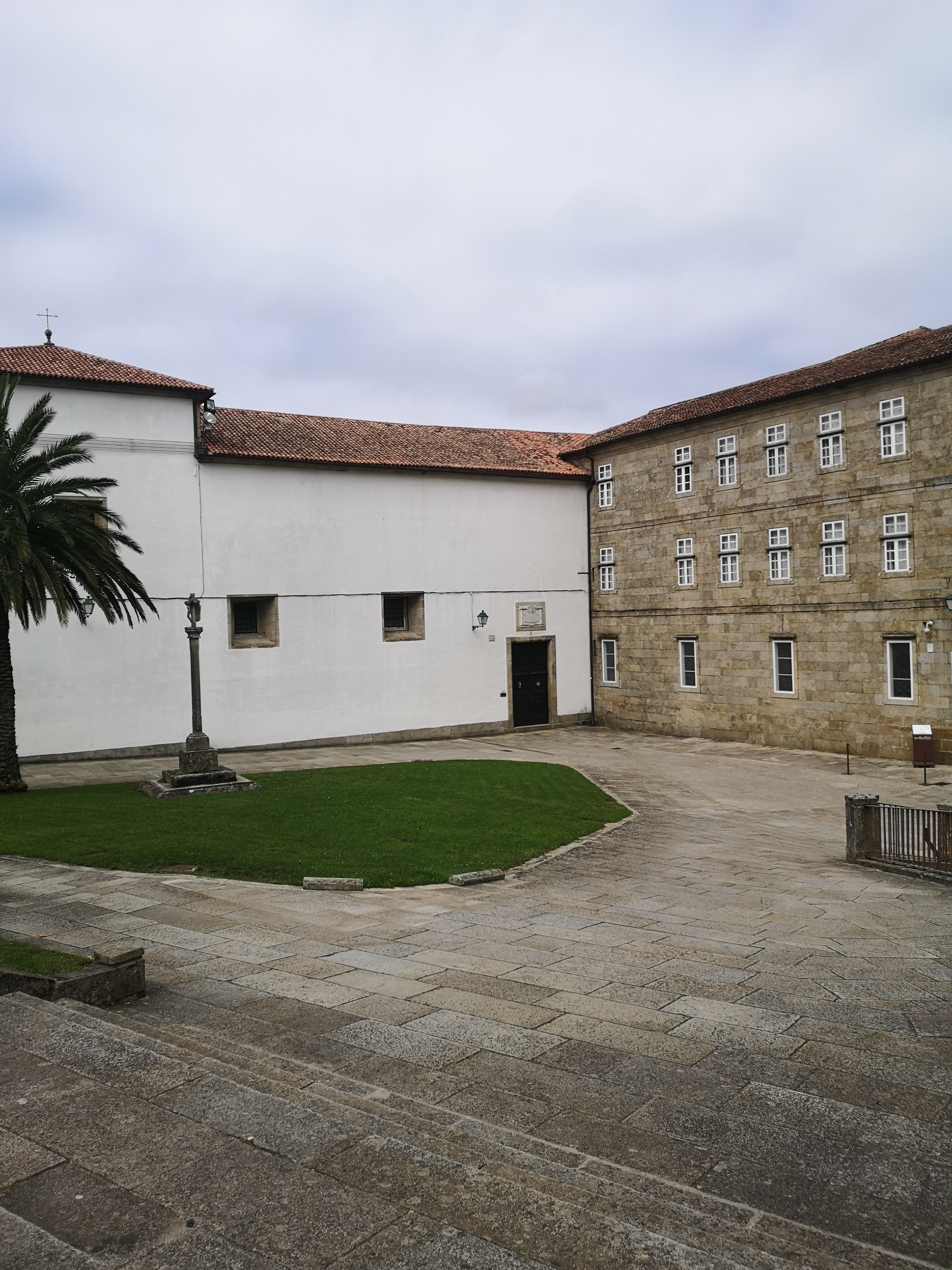
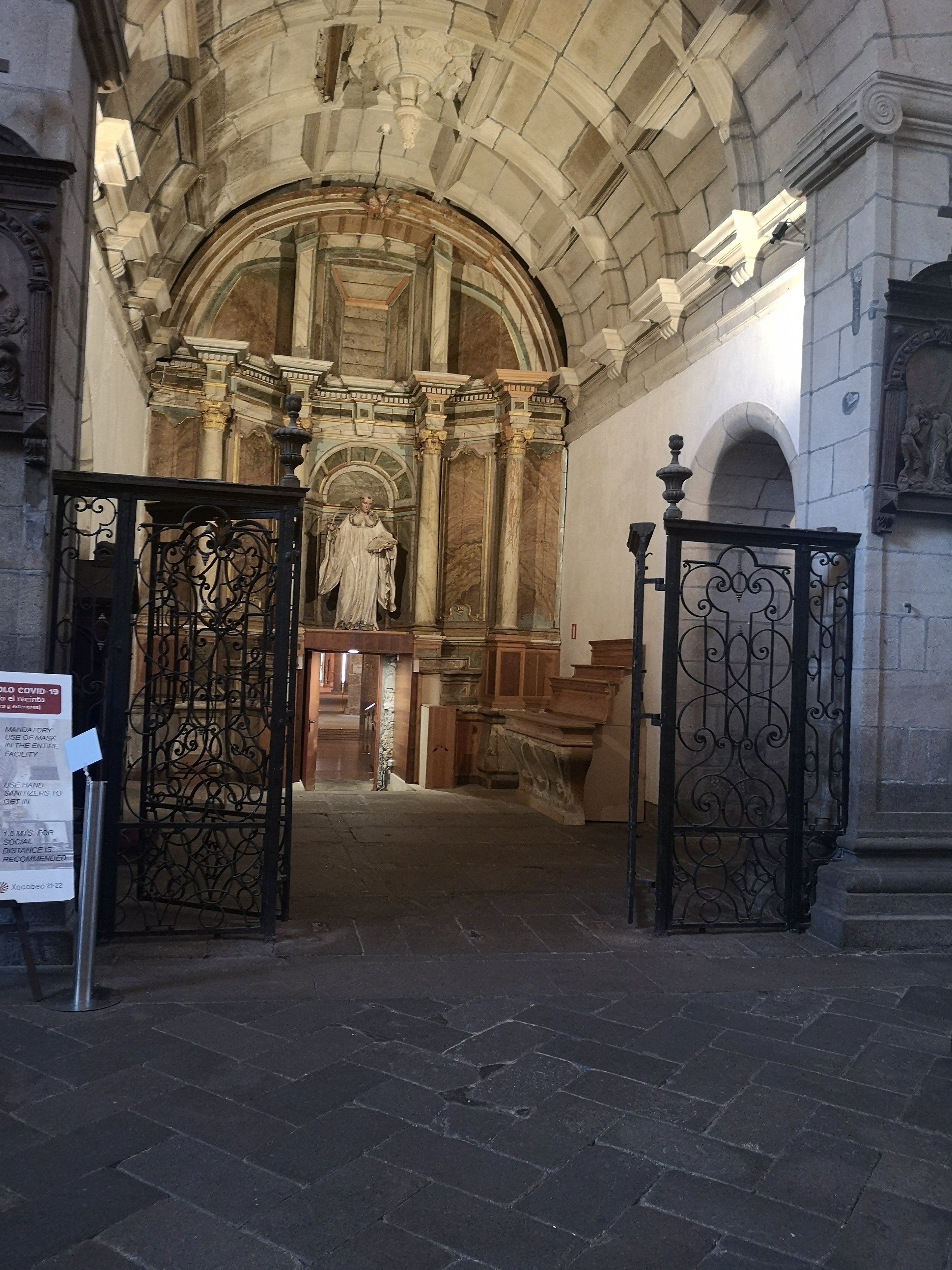
The former Convent of Santo Domingo de Bonaval (17th - 18th centuries), houses the Museum of Galician People opened in 1977. This socially based museum has restored all the convent area and increased its funds. This remodelling triggered the expansion of exhibition spaces and the chances of showing Galician culture features.

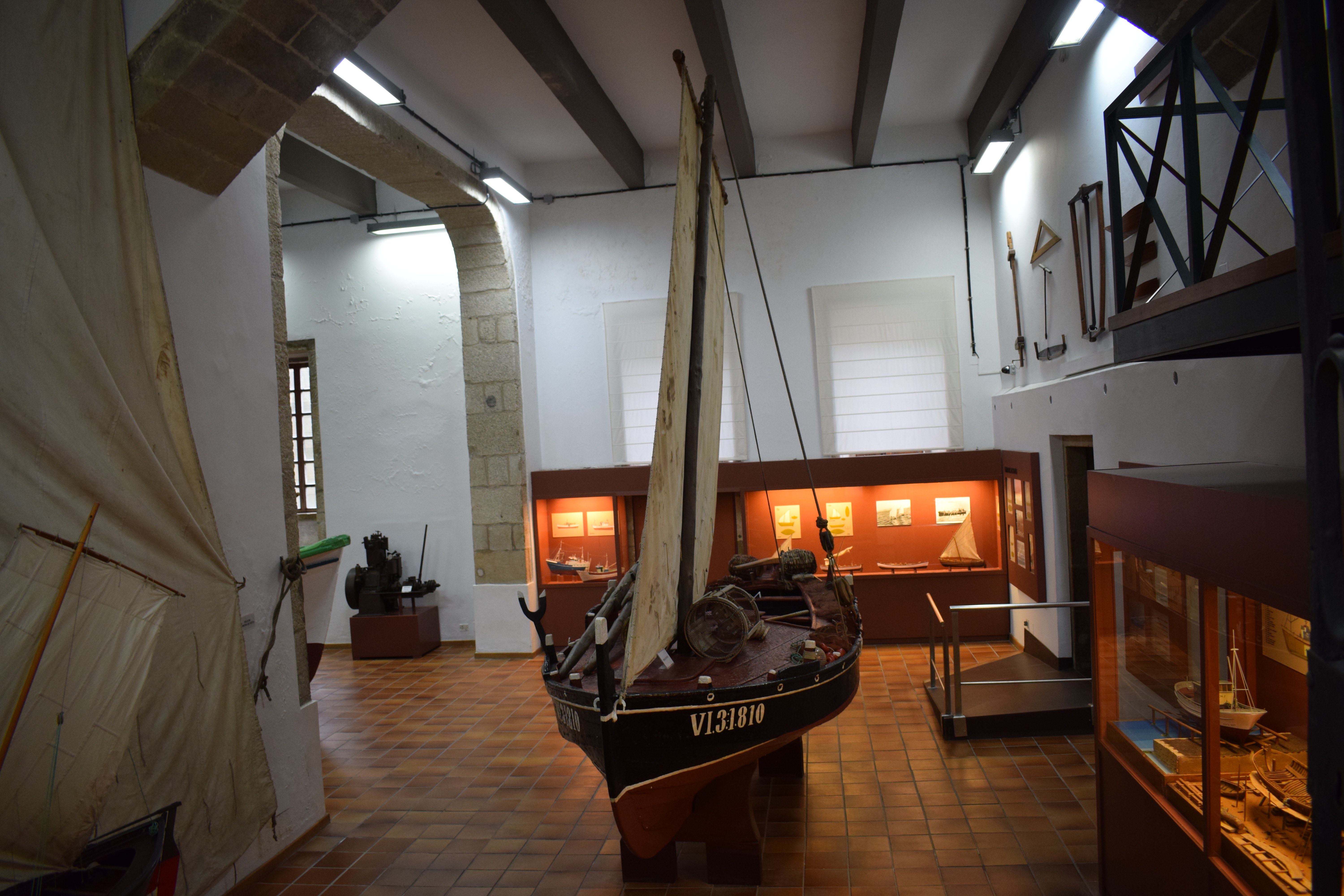
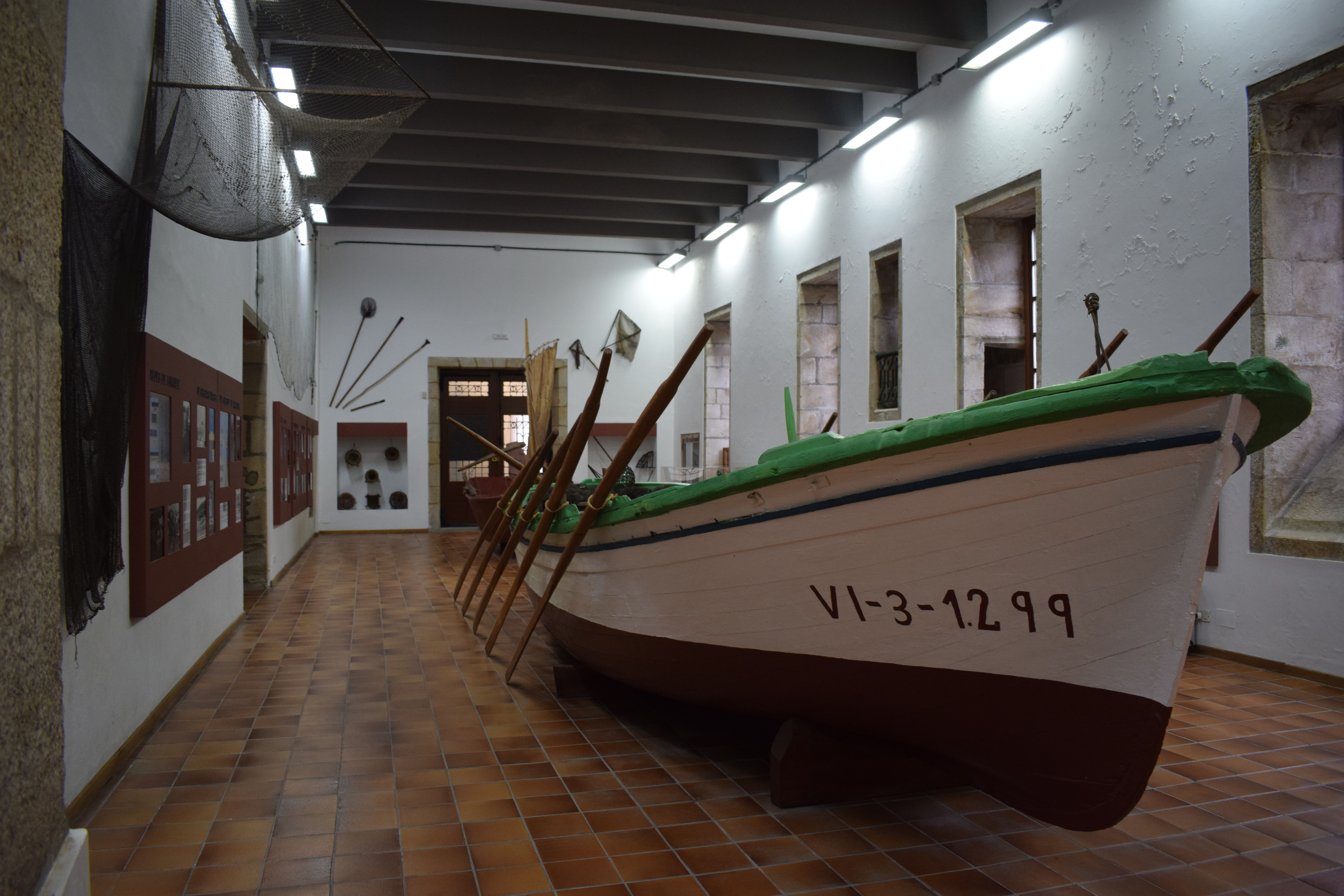
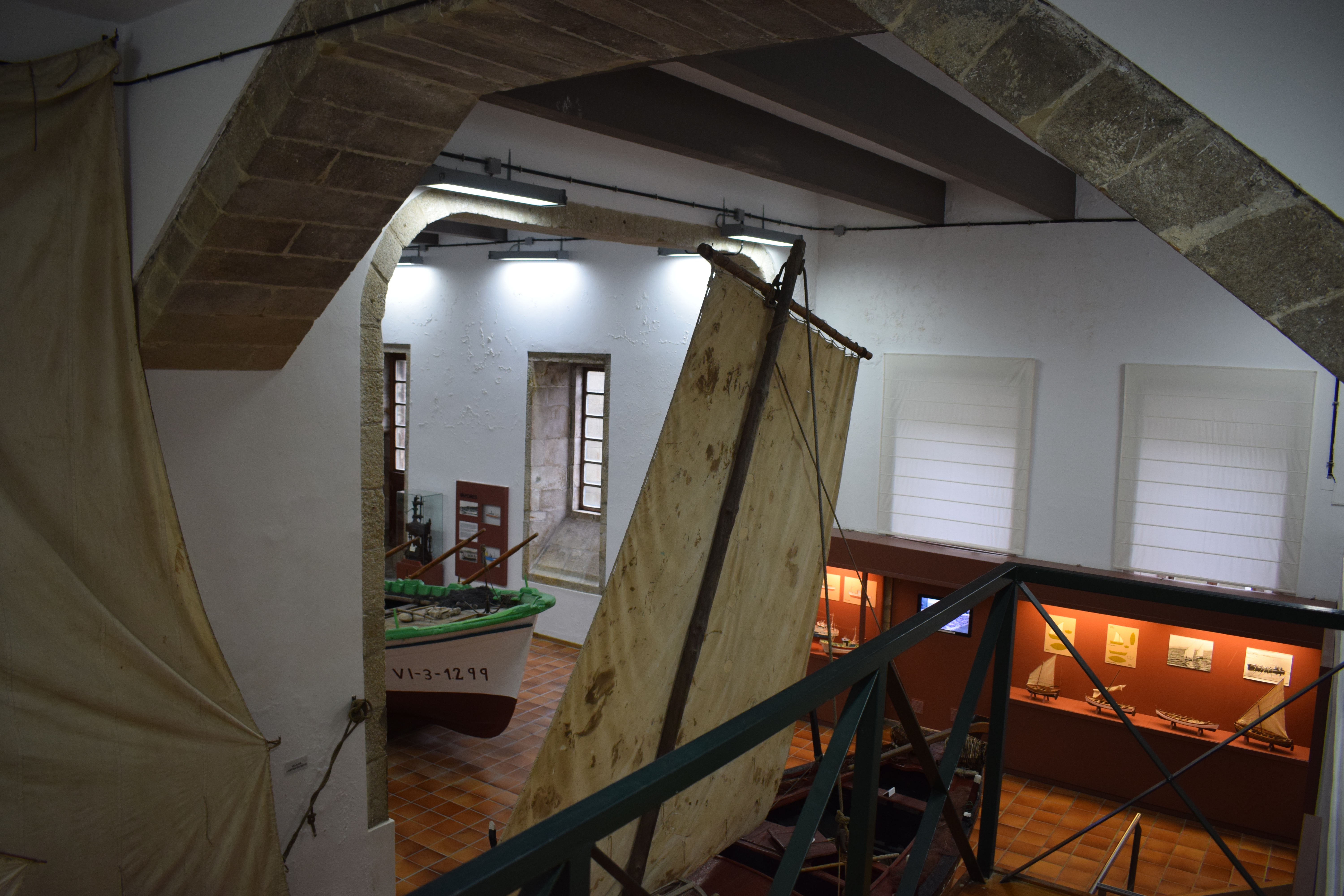
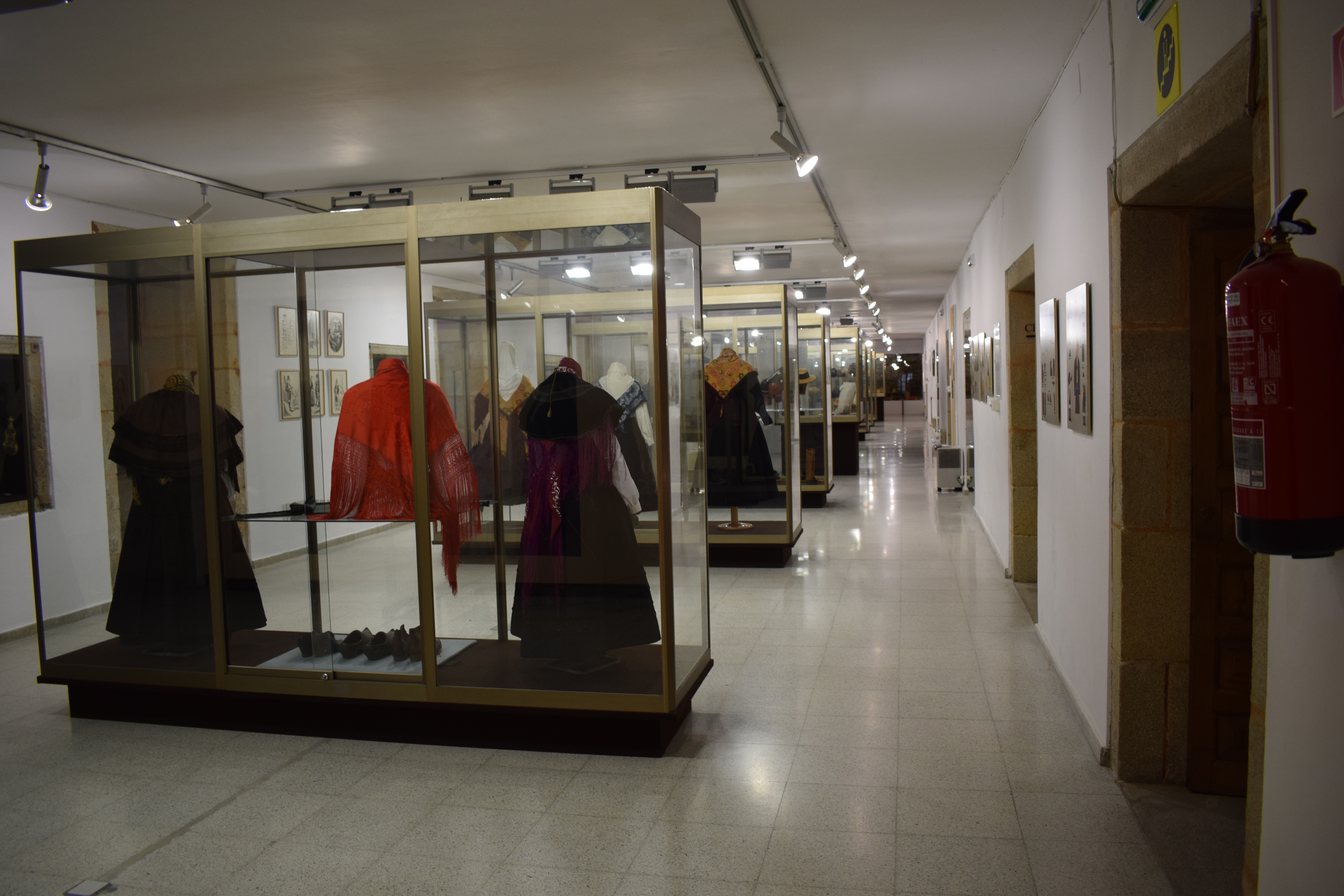
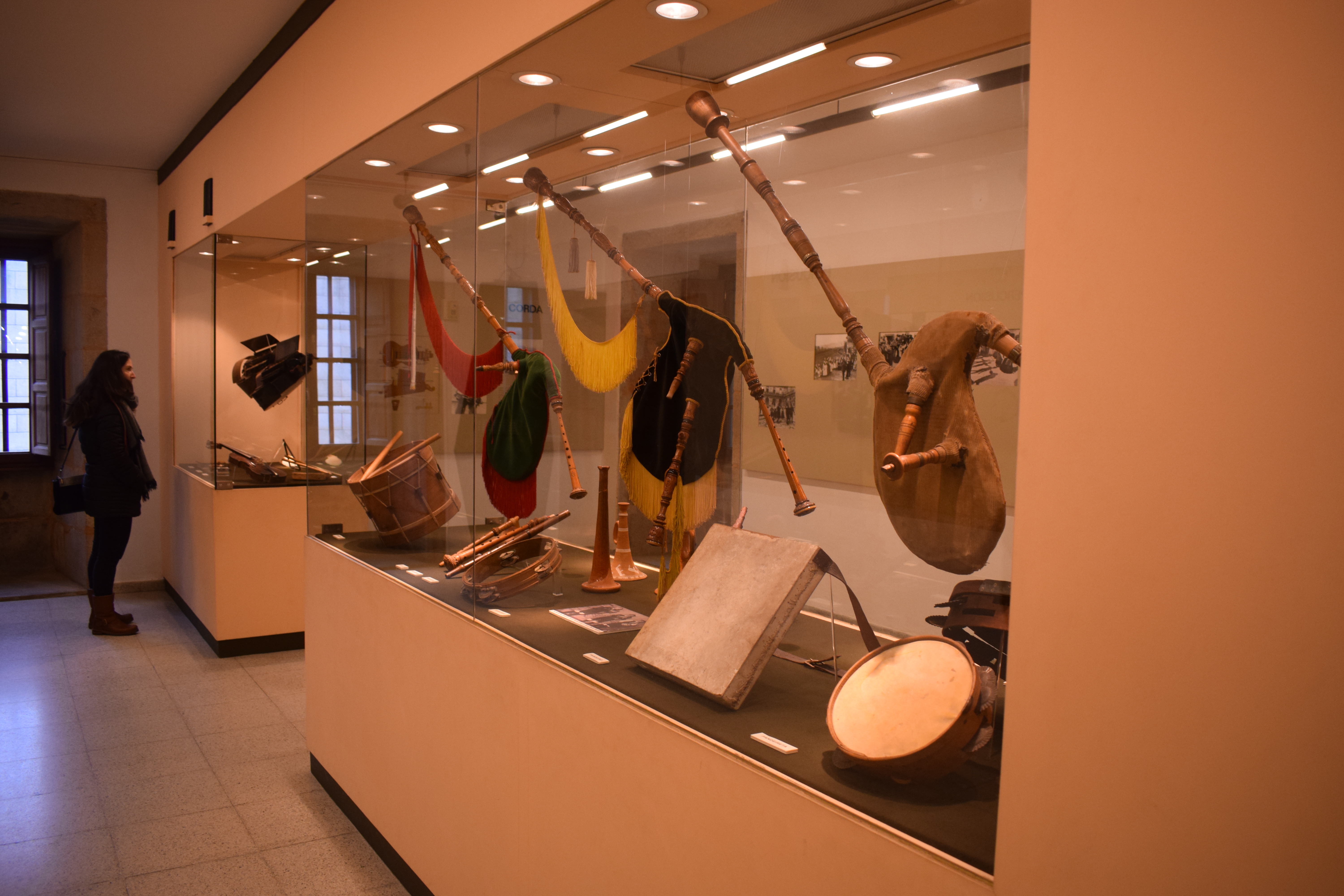
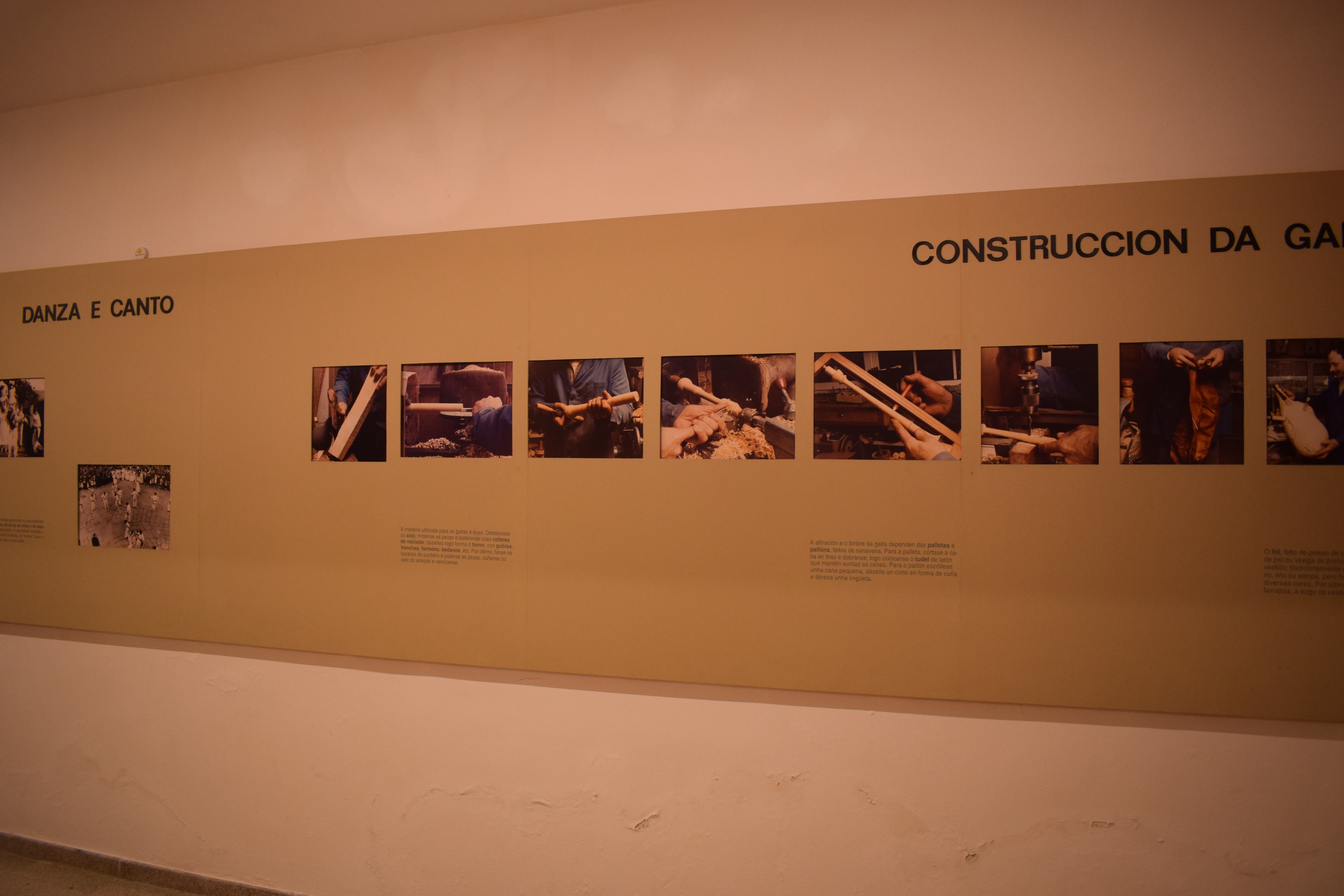
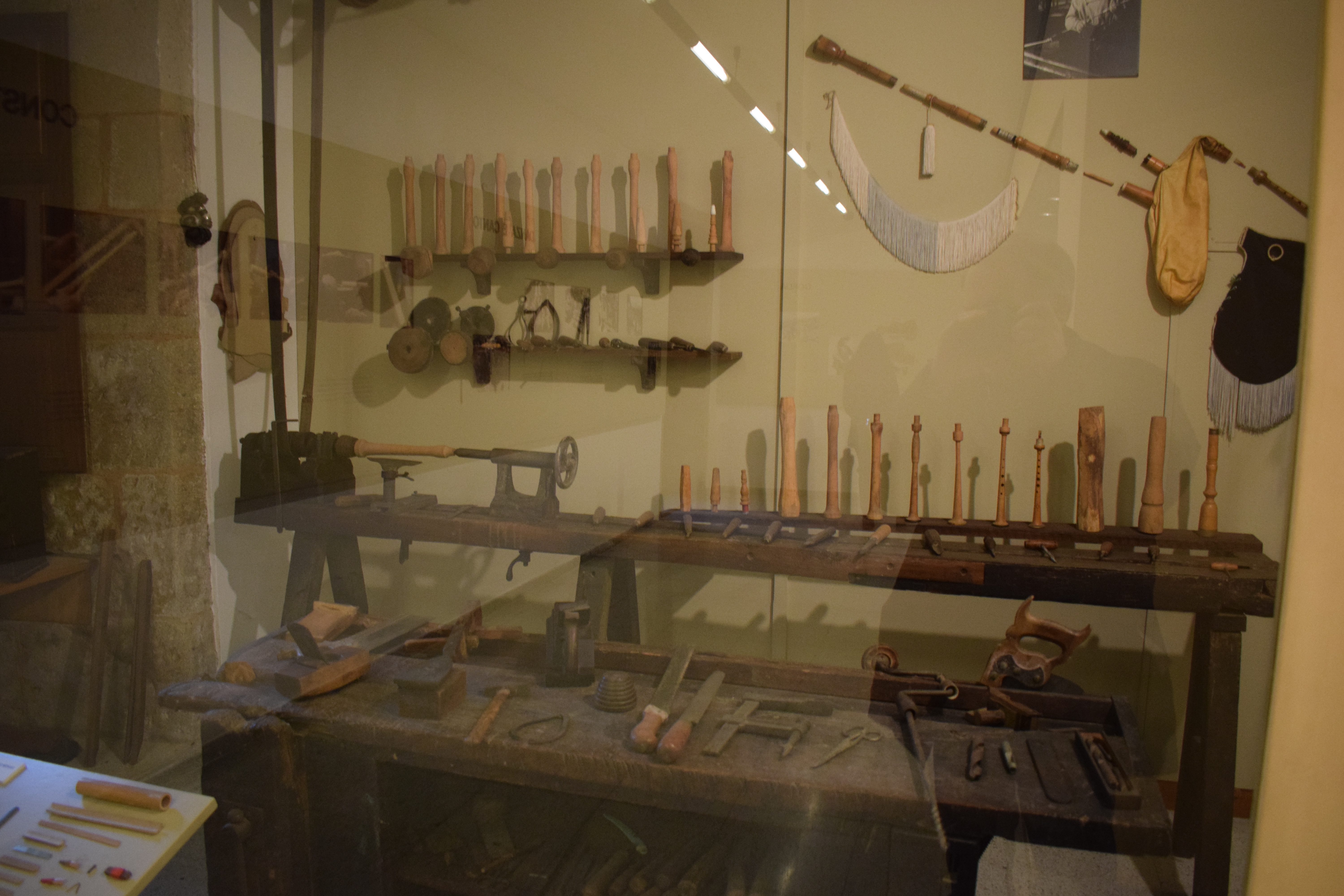
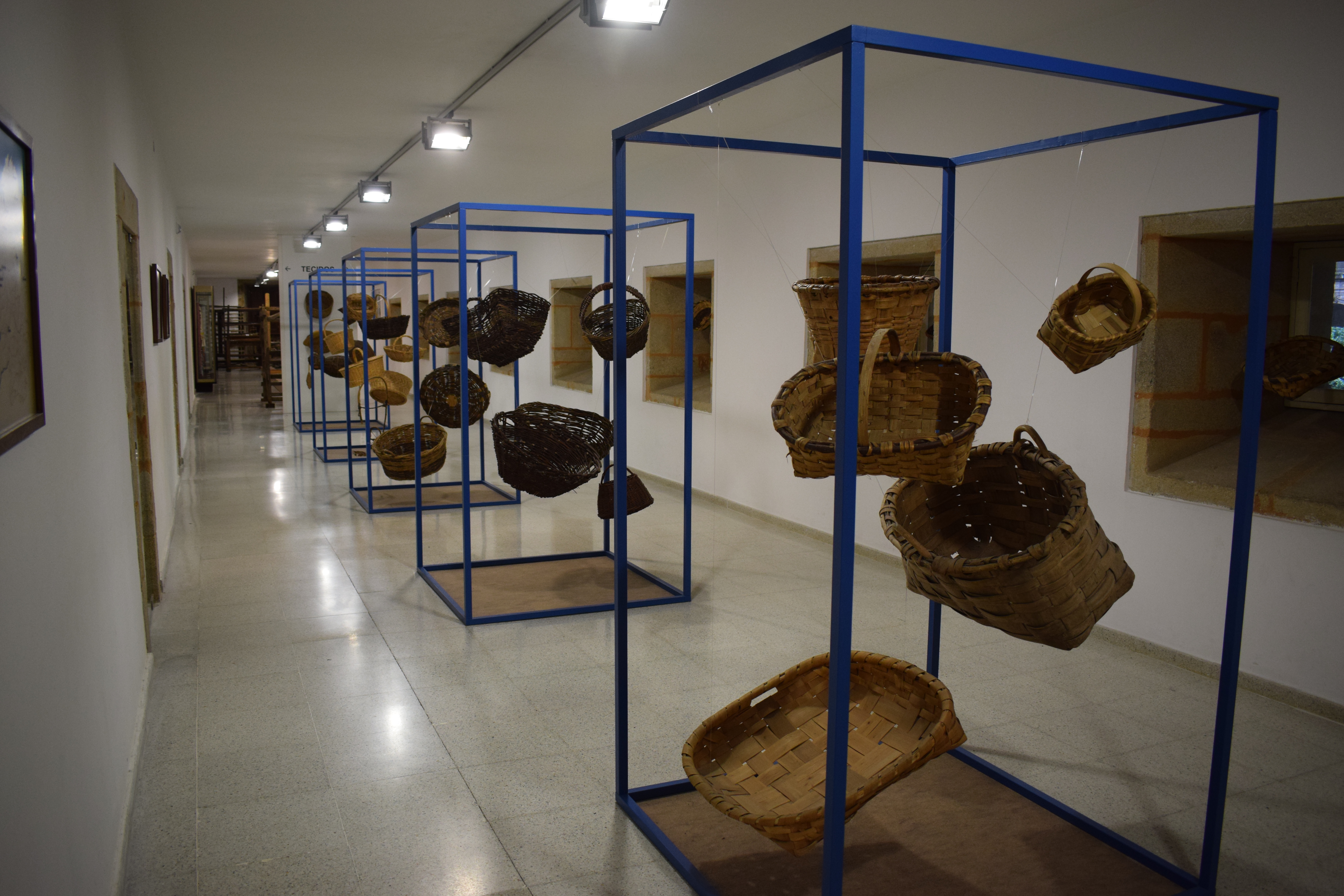
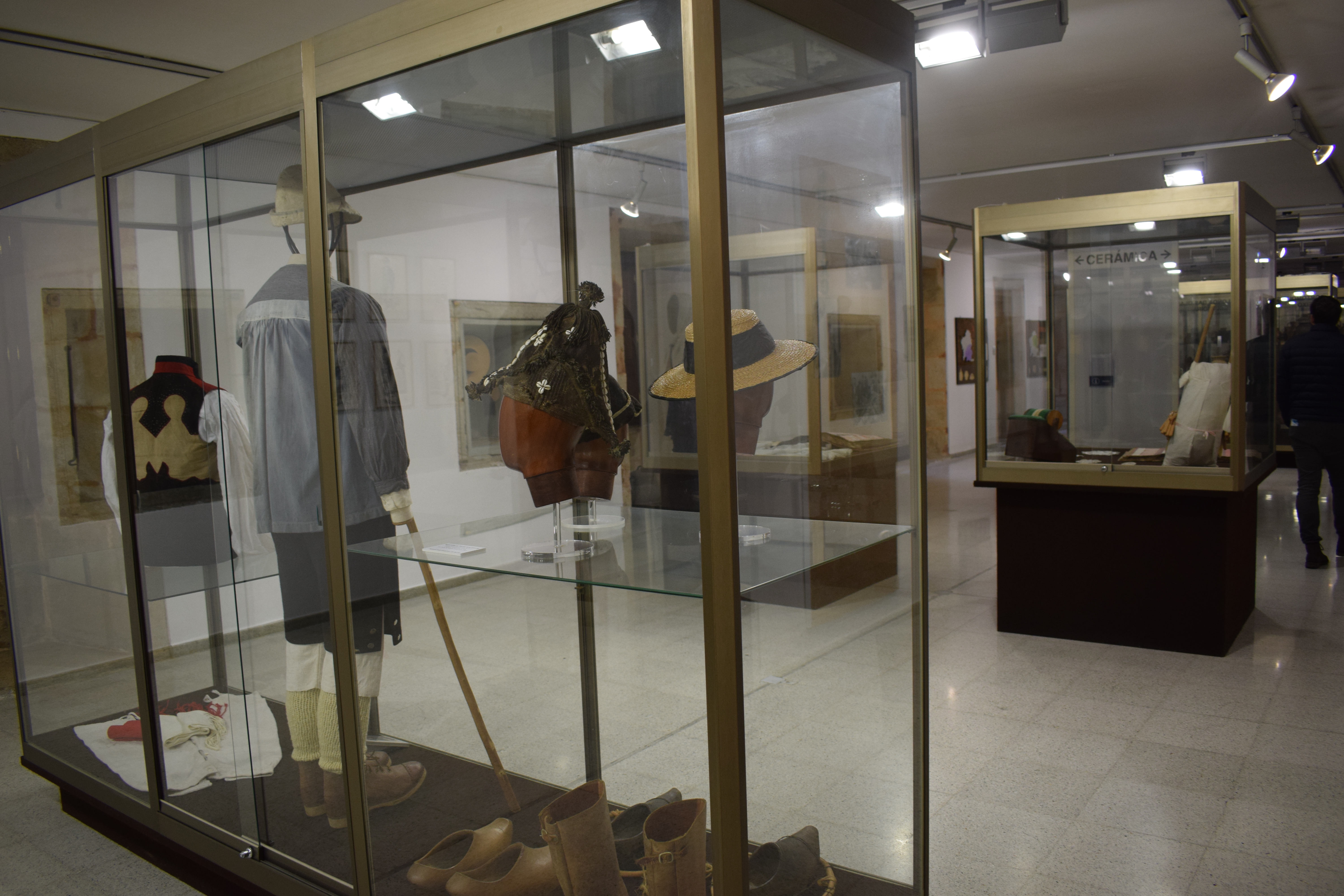
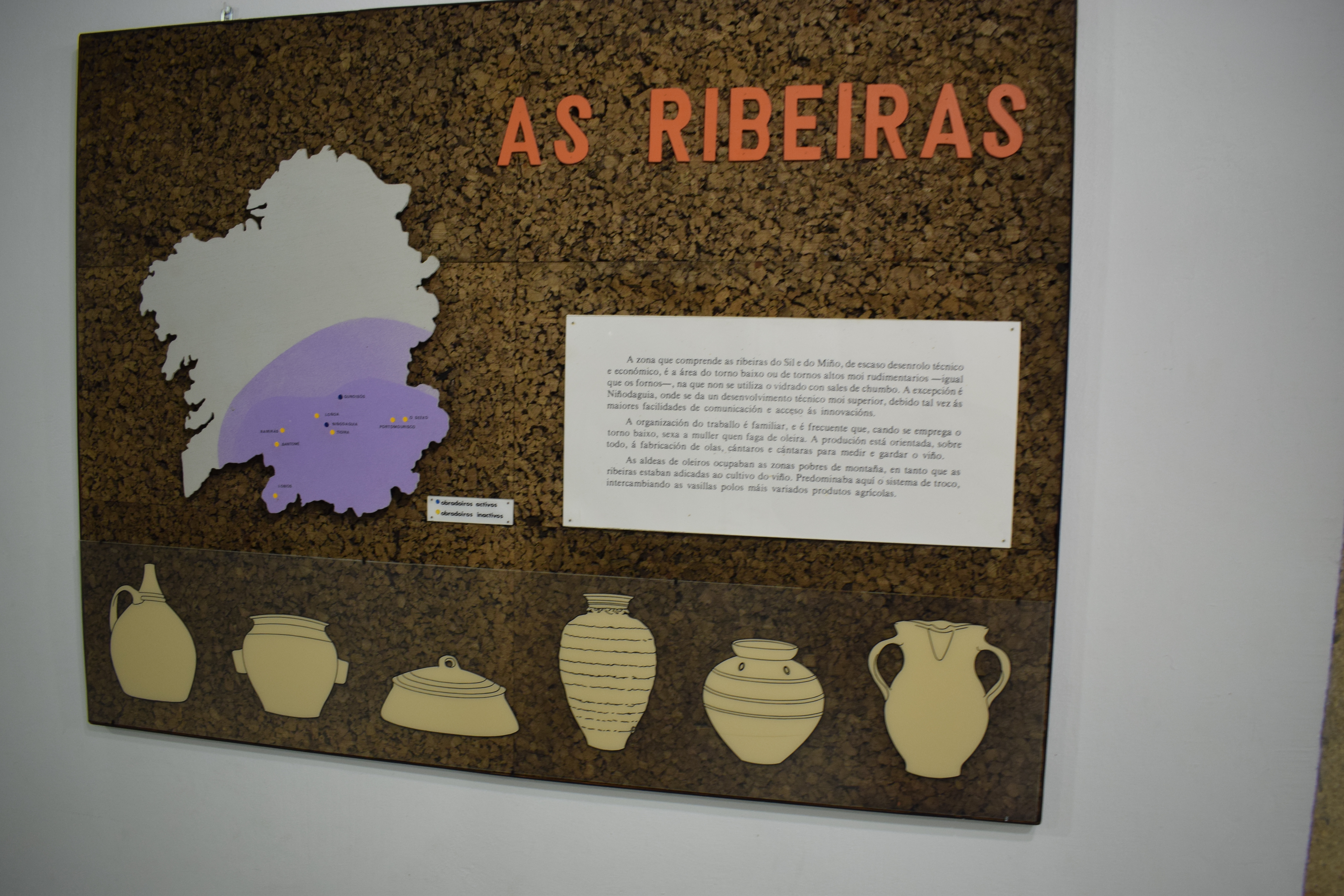
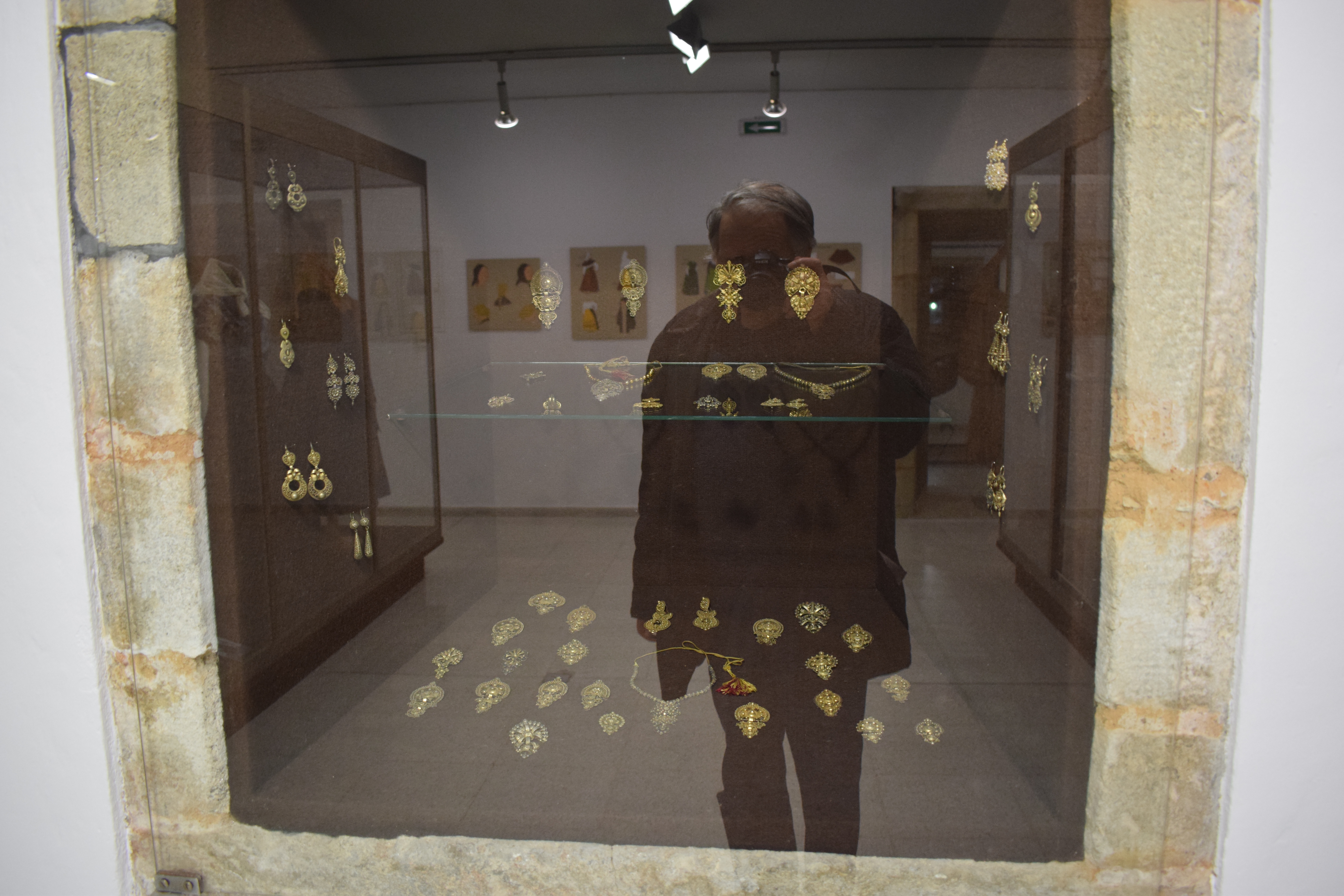
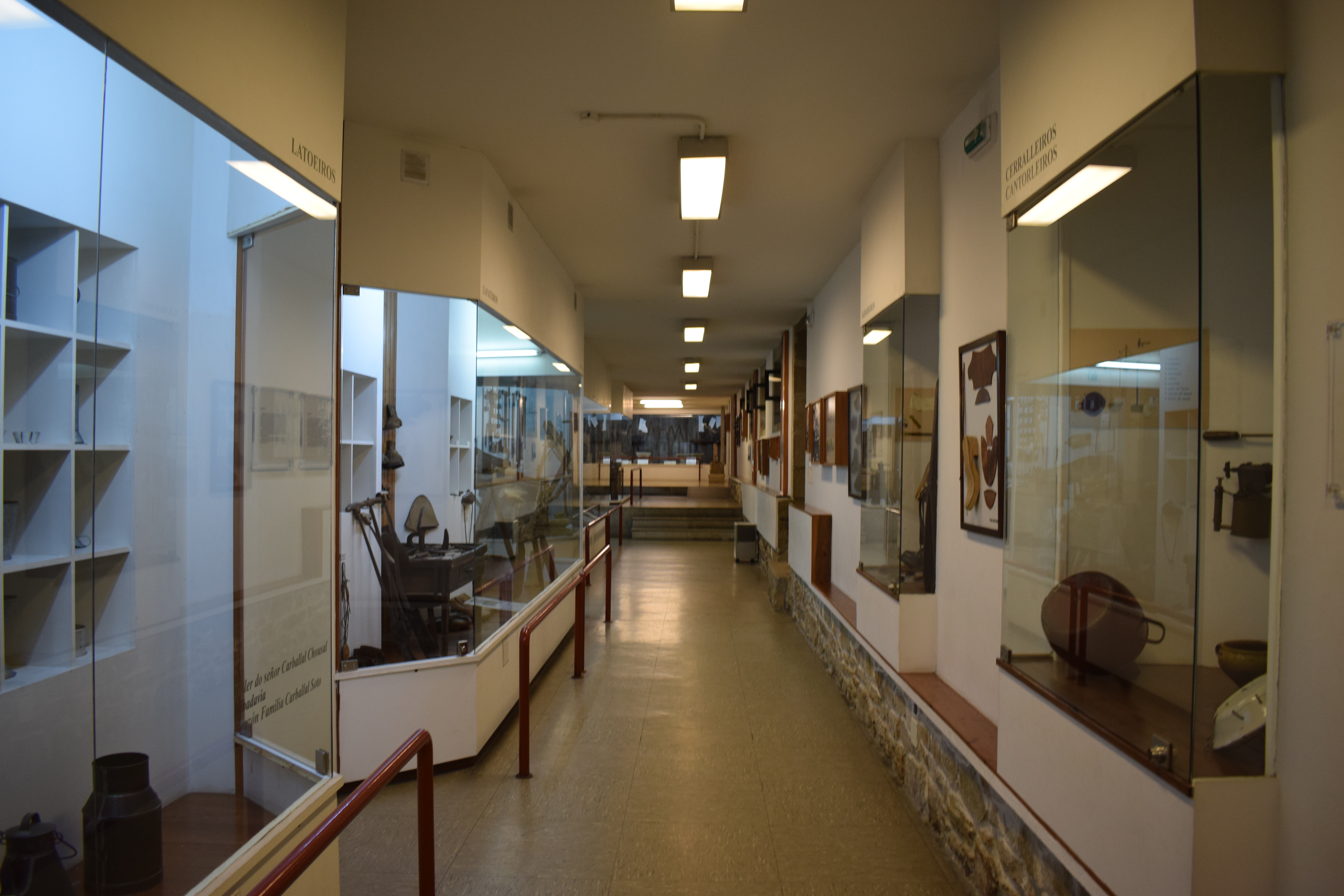
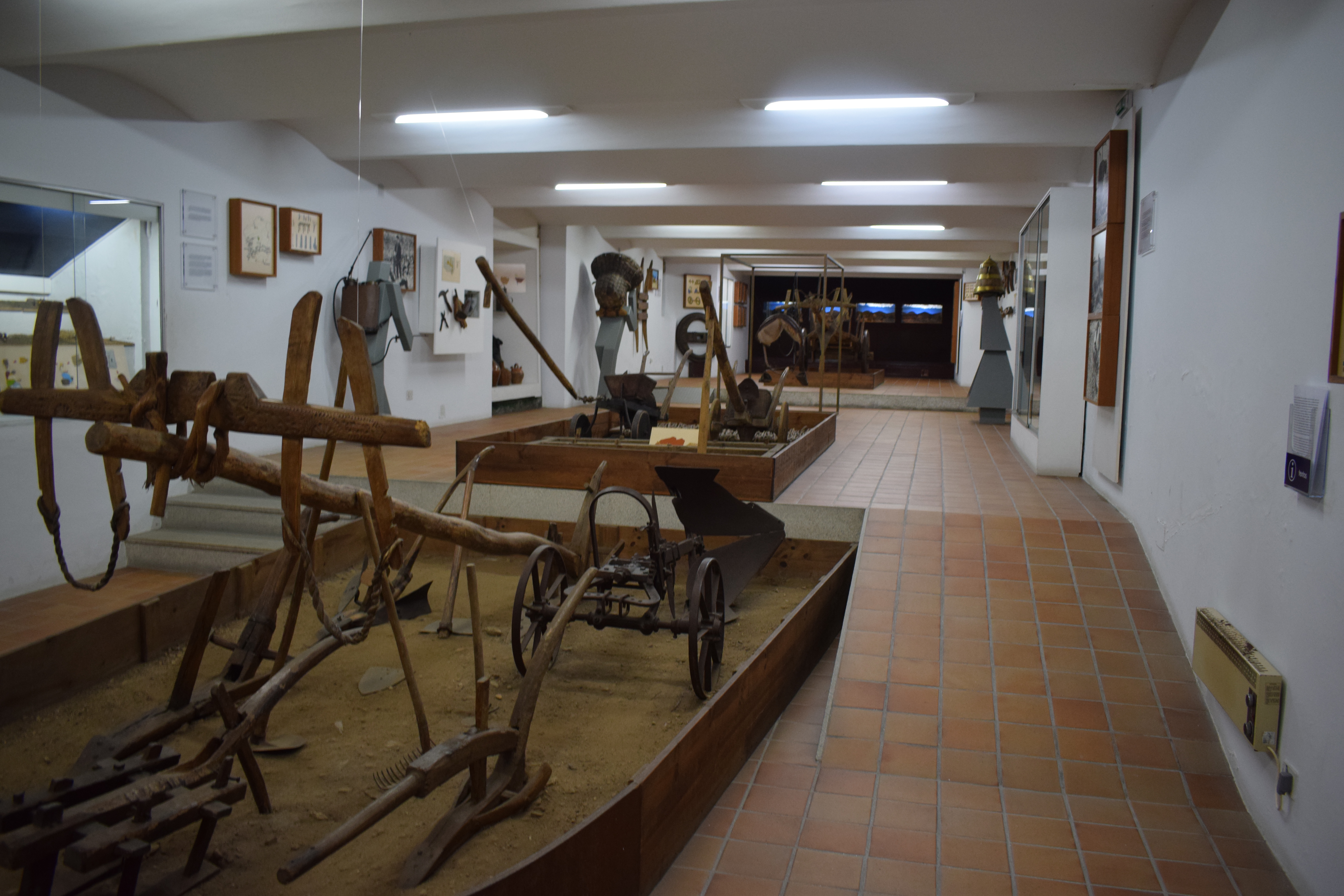
The Museum of Galician People is an anthropologic centre, although is also includes painting, sculpture and sacred art halls. The most important collections are devoted to traditional culture, hosting precious funds of the marine and farm world. Other halls host habitat, traditional trades, architecture and printing sections, along with spaces dedicated to society. The museum also owns an outstanding collection of traditional costumes and laces, as well a selection of musical instruments. The tour relates the collection and objects to their original use. 

museos.xunta.gal

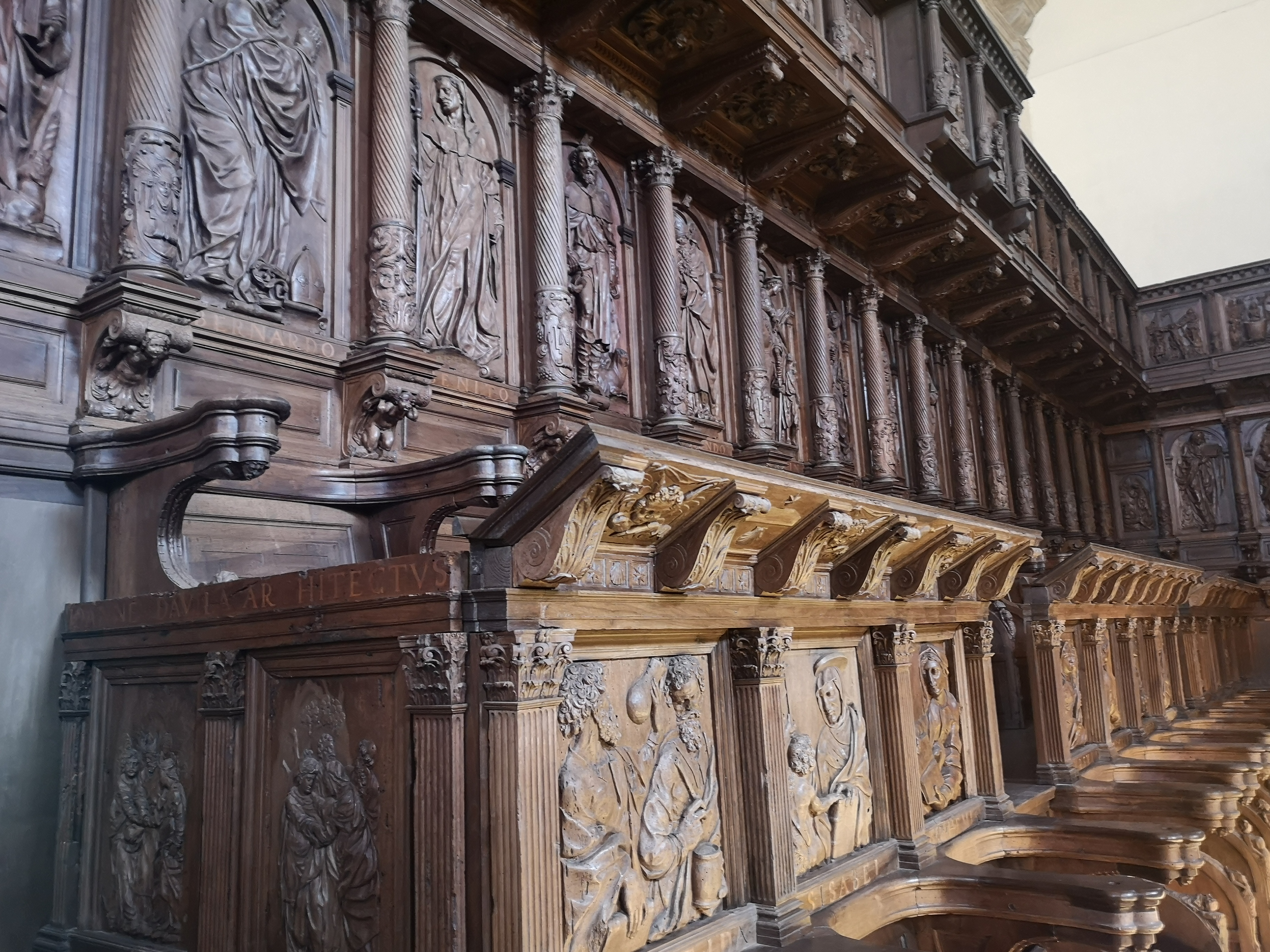
Domingo de Andrade English

Concello, Comarca ou Provincia

Museo de Terra Santa

Galego

English

Castellano

Français

Deutsch

Portugués

Italiano

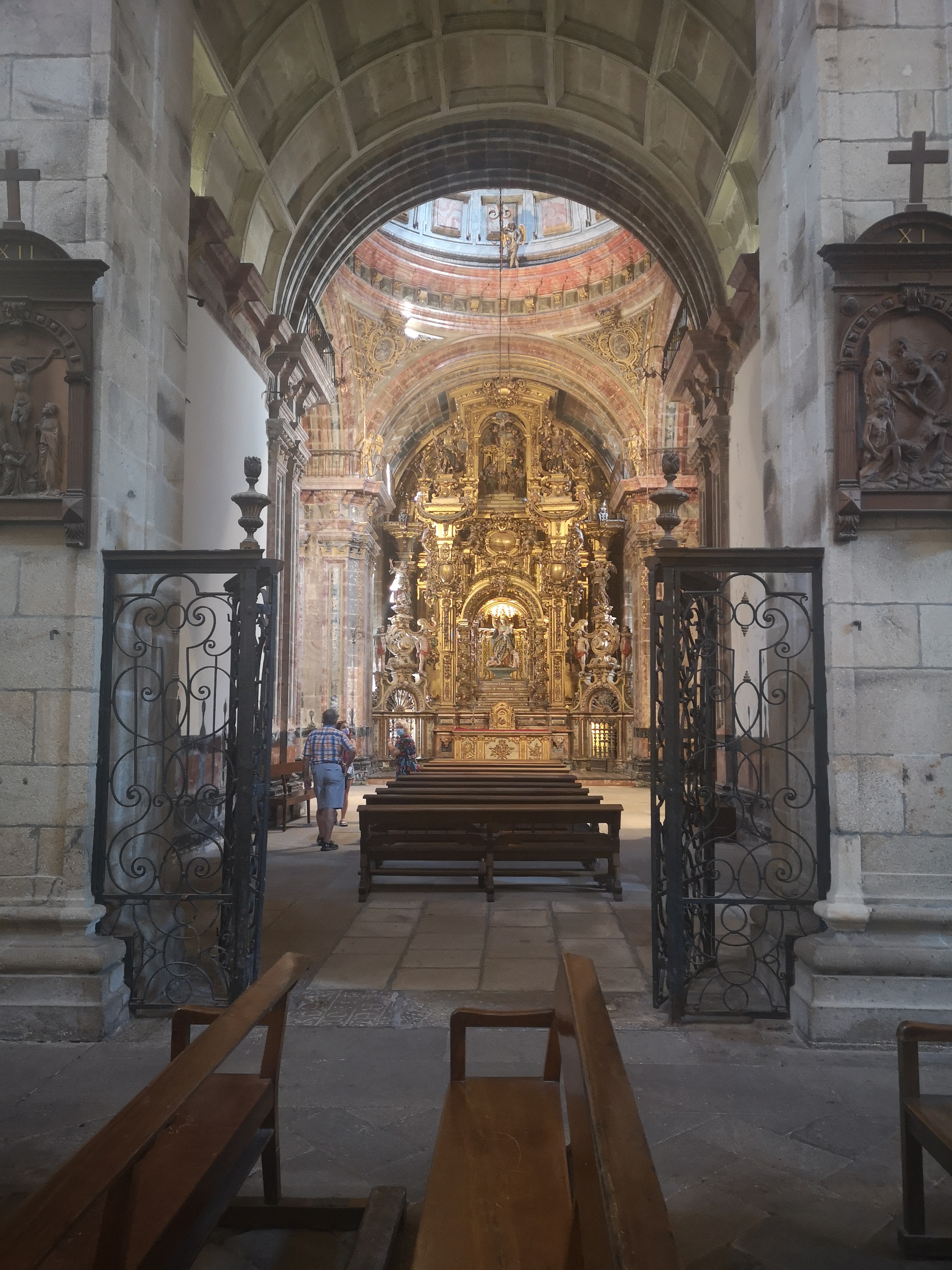
Compostela's Convent of San Francisco, a monumental structure that was founded in 1214, houses in one of its cloisters the permanent exhibition of the Holy Land Museum. . Apart from enjoying the building, an example of Galicia's baroque style, the visit provides a unique opportunity of becoming familiar with the Near East's material culture, by means of a tour around historical moments of holy places in the Bible.

Museo de Terra Santa (Museos de Galicia)

Museo de Terra Santa (web oficial de Turismo de Santiago de Compostela)

Campiño de San Francisco, nº 3 15705 Santiago de Compostela (A Coruña)
Concello, Comarca ou Provincia

Museo de Nosa Señora da Antiga

Galego

English

Castellano

Français

Deutsch

Portugués

Italiano

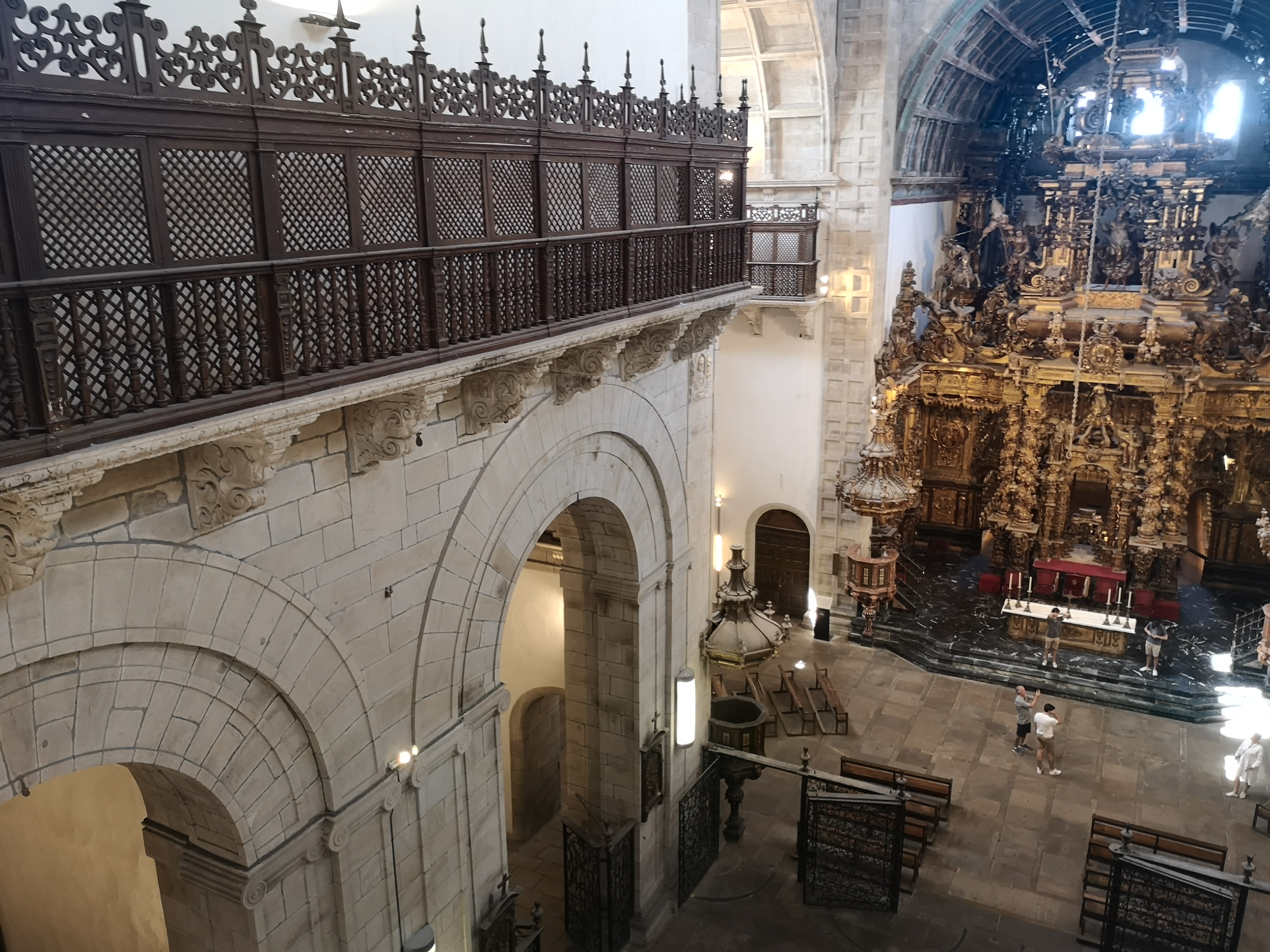
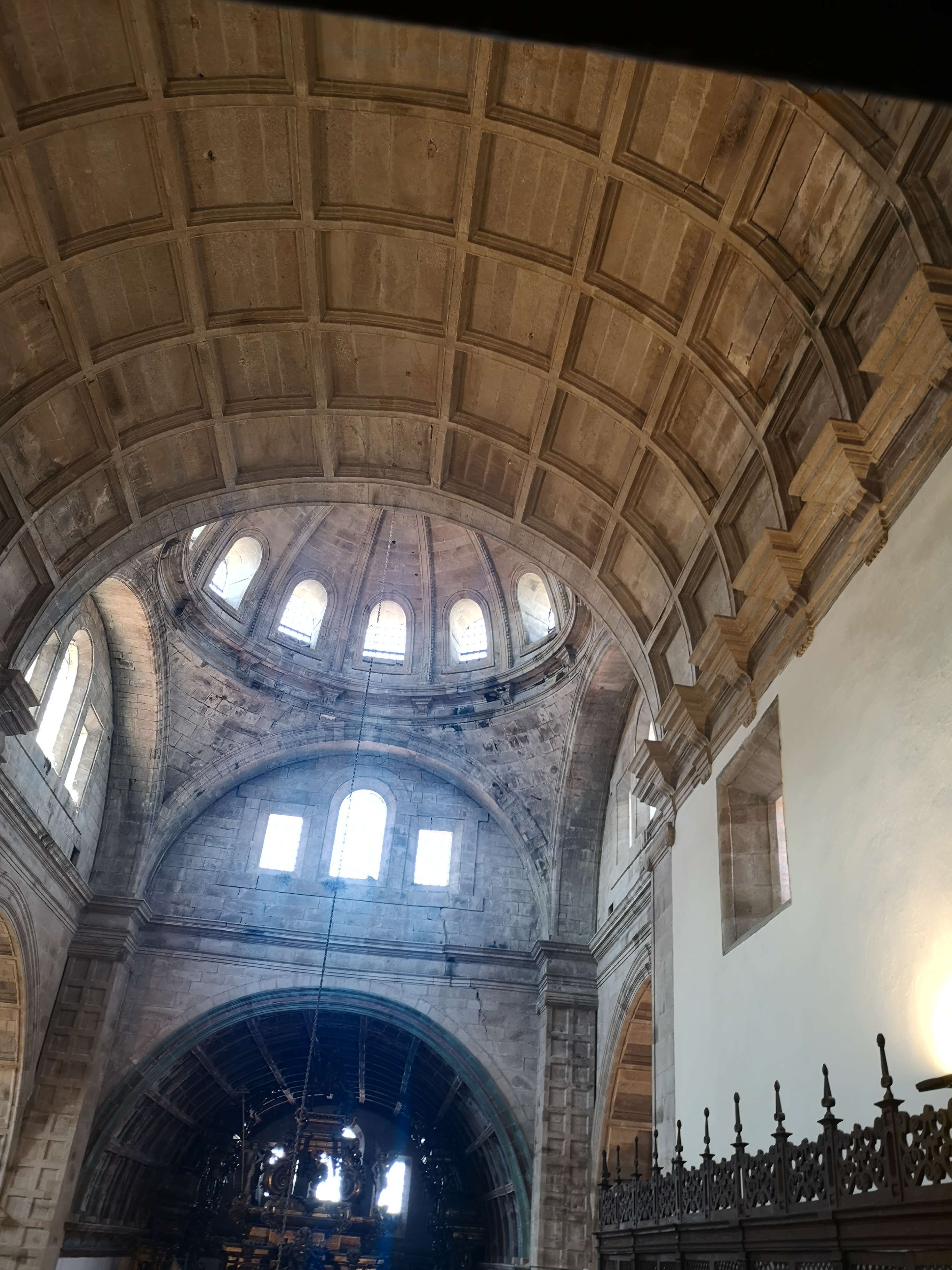
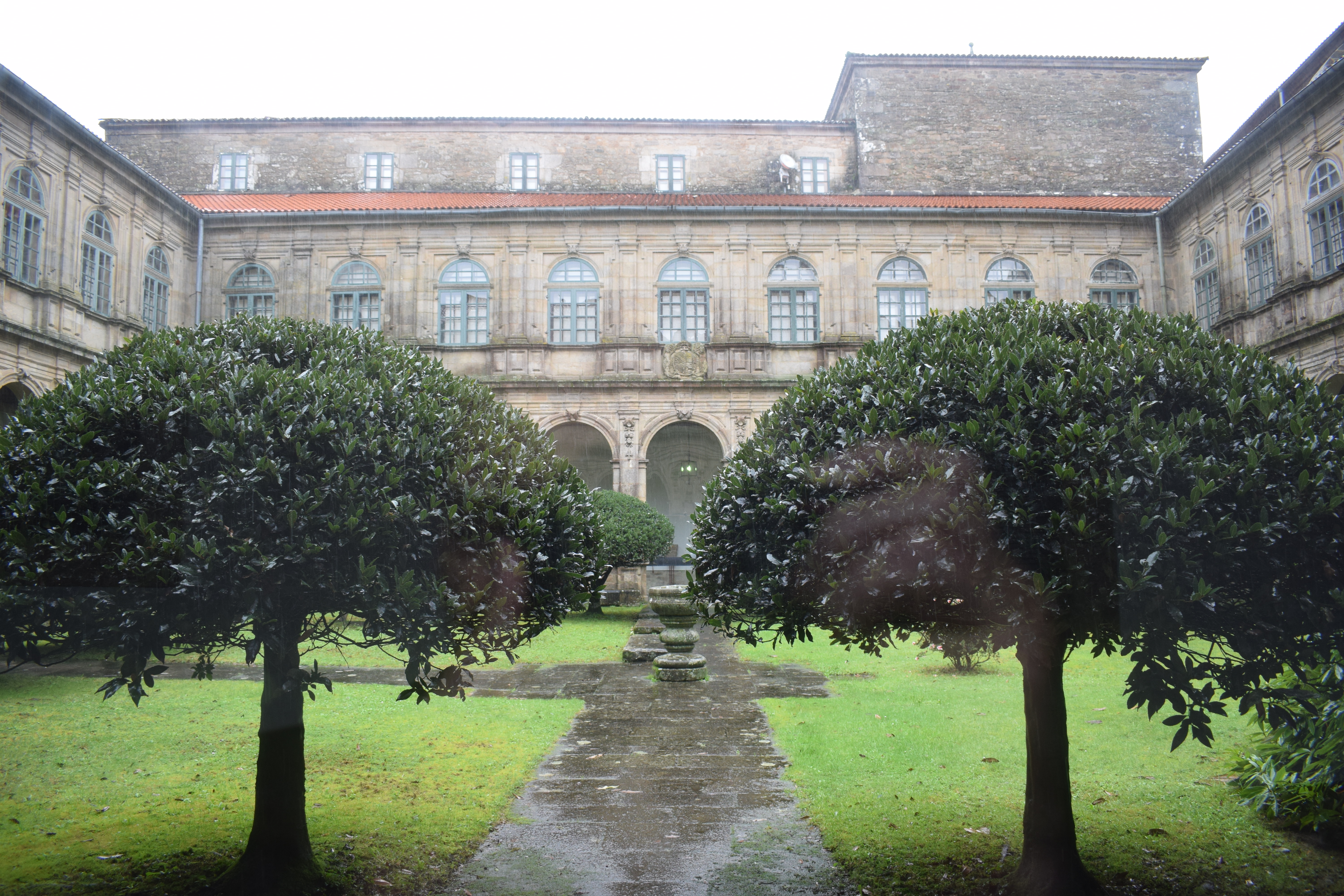
The School of Nosa Señora da Antiga is also known as the School of the Cardinal (after its constructor) or School of the Society (after its managers). People also call it the "Galician Escorial", due to the size of the building. The school was built between late 16th century and early 17th century, under the patronage of the cardinal Rodrigo de Castro and was managed by the Society of Jesus. The goal was to cover the educational need of the region and all Galicia. Since 1873, the school was managed by the Piarists.

Museo de Nosa Señora de Antiga (Museos de Galicia)

Colexio de Nosa Señora da Antiga (Wikipedia)

Campo da Compañía, nº 50 27400 Monforte de Lemos (Lugo)

Nosa Señora da Antiga

Concello, Comarca ou Provincia

Museo de Historia Natural da Universidade de Santiago

Galego

English

Castellano

Français

Deutsch

Portugués

Italiano


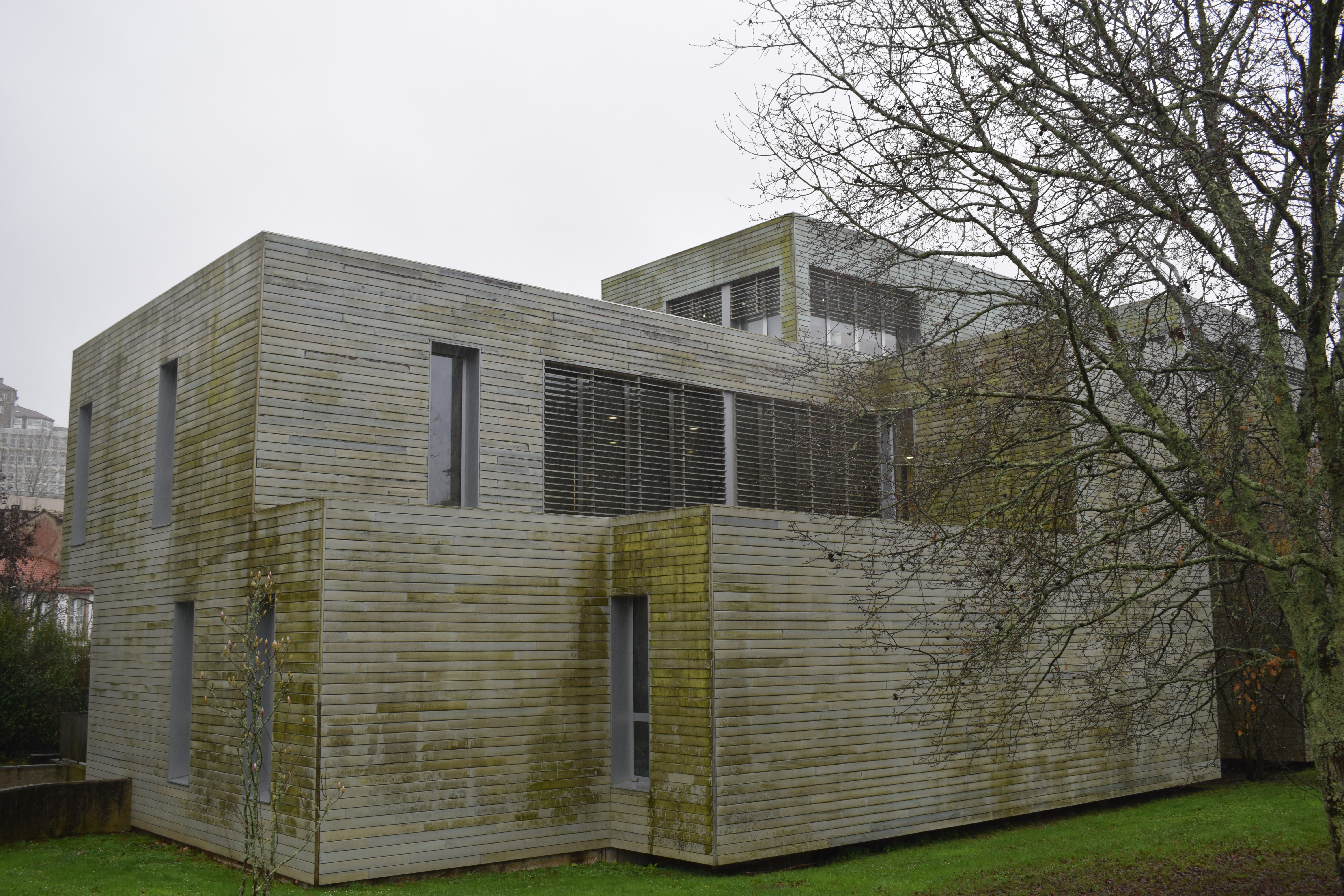
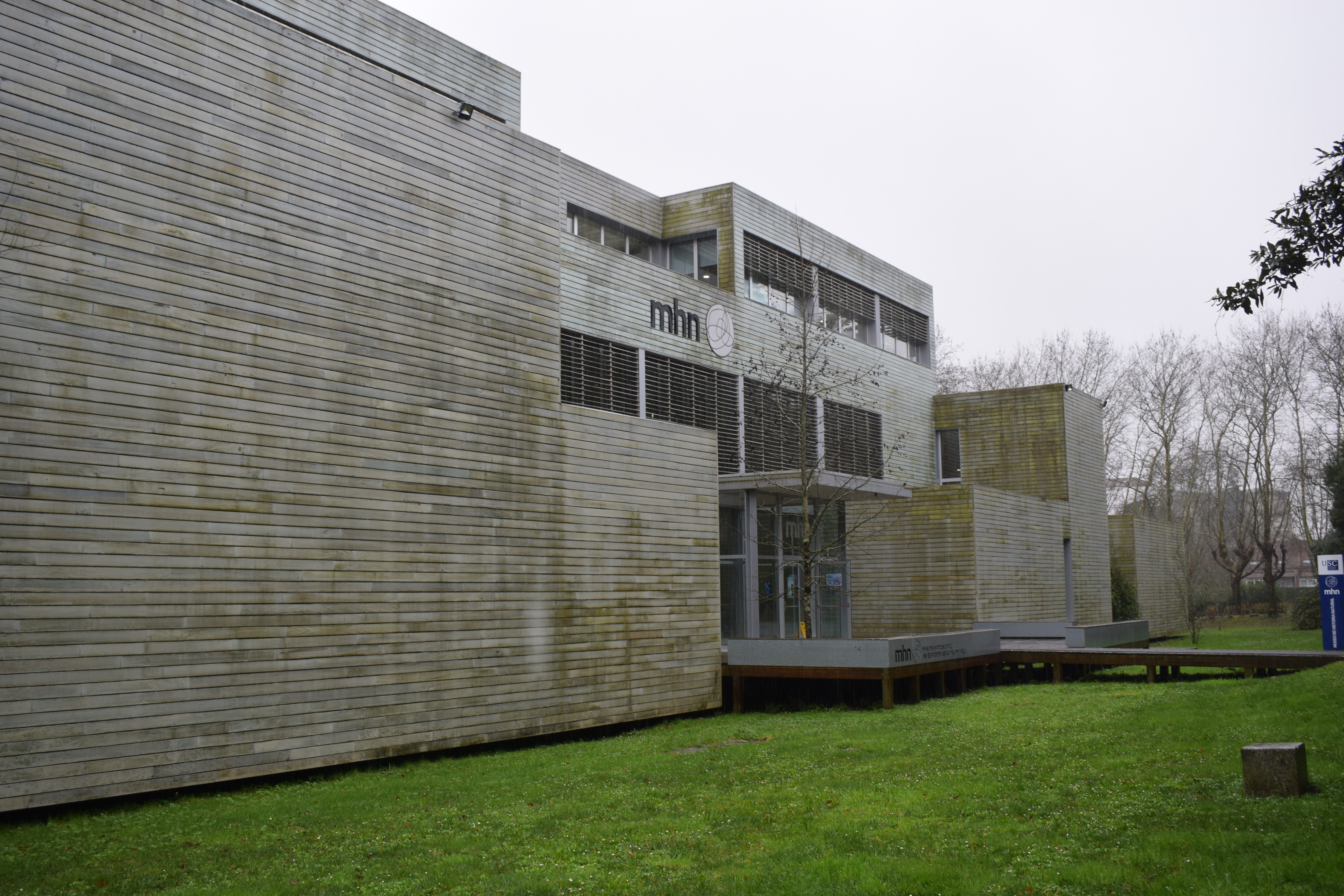
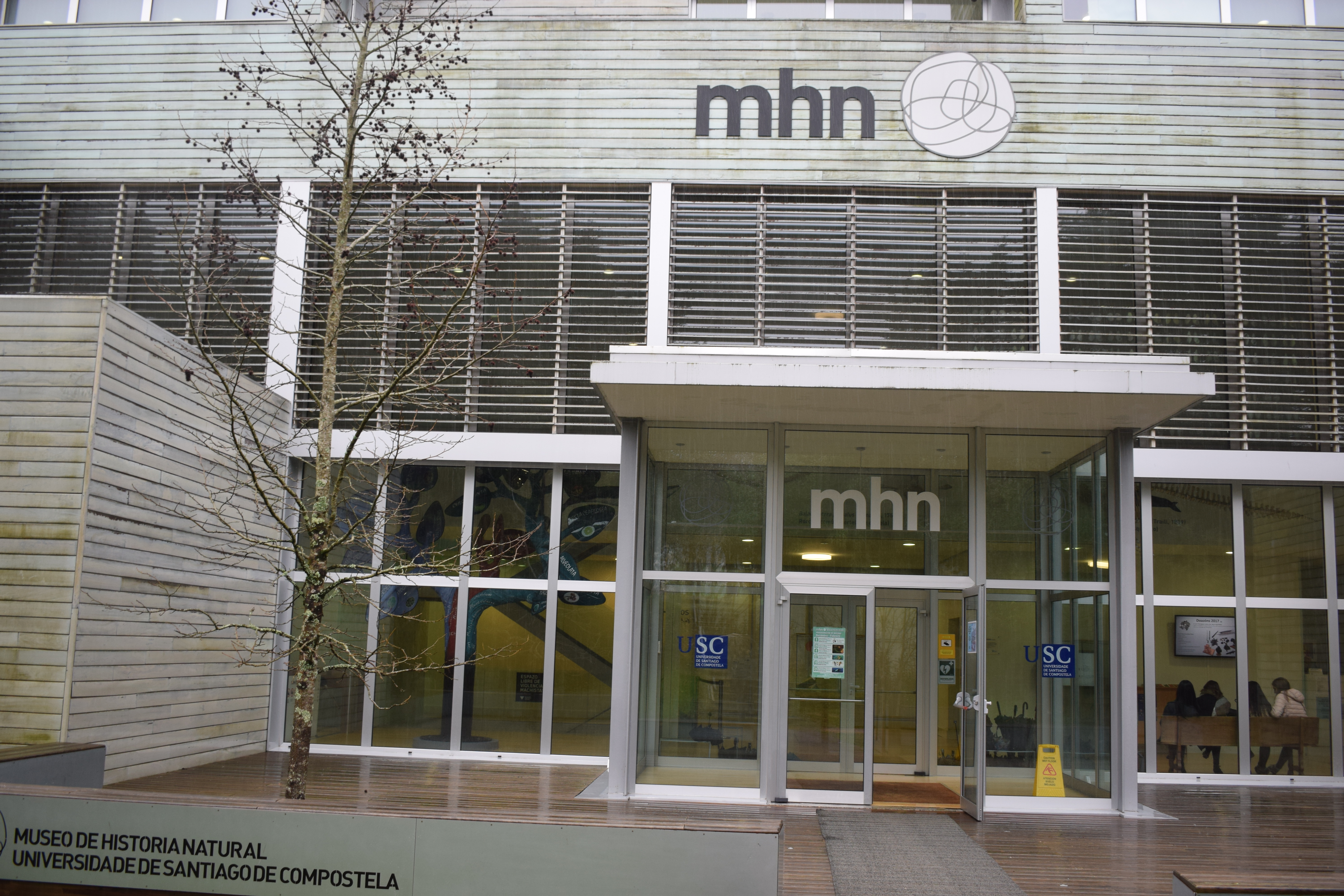
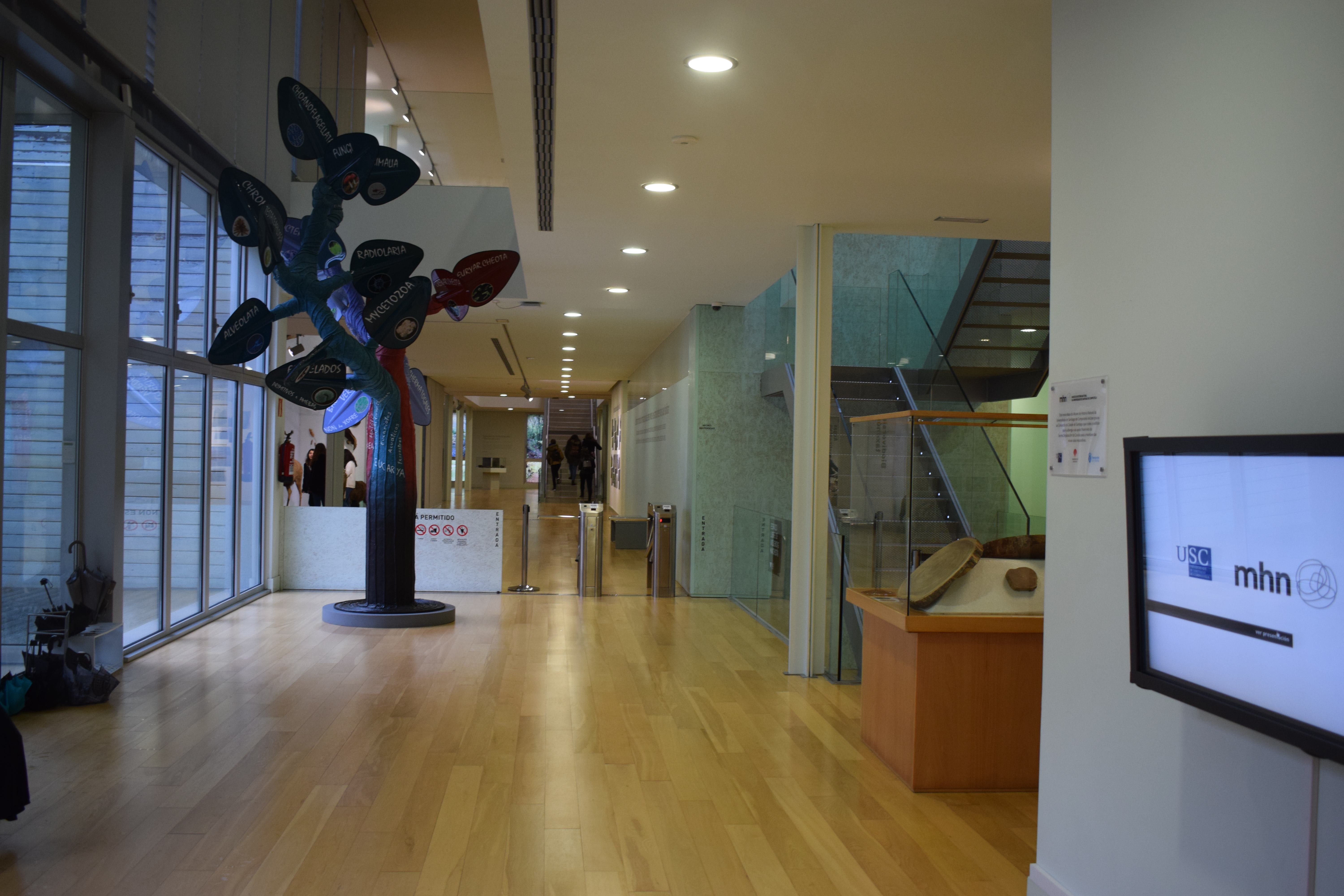
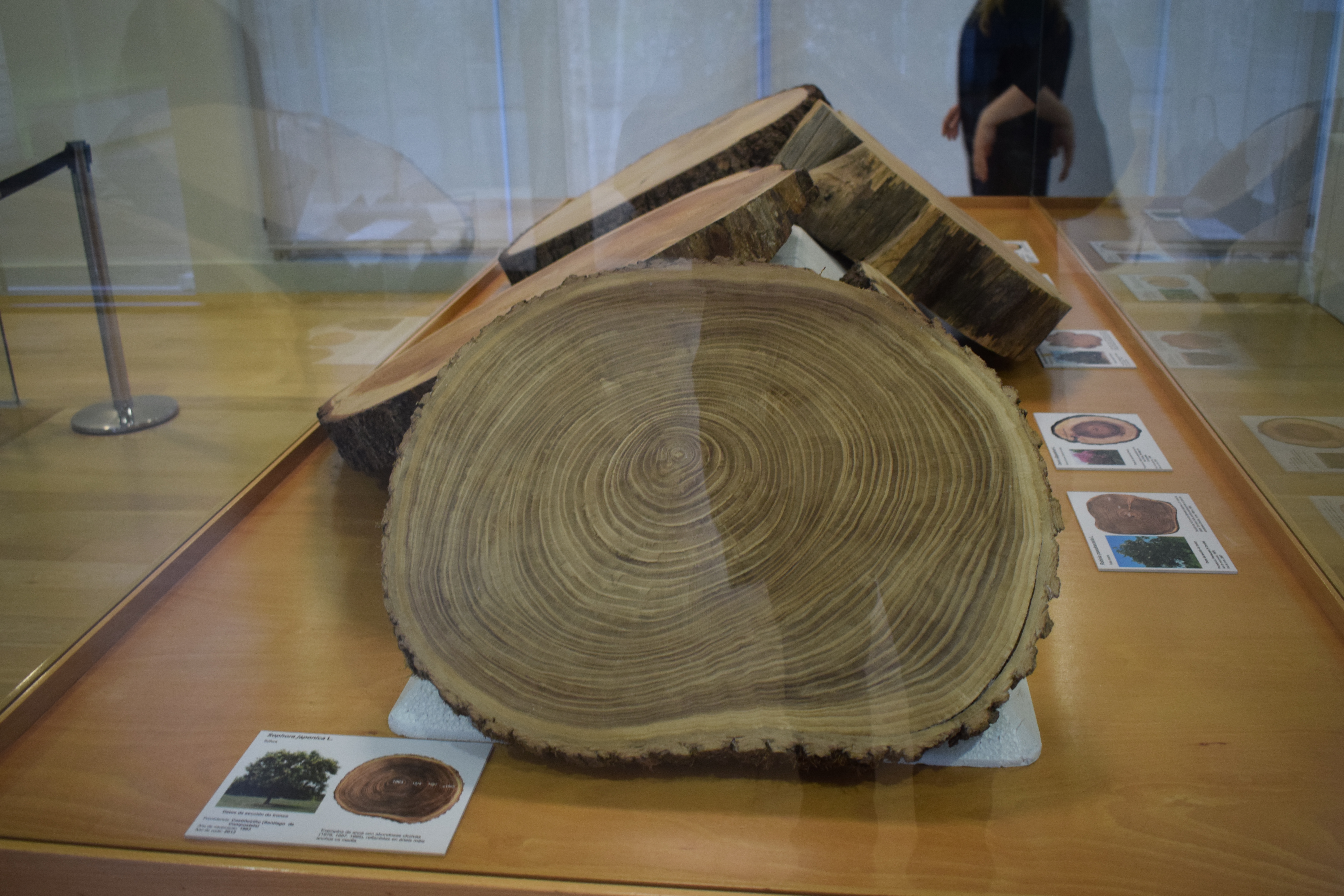
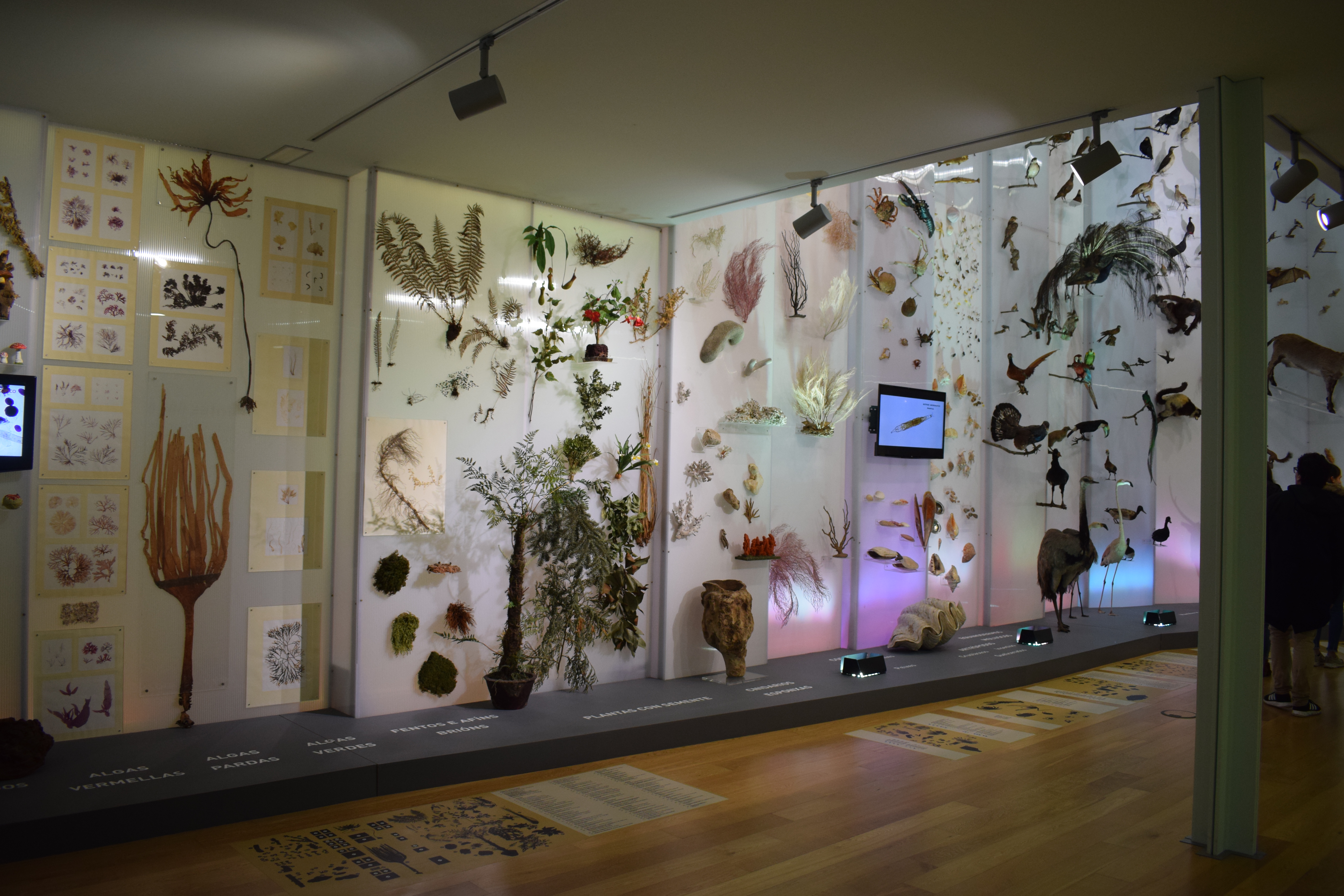
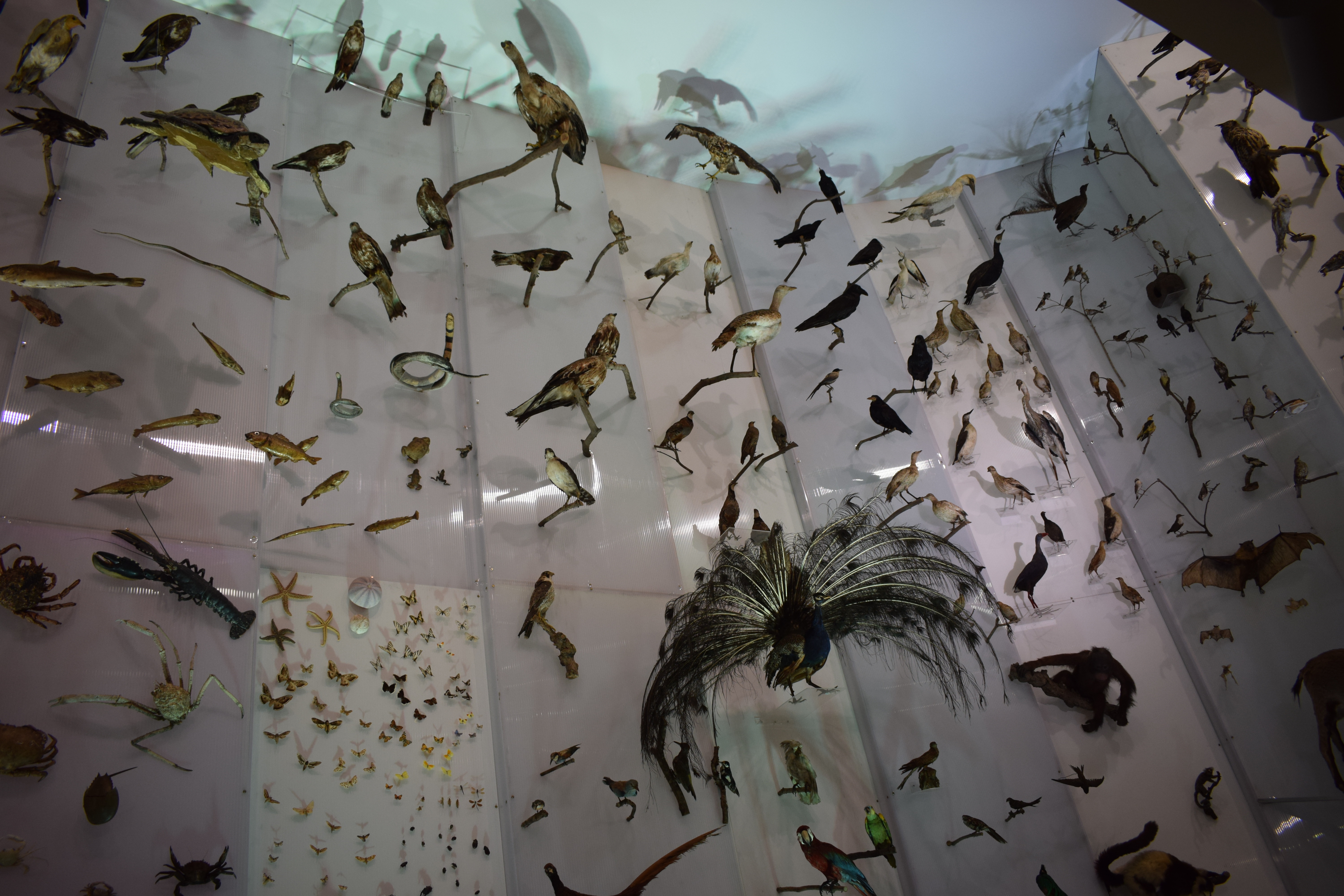
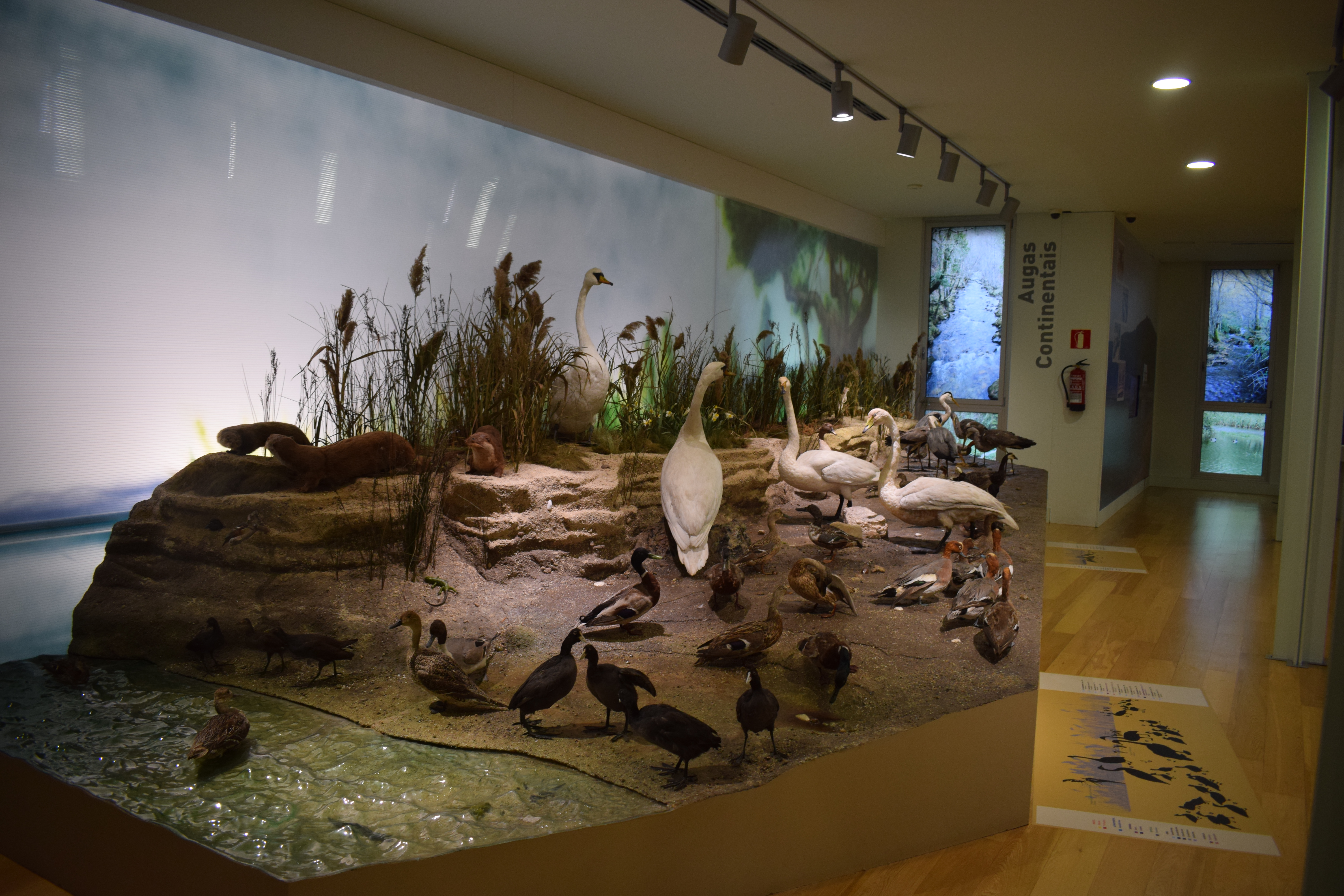
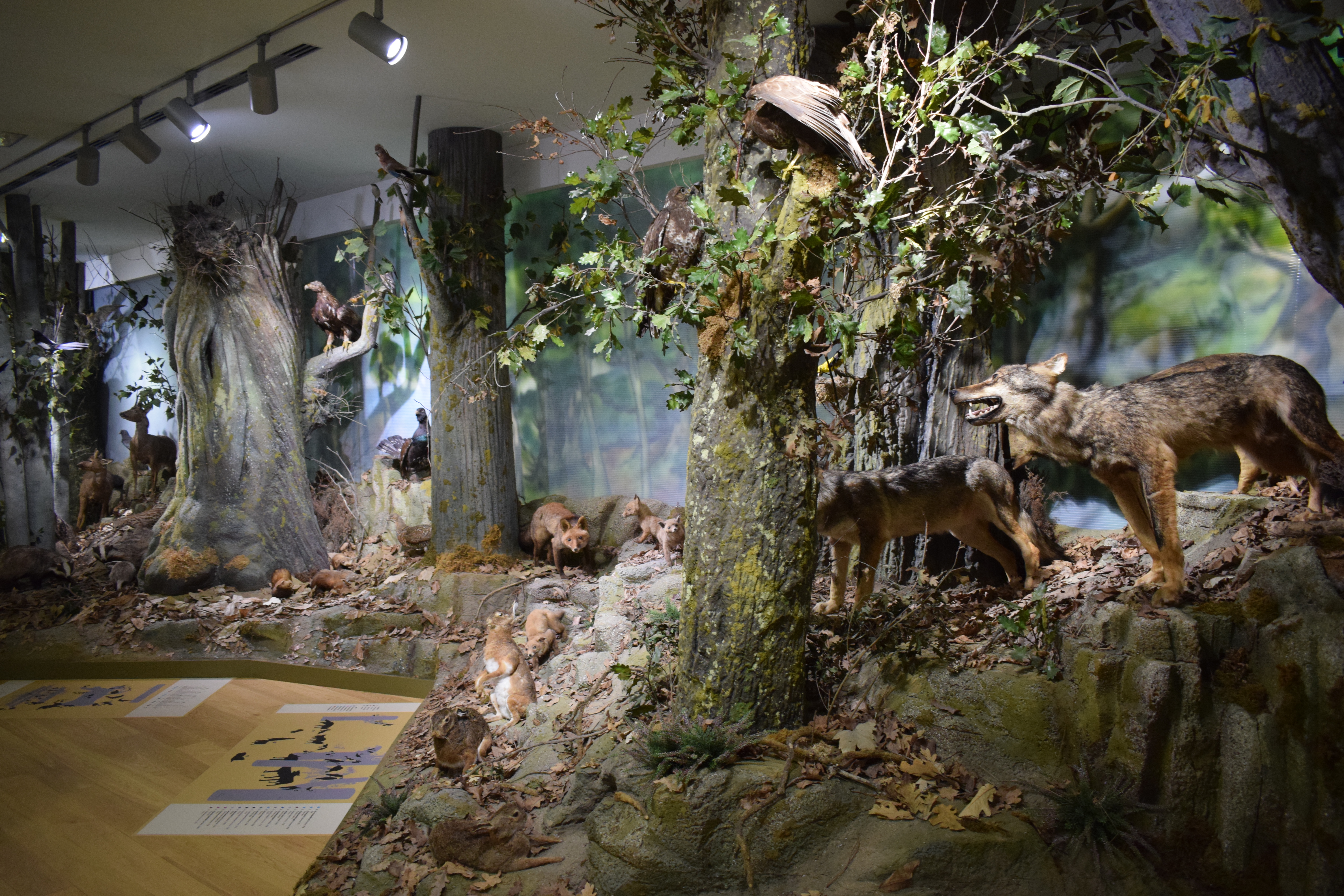
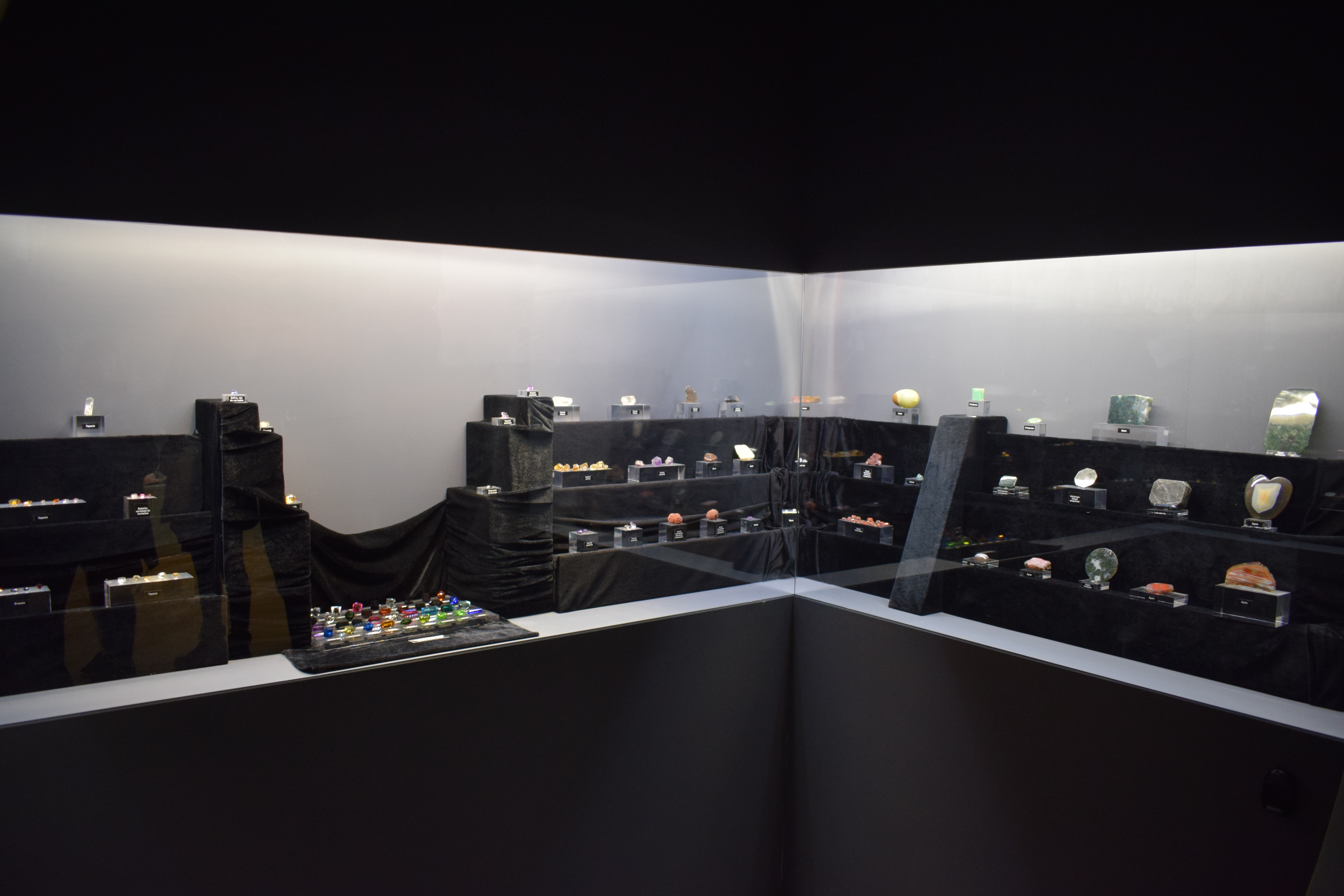
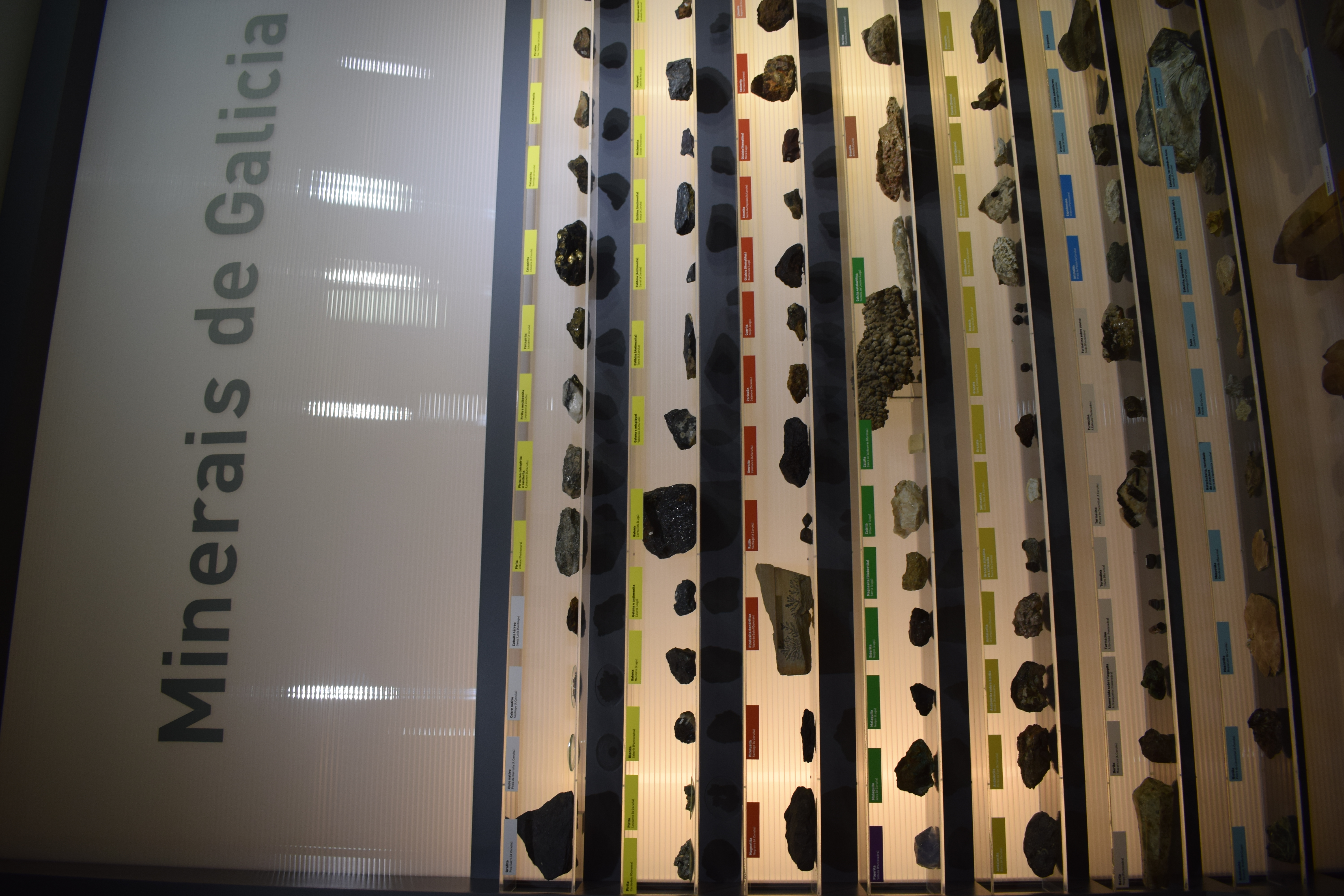
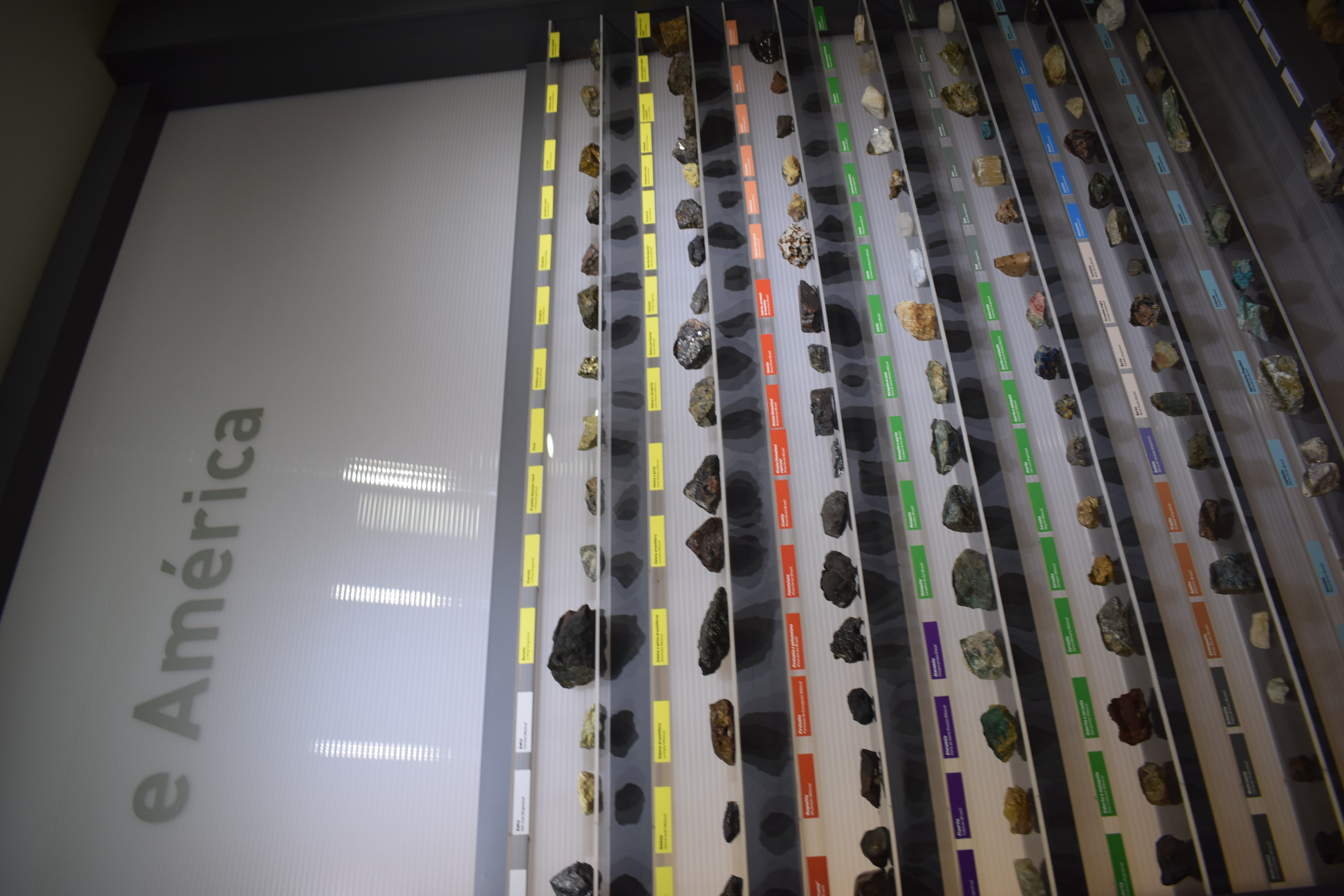
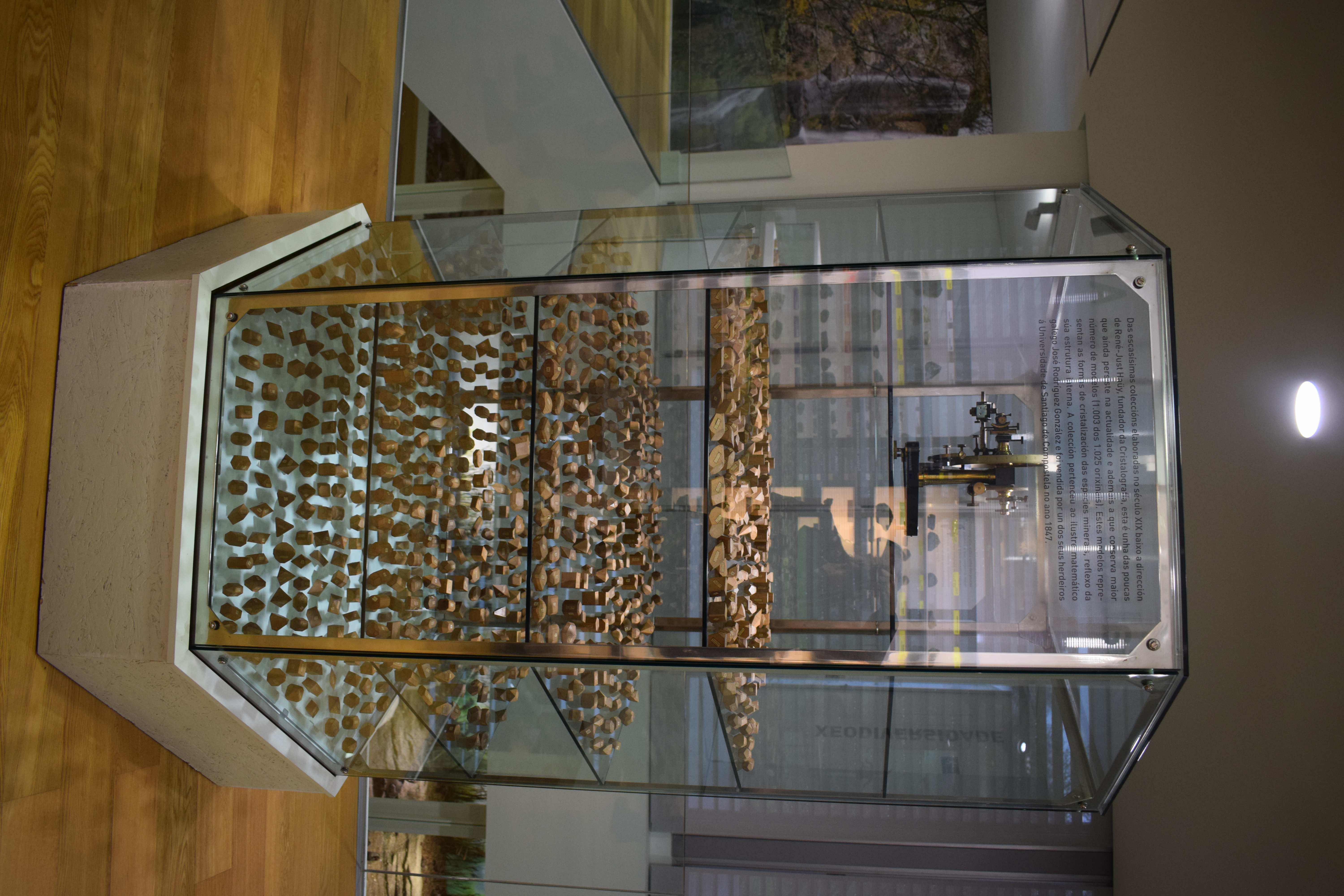
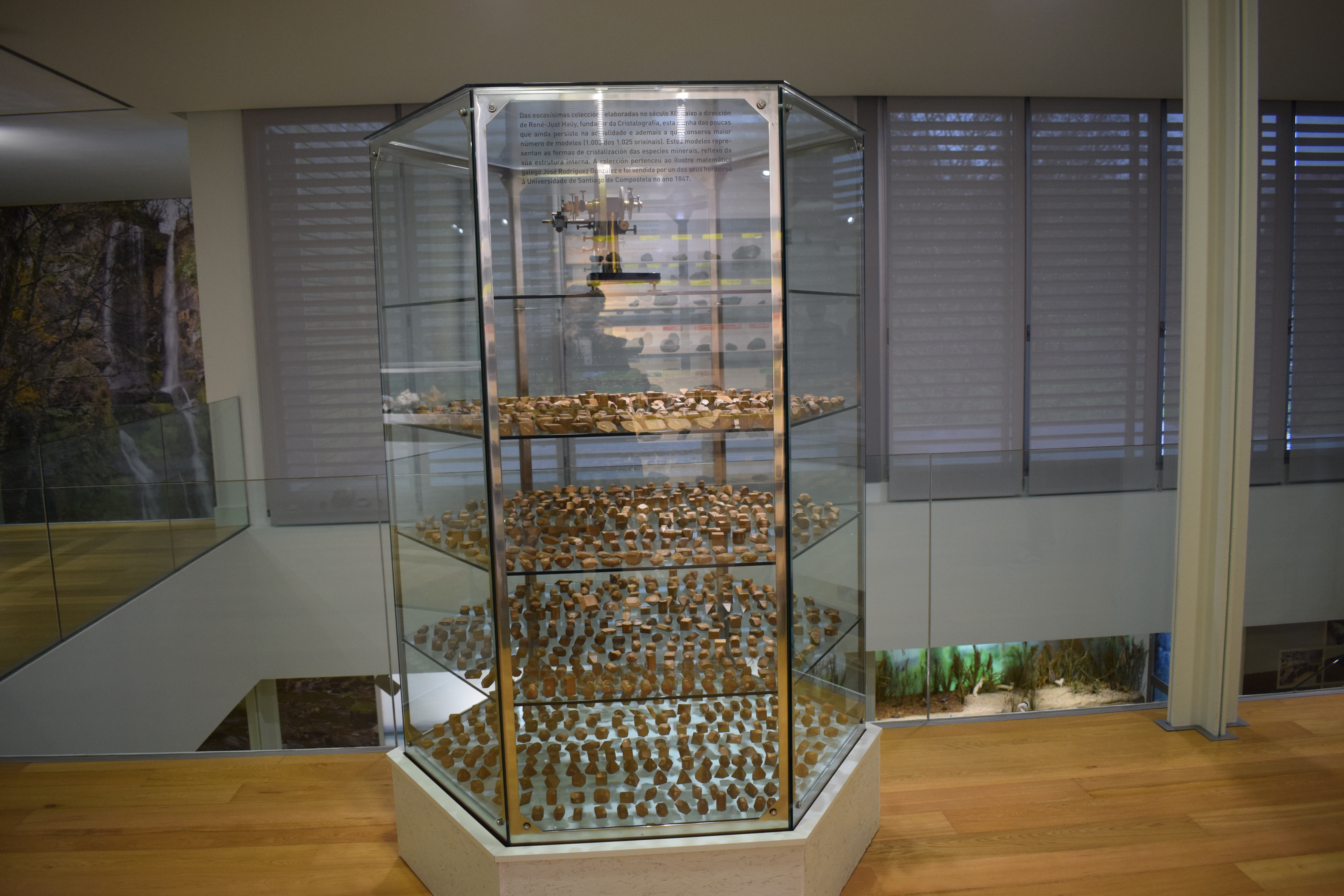
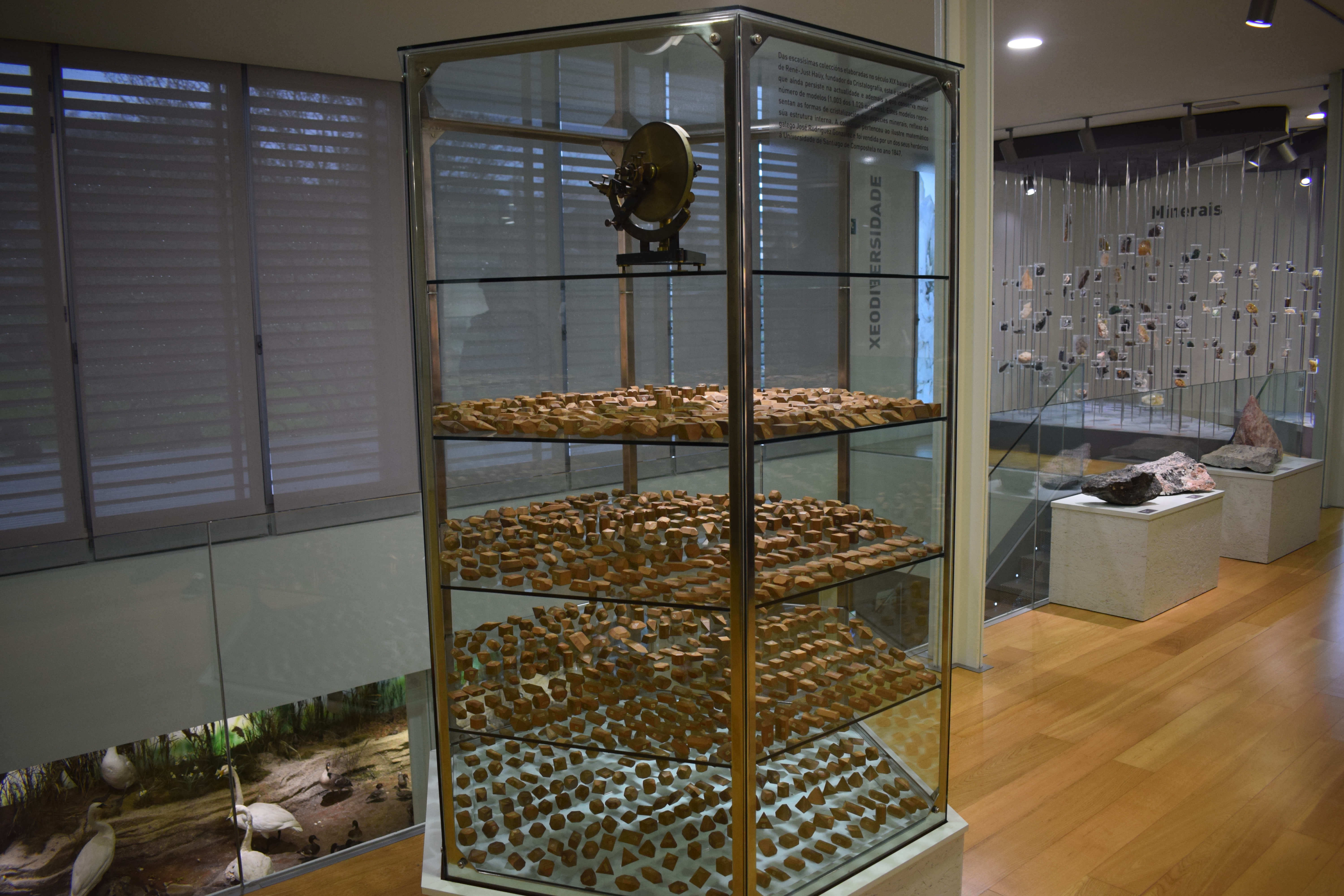
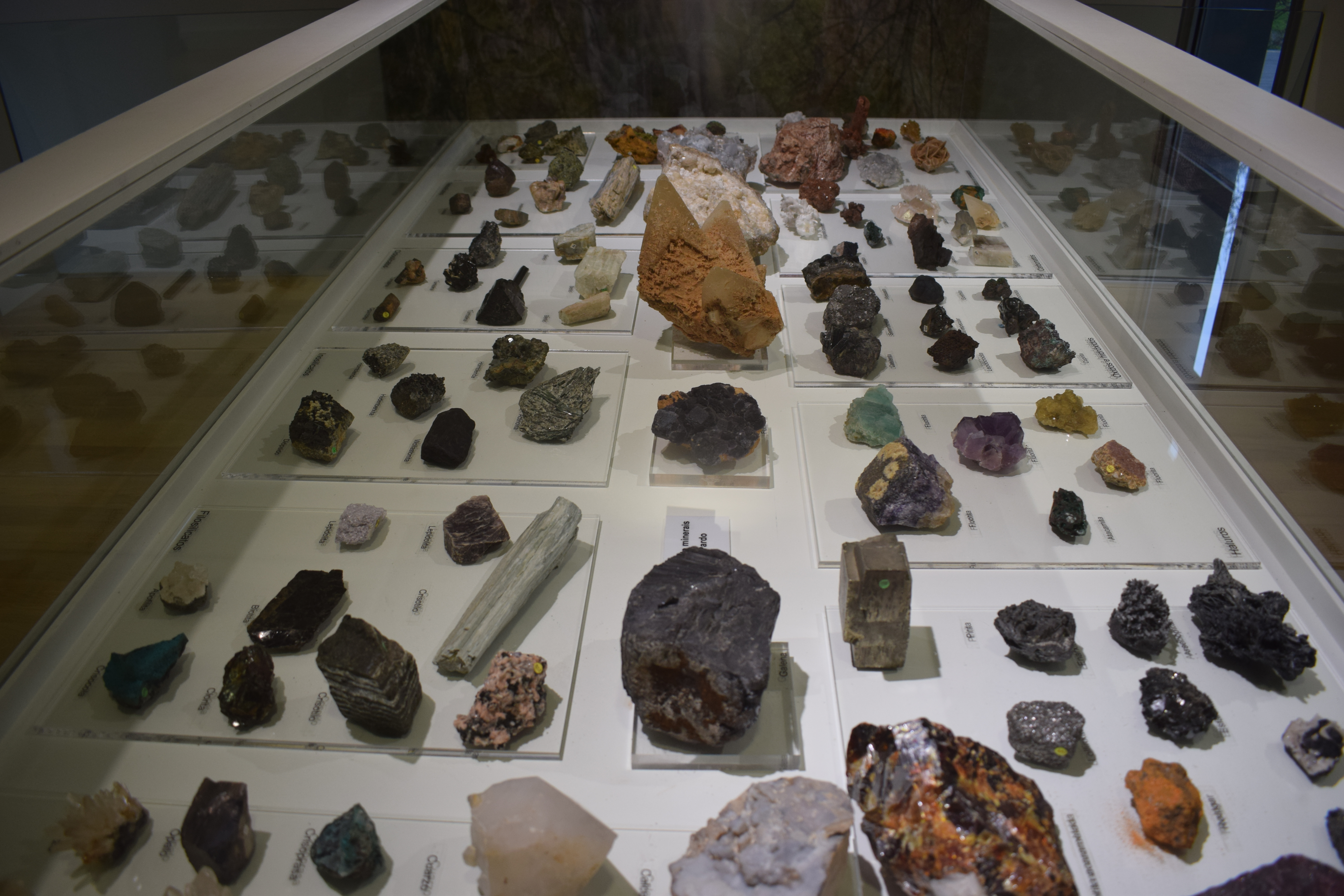
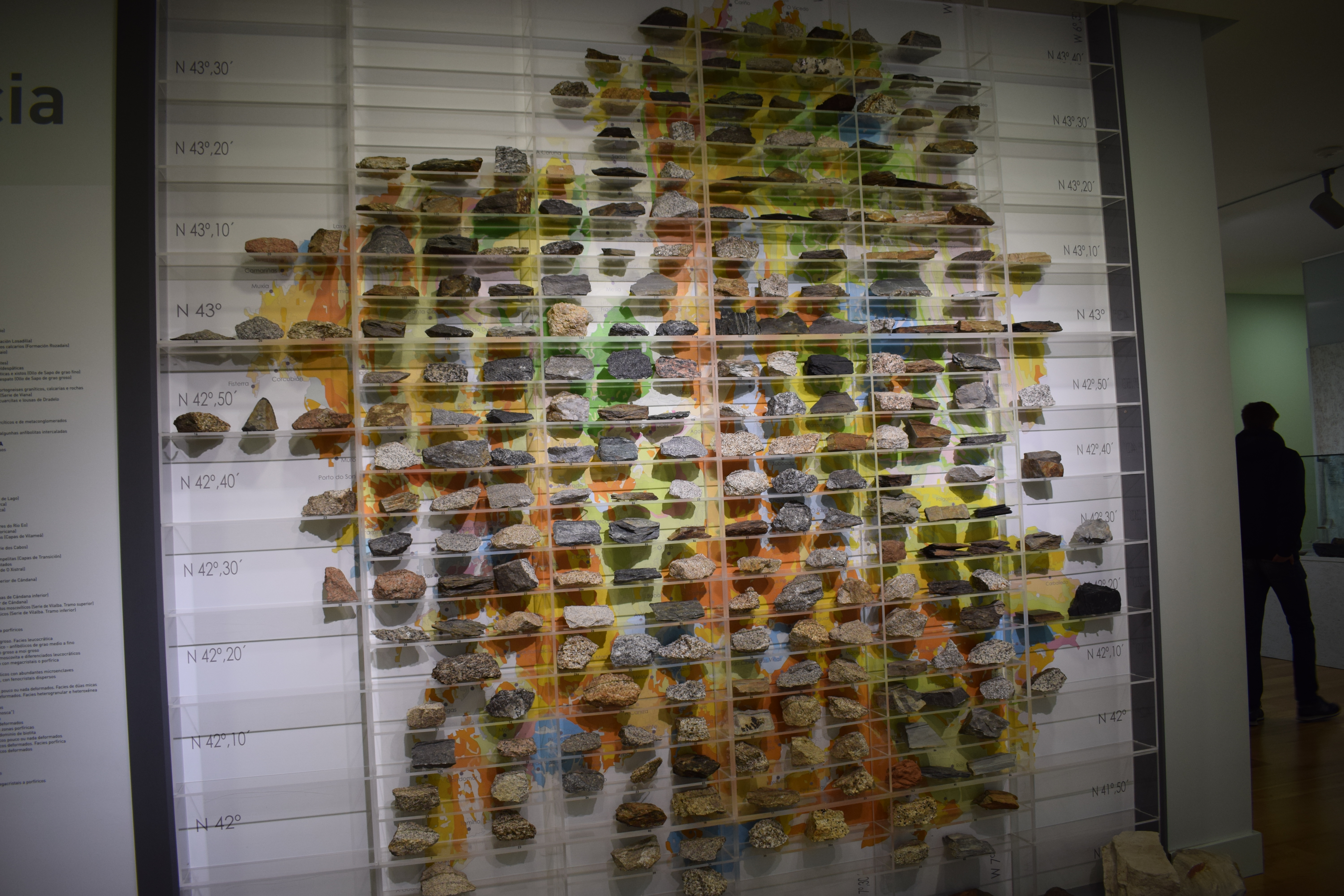
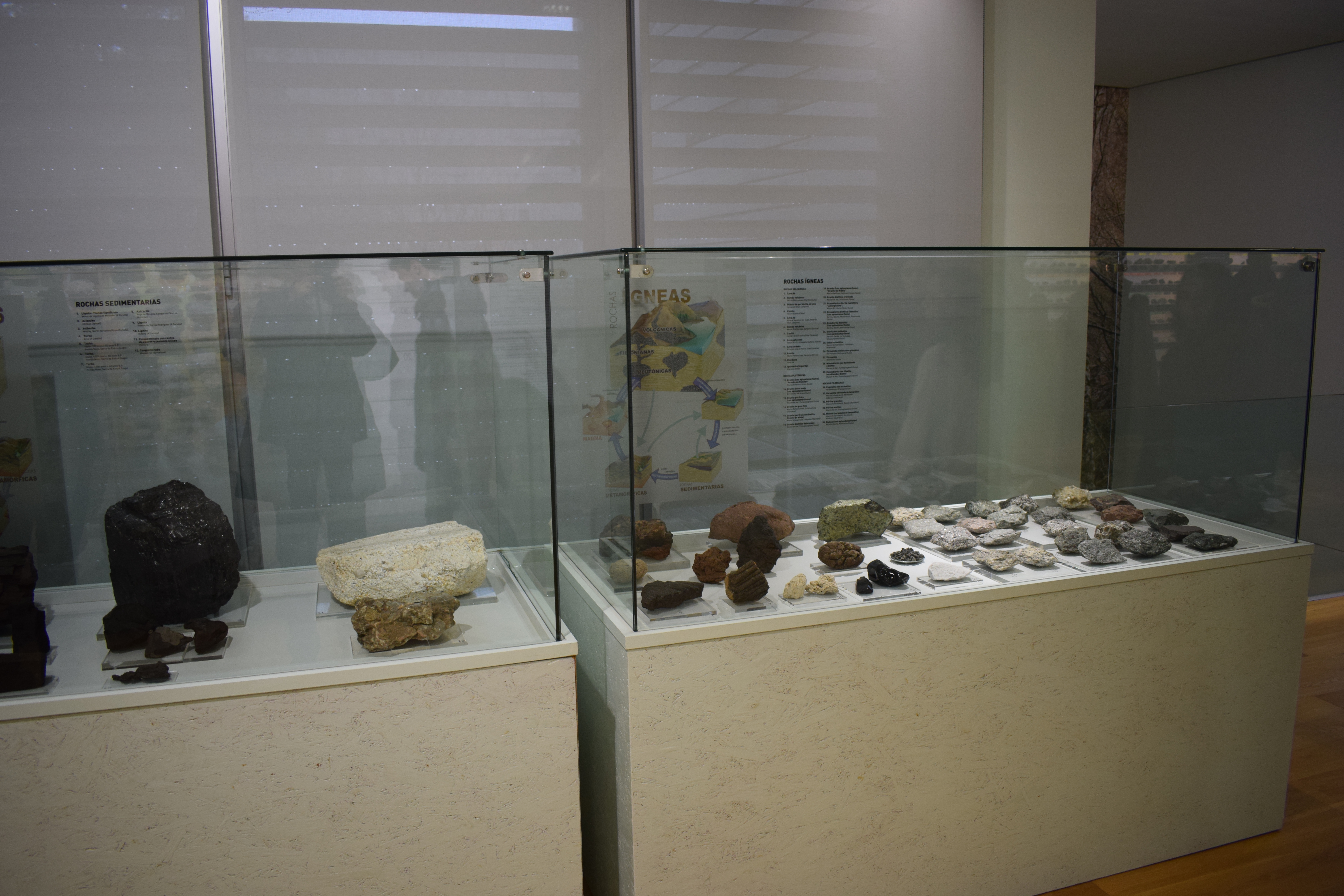
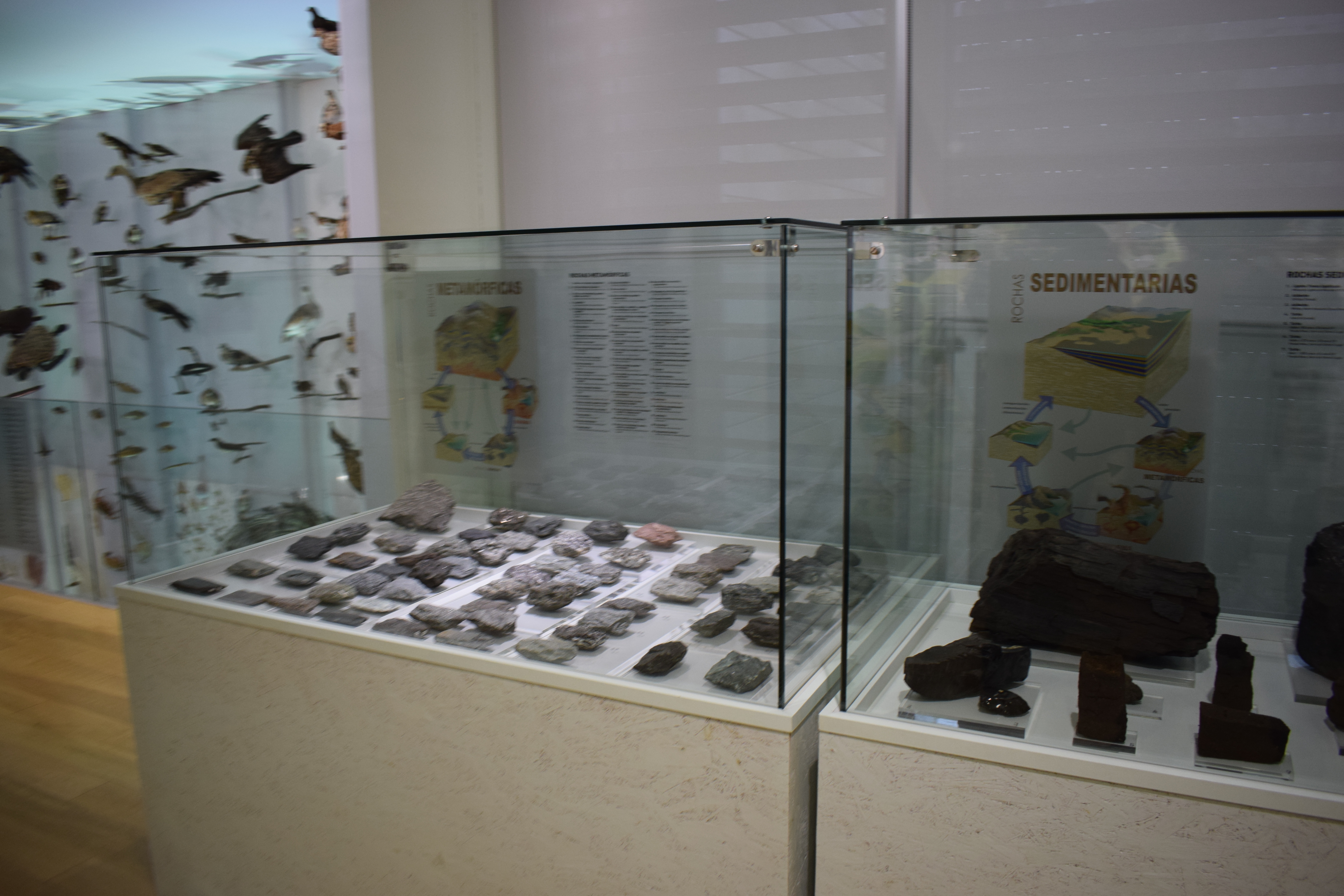
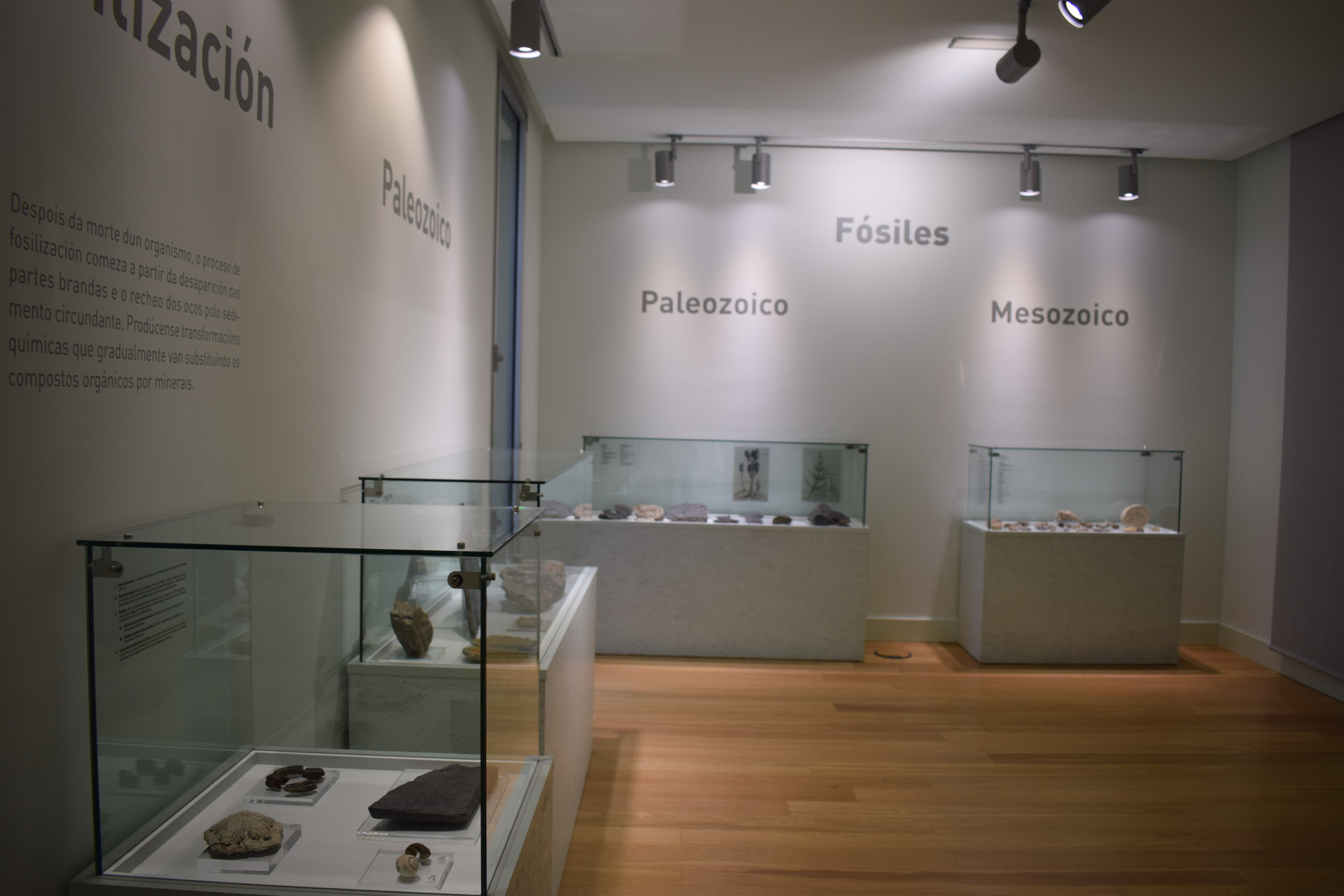
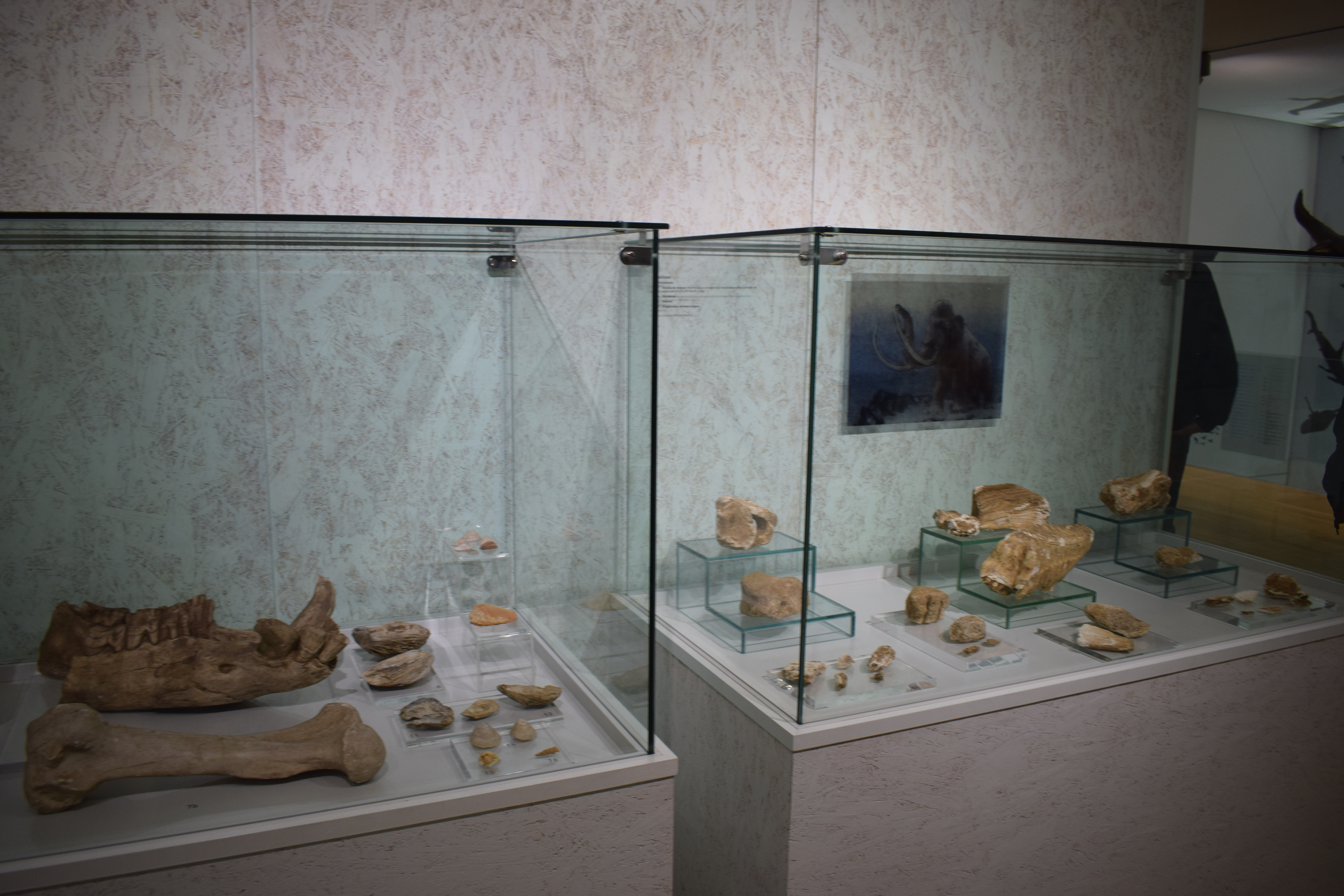
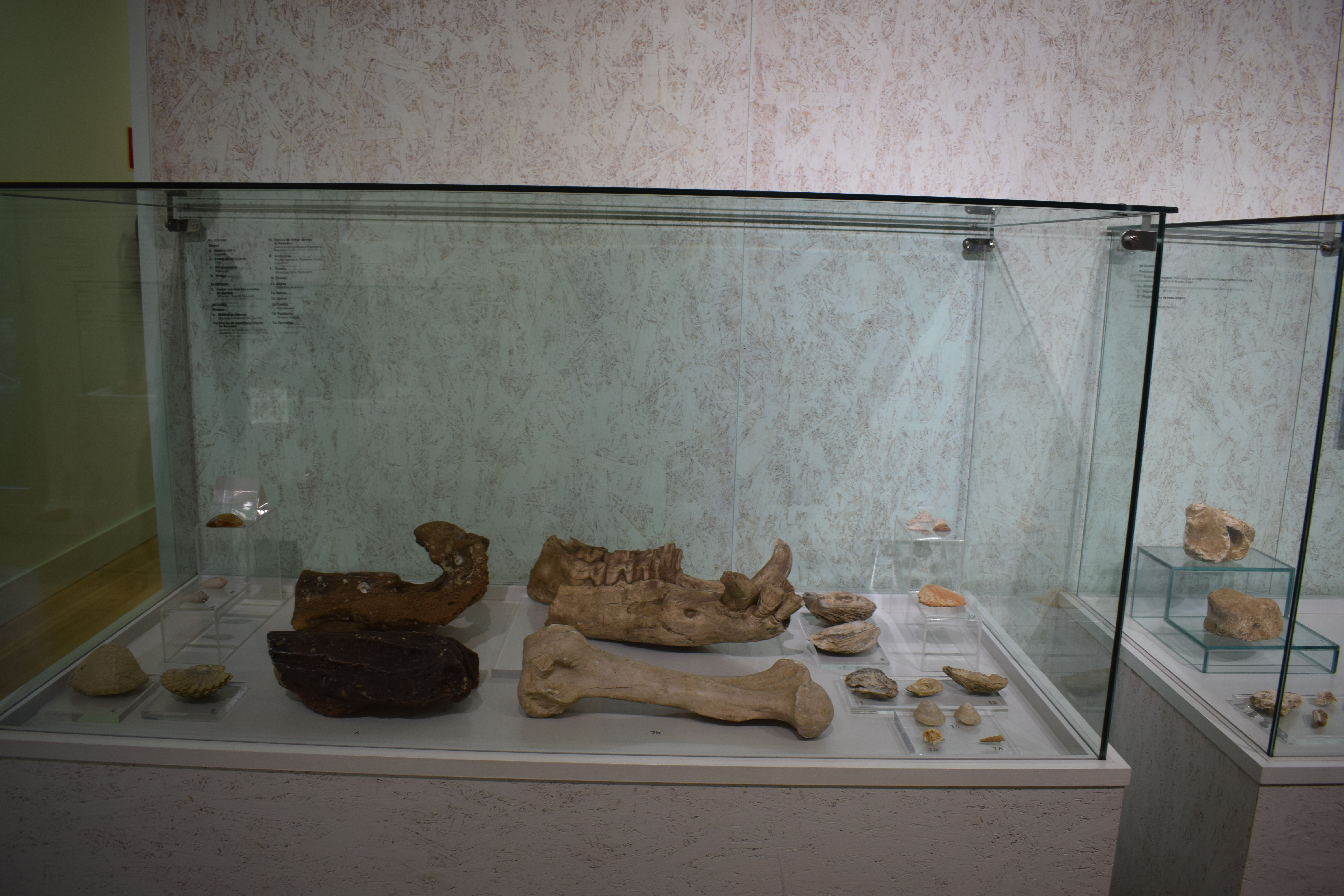
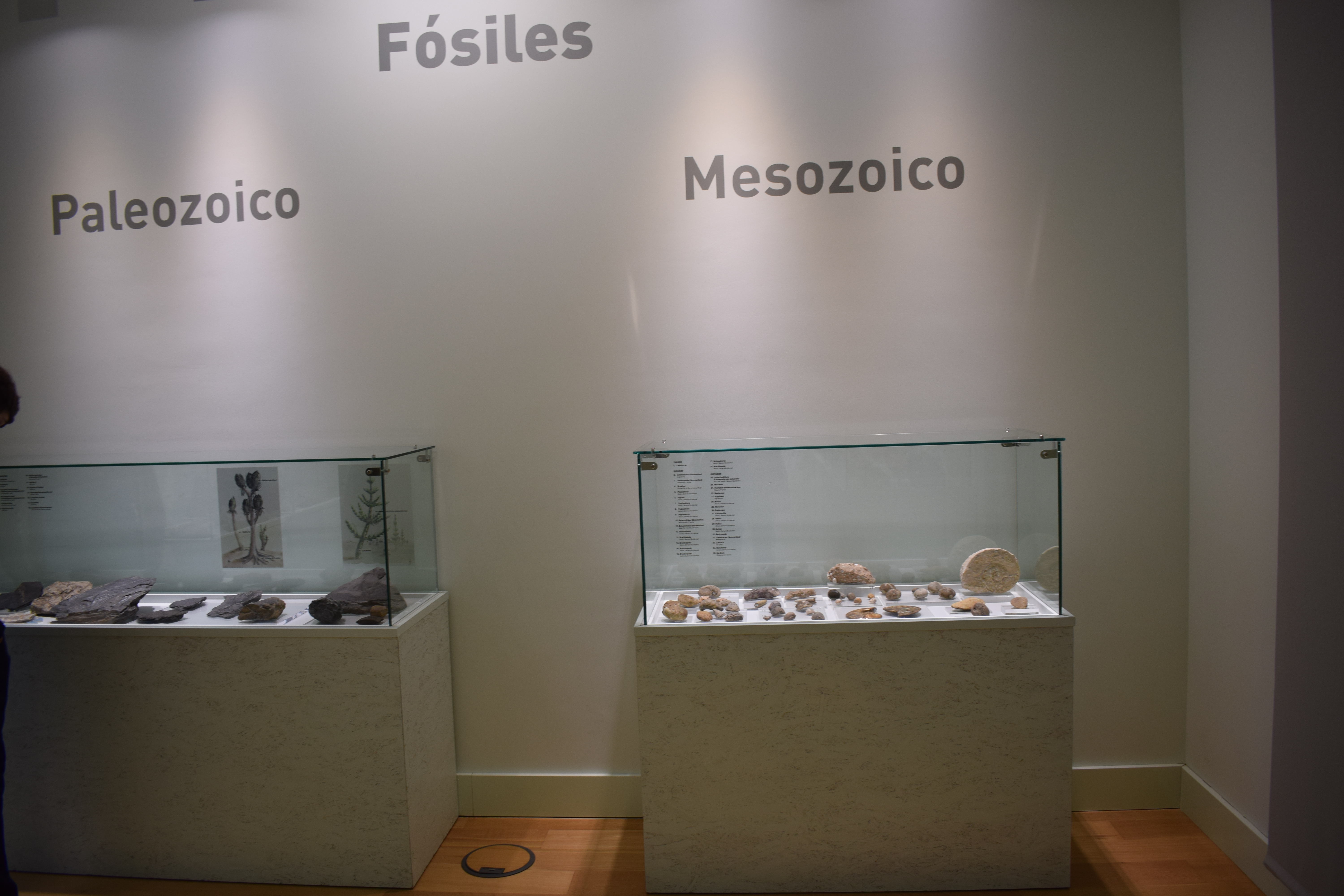
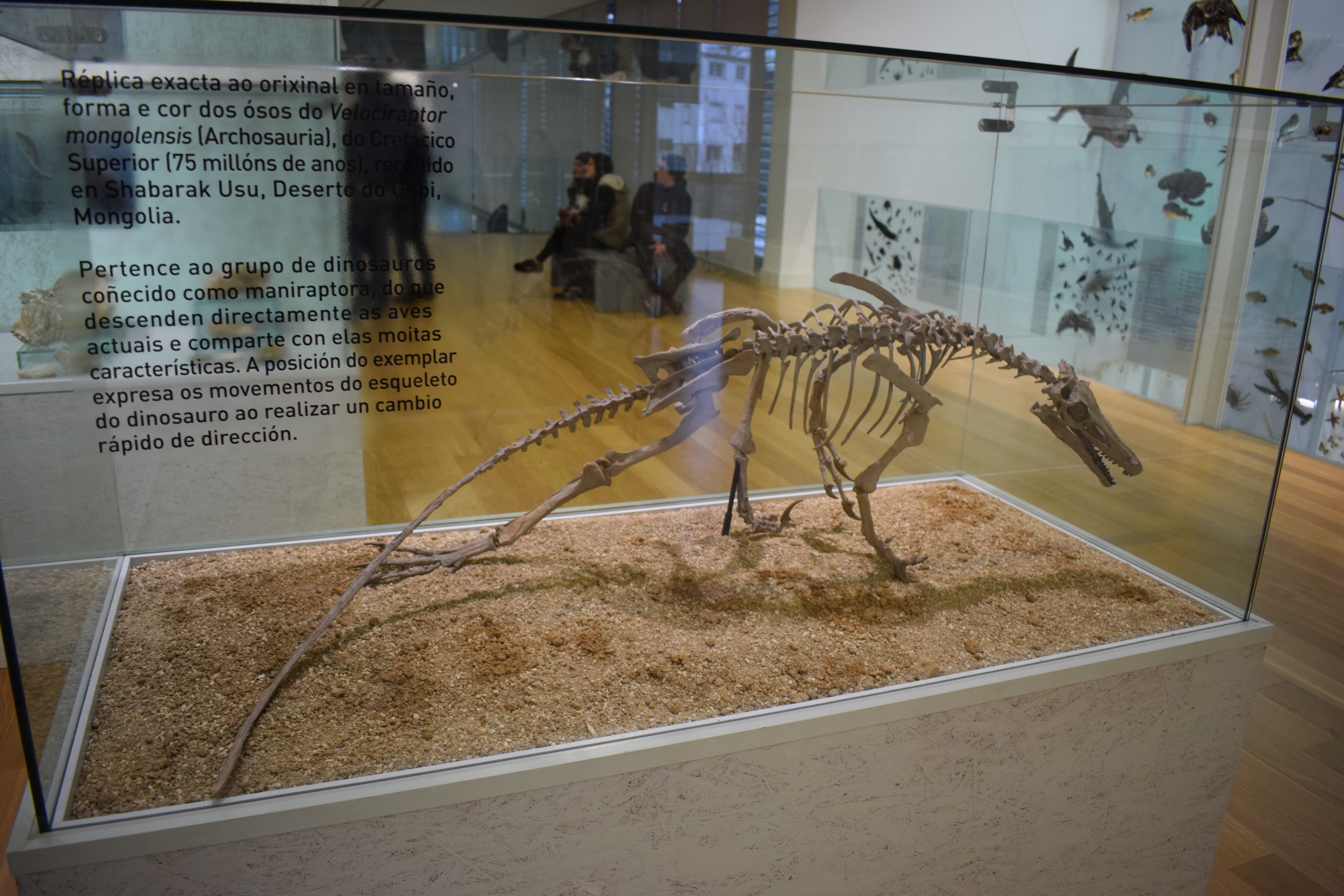
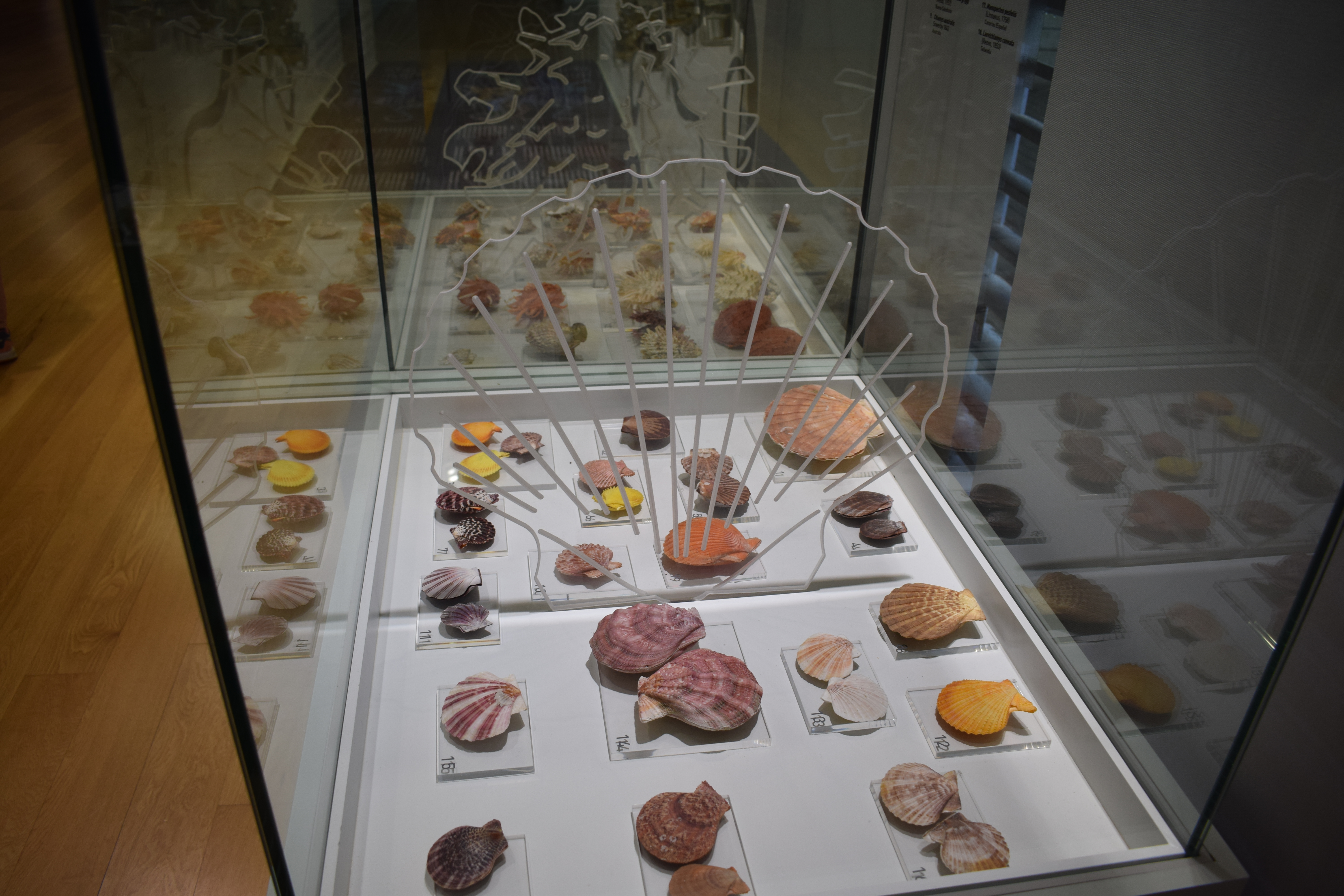
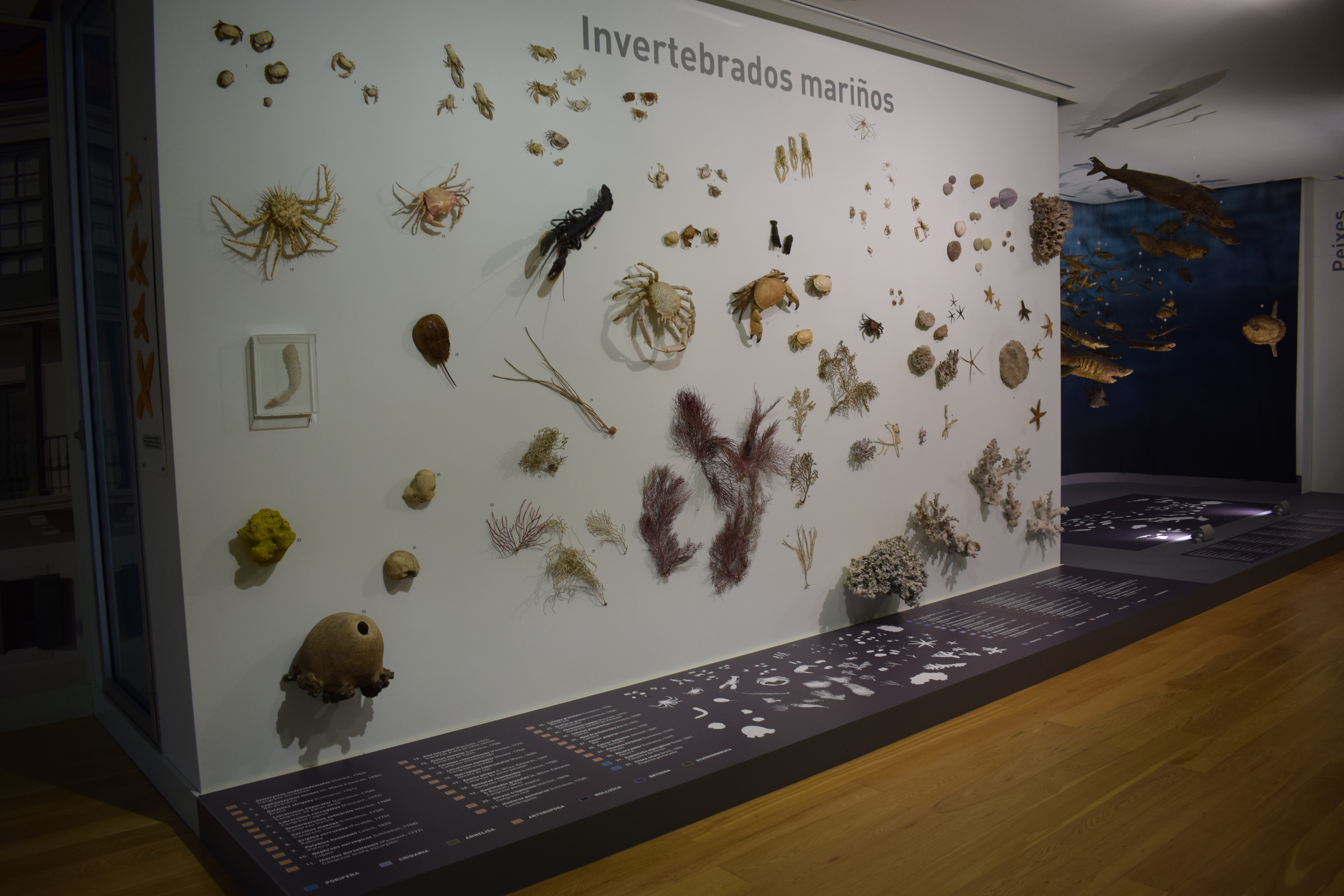
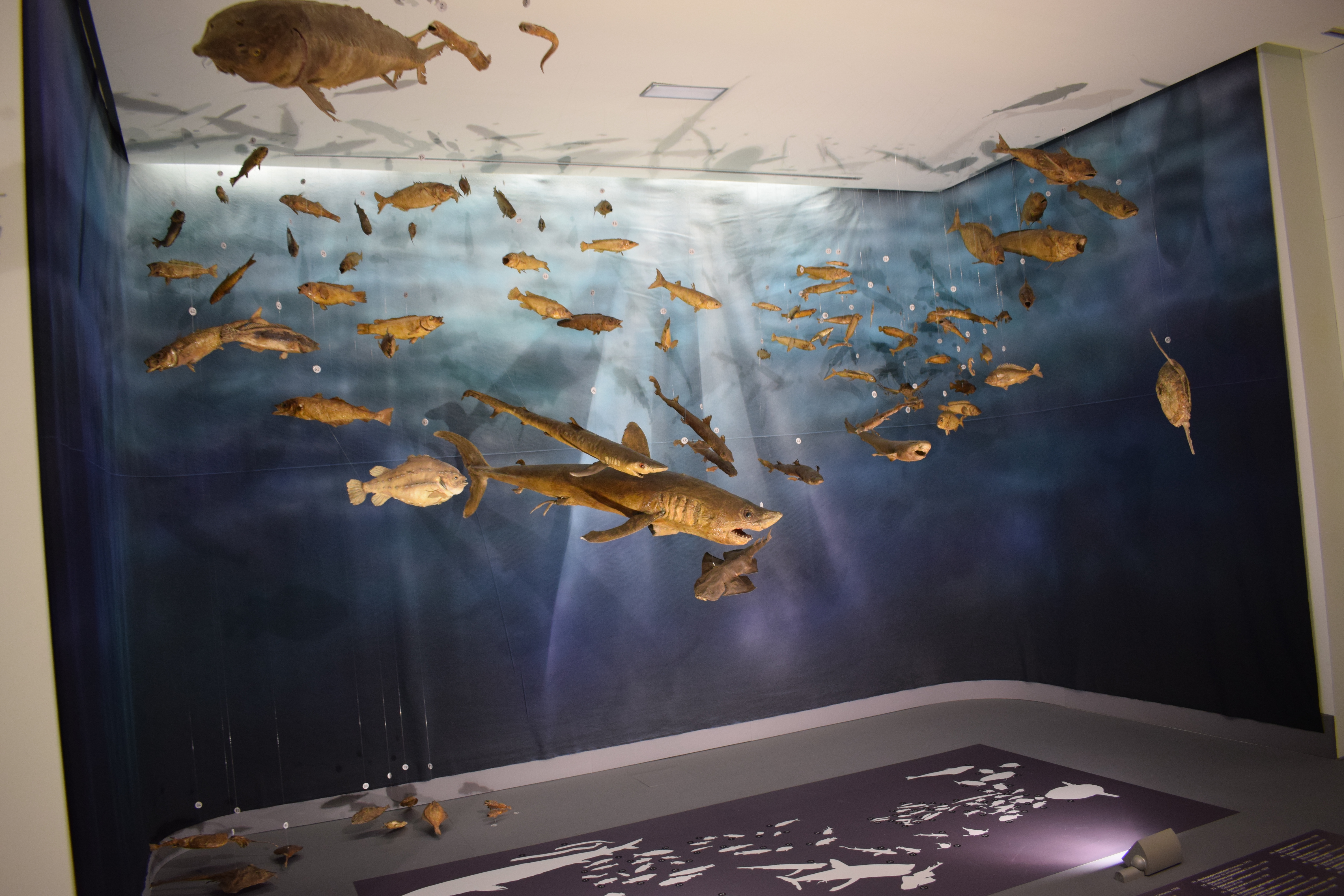
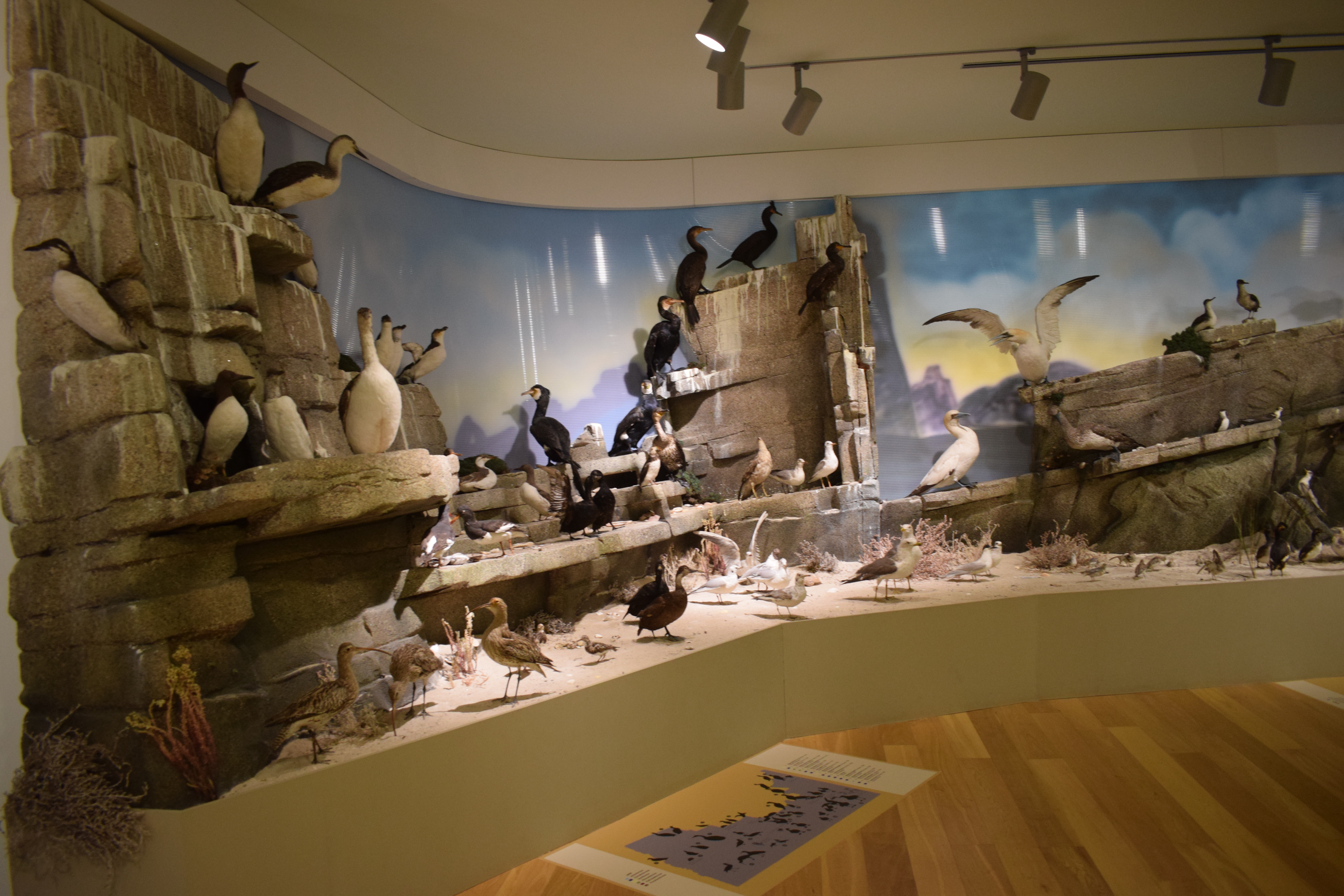
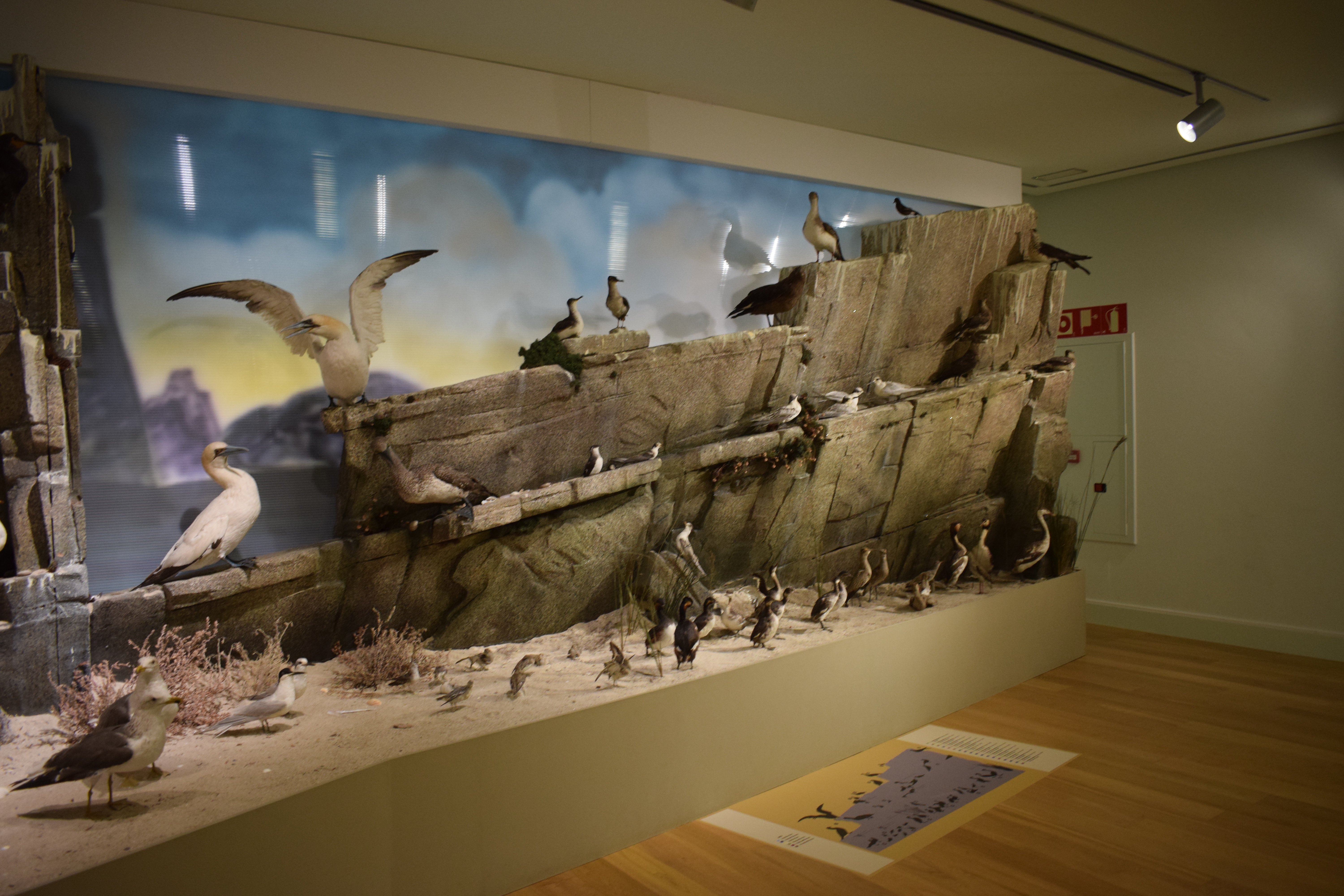
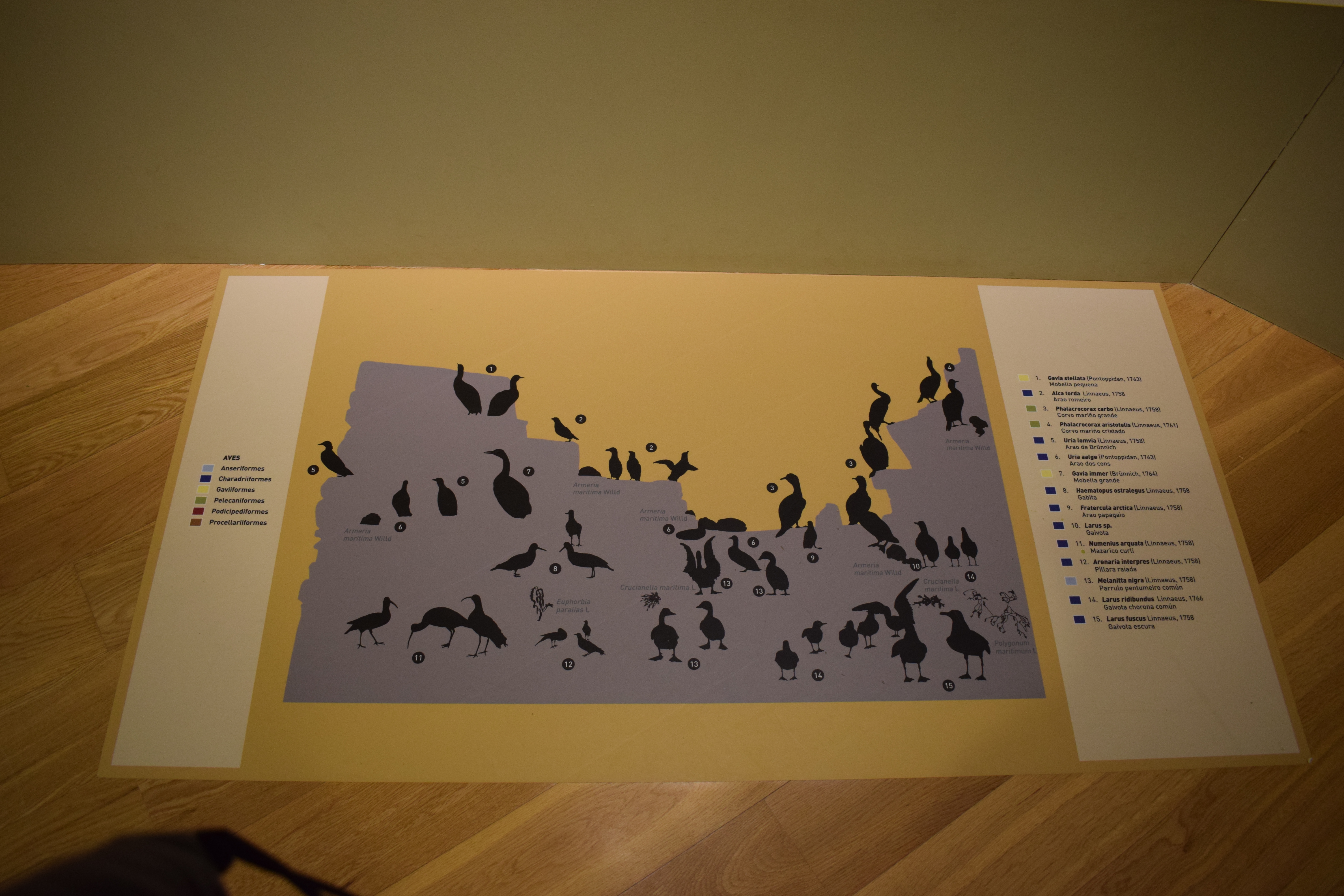
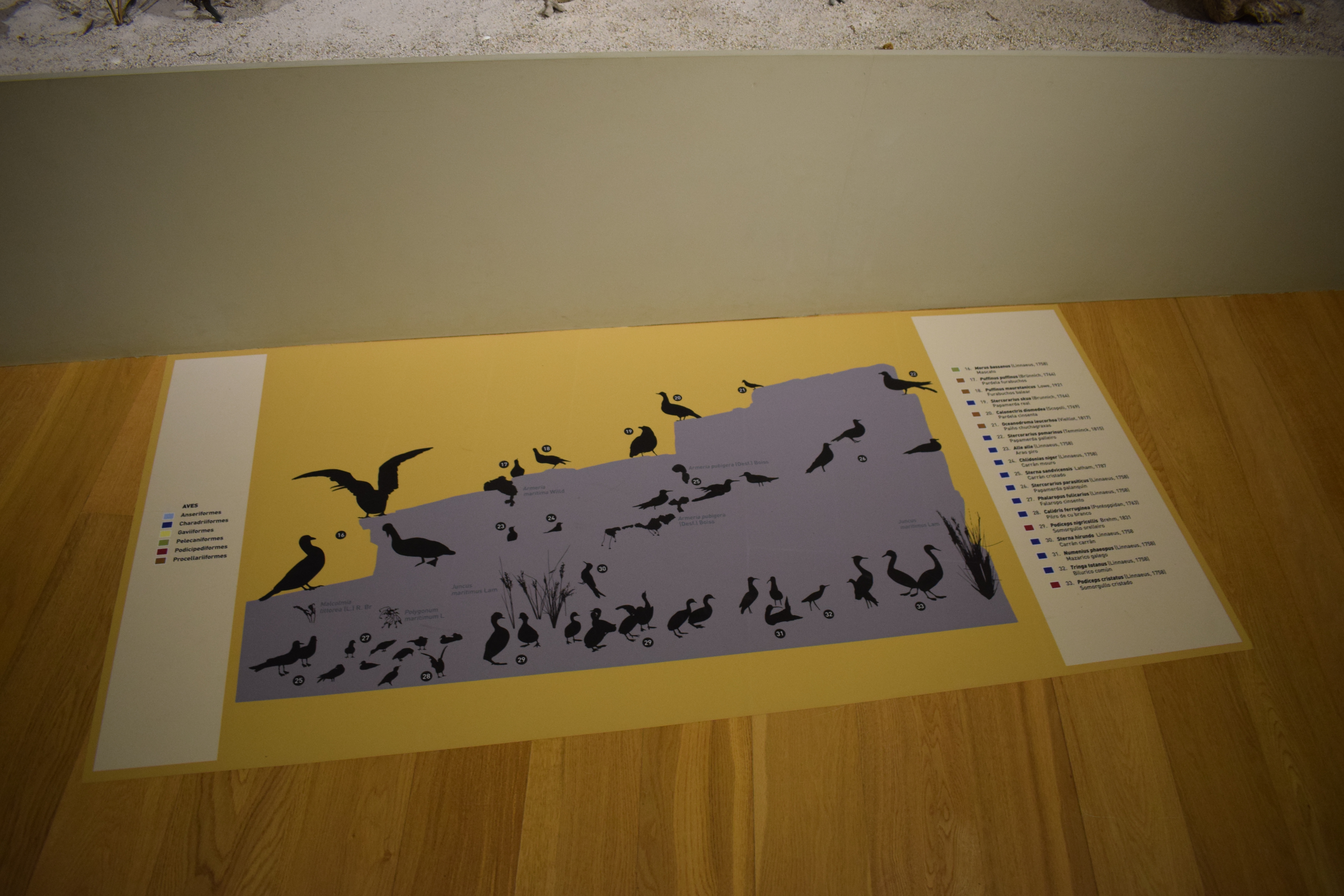
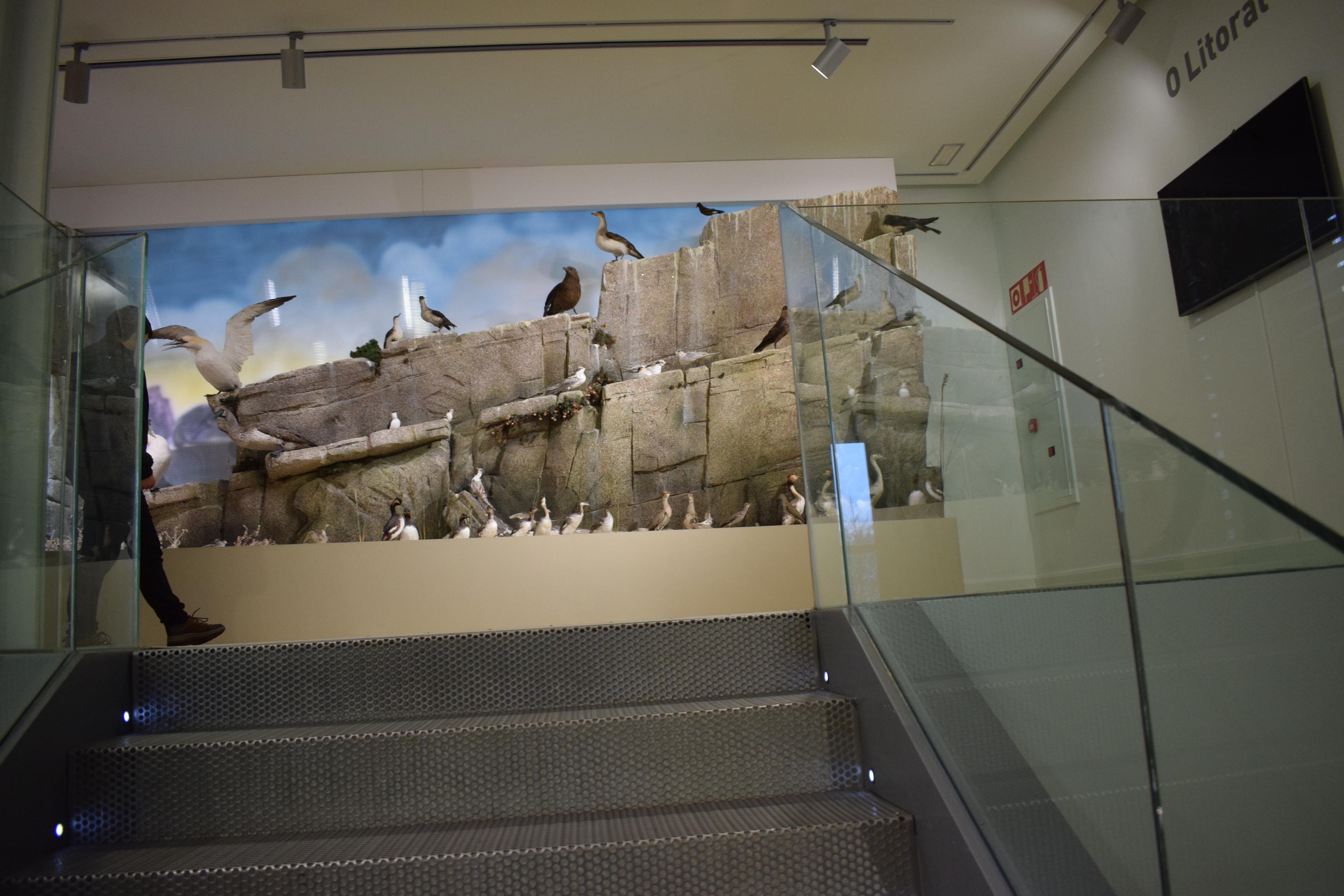
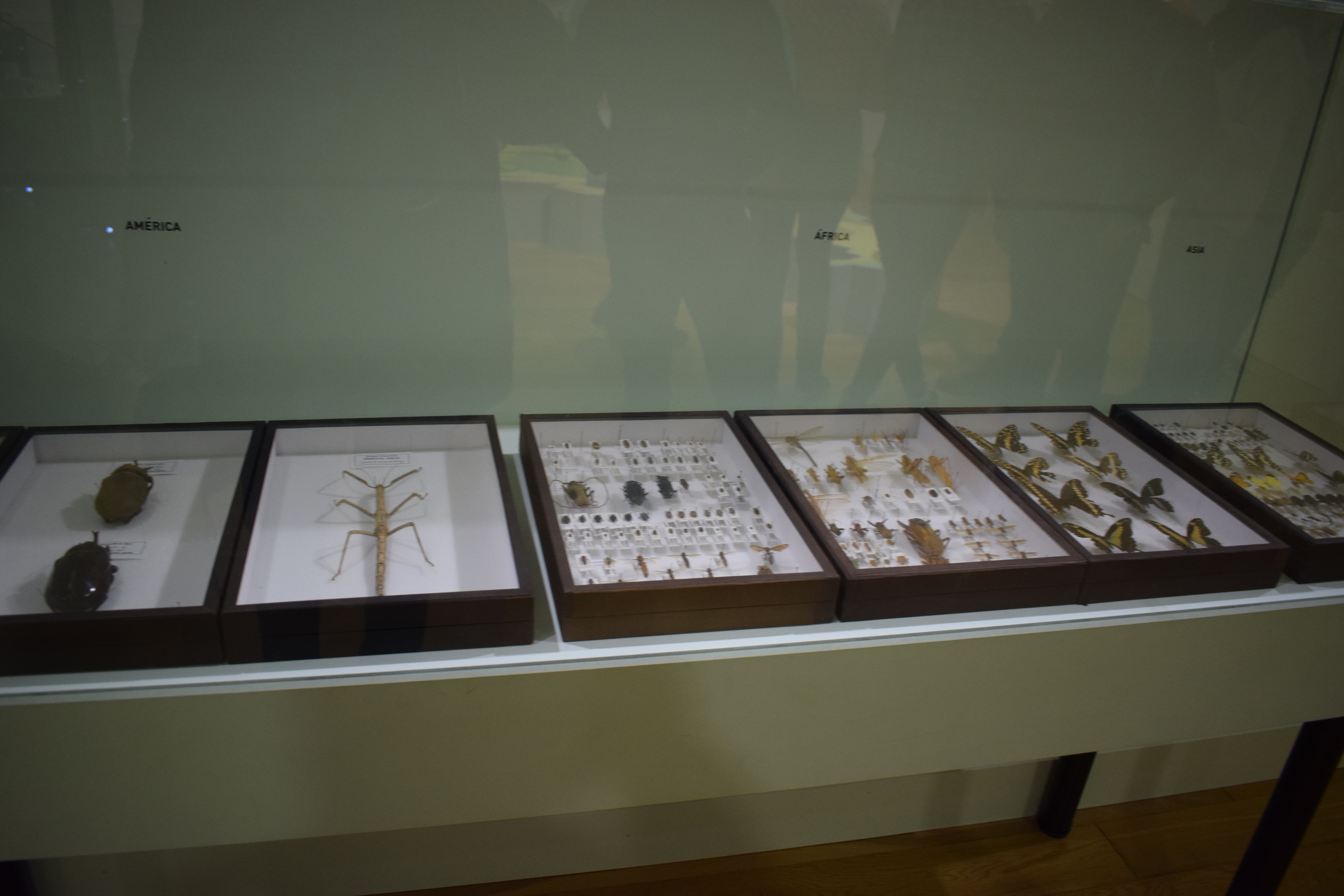
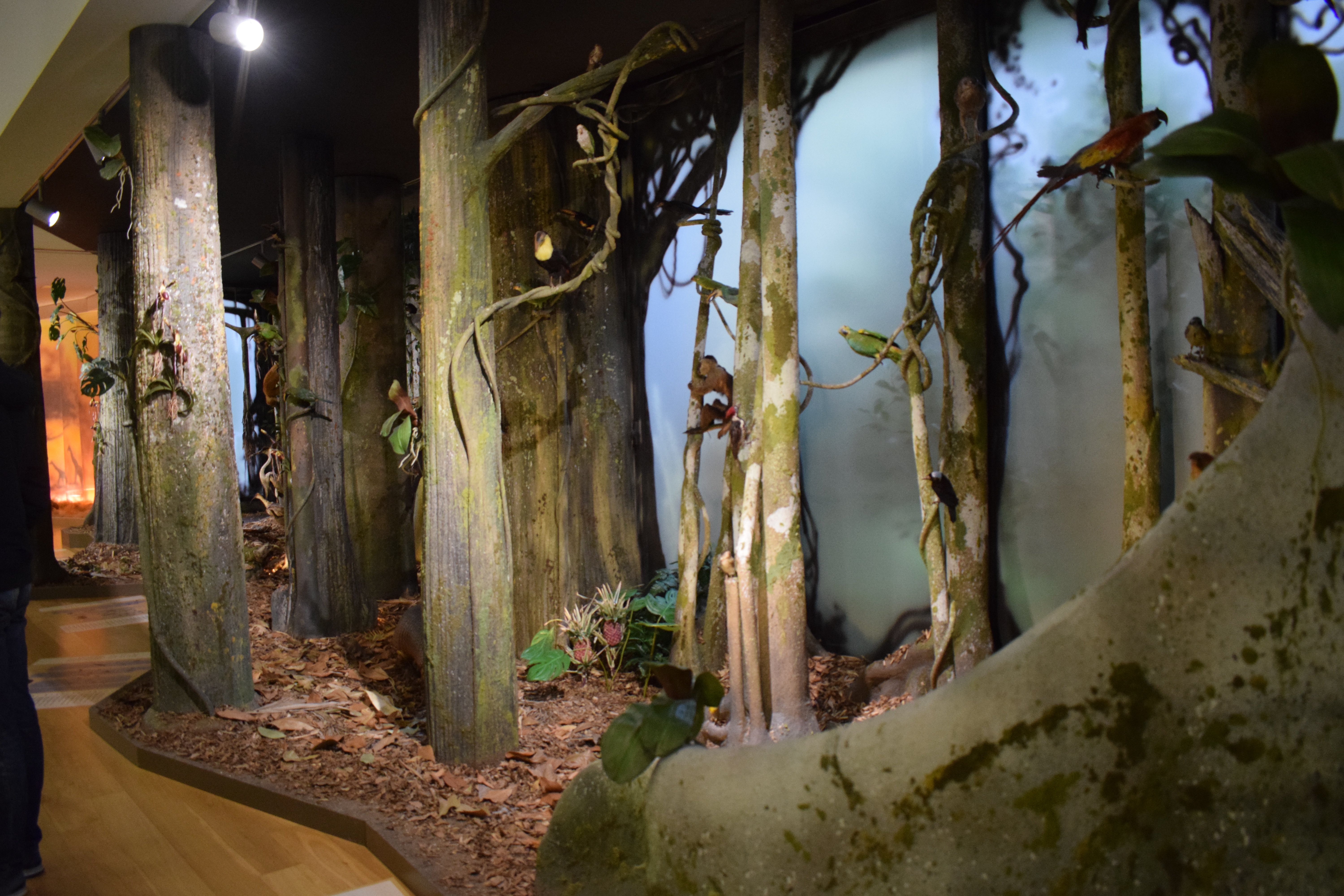
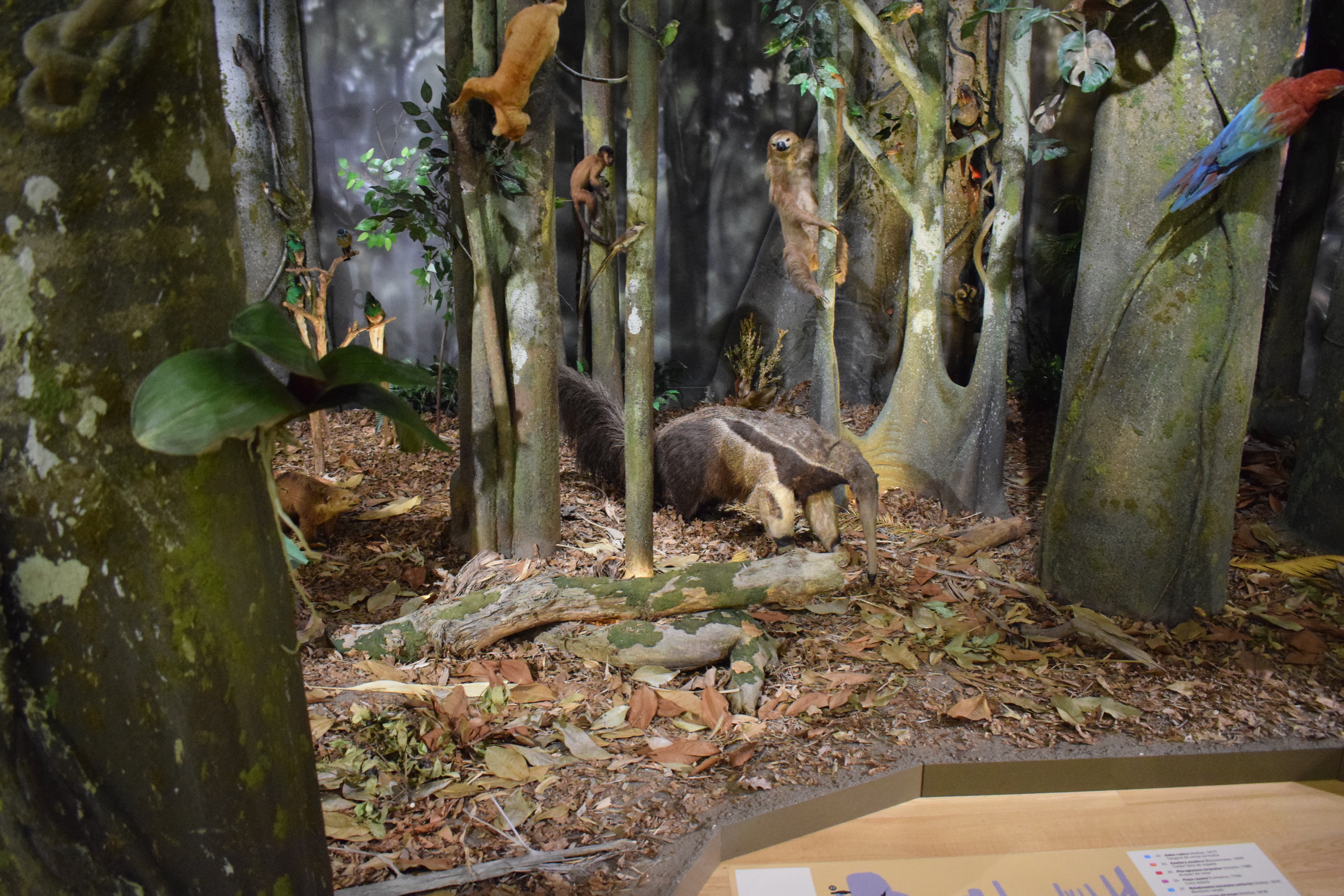
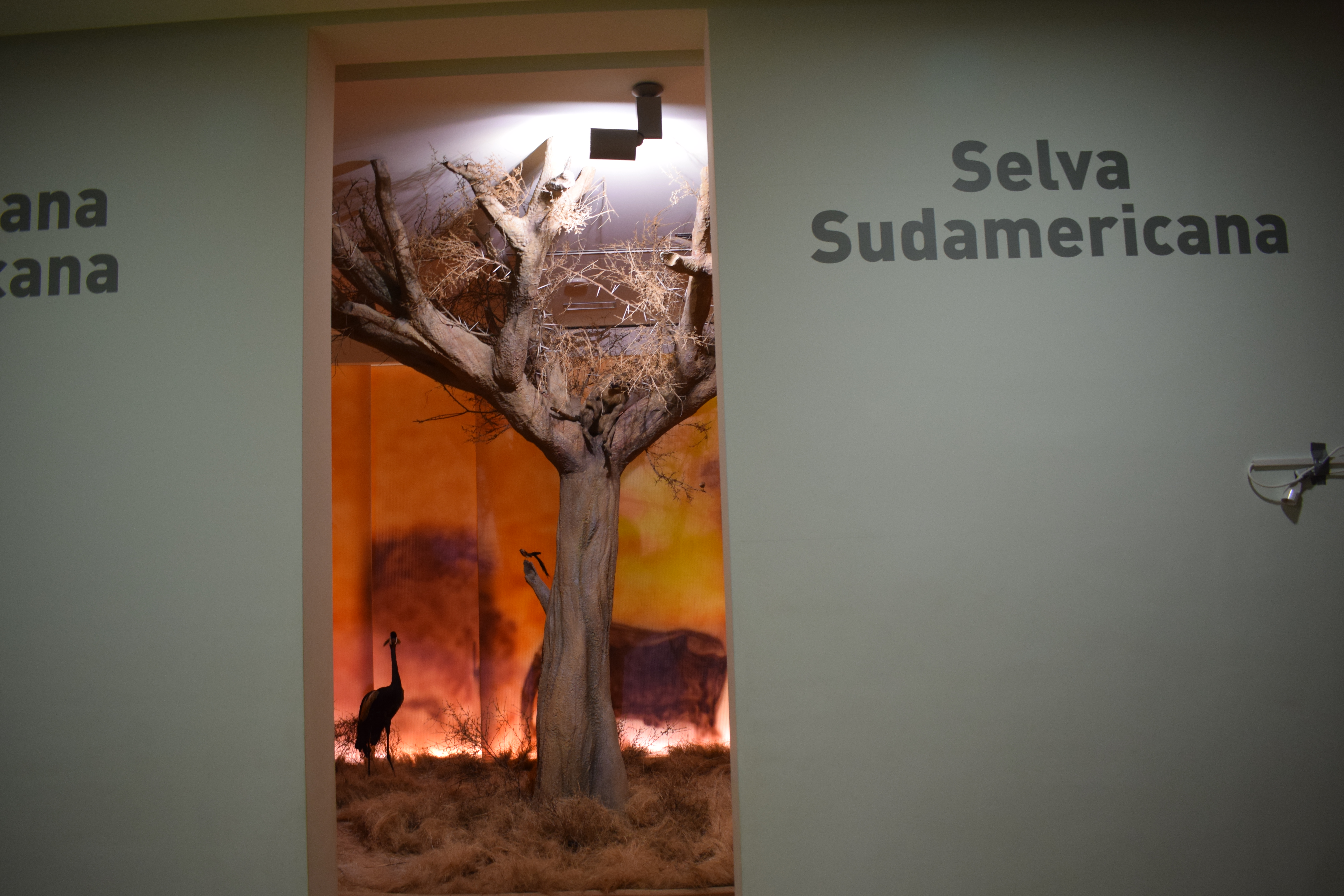
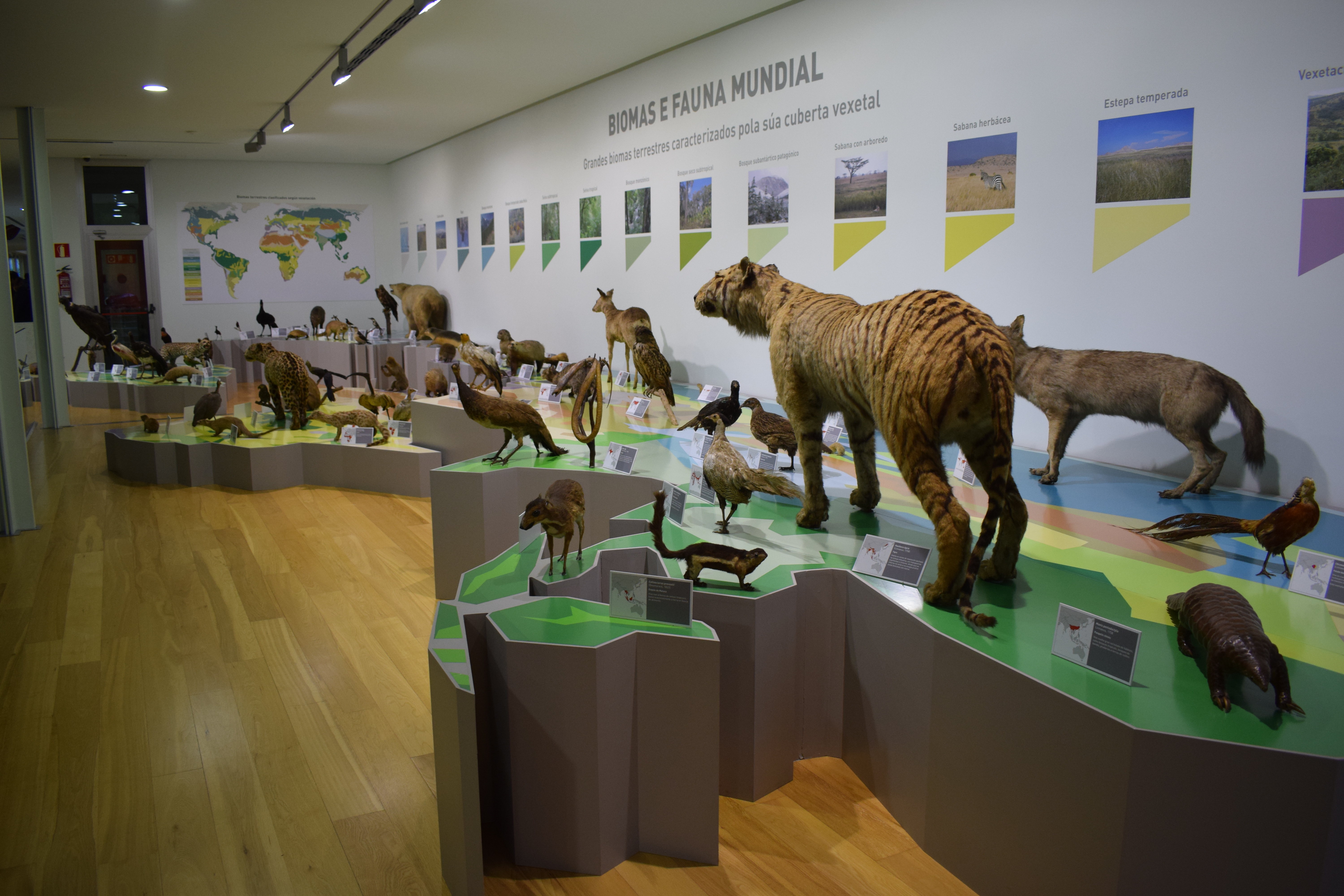
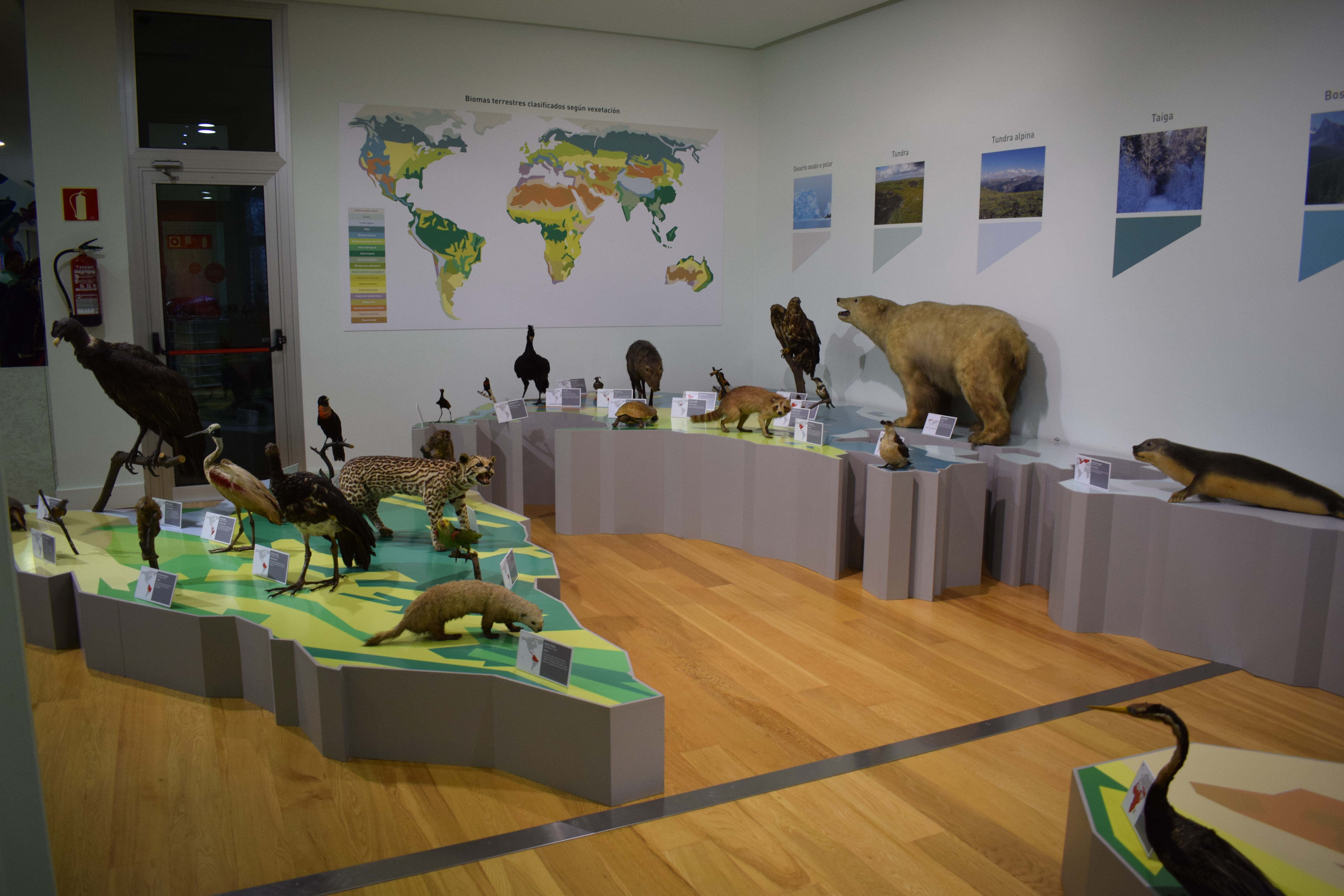
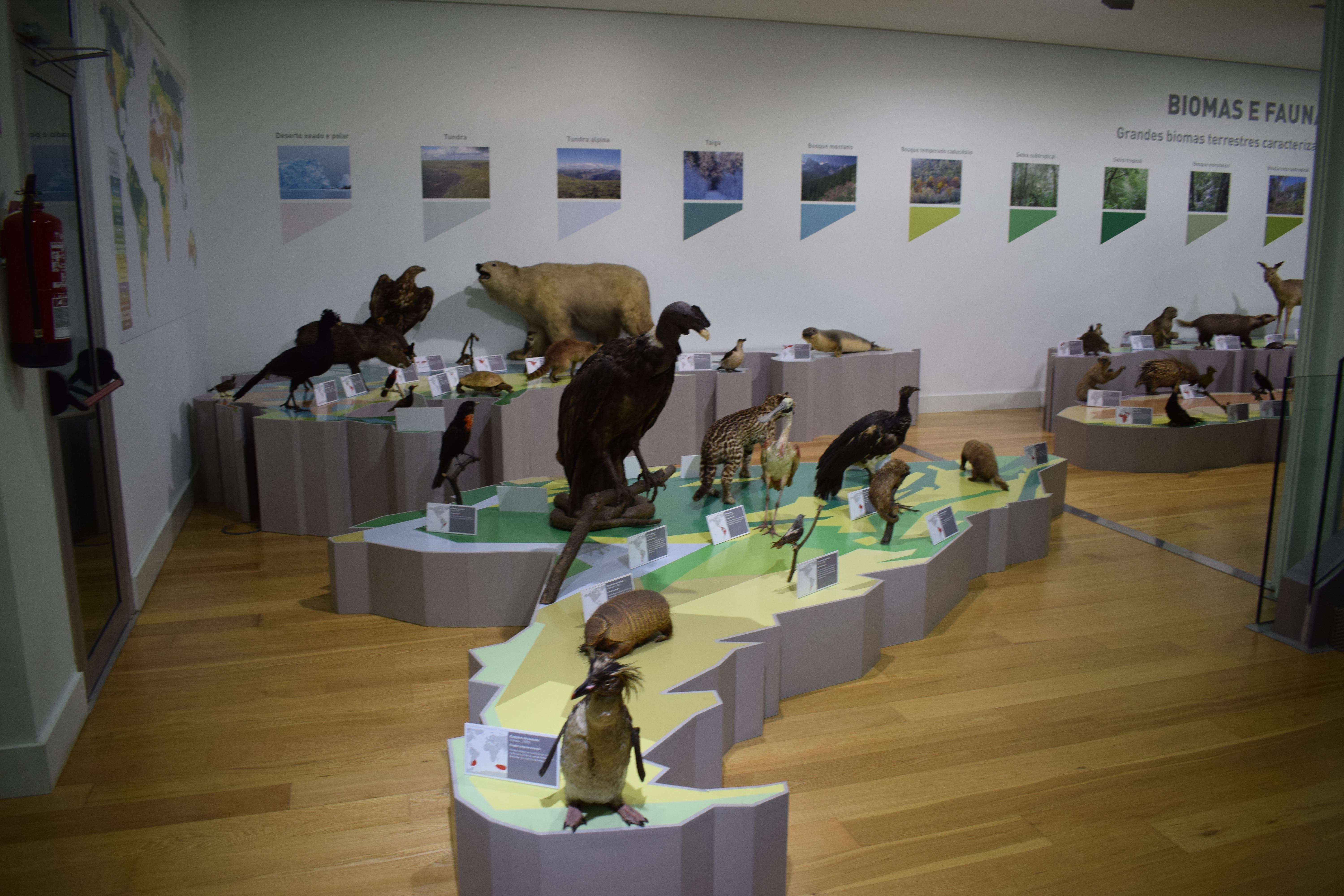
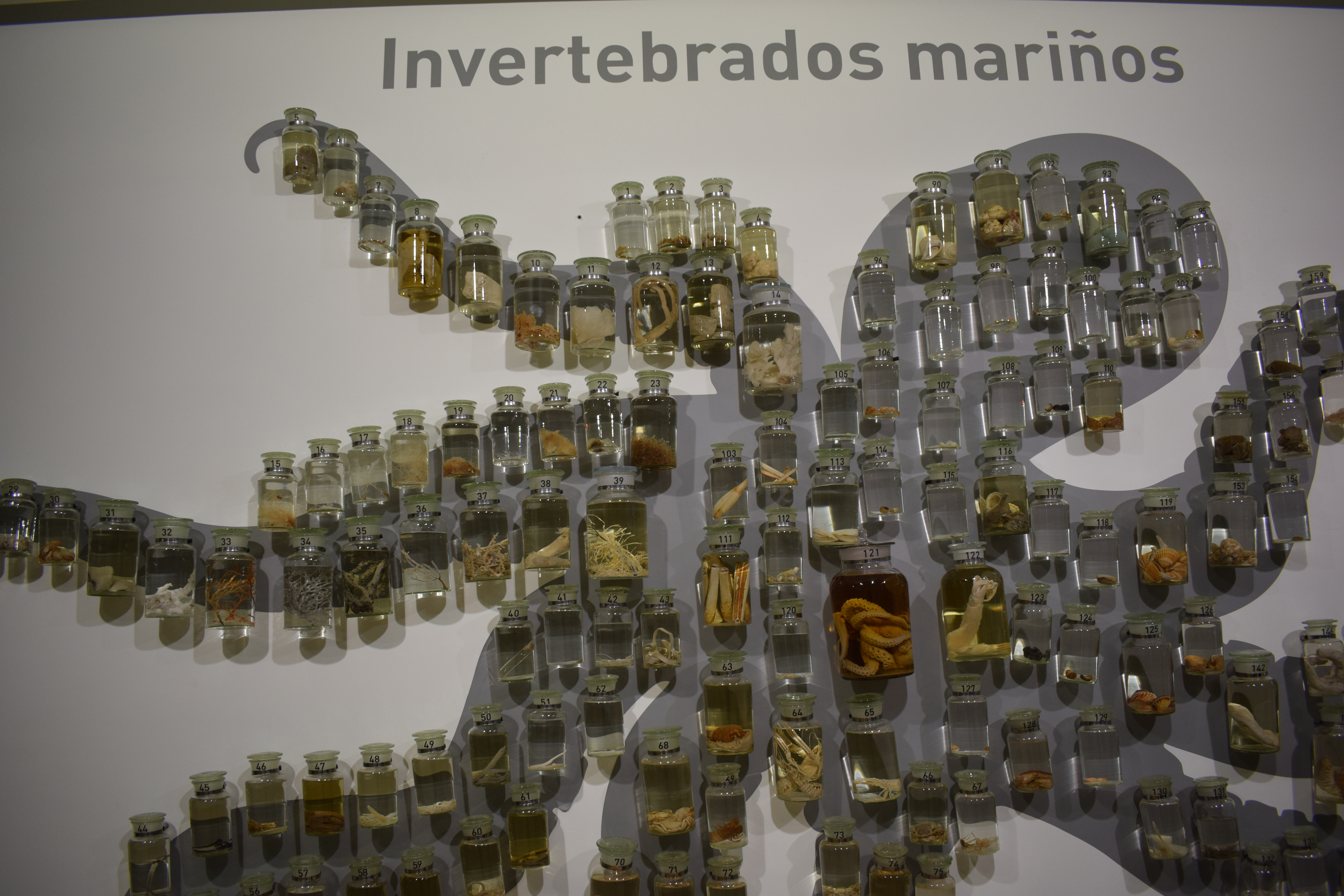
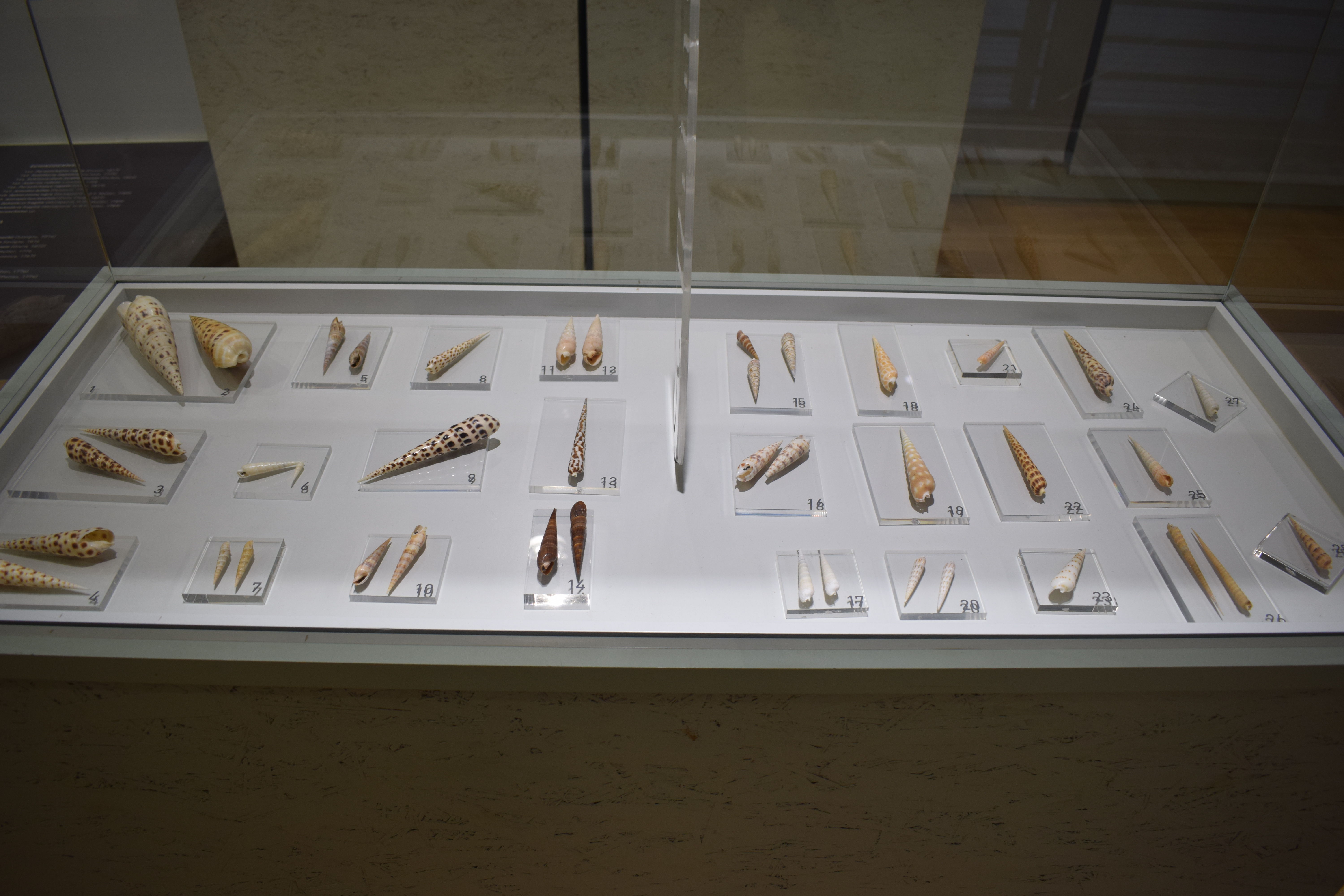
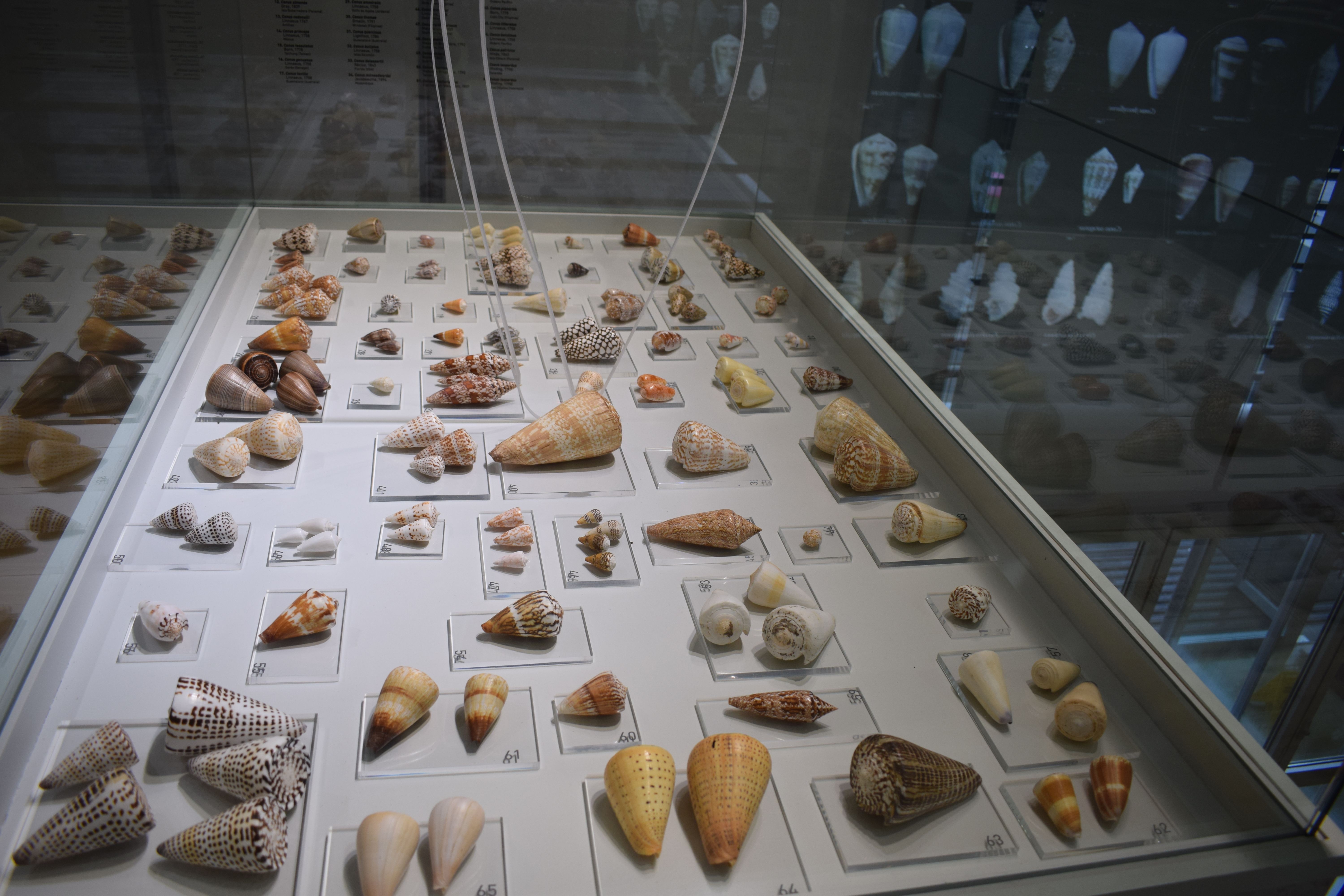
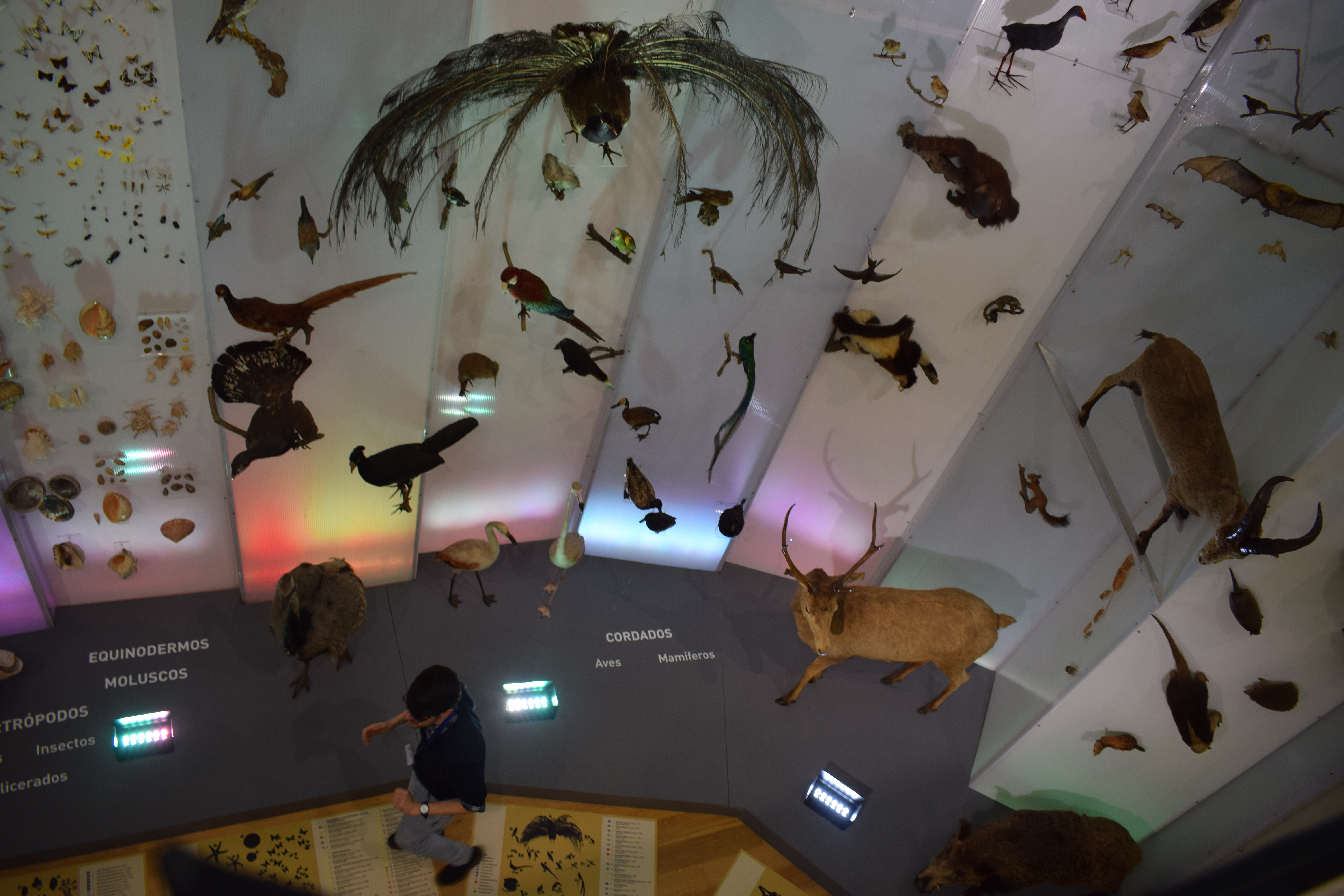
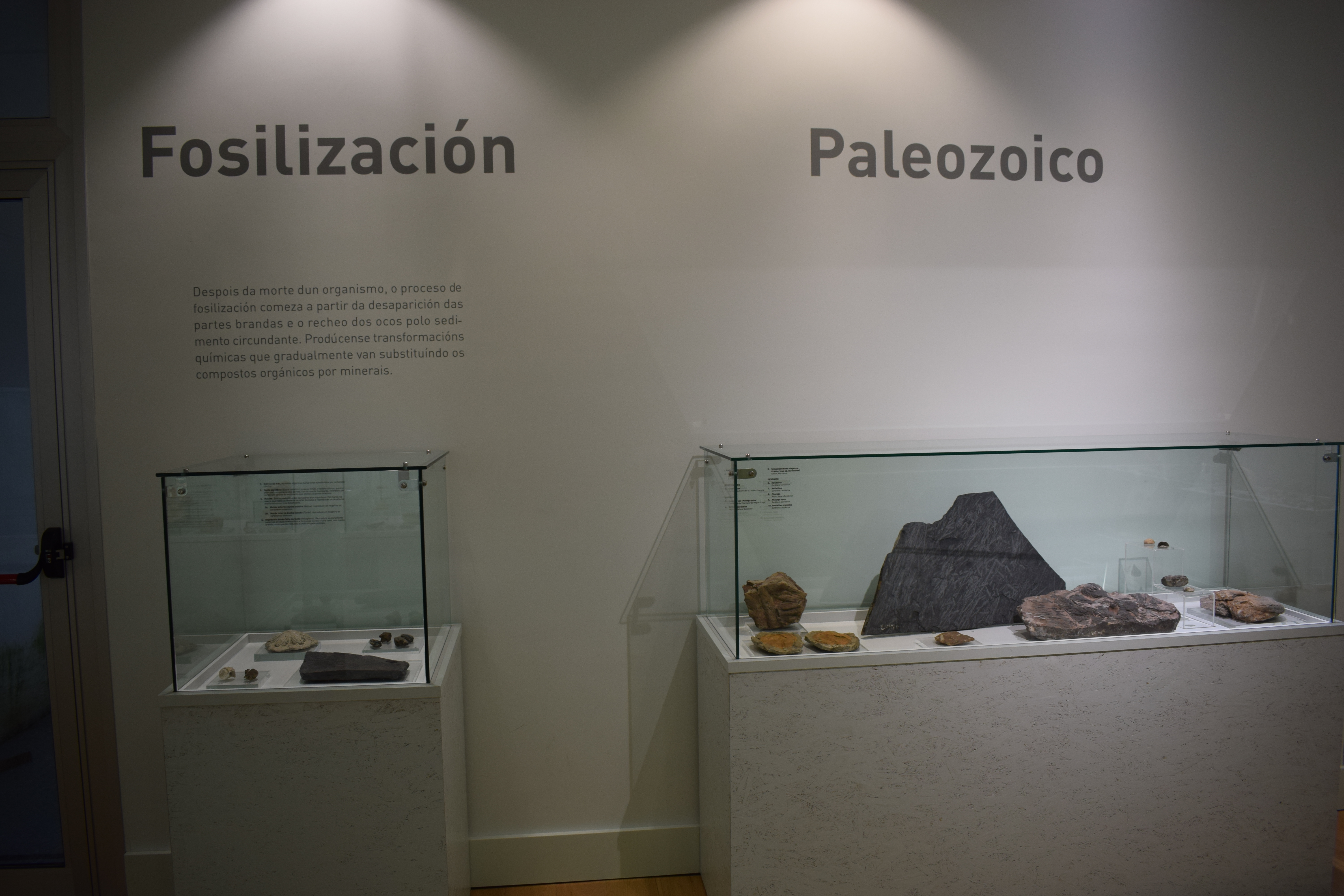
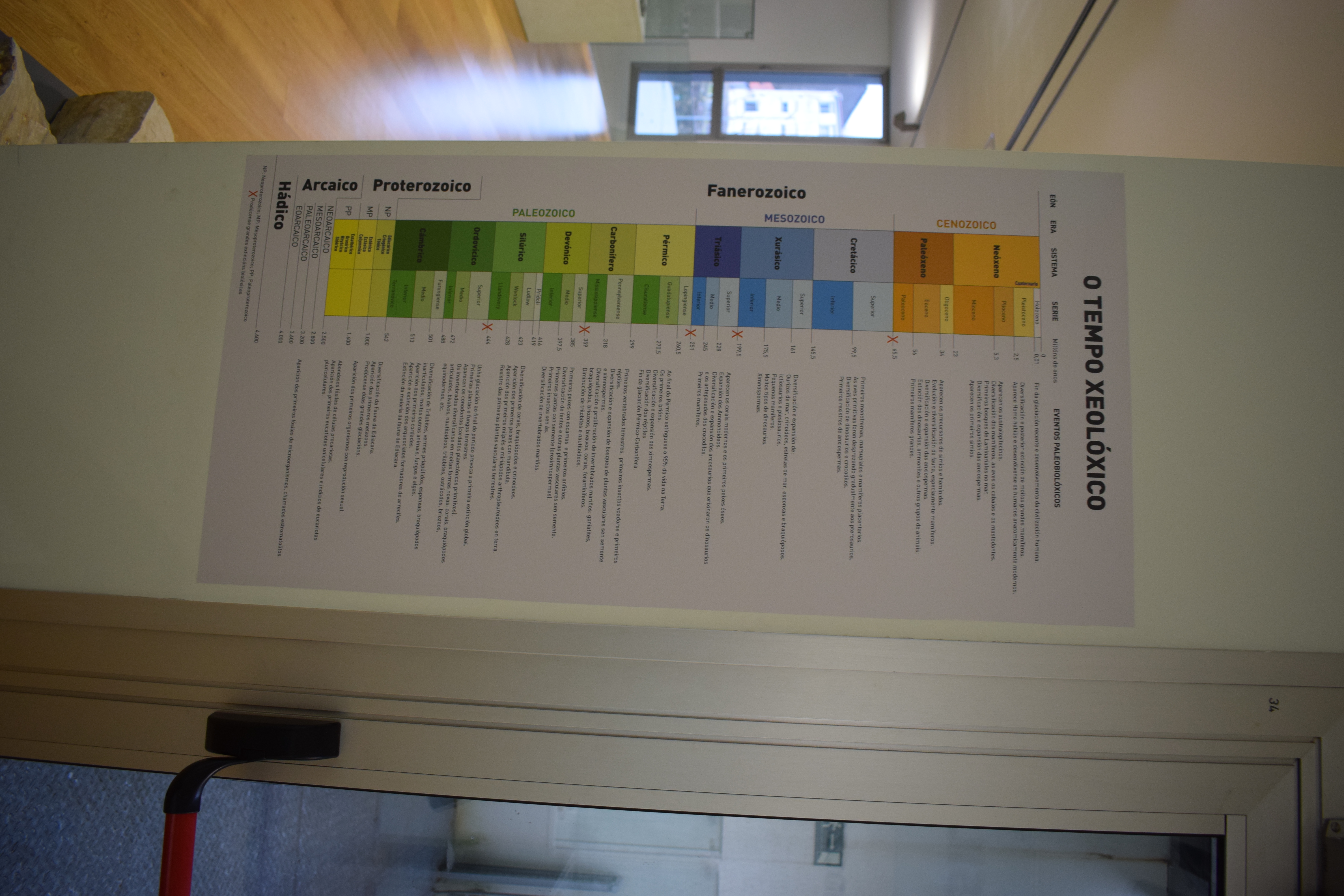
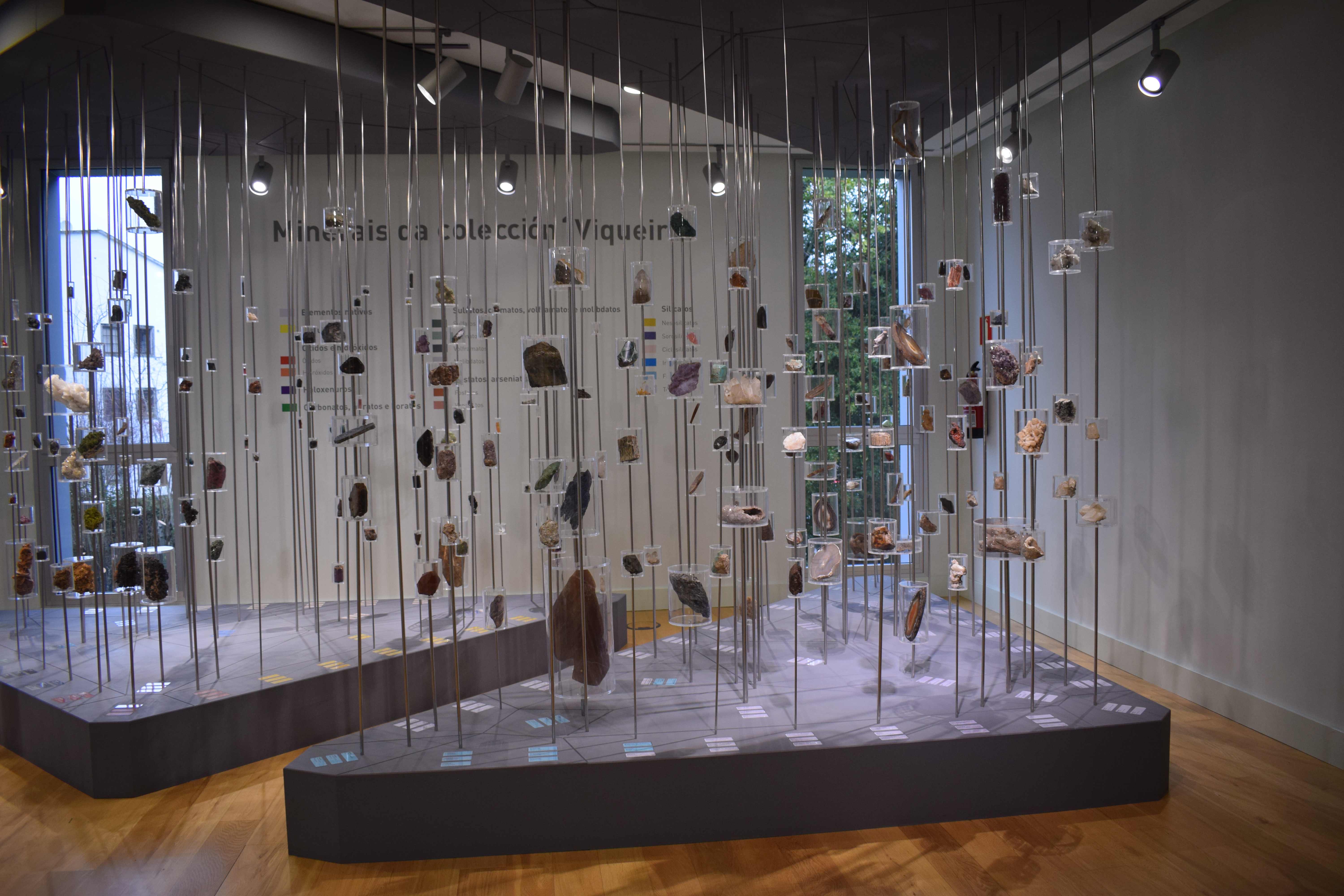
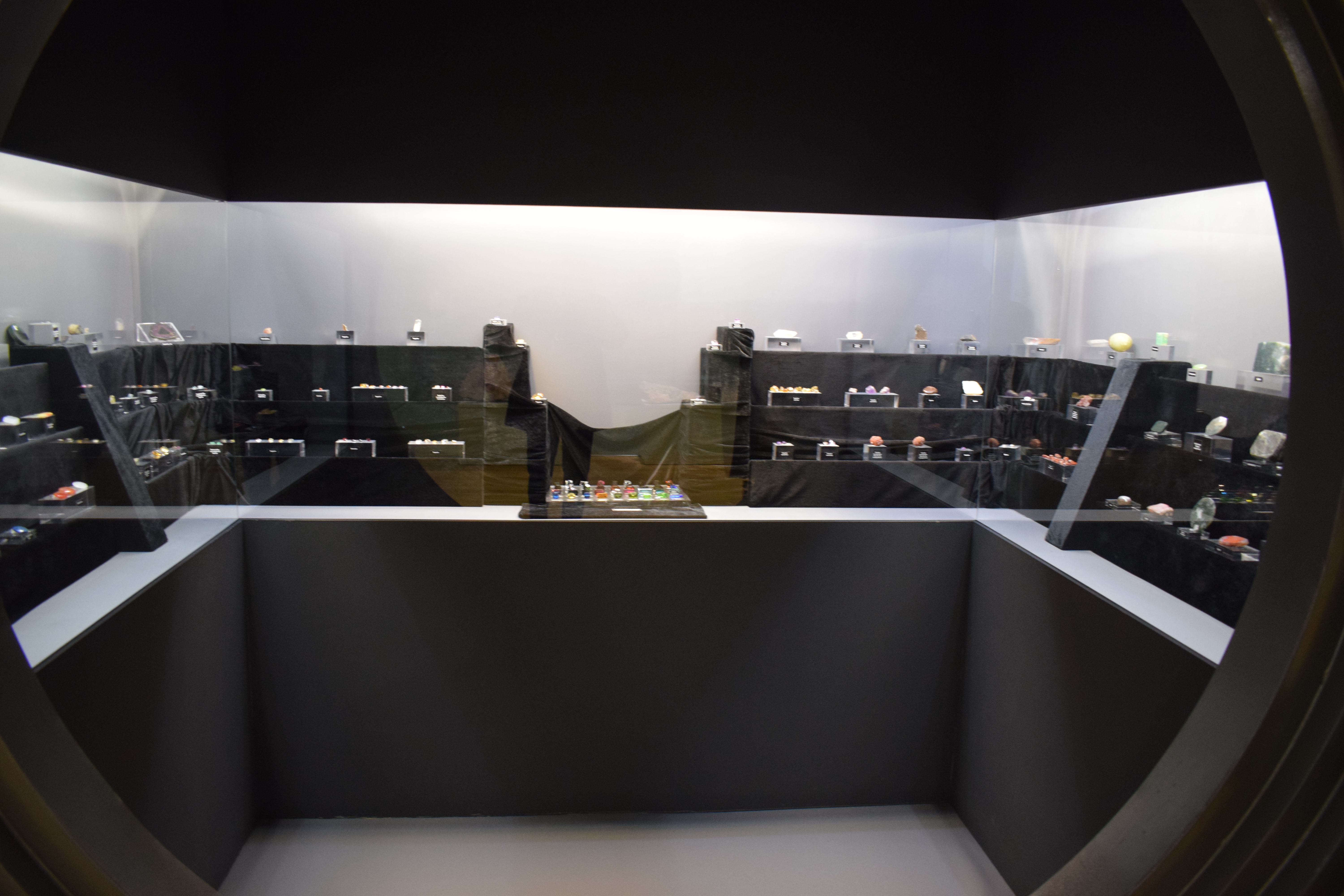
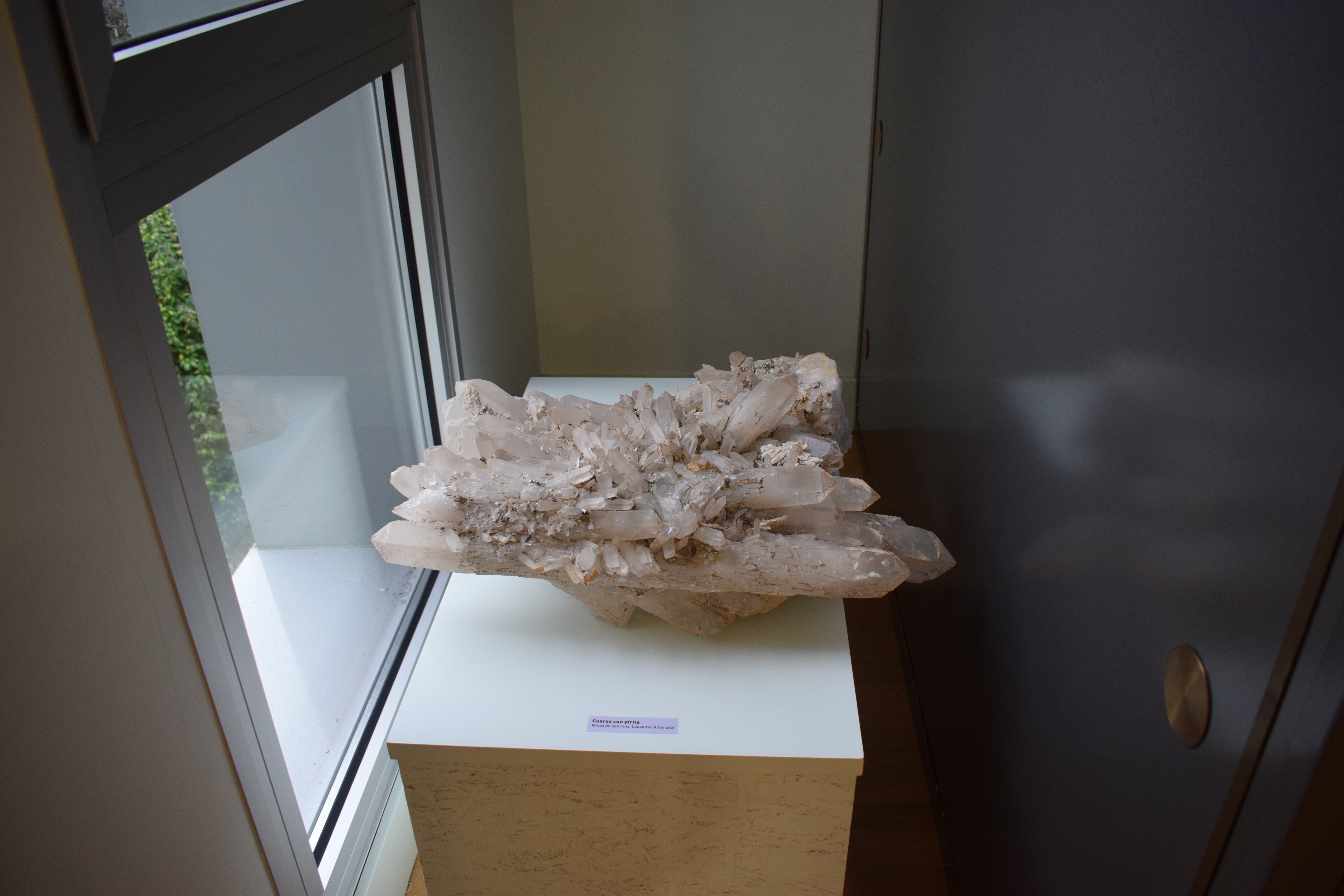
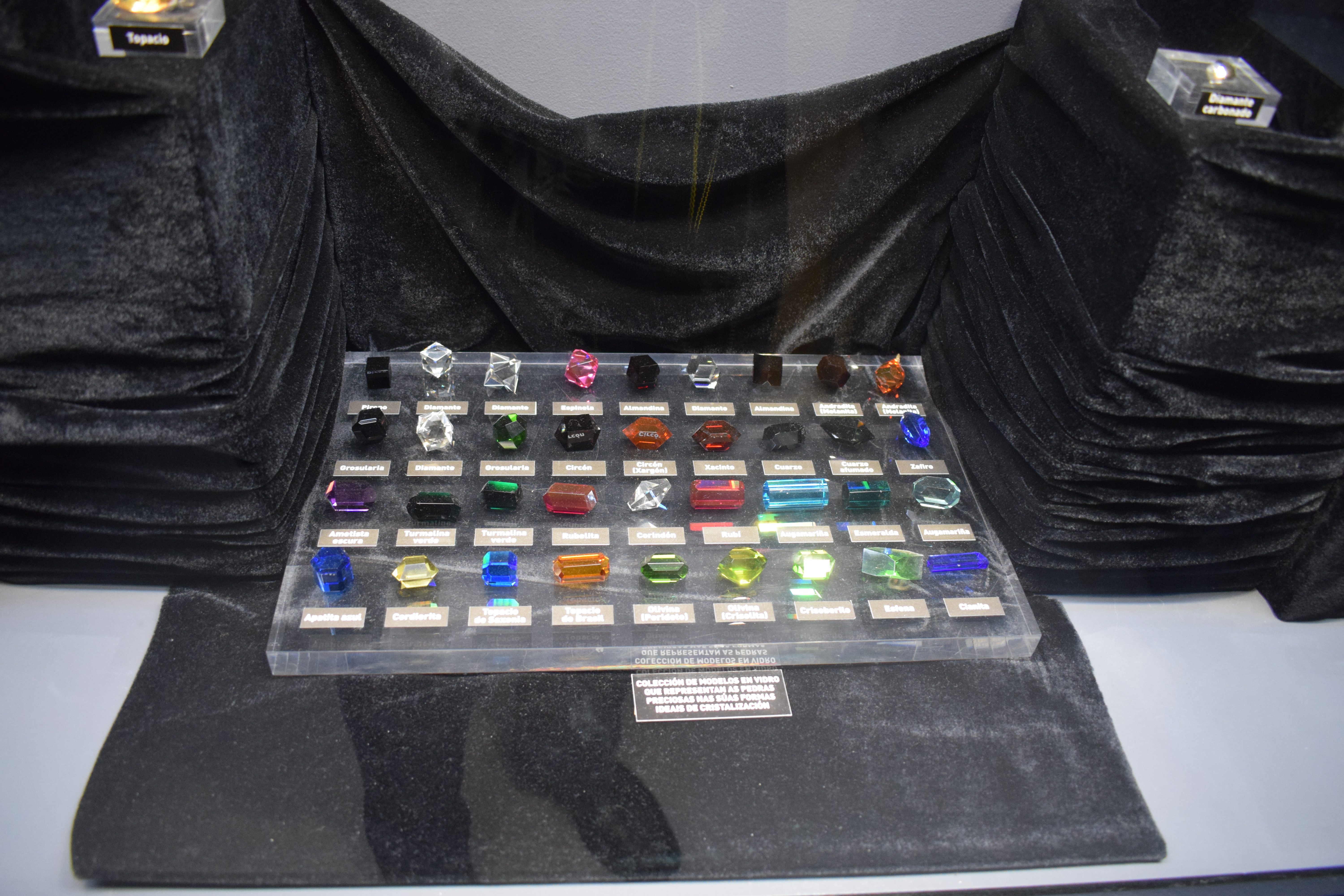
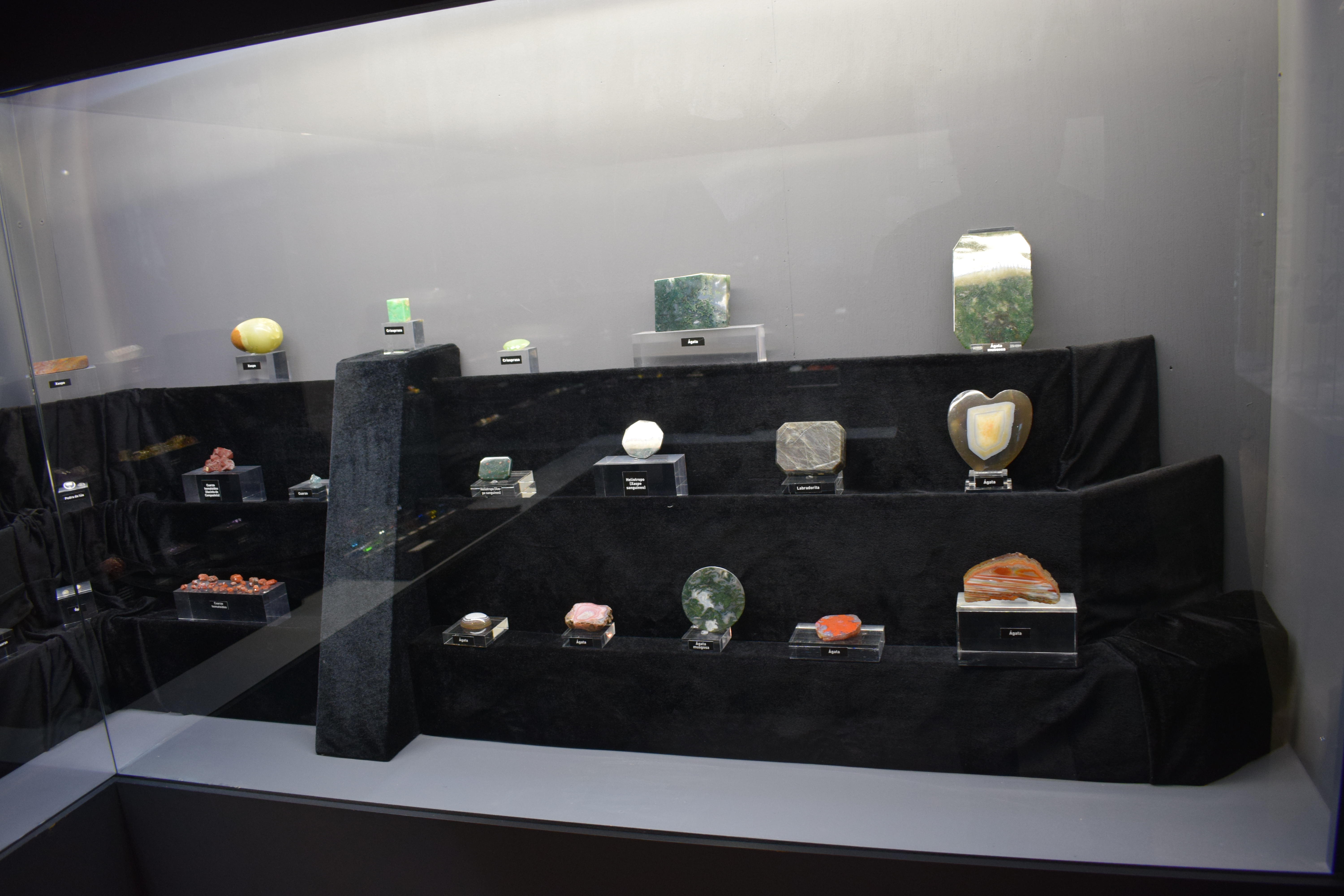
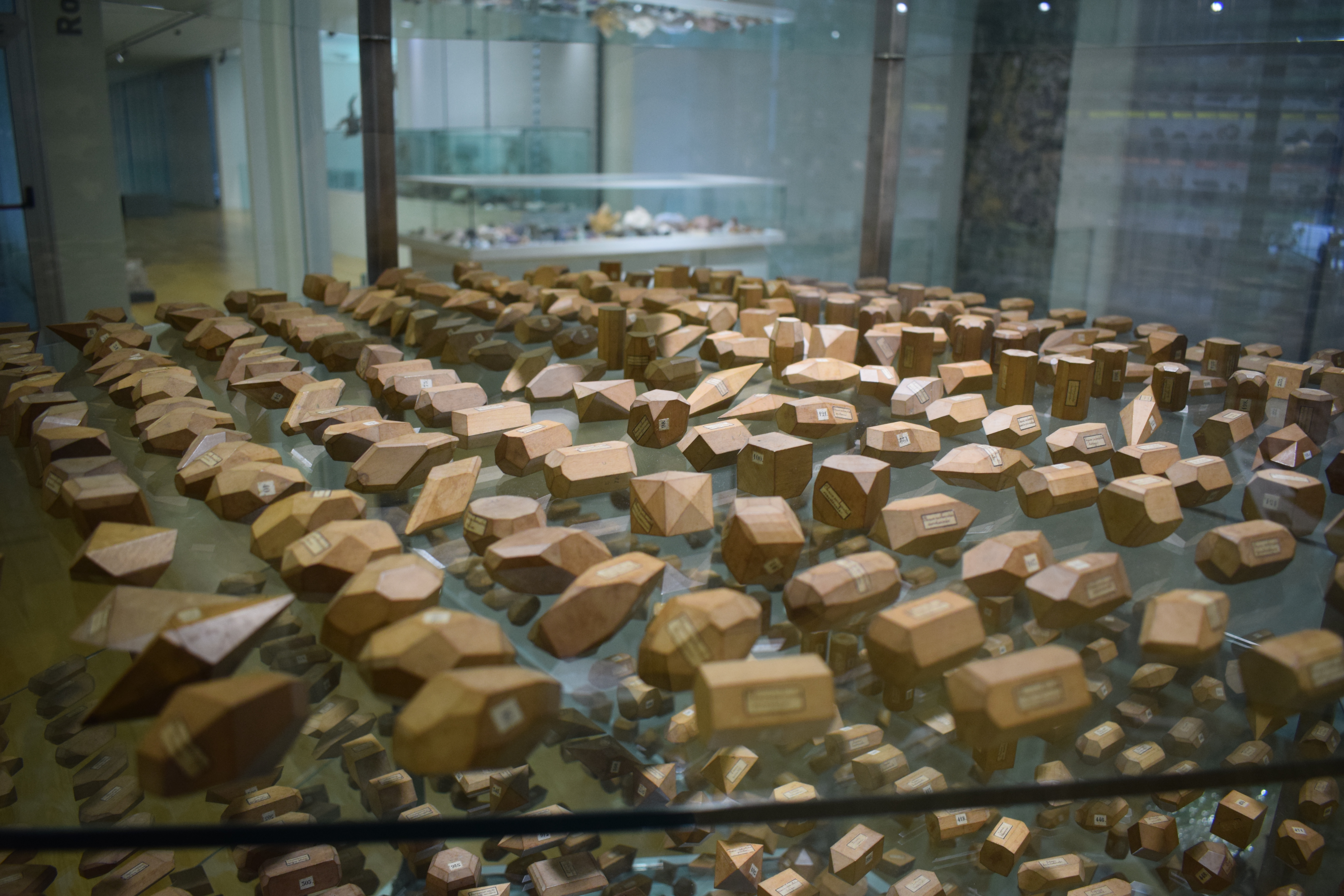
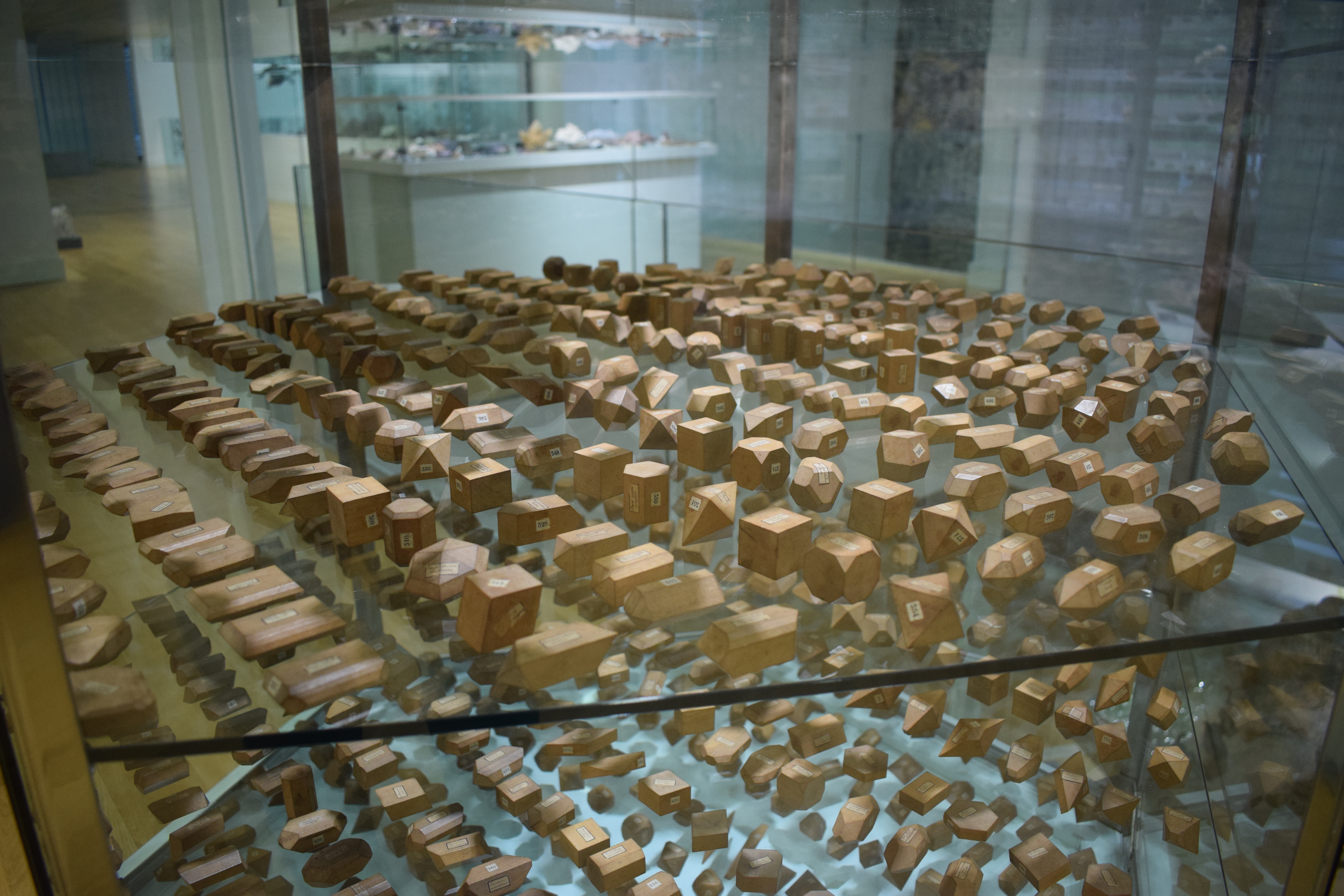
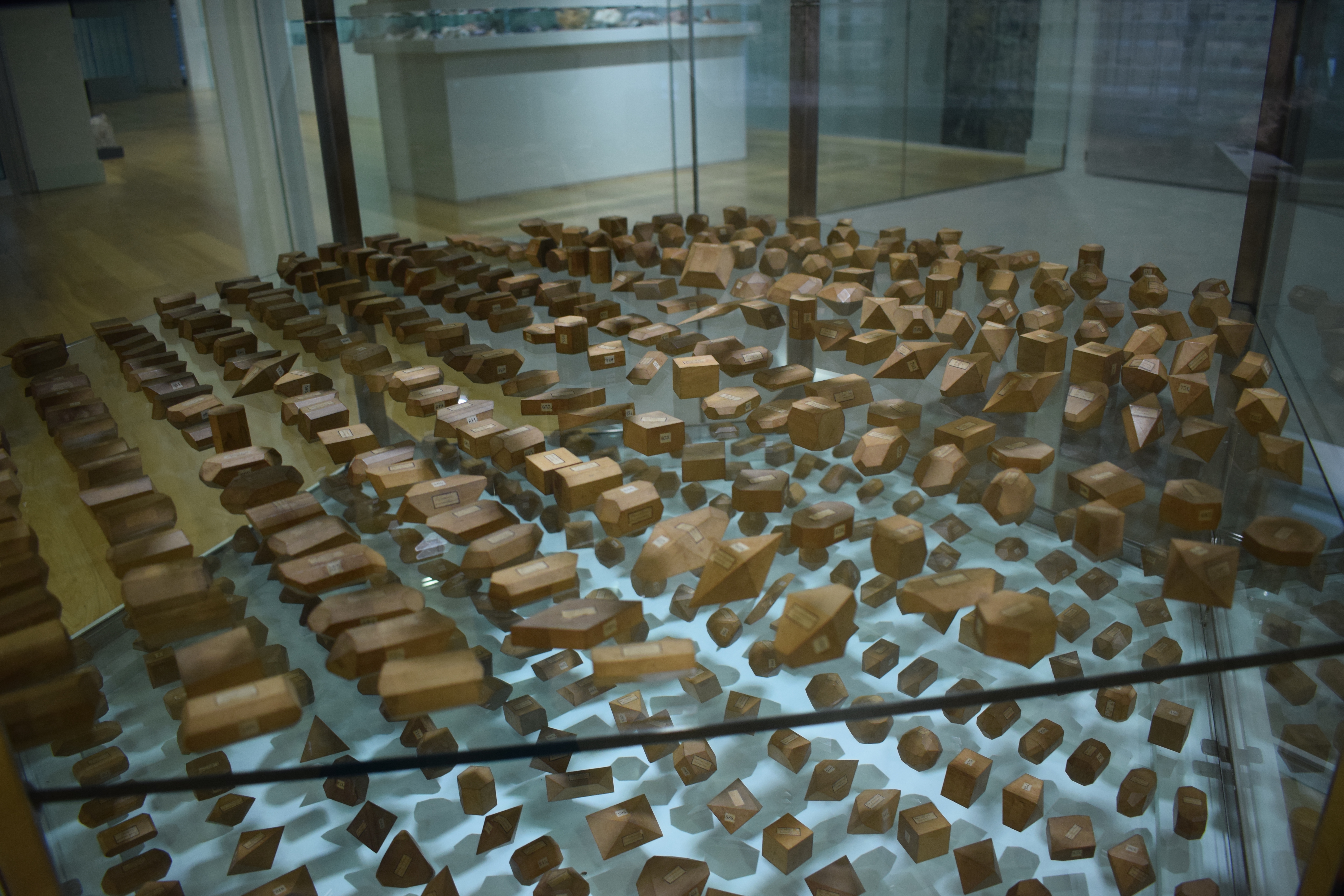
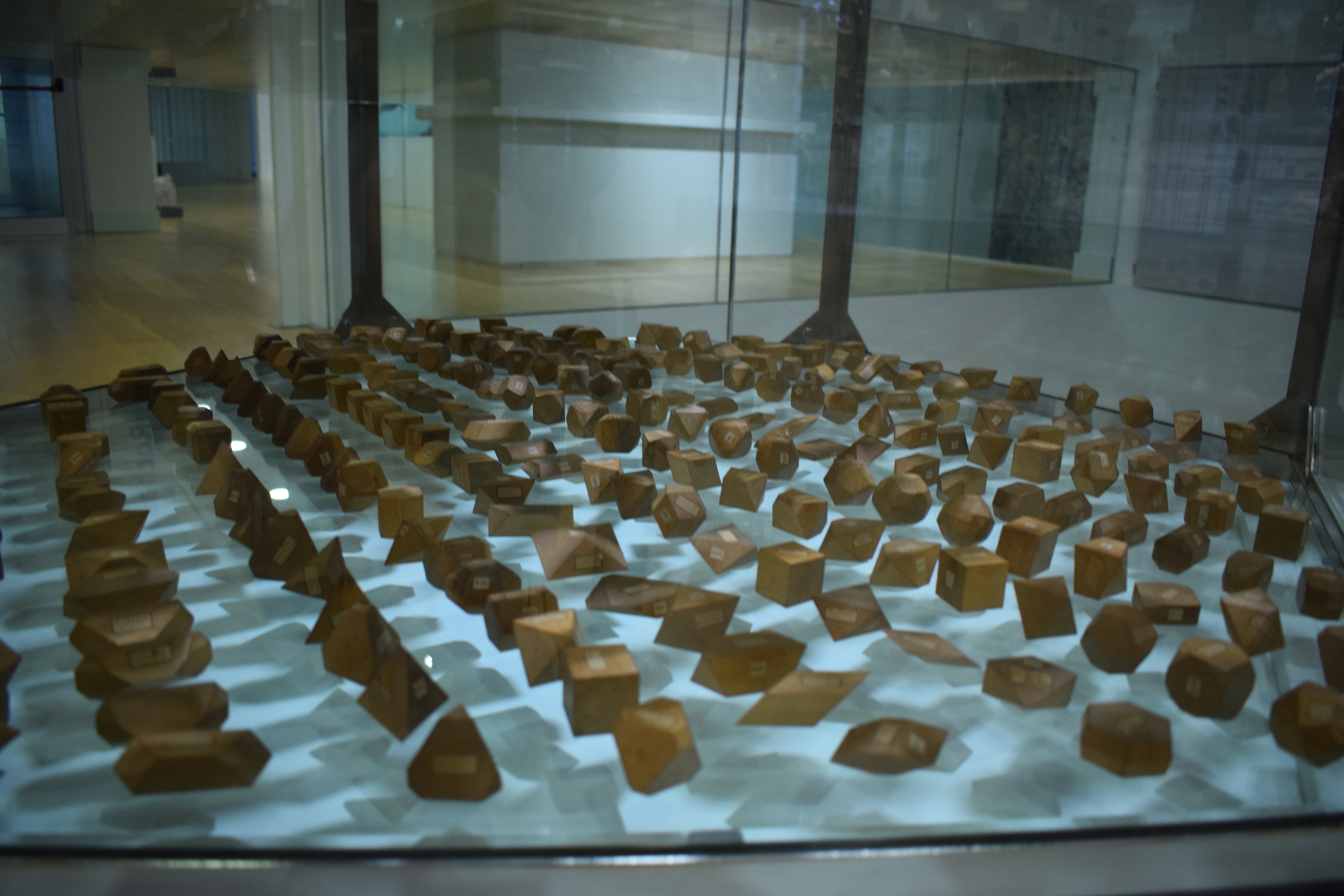
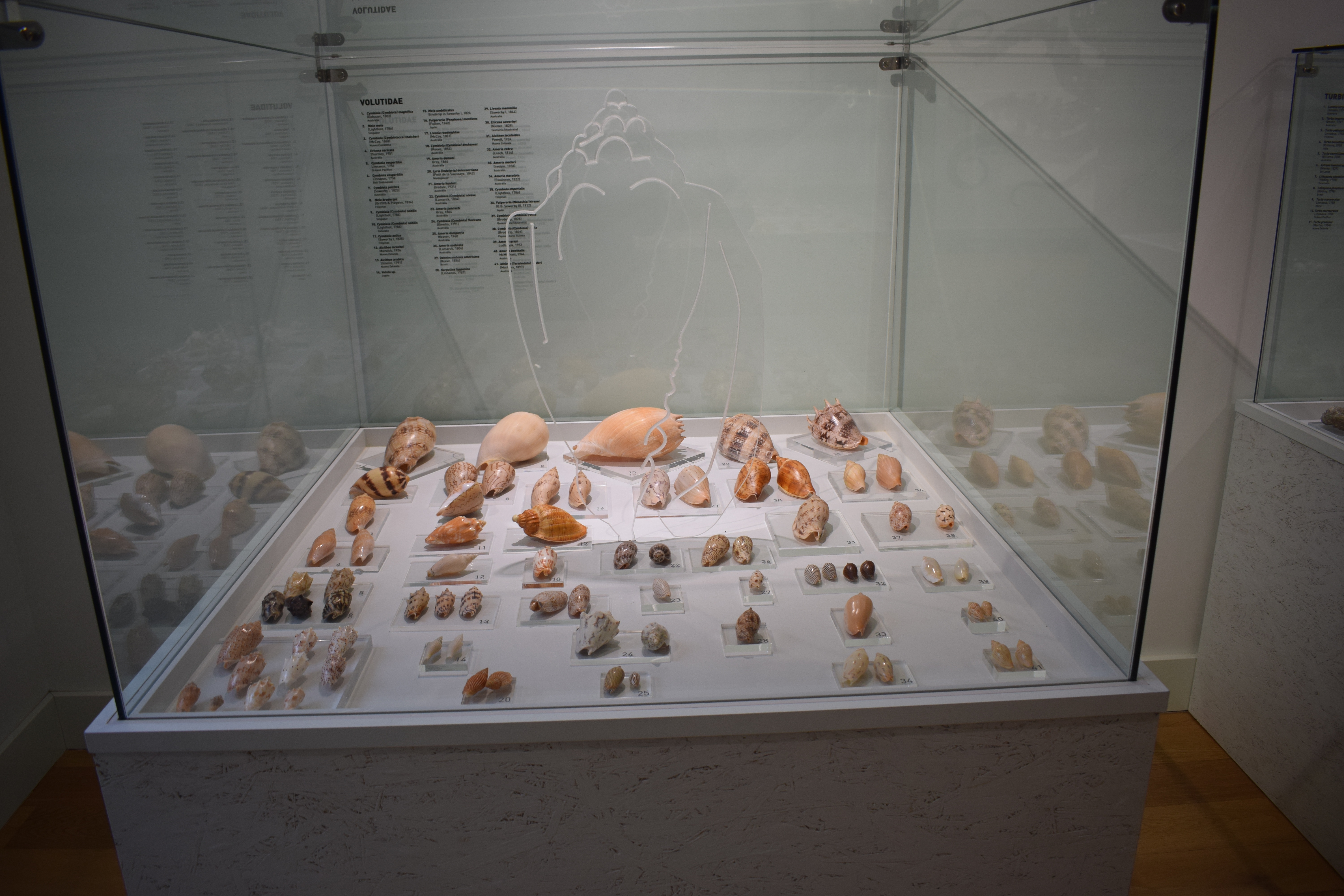
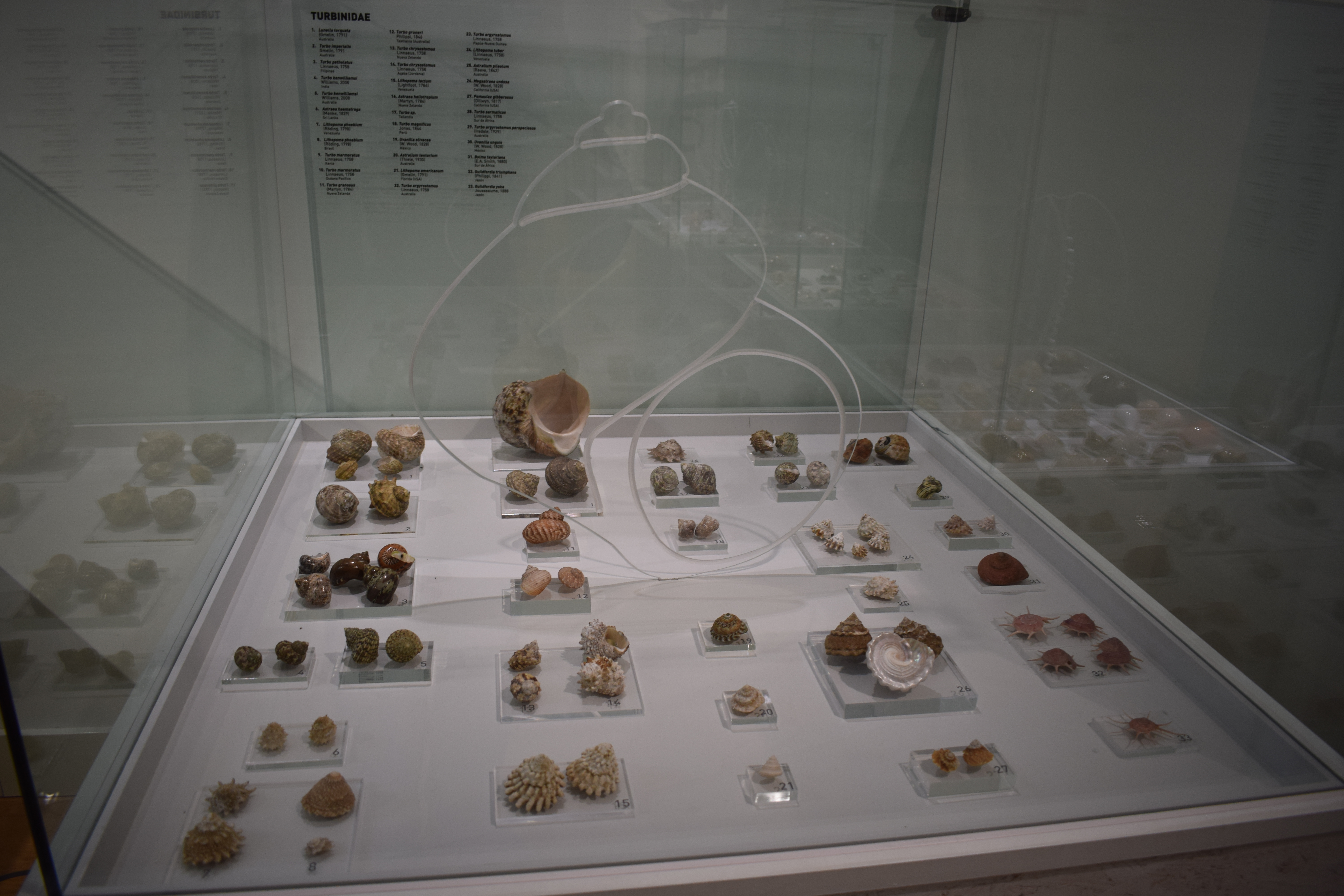
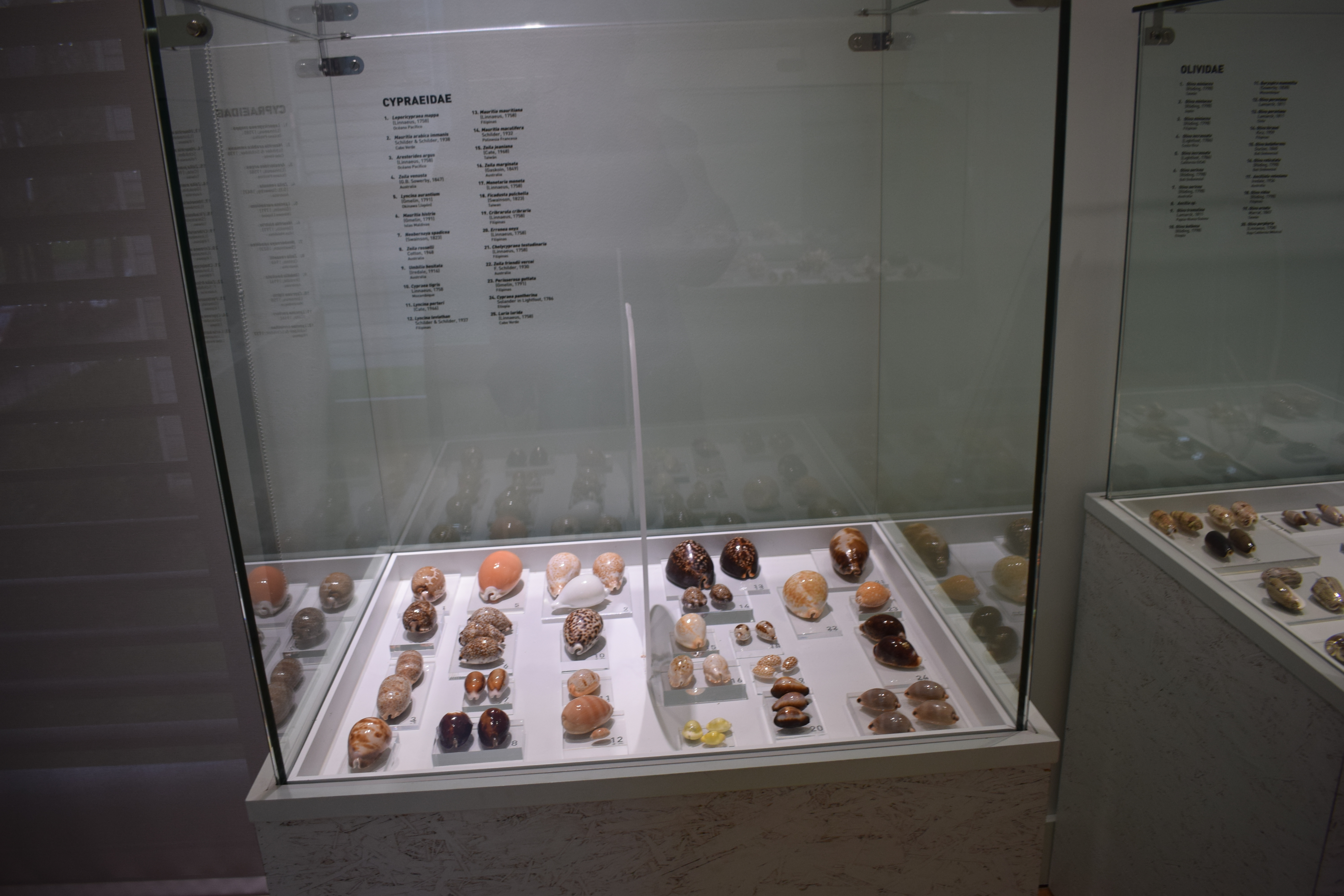
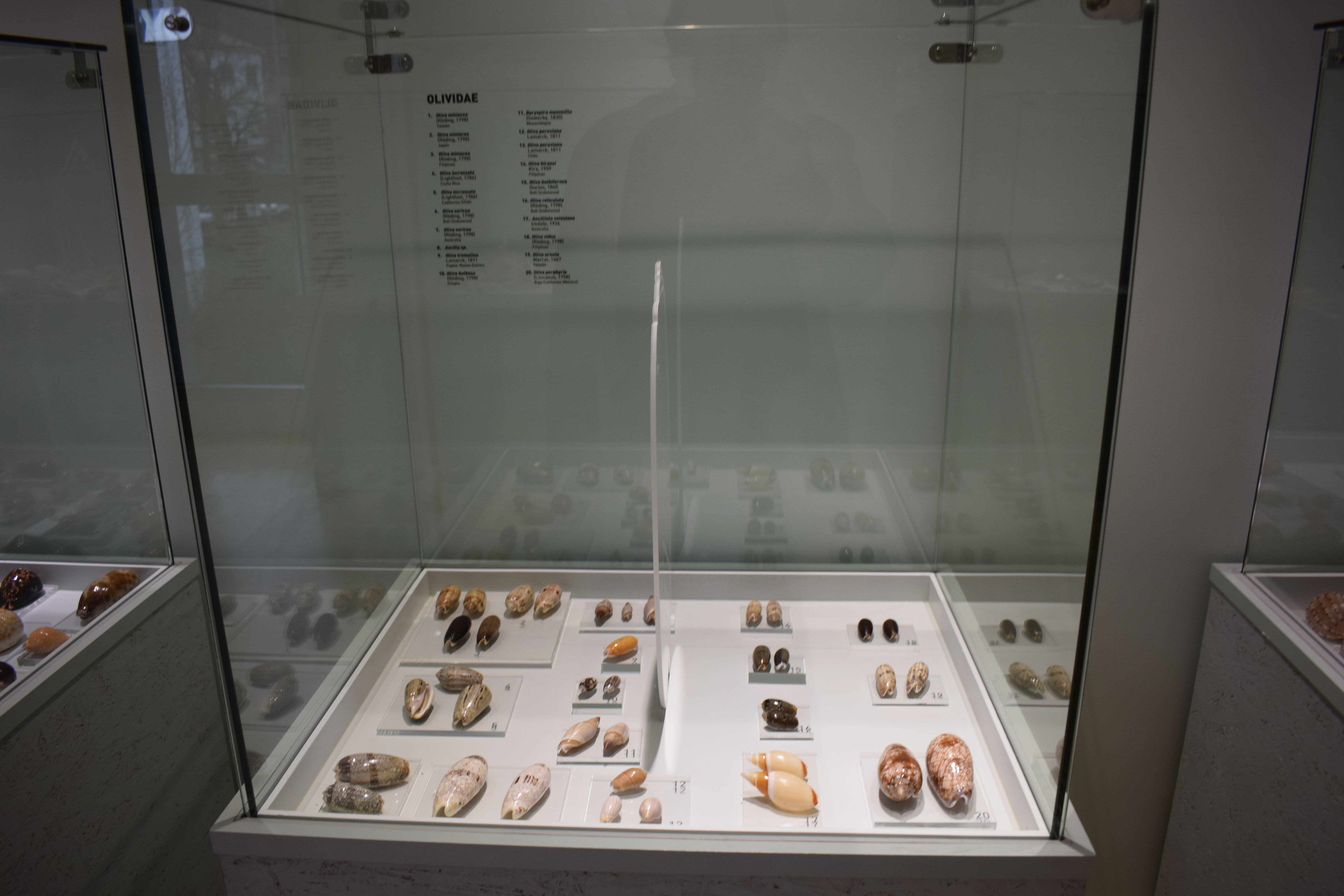
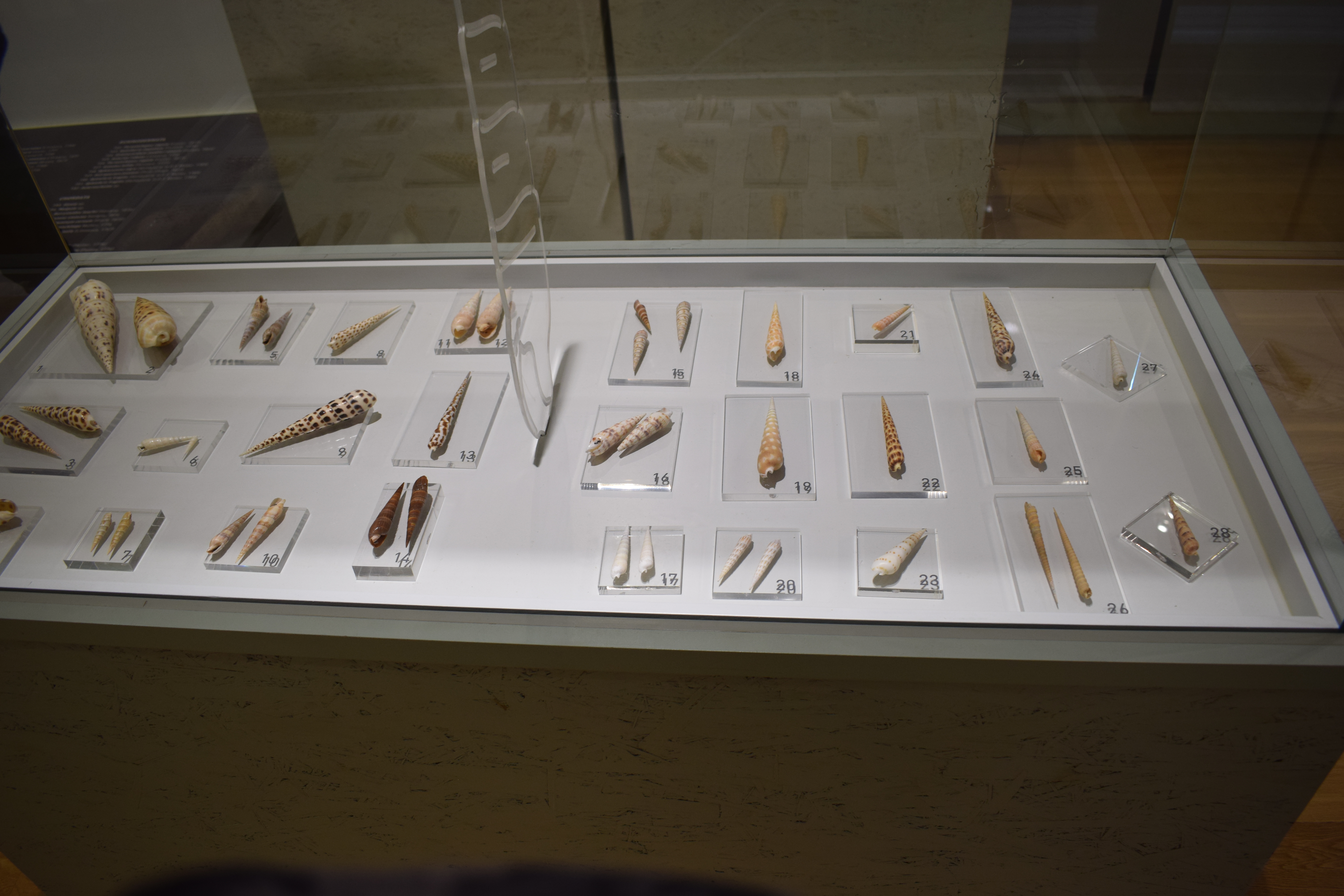
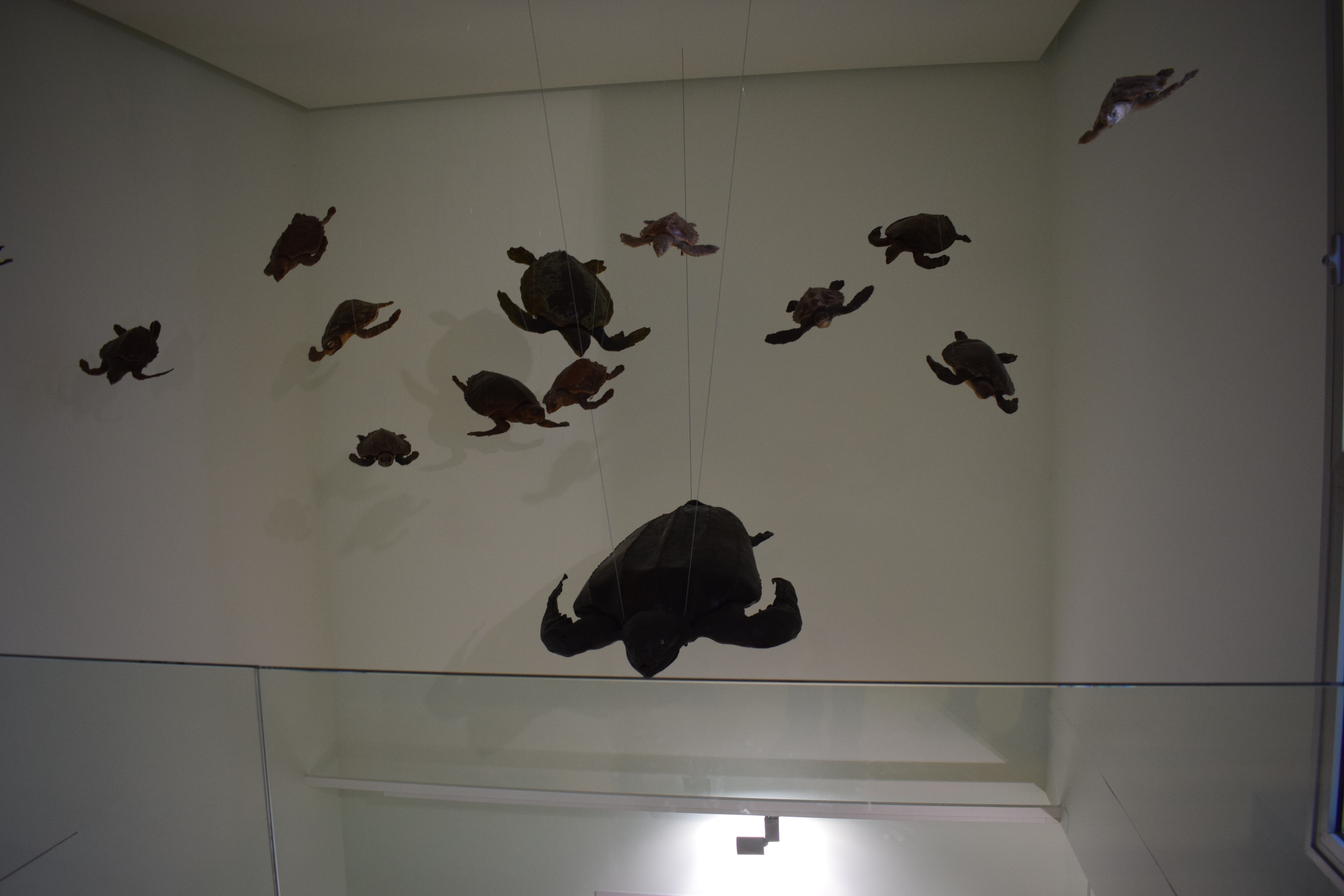
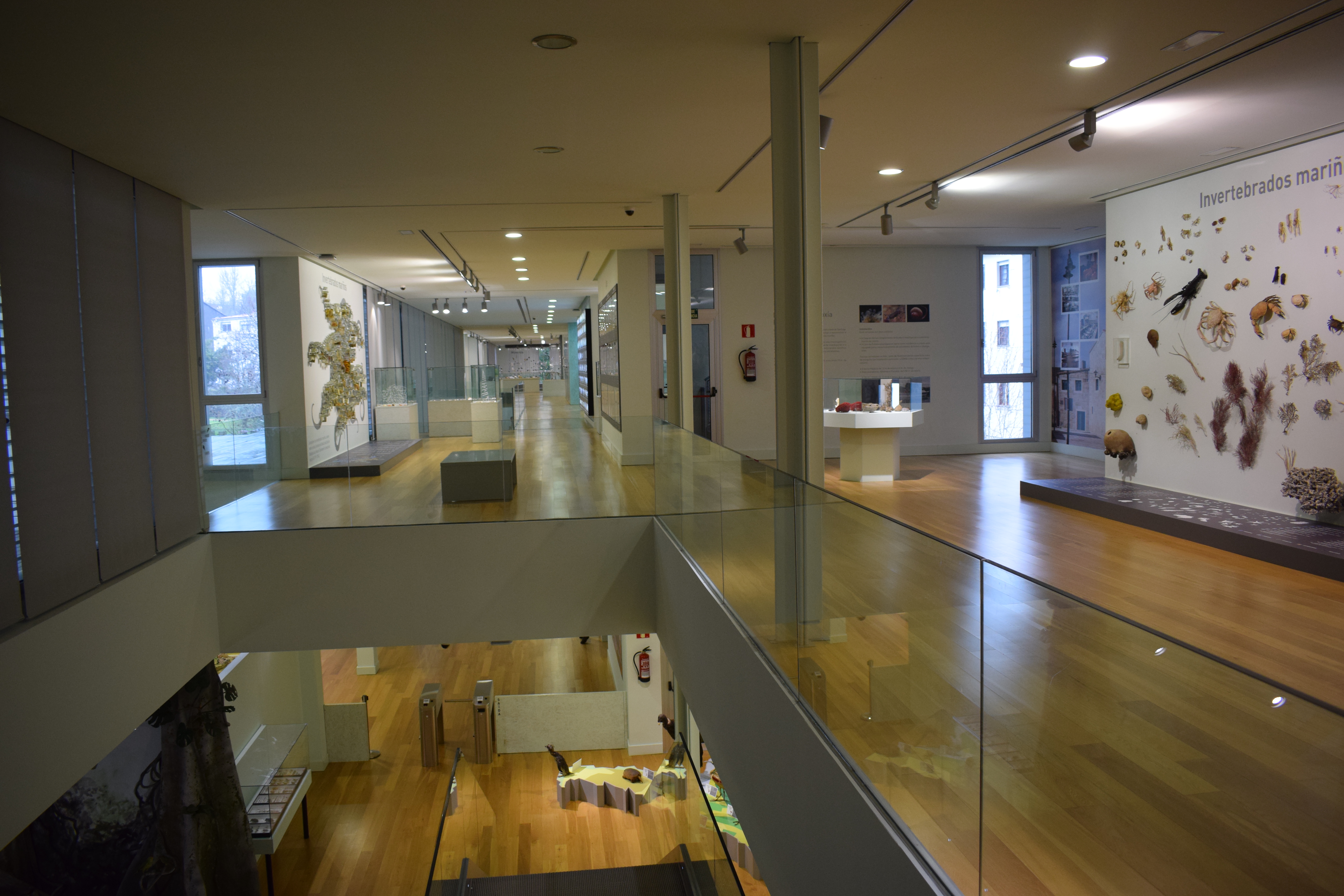
The Natural History Museum is the most important centre of historical-scientific heritage in Galicia. The museum is continuation of the Natural History Laboratory that was created at the University of Santiago during the 1840-41 courses. The original collection was increased thanks to purchases, donations and exchanges with other institutions. The main forefather of the museum was also his director from 1932, the professor of General Biology at the Natural Science Faculty, Dr Luís Iglesias.

Museo de Historia Natural da Universidade de Santiago de Compostela (Museos de Galicia)

Web do museo na web da universidade

Museo de Historia natural da USC (web de turismo de Santiago de Compostela)

Parque Vista Alegre, nº s/n 15782 Santiago de Compostela (A Coruña)
Concello, Comarca ou Provincia

Museo das Mariñas

English

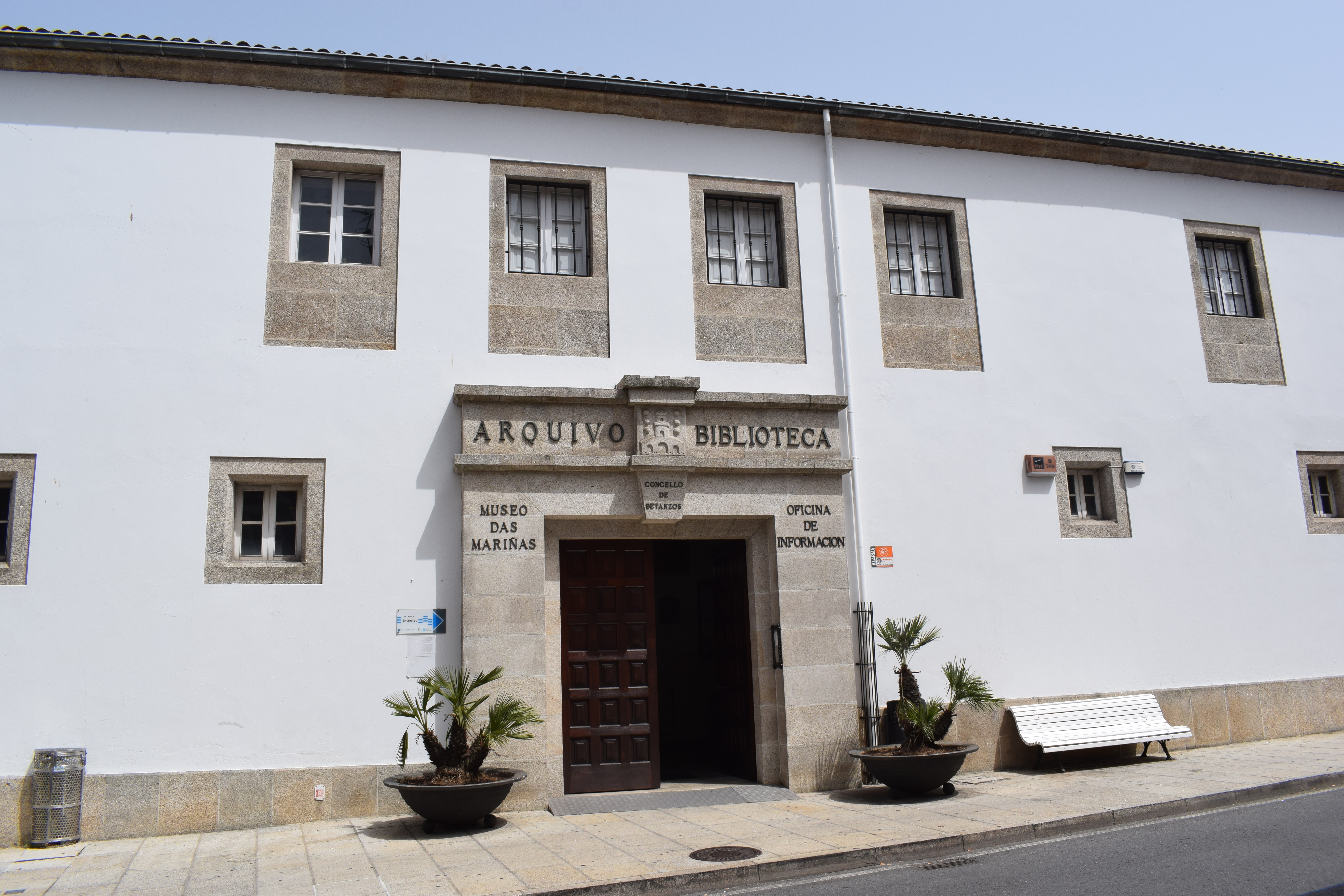
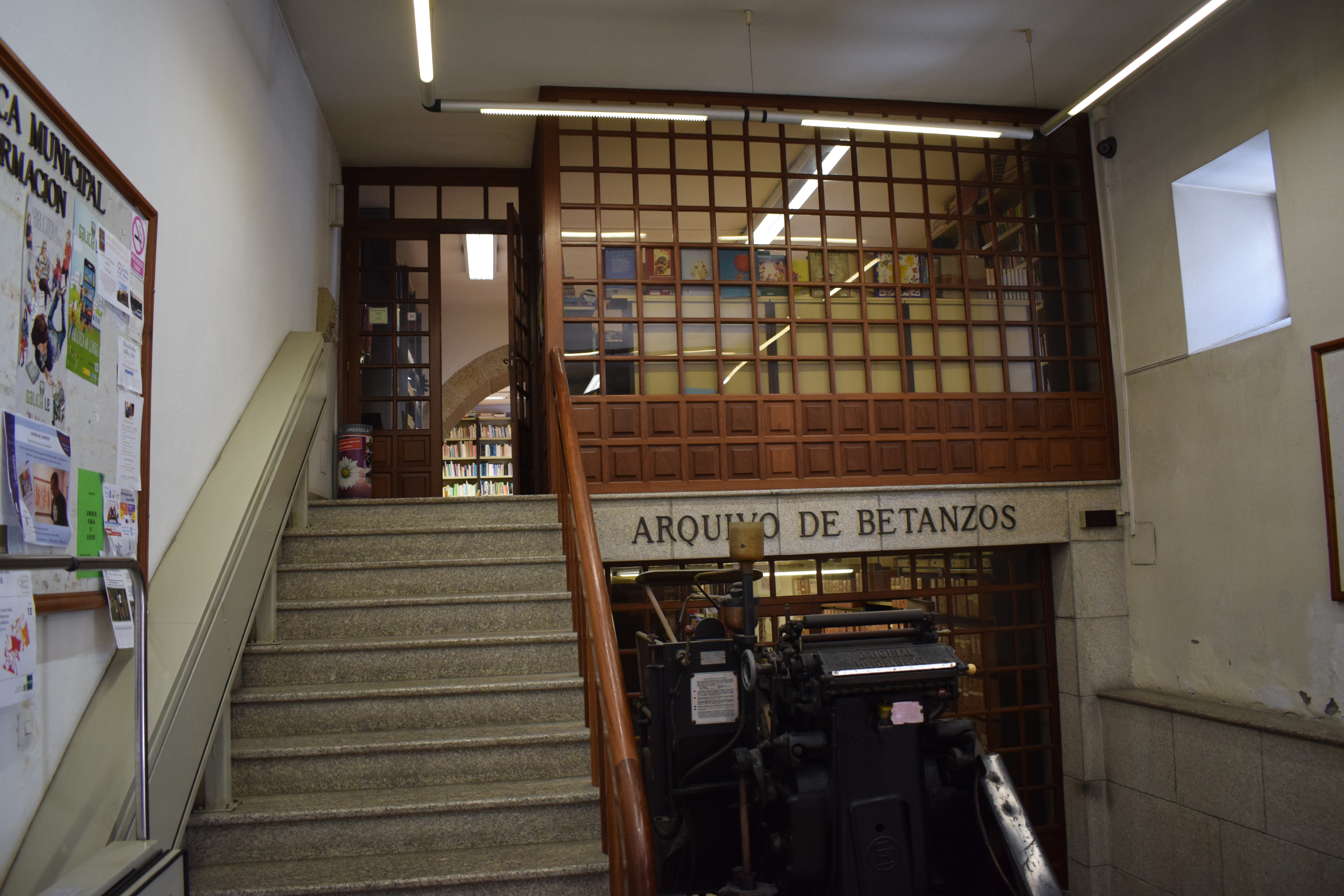
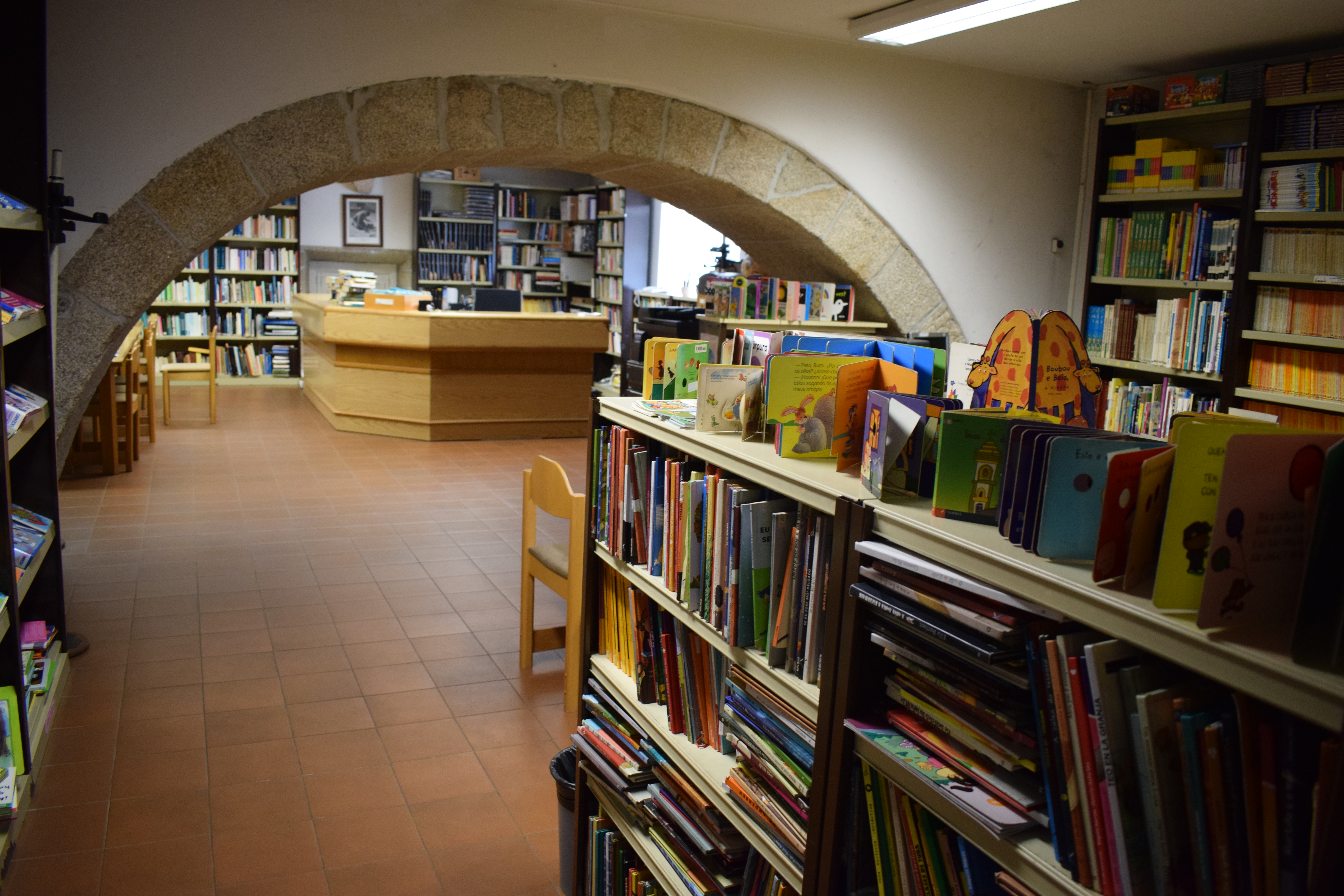
The Mariñas Museum was opened in 1983 in the old convent of San Domingos (17th and 18th centuries). The collection shares the Address with the local archive and library. The museum is devoted to the great region of Mariñas, covering its historical and etnographic aspects.

The visit starts with a panoramic view of the most important figures in medieval Betanzos, surrounded by the remains of the gothic monastery of San Francisco. Among these remains, it is noteworthy the statue of a Pilgrim Saint James, from 14th century - the oldest representation of Saint James in Galicia. The Roman period is represented by outstanding pieces, such as altars, stars and mills.

Museo das Mariñas (Museos de Galicia)

Museo das Mariñas (Galipedia)

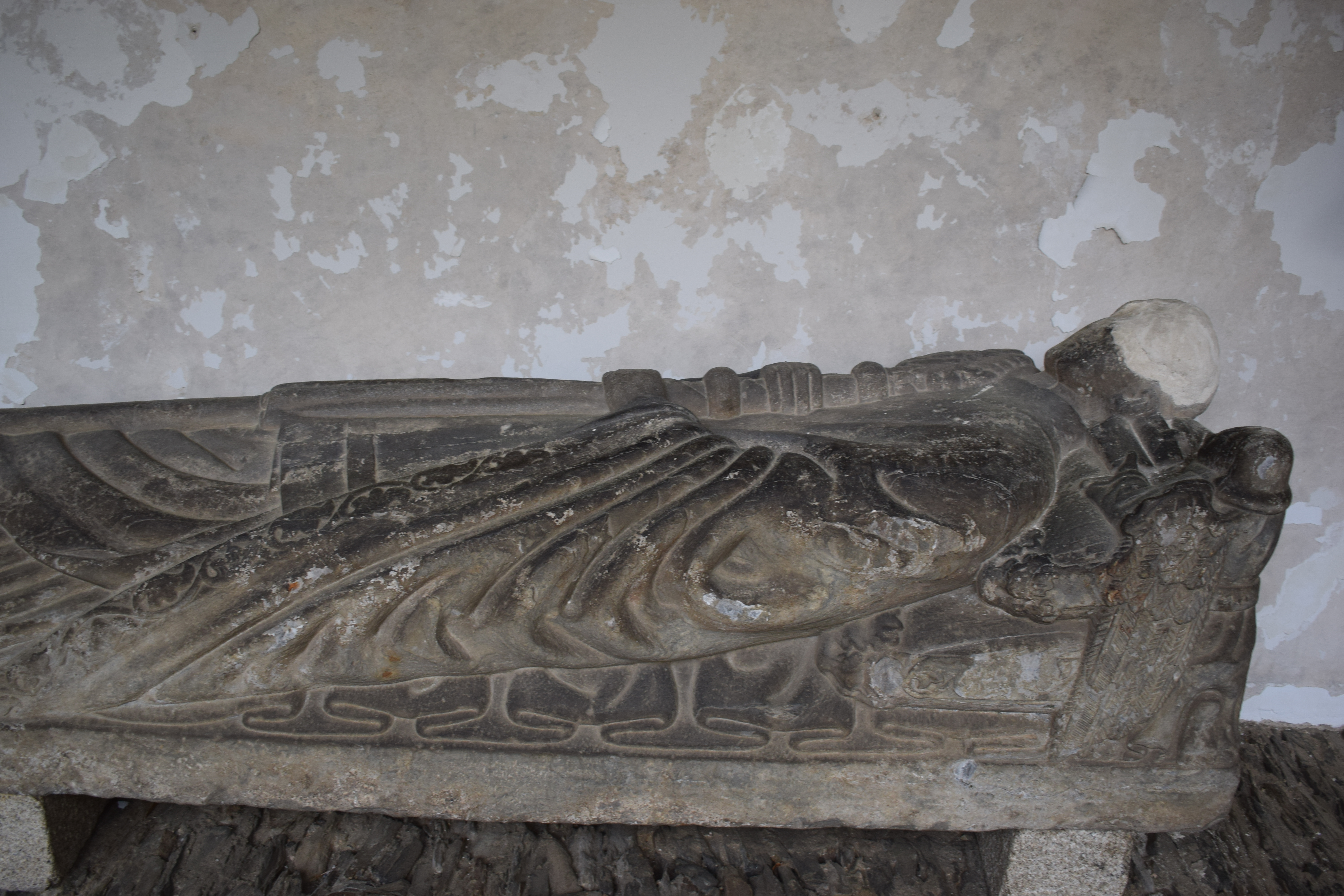
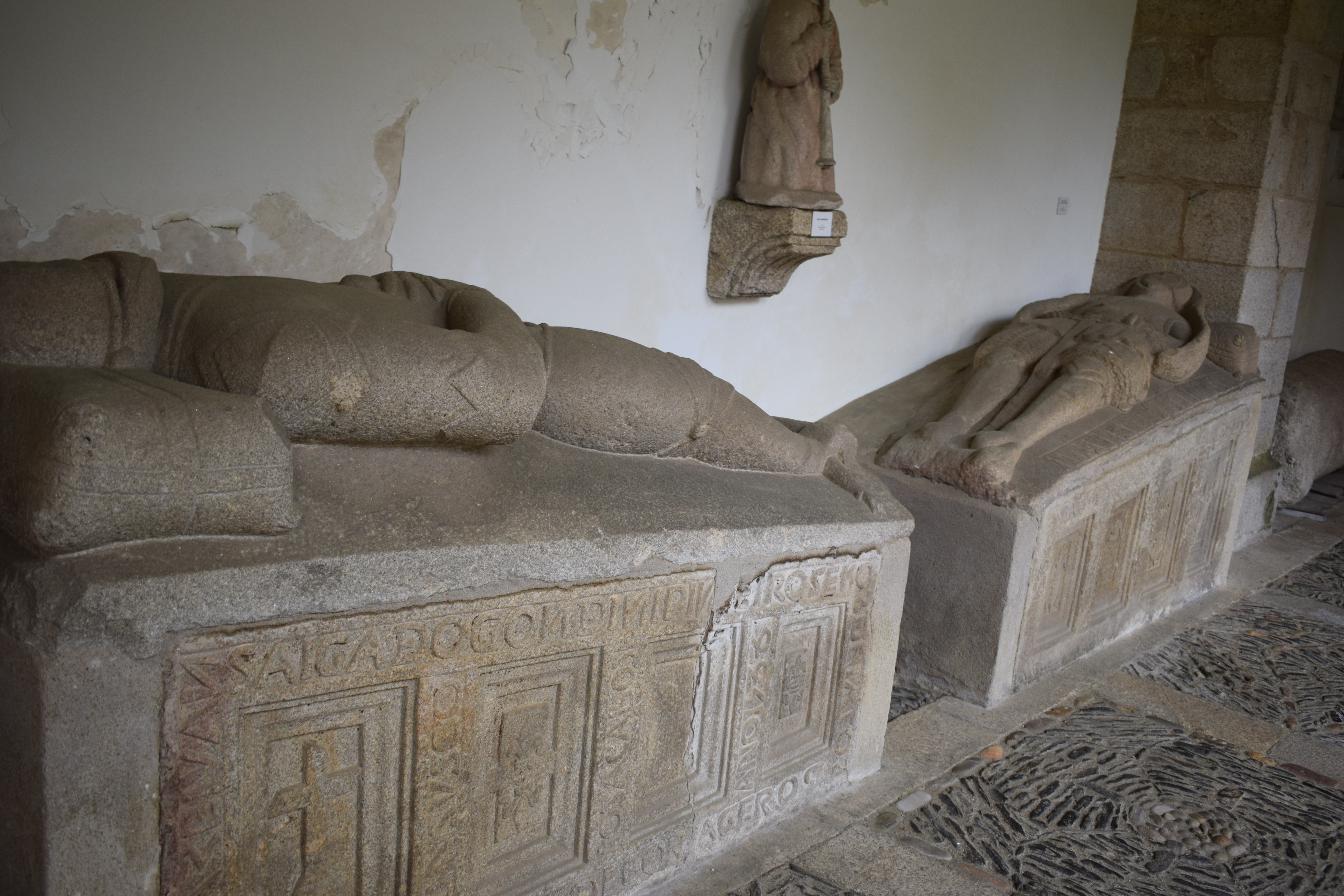
Museo etnográfico e histórico inaugurado en 1983, ocupando o antigo convento de Santo Domingo. Destacan a súa colección de escultura funeraria medieval, con diversos sartegos e laudas; o cadro Apostolado, da escola de Rubens; a sala destinada ás antigas escolas, en homenaxe ós irmáns García Naveira; e a sección do traxe galego, con máis de 50 traxes tradicionais.

Emilio Romay, nº 1 15300 Betanzos (A Coruña)
Concello, Comarca ou Provincia